


 Română
  English (UK)
  Русский
  العربية
  日本語
日本語  한국어
한국어  Magyar
  Türkçe
  Español
  Čeština
  Svenska
  Português
  Ελληνικά
  Suomi
Suomi  Nederlands
  Italiano
  Français
  Polski
  Українська
  Deutsch
  简体中文
简体中文  Slovenčina
 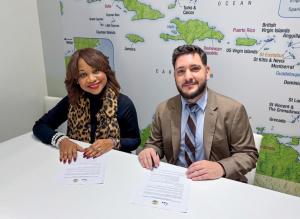 Caribbean Tourism Organization și ICF își unesc forțele pentru o creștere sustenabilă a turismului">

New Agreement Advances Sustainable Tourism in the Caribbean
The Caribbean Tourism Organization (CTO) and international consultancy ICF have formalized a non-binding Memorandum of Understanding (MOU) to foster sustainable tourism development throughout the Caribbean region. Signed in London, this partnership focuses on enhancing environmental resilience, climate adaptation, and sustainable growth within the tourism sector.
The agreement emphasizes several collaborative efforts, including technical advisory services, capacity building for tourism stakeholders, and development of governance models that encourage inclusive participation from local communities. By doing so, both entities aim to support destinations in achieving competitiveness while adhering to the United Nations Sustainable Development Goals.
Key Areas of Cooperation
- Technical Assistance: Offering expert guidance for sustainable and regenerative tourism practices.
- Destination Governance: Developing models of participatory management to involve residents and stakeholders.
- Public-Private Partnerships: Encouraging joint efforts between governmental and private entities to enhance tourism impact.
- Consolidarea capacităților: Conducting training programs on sustainable tourism concepts and execution.
Leaders from both organizations stressed the critical need for strategic collaboration to transform regional tourism into a more inclusive, environmentally friendly, and competitive industry. The partnership is expected to remain active until 2029, signaling a committed long-term vision.
Understanding Sustainable Tourism in the Caribbean Context
Island destinations such as those in the Caribbean face distinct challenges and opportunities due to their unique size, culture, and environmental vulnerability. Tourism often constitutes a substantial portion of the local economy, but balancing growth with ecological and social sustainability is a delicate act. Issues like limited natural resources, high transportation costs, climate change threats, and infrastructural constraints require adaptive management strategies.
Sustainable tourism in this region is more than a buzzword; it reflects an imperative to protect the natural beauty and cultural heritage that draw visitors while ensuring benefits for local communities. This involves integrating sustainability goals into policy, fostering stakeholder collaboration, and employing continuous monitoring and adaptation of tourism activities.
Challenges Unique to Island Tourism
| Provocare | Description |
|---|---|
| Carrying Capacity | Physical and social limits on tourism activity to prevent overuse and degradation. |
| Transportation Costs | High dependency on air travel increases vulnerability to price fluctuations and access limitations. |
| Environmental Vulnerability | Susceptibility to climate change, coral reef damage, and limited freshwater resources. |
| Governance Complexity | Diverse local and regional authorities and stakeholders require adaptive and inclusive management. |
The Evolution of Sustainable Tourism and Governance
Historically, many Caribbean destinations developed tourism predominantly through mass-market approaches. However, recent efforts are shifting towards a broader understanding of sustainability that encompasses environmental integrity, social equity, and economic viability. This includes promoting alternative tourism models that emphasize ecological awareness and community participation.
Governance plays a vital role in this transition. Effective tourism governance in island systems often means coordinating multiple stakeholders across public and private sectors, aligning development with environmental guidelines, and fostering continuous dialogue. Models that emphasize shared responsibility and adaptive planning have proven more successful at managing complex tourism dynamics.
Paths Towards Sustainable Tourism Development
- Inclusive Stakeholder Participation: Ensuring that local communities have a meaningful voice in tourism planning.
- Măsuri Reglementare: Implementing zoning, environmental protection, and certification programs for sustainable practices.
- Innovative Partnerships: Encouraging collaborations between governments, businesses, NGOs, and residents.
- Capacity Enhancement: Investing in education and training to build local expertise and entrepreneurship.
The Impact of Sustainable Tourism on Boating and Sailing Activities
The Caribbean’s pristine waters and idyllic shores naturally attract boating and sailing enthusiasts worldwide. Efforts to promote sustainability directly influence these marine activities by encouraging eco-friendly practices, protecting marine ecosystems, and supporting the development of well-managed marinas and charter services.
As sustainable tourism initiatives grow, they pave the way for increased demand for yacht charters și sailing boat rentals that adhere to environmental standards. This trend fosters a balance where water-based recreation thrives alongside conservation. It also encourages the establishment of partnerships between local operators and international platforms, enhancing visitor experiences through responsible boating adventures.
Integrating Sustainability in Marine Tourism
| Sustainability Practice | Relevance to Boating and Sailing |
|---|---|
| Marine Protected Areas | Conserve biodiversity, ensuring attractive and healthy ecosystems for anglers and sailors. |
| Eco-Certification of Charter Services | Encourages operators to adopt best practices in waste management, fuel use, and wildlife interaction. |
| Community Engagement | Promotes local stewardship over coastal waters and supports sustainable economic benefits from boating tourism. |
Perspectivele turismului durabil în Caraibe
Privind viitorul, turismul sustenabil este pregătit să devină o piatră de temelie a politicilor economice și ecologice din Caraibe. Echilibrul delicat de a stimula creșterea, protejând în același timp activele naturale și culturale inestimabile, necesită inovație și colaborare continuă. Parteneriatul CTO și ICF subliniază această călătorie critică, poziționând Caraibe ca lider global în dezvoltarea turismului responsabil.
Prin concentrarea pe sustenabilitate, regiunea nu numai că își păstrează farmecul unic pentru turiști, dar și hrănește reziliența comunității și extinde oportunități diverse, inclusiv navigare conștientă de mediu și activități pe plajă. Această abordare holistică asigură că generațiile viitoare vor continua să se bucure de destinațiile vibrante și însorite pentru care este renumită Caraibe.
Rezumat și Resurse pentru Entuziaștii Navigației
Memorandumul de Înțelegere dintre Organizația pentru Turism din Caraibe și ICF marchează un pas crucial către promovarea unui turism durabil în toate insulele. Punând accent pe reziliența climatică, participarea părților interesate și dezvoltarea capacităților, această inițiativă răspunde provocărilor unice cu care se confruntă destinațiile insulare.
Caraibele rămân o destinație de primă importanță pentru navigat și ambarcațiuni, unde practicile durabile susțin sănătatea oceanului și îmbunătățesc experiențele vizitatorilor. Pentru cei dornici să exploreze frumusețea marină a regiunii, închirierea unei iahturi sau a unei bărci cu pânze oferă o modalitate unică de a se conecta cu natura, adoptând în același timp principiile turismului responsabil.
Interesați să descoperiți cele mai bune destinații maritime și opțiuni de închiriere? GetBoat.com este o piață internațională pentru închiriat bărci cu vele și iahturi, care răspunde gusturilor și bugetelor oricui, fiind perfect aliniată cu tendințele în evoluție în domeniul iahturilor și al activităților de navigație durabile.