


 Română
  English (UK)
  Русский
  العربية
  日本語
日本語  한국어
한국어  Magyar
  Türkçe
  Español
  Čeština
  Svenska
  Português
  Ελληνικά
  Suomi
Suomi  Nederlands
  Italiano
  Français
  Polski
  Українська
  Deutsch
  简体中文
简体中文  Slovenčina
 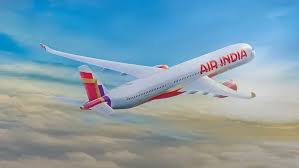 Singapore Airlines se angajează înn experienăa éi ajutor pentru transformarea Air India.">

Singapore Airlines’ Support to Air India Amid Turbulent Times
Singapore Airlines, holding a significant minority stake in Air India, has pledged to extend its expertise and assistance to help the Indian carrier through a challenging period. Air India is currently navigating a transformation program aimed at overcoming recent operational and financial hurdles.
The airline is reportedly seeking funding exceeding ₹10,000 crore from its joint owners, Tata Sons and Singapore Airlines, to stabilize and grow its operations. Challenges arise from factors such as the closure of Pakistan’s airspace, which forces Air India to reroute flights to Europe, thereby increasing fuel consumption and operational costs. Additionally, a tragic accident involving an Air India Boeing 787-8 Dreamliner en route to London Gatwick, which occurred shortly after takeoff, resulted in the loss of 260 lives and temporarily impacted the airline’s schedules and equipment utilization.
The CEO of Air India has acknowledged the uncertainties affecting global air travel demand, emphasizing resilience despite these pressures. Singapore Airlines has affirmed its close collaboration with Tata Sons in backing the ongoing transformation initiatives, supplying knowledge and operational guidance where needed, without detailing financial contributions.
Financial Investments and Structural Changes
Recent investments into Air India totaled nearly INR 9,558 crore between 2024 and 2025, with Tata Sons injecting INR 4,306 crore in March 2024. Moreover, strategic restructuring included merging Vistara—another airline co-owned by Tata Sons and Singapore Airlines—with Air India in late 2024. This move consolidated resources and led to Singapore Airlines acquiring a 25.1% ownership stake in the expanded Air India entity.
These steps aim to build a more competitive airline capable of facing evolving global market demands. The transformation plan covers various dimensions, from fleet optimization to service enhancement, adapting swiftly to geopolitical and economic factors influencing international travel routes and passenger flows.
Aviation Challenges Impacting Air India
Among the significant operational challenges is the closure of Pakistani airspace, which offsets Air India’s flight path efficiencies over Europe. This has reportedly increased the airline’s losses by an estimated ₹4,000 crore, highlighting the cost of avoiding restricted areas. Such geopolitical factors can create ripple effects across global aviation, demanding flexibility and strategic adjustments by carriers.
The airline’s temporary reduction in services involving its Boeing 787 and 777 aircraft after the accident also affected its capacity. This incident underscores the importance of safety and crisis management in aviation, impacting airline reputation and passenger confidence, which are critical parameters for tourism and international travel markets.
Global Context of Air Transport and Tourism
Air transport remains a cornerstone of international tourism and business travel, enabling connectivity across continents. The aviation industry constantly adapts to technological advances and geopolitical shifts to optimize route networks and service offerings. Airlines, both legacy and low-cost carriers, play dynamic roles in shaping travel choices and economic flows.
In recent decades, the aviation sector has experienced liberalization, with more private operators entering the market and enhanced infrastructure development, including greenfield airports and modernized hubs. These trends support growing travel demand, especially from emerging markets such as India, where expanding middle classes and rising disposable incomes are fueling outbound tourism growth.
Historical Overview: Evolution of Air India and Its Stakeholders
Air India has been central to India’s civil aviation landscape for several decades, historically state-owned and operating within a tightly regulated regime. The liberalization of airspace and aviation policies allowed private and foreign stakeholders to enter the Indian market. Tata Sons brought international expertise and investment, revitalizing the airline’s trajectory.
Singapore Airlines, established as a major player in the Asian aviation sector, has partnered in this revival effort by holding a minority share and sharing capabilities in airline management. The consolidation of Vistara into Air India reflected a strategic alignment to strengthen market position and operational efficiencies, critical amid fluctuating travel demand patterns and competitive pressures.
Table: Key Financial Contributions to Air India (2024-2025)
| Contributor | Investment (INR Crore) | Timeframe |
|---|---|---|
| Tata Sons | 4,306 | March 2024 |
| Singapore Airlines and Others | 5,252 | 2024-2025 |
| Total Investments | 9,558 |
Looking Ahead: Significance for International Travel and Tourism
The situation with Air India illustrates the fragility and dynamism inherent in international air travel operations. Airlines must remain agile to navigate geopolitical changes, safety standards, and fluctuating traveler confidence. The strategies of infusion of expertise, financial backing, and structural realignments are essential for maintaining connectivity and facilitating global tourism.
For regions heavily reliant on air connections, including marine and coastal destinations accessible by combined air and sea transport modes, the stability and growth of airline operations directly influence tourism flows. Yachting, sailing charters, and waterside leisure activities benefit from robust air travel access, relying on steady passenger arrivals to vibrant marinas and waterfront resorts.
Consequently, air carrier transformations and enhancements indirectly support sectors linked to maritime recreation, as seamless travel increases tourist inflows to boating and sailing destinations worldwide.
Conclusion: A Positive Outlook Supported by Expertise and Investment
Singapore Airlines’ commitment to supporting Air India amid financial and operational challenges reflects a broader trend of strategic collaboration in the aviation sector. The airline’s transformation efforts, backed by significant investment and expertise sharing, aim to bolster its position in a turbulent travel market marked by regional airspace restrictions and safety concerns.
This ongoing evolution in air transport presents both hurdles and opportunities, especially for international tourism markets. Destinations served by Air India and its partners can anticipate more stable air connectivity in the future, which is vital for the growth of yachting, boating, and sailing-related tourism activities in coastal and lakefront regions.
For those passionate about maritime adventures, having a dependable air travel network complements the experience of sailing the seas, exploring beaches, and chartering yachts in some of the world’s most attractive waterfront destinations.
For the latest developments in tourism and to explore a wide range of options for iaht și boat rentals, as well as navigație adventures in global porturi și gulf locations, visit GetBoat.com – an international marketplace offering tailored solutions for every taste and budget.