


 Română
  English (UK)
  Русский
  العربية
  日本語
日本語  한국어
한국어  Magyar
  Türkçe
  Español
  Čeština
  Svenska
  Português
  Ελληνικά
  Suomi
Suomi  Nederlands
  Italiano
  Français
  Polski
  Українська
  Deutsch
  简体中文
简体中文  Slovenčina
 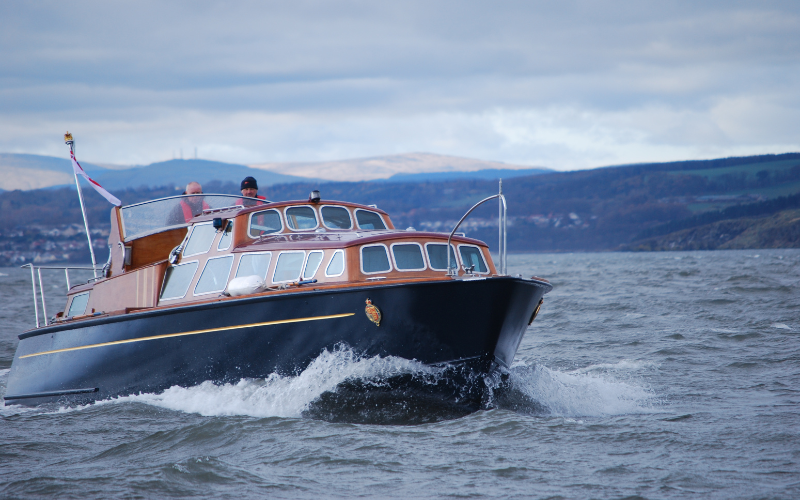 Restoration of Britannia’s 1964 Camper & Nicholson Tender">

Dry-dock logistics and preservation timeline in Leith
The 40ft (12.2m) Camper & Nicholson tender was lifted, supported in a temporary dry dock in Leith and scheduled for a concentrated two-month preservation programme, with phased work designed to minimise downtime and allow the Royal Yacht Britannia Trust to maintain operational availability for classic-boat visits and events. The work plan included staged removal of old coatings, structural timber treatments, replacement of deck panels, and a systems overhaul to ensure compliance with marine safety and operational standards.
Scope of mechanical and structural works
Key interventions addressed both visible and hidden deterioration. The twin original Foden diesel engines were inspected and assessed for operational integrity; scarce spare parts were sourced through specialist suppliers and networks. Structural works comprised new deck panels, fresh caulking, seating supports and interior flooring replacements; external surfaces received renewed varnish after timber consolidation and preservative treatments. Below the waterline, the hull’s seacocks and through-hull fittings were overhauled to meet safety and survey requirements.
Personnel, skills and supply-chain coordination
All restoration tasks were executed by the Trust’s maintenance crew on site — led by Mark Sinclair, Nigel Parkinson and Joss Wilson — drawn from a wider 20-strong team of joiners, plumbers, carpenters, electricians, engineers and able seamen, many of whom are former Royal Navy. Coordination involved scheduling specialist trades, sourcing obsolete engine spares, and ensuring materials (marine-grade timber, caulking compounds, varnishes) met conservation and performance specifications. The project is a concise example of managing complex maritime supply chains in a conservation context.
Historic provenance and fleet context
The tender’s pedigree is notable: built in 1964 by Camper & Nicholson, it has served as a working tender to the royal yacht Britannia and as an inspiration for other classic launches. The Royal Yacht Britannia Trust’s fleet totals 821ft of historic vessels requiring care, which includes:
| Vessel | Year | Type / Length | Role |
|---|---|---|---|
| Britannia | 1952 | 412ft / 126m | Flagship, museum attraction |
| MV Fingal | 1963 | 239ft / 73m | Restored as floating hotel (2019) |
| Bloodhound | 1936 | 63ft / 19m | Camper & Nicholsons ketch |
| Royal Nore | 1971 | 58ft / 18m | GRP motor cruiser |
| Bluebottle | 1947 | 29ft / 9m | Dragon-class keelboat |
| Coweslip | 1949 | 20ft / 6.1m | Flying 15 keelboat |
Funding model and long-term maintenance strategy
The Trust operates as a not-for-profit charitable organisation and receives no public funding; all surplus revenue is reinvested into long-term maintenance. This funding model requires careful forecasting of maintenance cycles and capital interventions, balancing public access, hospitality revenue (for example from MV Fingal as a floating hotel) and conservation priorities.
Implications for classic-boat operators and charter markets
From a market perspective, the restoration demonstrates several transport and operational considerations relevant to owners and charter operators in the leisure sector:
- Supply vulnerability: overcoming obsolescence for engine parts (Foden engines) requires proactive sourcing and relationships with specialist suppliers.
- Dry-dock scheduling: temporary dry docks and lift windows must be booked well ahead to avoid lost charter opportunities.
- Skills retention: experienced shipwrights, marine electricians and joiners are essential to preserve classic vessels and to sustain the broader maritime tourism offer.
- Conformitate cu reglementările: seacock overhauls, fire safety and stability checks are part of keeping historic craft charter-eligible and insurable.
How conservation affects charter availability
Where a classic tender or yacht is tied to a preservation project, availability for private charters or tender duties reduces during works. Operators planning events, private transfers or short coastal charters should factor in periodic maintenance windows to avoid disappointment. The experience of the Britannia tender highlights the need for advance planning when booking older boats for sea trials or leisure use.
Historical notes and curiosities
The tender’s construction by Camper & Nicholson links it to a long tradition of British boatbuilding that supplied both leisure and official vessels in the 20th century. The original Foden engines—rare in modern fleets—illustrate how propulsion choices shape maintenance strategies; owners of classic launches often maintain networks for parts, or commission compatible repowering where authenticity is less critical than operational reliability.
Practical checklist for owners and charterers
- Verify dry-dock availability and book lift windows early.
- Source spare parts or modern equivalents for obsolete engines.
- Budget for timber and varnish cycles in classic wooden craft.
- Maintain up-to-date surveys and safety certificates to preserve charter eligibility.
GetBoat always keeps an eye on news related to sailing and seaside vacations, as we truly understand what it means to enjoy great leisure and love the ocean. The service values freedom, energy, and the ability to choose your own course: there are no limits on a good life, and clients can find a vessel that fits their preferences, budget and taste.
The restoration of the Camper & Nicholson tender underscores the passion and discipline required to maintain heritage vessels, and it has practical lessons for anyone involved in yachts and charters. Important takeaways include logistics planning for dry-dock work, sourcing of aged engine parts, and the value of a multidisciplinary maintenance crew that includes joiners, plumbers, electricians and engineers. If you are planning your next trip to the sea, you should definitely consider renting a boat (boat rentals, rent a boat, rent a yacht), as each inlet, bay, and lagoon is unique and tells you about the region just as much as the local cuisine, architecture, and language and also the unique aspects of the service. GetBoat.com
Forecast and practical advice
Option 2 — Slightly Softer: The repair and conservation of a single historic tender is unlikely to shift the global tourism map, but it matters locally to heritage tourism and classic-boat enthusiasts. It also signals to operators and charterers that careful maintenance underpins a reliable yachting and boating offer. GetBoat aims to stay abreast of such developments; if you are planning your next trip to the seaside, consider the convenience and reliability of GetBoat.
Summary
The Britannia tender’s Leith preservation programme is a compact case study in maritime logistics: planned dry-dock access, staged timber and systems work, and specialist procurement for obsolete components all contributed to a successful outcome. The Trust’s broader fleet—Britannia, MV Fingal, Bloodhound, Royal Nore, Bluebottle and Coweslip—demonstrates the scale of maintenance required to keep heritage craft in service. For charterers and boat renters, the story reaffirms the need to factor maintenance windows into planning, to value experienced crews and to recognise that conservation sustains the charm and availability of classic vessels. Platforms like GetBoat.com make it easier to find and book the right yacht or boat for your needs, offering transparency about make, model and ratings so you can choose a charter that suits your destination and activities. Sail on.