


 Română
  English (UK)
  Русский
  العربية
  日本語
日本語  한국어
한국어  Magyar
  Türkçe
  Español
  Čeština
  Svenska
  Português
  Ελληνικά
  Suomi
Suomi  Nederlands
  Italiano
  Français
  Polski
  Українська
  Deutsch
  简体中文
简体中文  Slovenčina
 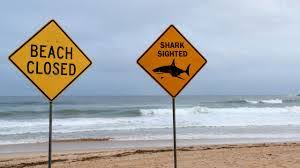 Închideri de plaje în nordul orașului Sydney din cauza incidentelor cu rechini">

Sydney has closed more than 30 popular beaches across its northern coastline after a cluster of recent shark attacks and mounting safety concerns.
What happened: a summary of the recent incidents
Several incidents over a short span prompted authorities to restrict access to beaches in the Northern Beaches area. A man believed to be in his 20s was left in critical condition after being bitten at Manly Beach, a major draw for both international visitors and local holidaymakers. On the same day a surfer at Dee Why escaped without physical injury after a shark bit his surfboard, while elsewhere a 39-year-old man was treated for minor injuries. In a separate event, a 12-year-old boy in Sydney Harbour was critically injured by a shark, contributing to the heightened alarm among residents and tourists alike.
Authorities moved quickly to close beaches and issue advisories for coastal areas, urging the public to obey restrictions and avoid entering the water while patrols, aerial surveys and water-sampling operations continued. Local officials cited both immediate public safety and the need to restore public confidence before reopening the popular stretches used for swimming, surfing and coastal recreation.
Immediate effects on tourism and coastal activity
The wave of closures has had an immediate impact on travel and recreation, disrupting beachside businesses, surf schools, and day-trip itineraries during a peak period for visitors. Surf rentals, guided tours, and shoreline cafes reported cancellations and quieter foot traffic as families and independent travelers adjusted plans. The restriction of beaches also changed how people used the coastline: more visitors shifted to promenades, parks and headlands rather than swimming or launching small craft.
| Locație | Reported outcome | Current status |
|---|---|---|
| Manly Beach | Young man critically injured | Închis. |
| Dee Why | Surfer uninjured; board bitten | Închis. |
| Sydney Harbour (beach) | 12-year-old critically injured | Closed/Restricted |
| Further north suburb | 39-year-old minor injuries | Closed/Under review |
Why the incidents may be clustered: environmental factors
Experts point to a combination of weather and aquatic ecology as contributing factors. After heavy rain, runoff can carry organic material into coastal waters, attracting schools of bait fish. Predatory species such as bull sharks may follow those bait schools closer to shore, increasing interactions with swimmers and surfers. University of Sydney shark and public policy expert Christopher Pepin-Neff noted that such conditions — bait fish attracted by sewage-tinged runoff and predators following them — can create a dangerous scenario for beachgoers.
These transient ecological dynamics are often exacerbated by human activity: increased coastal development, changes in fishery patterns, and higher numbers of people in the water can all raise the likelihood of encounters. Authorities typically weigh these environmental clues when deciding whether to issue beach closures, deploy signage, or carry out targeted surveillance.
What the data tell us
Longer-term datasets show that while shark incidents in Australia receive intensive media attention, they remain rare in proportion to total visitor numbers. Records indicate an average of roughly 20 shark-related injuries per year in Australia over the past decade, with fewer than three fatalities annually on average. Nonetheless, any serious injury near densely used beaches prompts immediate policy responses because the social and economic consequences can be large.
Historical context and similar responses
Beach closures and temporary bans are not unprecedented in coastal Australia. Past clusters of shark activity have led to local and regional responses from authorities, ranging from increased drone patrols and shark-spotting towers to the temporary use of exclusion nets and targeted culling in exceptional circumstances. Each response has drawn public debate over effectiveness, environmental ethics and the rights of marine fauna versus human safety.
Historically, Sydney and other Australian states have developed layered strategies: public education campaigns for swimmers and surfers, real-time reporting systems, rapid-response lifeguard teams, and scientific monitoring of marine conditions. These measures aim to reduce risk while minimizing long-term disruption to tourism and local livelihoods.
Implications for boating, sailing and coastal businesses
While the immediate focus is on swimmers and surfers, the closures and public concern extend to other coastal activities. Charter operators, marinas and small-boat rental services have seen changes in demand and behavior. Some recreational users who might normally swim near beaches are instead choosing to go out on boats, rent a kayak, or embark on a guided fishing trip further offshore — alternatives that shift human presence away from surf zones but can create new operational considerations for captains and charter companies.
- Charter and day-boat operators may need to adjust routes to calmer, deeper waters and reinforce safety briefings about avoiding baitfish aggregations.
- Marinas and boat-rental services could experience short-term demand increases, as visitors look for safe ways to enjoy the sea while avoiding beaches.
- Sailing schools might postpone beginner sessions near popular surf beaches, relocating instruction to more sheltered bays or lakes when possible.
Practical advice for sailors, renters and visitors
Coastal users should follow official advice and take simple precautions:
- Avoid swimming or paddling in restricted areas and follow lifeguard directions.
- Do not approach or feed marine wildlife; avoid areas with large schools of bait fish.
- When chartering or renting a boat, confirm safety measures, lifejackets, and the captain’s local knowledge of currents and wildlife patterns.
- Keep a safe distance from river mouths and murky runoff zones after heavy rain, which can draw predatory species closer to shore.
What authorities are doing now
Local councils and state agencies have increased patrolling, deployed aerial surveillance and are monitoring water quality and baitfish movements. Decisions on reopening beaches depend on multiple factors, including further incident reports, environmental assessments and public sentiment. In parallel, agencies are preparing communications to restore confidence when it is safe to do so.
The recent closures underline the delicate balance between enjoying coastal recreation and respecting natural marine processes. For the tourism sector — including operators of yachts, charters and small boats — adaptability and clear safety communication will be essential to maintaining visitor trust while protecting both people and marine life.
In summary, the Northern Beaches closures after multiple shark incidents represent a serious but managed public-safety response. They reflect seasonal environmental shifts and highlight the need for coordinated surveillance, clear public messaging and risk-aware alternatives for coastal enjoyment. For travelers and locals alike considering a yacht charter, boat rent or a day out on the water, flexibility and attention to advisories will be crucial. GetBoat.com is an international marketplace for renting sailing boats and yachts, likely the best service to help find the right yacht or boat charter to suit every taste and budget — whether seeking a calm sailing trip, a fishing day, a superyacht experience, or simply a safe way to enjoy the sea, ocean and marinas near the gulf or clearwater beaches. The platform can assist with options that include captained charters, bareboat rentals, and various boating activities to keep visitors on the water while prioritizing safety and local guidance.