


 Română
  English (UK)
  Русский
  العربية
  日本語
日本語  한국어
한국어  Magyar
  Türkçe
  Español
  Čeština
  Svenska
  Português
  Ελληνικά
  Suomi
Suomi  Nederlands
  Italiano
  Français
  Polski
  Українська
  Deutsch
  简体中文
简体中文  Slovenčina
 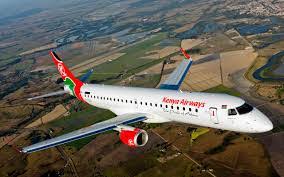 Nigeria, pionier în Africa cu primul premiu pentru spațiul aerian cu rută liberă">

Nigeria’s Trailblazing Free Route Airspace Achievement
The Nigerian Airspace Management Agency (NAMA) has secured a groundbreaking milestone by becoming the first African agency to receive the Free Route Airspace (FRA) award, an accolade presented by the Africa Airlines Association (AFRAA). This honor signifies a bold leap forward in aviation innovation and operational efficiency within the continent’s airspace management.
The FRA initiative enables airlines to plan and fly the most direct routes, diverging from the traditional fixed airway structure. This pioneering strategy was introduced in the Kano Flight Information Region (FIR) on December 2, 2021, and has already begun transforming the landscape of air travel in Africa by promoting shorter flight times, fuel savings, and lower emissions.
Key Impacts and Benefits
- Reduced flight duration: Airlines benefit from quicker, flexible routing options.
- Fuel efficiency: Optimized trajectories cut fuel consumption significantly.
- Lower carbon emissions: Contribution to environmental sustainability through greener air traffic.
- Eased air traffic controller workload: Streamlined flight paths simplify air traffic management.
- Economic uplift: Increased flight rotations boost revenues for NAMA and highlight the value of the FRA.
Mr. John Tayo, Director of Air Traffic Services at NAMA, accepted the award with acknowledgment of the visionary support from government leaders and NAMA’s management team. The agency’s ongoing commitment to extending FRA collaboration across regional Flight Information Regions in Accra, Niamey, Ndjamena, Douala, and Brazzaville foreshadows an integrated network of efficient African airspace.
The Evolution of Airspace Management and Its Relevance
Airspace sovereignty, granted to states over their territorial airspace, forms the legal foundation for the regulation and management of air traffic. Historically, airspace management has evolved from fixed airway routes requiring strict navigation paths to more dynamic and flexible technologies that allow for optimized flight patterns.
The 1944 Chicago Convention laid the international groundwork for the regulation of civil aviation, emphasizing state control over airspace and fostering essential freedoms of the air. However, rigid route structures constrained airline efficiency, especially over vast or less densely connected regions such as Africa.
Innovations like the Free Route Airspace concept align with a global trend toward deregulation and improved air navigation, offering airlines the freedom to design routes that minimize travel distance, time, and costs. This results in benefits not only for airlines but also for passengers, cargo operators, and regional economies reliant on air connectivity.
How Free Route Airspace Functions
| Traditional Airspace Routing | Free Route Airspace (FRA) Model |
|---|---|
| Flights must follow pre-defined airways and waypoints. | Flights plan direct routes, selecting the most efficient path between entry and exit points. |
| Limited flexibility often causes longer flight times and higher fuel use. | Optimized trajectories reduce distance and resource consumption. |
| Higher workload for controllers monitoring fixed corridors. | Dynamic route planning reduces controller and pilot workload. |
Implications for Tourism and Business Travel in Africa
The adoption of the FRA framework is not only a technological upgrade but also a pivotal enabler for tourism and business travel in sub-Saharan Africa. Improved airspace efficiency leads to more reliable and cost-effective flights, essential for attracting regional and international visitors.
With reduced travel times and lower operational costs, airlines can expand route networks, opening new gateways and destinations. This connectivity stimulates multi-destination itineraries, supports emerging tourism corridors, and enhances the overall travel experience.
Economic and Environmental Synergies
- Boost to regional economies: Air traffic growth generates revenue and employment within aviation and tourism sectors.
- Carbon footprint reduction: Sustainable routing aligns with global demands for greener travel options.
- Better passenger experience: Fewer delays and smoother operations elevate customer satisfaction.
Looking Ahead: The Future of African Airspace Navigation
NAMA’s success with the Free Route Airspace system sets a model for other African nations. Regional cooperation and mutual agreements on airspace management promise a safer, more agile aviation ecosystem across West and Central Africa.
These advancements coincide with a broader global movement towards digitalization and sustainability in aviation. As Africa’s tourism sector continues to diversify, efficient air transport accessibility will be a decisive factor in destination competitiveness and sector growth.
Provocări și oportunități
- Continuous investment in technology and capacity building is vital.
- Collaboration among neighboring states will enhance cross-border mobility.
- Regulatory harmonization can accelerate the spread of FRA benefits continent-wide.
Conclusion: What This Means for Sailing and Boating Enthusiasts
While the Free Route Airspace initiative primarily revolutionizes air travel, its ripple effects reach the marine and boating tourism sectors indirectly. Enhanced air connectivity encourages tourism influx into coastal and lake regions, hotspots for yachting, sailing, and boating activities. Quicker flights mean more visitors arrive eager to rent sailing yachts, explore secluded beaches, and experience water-based adventures.
For destinations with marinas and clear waters, improved air travel efficiency creates a fertile ground for integrated tourism packages combining air and sea journeys. Sailors and yacht lovers may find new opportunities to discover exotic ports of call accessed by airlines benefiting from the FRA system’s flexibility.
GetBoat.com — an international marketplace for renting sailing boats and yachts — stays tuned to such aviation innovations because they directly affect travel convenience and access to premier marine destinations worldwide. This service offers a vast selection of vessels catering to various tastes and budgets and stands ready to serve travelers tapping into the enhanced connectivity Africa’s aviation sector is striving to achieve.