


 Română
  English (UK)
  Русский
  العربية
  日本語
日本語  한국어
한국어  Magyar
  Türkçe
  Español
  Čeština
  Svenska
  Português
  Ελληνικά
  Suomi
Suomi  Nederlands
  Italiano
  Français
  Polski
  Українська
  Deutsch
  简体中文
简体中文  Slovenčina
 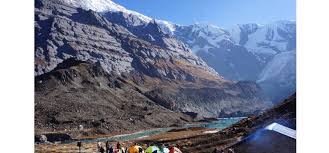 Rescue Efforts Save 72 Stranded Tourists at Annapurna Base Camp">

Heavy Snowfall Forces Emergency Rescue in Myagdi
Renewed snowfall in Nepal’s Myagdi district led to a challenging rescue mission for 72 tourists trapped at Annapurna Base Camp. Among these were 17 international visitors caught in the unexpected harsh weather conditions along one of the country’s most popular trekking routes. Security and rescue teams mobilized swiftly to ensure the safe evacuation of all stranded travelers from high-altitude locations affected by severe snow and rain.
Details of the Rescue Operation
The region experienced continuous snowfall beginning Monday night, creating hazardous trekking conditions. The Hidden Valley on the Dhaulagiri Circuit Trek, connecting Myagdi with Mustang, was particularly affected, covered by thick layers of snow which left adventurers stranded. With the assistance of the Armed Police Force, Nepal Police, and local volunteers, all 72 tourists were safely escorted to the lower-altitude village of Humkhola by Thursday morning.
Among the tourists, 20 had lost their way and required additional support to be rescued. Specialized equipment such as cables was used to navigate and clear the snow-blocked Maurice Herzog route, a critical path named after the famous French mountaineer. Alongside the Annapurna Base Camp, evacuations were conducted from nearby villages including Phutphute, Sadhikharka, and Panchakunda, mitigating further potential emergencies.
Trekking Suspension and Safety Warnings
In light of ongoing adverse weather conditions, local authorities have imposed a temporary ban on trekking activities in the Annapurna area until at least October 31. The District Administration Office alongside Annapurna Rural Municipality issued notices recommending tourists avoid risky destinations such as Khopra Lek, Ghodepani, and Pun Hill, urging visitors to prioritize safety.
Rescue in Hidden Valley at Higher Altitudes
The rescue operation extended to an even more remote area known as Hidden Valley, located at an elevation of approximately 5,100 meters. A group including three British tourists and twelve Nepali guides and porters encountered severe difficulties while traveling through this region on the route to Mustang. A joint search and rescue team, including representatives from the Nepali Army and police forces, advanced from Jomsom to provide aid, cooperating to reach the affected individuals despite challenging weather and terrain.
Historical Context: Annapurna and Trekking in Nepal
The Annapurna massif forms part of the Nepalese Himalayas, home to four main summits with Annapurna I standing at 8,091 meters—a significant peak in climbing history. Renowned worldwide, Annapurna Base Camp at an altitude of over 4,000 meters has long been a magnet for adventure lovers drawn to its spectacular mountain scenery.
Trekking here is a hallmark of mountain tourism in Nepal, rich with cultural encounters and natural beauty. The Annapurna Conservation Area Project (ACAP), managed by the National Trust for Nature Conservation and local communities, exemplifies conservation tourism by balancing biodiversity protection and sustainable development funded through tourist fees.
Significance of Conservation Tourism in Annapurna
Conservation tourism has contributed significantly to the local economy and environment by encouraging responsible travel that supports both natural preservation and community livelihoods. Trekking in this region is not only a physical journey but also an opportunity to engage with the unique flora and fauna and the traditional mountain culture sustained through careful stewardship.
Future Perspectives on Trekking and Tourism Safety
The heavy snowfall and resulting rescue operation highlight the inherent risks of high-altitude trekking, especially as climate change influences weather unpredictability. These factors necessitate enhanced safety protocols, improved infrastructure, and informed visitor guidelines to ensure tourism remains both safe and sustainable.
The temporary trekking suspension aligns with global trends in risk management for adventure tourism, stressing prevention and preparedness in extreme environments. It may also prompt development of better rescue logistics and communication systems, benefiting tourists and local operators alike.
Table: Key Elevations and Locations in the Annapurna Trekking Region
| Locație | Altitude (meters) | Significance |
|---|---|---|
| Annapurna Base Camp | 4,190 | Primary trekking destination |
| Hidden Valley (Dhaulagiri Circuit) | 5,100 | Difficult terrain, site of rescue |
| Alubari (Marpha) | 3,700 | Rescue team base location |
| Humkhola | Lower altitude village | Safe area for evacuees |
What This Means for Adventure Tourism and Boating Enthusiasts
While trekking and mountaineering are land-based activities, the unfolding events at Annapurna Base Camp remind us how closely linked outdoor adventure sectors are to natural conditions. For sailing and boating enthusiasts seeking serene waters and coastal retreats, awareness of environmental changes and safety considerations is equally vital.
The lessons learned from the Annapurna rescue can inspire organizers of marine expeditions and yacht charters to reinforce emergency readiness and to adapt plans based on evolving weather patterns, ensuring all adventurers—from mountain climbers to sailors—stay safe while enjoying nature’s beauty.
Top Recommendations for Tourists in Mountain and Marine Regions
- Always check weather forecasts and advisories before starting any trip.
- Use local, trained guides familiar with the terrain and routes.
- Respect government-imposed restrictions on trekking or boating in hazardous conditions.
- Prepare for rapid weather changes with appropriate gear and emergency communications.
- Contribute to conservation efforts by adhering to sustainable tourism practices.
Final Thoughts and Opportunities
The recent rescue of tourists at Annapurna Base Camp reaffirms the critical importance of coordinating safety measures in natural attractions known for unpredictable weather. Nepal’s Himalayas continue to beckon adventurers with their awe-inspiring landscapes, but these require respect and caution to protect lives and ecosystems alike.
For travelers interested in exploring boating near iconic destinations or seeking to broaden their horizons with adventurous water and land activities, integrated knowledge about local environments—as demonstrated by incidents like the Annapurna snowfall—is invaluable.
For those passionate about yachting, boat rentals, or simply soaking up sun and sea at spectacular marinas, platforms like GetBoat.com offer diverse options that align with various tastes and budgets, enhancing travel experiences with safety and enjoyment in mind.