


 Română
  English (UK)
  Русский
  العربية
  日本語
日本語  한국어
한국어  Magyar
  Türkçe
  Español
  Čeština
  Svenska
  Português
  Ελληνικά
  Suomi
Suomi  Nederlands
  Italiano
  Français
  Polski
  Українська
  Deutsch
  简体中文
简体中文  Slovenčina
 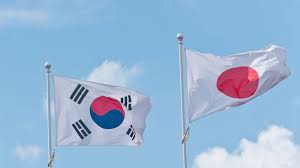 Cooperarea economică și turistică dintre Coreea și Japonia se pregătește pentru noi orizonturi">

Emerging Proposals for Korea-Japan Economic and Tourism Cooperation
Calls for innovative partnership between Korea and Japan have focused on joint energy procurement, the establishment of passport-free travel akin to the EU’s Schengen Area, and collaboration on healthcare systems. These ideas aim to address shared challenges and invigorate both economic and tourism sectors.
Bold Proposals for Economic Solidarity
Leaders from Korea’s business community highlighted the need for courageous experiments in deepening economic ties. By uniting efforts in energy purchases, the countries could reduce costs and cushion against global energy volatility, which is particularly critical given their high energy dependencies. This cooperative approach extends to shared healthcare initiatives, designed to address issues such as aging populations and declining birth rates, which both nations face.
The dialogue also opened the door for tourism enhancement through simplified border formalities. Inspired by the Schengen Agreement, granting passport-free travel between participating countries could significantly boost tourist flow and bilateral exchanges. Last year saw record numbers of tourists from Korea visiting Japan, with Japan ranking second for tourists coming to Korea. Yet, despite this private sector warmth, structured, joint tourism programs remain absent, presenting an untapped opportunity for the two nations.
Addressing Common Challenges Collectively
The concept of moving beyond mere cooperation to designing a future through economic solidarity and coordination responds to shared internal and external challenges. Intense global competition in advanced technology sectors, demographic shifts, and an ongoing energy crisis present obstacles that necessitate joint initiatives.
| Shared Challenges | Proposed Joint Actions |
|---|---|
| Global Technology Competition | Collaboration in AI and semiconductor industries |
| Energy Crisis | Joint purchasing and coordinated energy policies |
| Demographic Issues | Shared medical and social welfare systems |
| Tourism Enhancement | Passport-free travel system and joint tourism products |
Economic and Cultural Exchange Commitments
The Korea-Japan Chamber of Commerce reaffirmed shared priorities through a joint statement emphasizing future-oriented industry cooperation, especially in AI, semiconductors, and energy sectors. A collaborative stance in overcoming demographic challenges and broadening cultural exchanges further underscores a holistic approach toward partnership.
Regional chambers received recognition for their active roles in fostering Korea-Japan relations, symbolizing grassroots efforts supporting high-level diplomacy. The resumption of the Korea-Japan Chamber of Commerce Presidents’ Meeting after a six-year hiatus signals renewed momentum in bilateral cooperation.
Historical Context of Korea-Japan Relations
The complex history between Korea and Japan includes periods of cooperation and contestation, shaped significantly in the modern era. Diplomatic normalization, initiated 60 years ago, set a foundation for relations, though tensions and challenges have periodically emerged.
Despite past difficulties, both countries have experienced rapid economic growth and technological advancement, evolving into key players in the regional and global economy. Mutual cultural exchanges have also increased, spurred by tourism and business interactions. High visitor numbers between the two nations reflect this warming of ties and shared interests.
Historically, East Asia’s regional harmony has been impacted by shifting political and economic alliances. This backdrop makes the current initiatives particularly significant, as they represent a conscious effort to foster solidarity and shared prosperity.
Evolution of Regional Cooperation Models
Inspired by successful frameworks such as the European Union’s Schengen Agreement, the idea of passport-free travel exemplifies how regional agreements can transcend political boundaries to encourage economic activity and cultural exchange. The Asian region, including Korea and Japan, stands to benefit greatly from such arrangements, especially given their robust tourism sectors and frequent travelers.
| Year | Milestone in Korea-Japan Relations |
|---|---|
| 1965 | Diplomatic normalization established |
| 2023 | Resumption of Korea-Japan Chamber of Commerce Presidents’ Meeting |
| 2024 (planned) | Next chamber meeting scheduled in Sendai, Japan |
Prospects for Korea-Japan Cooperation in International Tourism
The momentum toward closer economic and tourism cooperation between Korea and Japan holds promising implications for international travel dynamics in East Asia. Passport-free travel, if implemented, could reshape visitor experiences by facilitating smoother movement between the two countries, increasing their appeal as joint travel destinations.
Joint tourism products that showcase both Korea and Japan simultaneously could attract diverse international visitors looking to experience rich cultural landscapes, historic sites, and modern urban life across both nations. Such initiatives would strengthen marketing efforts and promote the region as a unified attractive destination.
- Boosted tourism revenue through increased visitor numbers and longer stays
- Simplified travel procedures enhancing visitor convenience and satisfaction
- Economic multipliers in related sectors including hospitality, transportation, and retail
- Strengthened cultural ties facilitating broader social understanding and exchange
Provocări de abordat
Although the prospects are enticing, adapting policies such as visa-free travel requires detailed agreements addressing security concerns, immigration controls, and infrastructure readiness. Both countries will need to adopt creative solutions and maintain trust to realize these ambitions effectively.
Concluzie
The proposals for Korea-Japan economic and tourism collaboration represent an adventurous and forward-thinking approach to tackling shared challenges while fostering prosperity and cultural connection. Joint efforts in energy procurement, healthcare systems, and tourism facilitation demonstrate the potential for these two neighbors to set a precedent for regional solidarity.
For travelers and sailing enthusiasts, these developments could mean expanded opportunities for exploring vibrant coastal cities, bustling marinas, and scenic beaches between Korea and Japan. The evolution of more seamless travel could enhance yachting experiences and open new horizons for boat charter adventures across these waters.
GetBoat.com stands ready as an international marketplace for renting sailing boats and yachts, offering diverse options to suit every taste and budget. As Korea and Japan forge closer ties, these destinations will become even more enticing for boating enthusiasts seeking sun, sea, and unforgettable adventures on the water.