


 Română
  English (UK)
  Русский
  العربية
  日本語
日本語  한국어
한국어  Magyar
  Türkçe
  Español
  Čeština
  Svenska
  Português
  Ελληνικά
  Suomi
Suomi  Nederlands
  Italiano
  Français
  Polski
  Українська
  Deutsch
  简体中文
简体中文  Slovenčina
 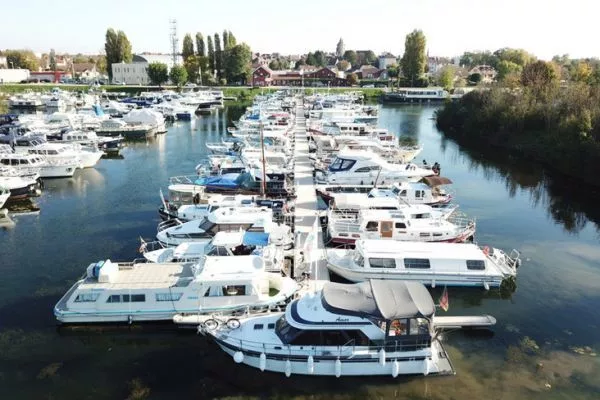 Salon Fluvial 2026 — Saint Jean de Losne Report">

Between April 24 and 26, 2026, the port of Sfânt Jean de Losne received 600 registered boats, dozens of trade stands and ten participative workshops focused on operational logistics, berthing capacity and charging infrastructure for inland craft.
Decarbonization and energy autonomy: on-deck realities
Hybrid drivetrains and full electric propulsion were prominent at the quayside, but the conversations quickly moved from concept to constraints: battery weight and placement, onboard electrical safety in wet environments, and the patchwork of recharging points along key waterways. Workshop sessions detailed retrofit pathways for cruise operators, rental fleets and private houseboat owners seeking to cut emissions without crippling operating budgets.
Practitioners emphasized that reducing noise and particulates helps navigation acceptance near towns, while the flip side remains the capital outlay and the need to standardize connectors and safety rules across canals.
Practical takes from decarbonization sessions
- Hybrid integration best practices: prioritize power management and modular battery packs.
- Charging networks: prioritize marinas and tourist nodes with PV-assisted stations.
- Regulatory alignment: push for uniform wet-environment electrical standards.
Acquisition, maintenance and the used-boat market
The exhibit showcased a wide range of vessels — steel-hulled barges, polyester launches, retired rental craft — but buyers were reminded that river craft inspections go beyond hours and varnish. Hull residual thickness, weld quality and under-deck corrosion remain decisive factors, requiring dry-dock surveys and independent marine surveyors.
Maintenance workshops stressed recurring tasks: careening for fouling control, targeted anti-corrosion treatments, and HVAC and electrical checks before winter layup. Rental operators looking to scale were shown lifecycle cost models comparing purchase, refit and sale timelines.
Checklist for prospective buyers
- Independent survey and dry-dock inspection.
- Corrosion mapping and weld inspection report.
- Service history for heating and electrical systems.
- Projected refit costs vs. resale value.
River tourism and itinerancy: services that sell trips
Sessions on itinerant tourism stressed the link between infrastructure and customer uptake. Nautical stops equipped with water and electricity, short-term rental models, and combined boat-and-bike packages were presented as growth levers for local authorities and charter operators.
For captains and charter businesses, docking quality and availability of refuelling or charging points on the Saône and Burgundy Canal can make or break a season. One presenter joked, “You can sell romance on the river, but you still need a working shore power outlet,” and the room laughed because we’ve all been there.
Services that attract new sailors
- Plug-and-play marina points for short-term berthing.
- Integrated booking platforms for boat + land activities.
- Operator-led itineraries with local experiences.
Speed meetings, workshops and industry structure
The program included ten participative workshops and targeted speed meetings designed to catalyze collaborations: new rental bases, refit yard launches, and tech pilots. The short-format meetings prioritized direct project matchmaking over informal pontoon chats and helped frame actionable next steps for entrepreneurs.
| Workshop Topic | Primary Audience | Expected Outcome |
|---|---|---|
| Energy autonomy | Fleet managers, shipyards | Roadmaps for retrofits and charging |
| Maintenance & surveys | Buyers, marinas | Inspection protocols and tender templates |
| Tourism itinerancy | Local authorities, charter firms | Service packages and docking plans |
Grand Prix and tradition: recognition meets culture
The Grands Prix du Salon Fluvial highlighted innovations in sustainability and equipment, while traditional ceremonies — christenings, parades and the mass — underlined the living heritage of inland navigation. Awards give technical projects visibility; the festivities remind the sector why canals matter socially, not just commercially.
Key operational challenges identified
- Financing green retrofits and scaling charging networks.
- Standardizing safety and electrical rules across canals.
- Balancing tourist volumes with bank-side ecology and local traffic.
In short, Salon Fluvial 2026 made clear that inland navigation is at a crossroads: the sector needs coordinated infrastructure, clear maintenance standards and business models that support both sale and long-term operation. For anyone in yachting, charter or boat rental, those are the touchpoints that will shape destinations, marinas and the customer experience on lakes, rivers and coastal waters. Whether you run a rental fleet, captain a private houseboat or are eyeing a superyacht-style refit, the practical takeaways from Saint Jean de Losne — on energy, upkeep and itinerant services — will ripple into boating, sailing and coastal activities. To wrap up: prioritize operational readiness (charging and berthing), insist on rigorous surveys before purchase, and design offers that link waterborne experiences with onshore activities — because in the end, people book sun, water and memories. yacht, charter, boat, beach, rent, lake, sailing, captain, sale, Destinations, superyacht, activities, yachting, sea, ocean, boating, gulf, water, sunseeker, marinas, clearwater, fishing