


 Română
  English (UK)
  Русский
  العربية
  日本語
日本語  한국어
한국어  Magyar
  Türkçe
  Español
  Čeština
  Svenska
  Português
  Ελληνικά
  Suomi
Suomi  Nederlands
  Italiano
  Français
  Polski
  Українська
  Deutsch
  简体中文
简体中文  Slovenčina
 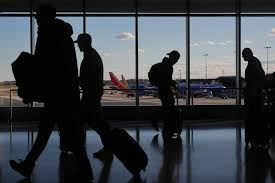 Americanii își restrâng planurile de călătorie de sărbători, având bugete mai mici în 2024">

Holiday Travel Demand Takes a Hit Across Income Groups
As the holiday season approaches, a noticeable shift is underway in travel habits. Many Americans are choosing to take fewer trips and reduce their travel spending, influenced by financial concerns that cut across income levels.
Recent findings reveal that the average number of planned holiday trips per person has dropped from 2.14 last year to 1.83 this year. Simultaneously, planned travel budgets have shrunk by nearly one-fifth, now averaging around USD 2,334. Even those earning over USD 100,000 annually report feeling financially strained, with close to 20% claiming to be worse off compared to a year ago, and an overwhelming majority leaning toward more economical travel choices.
Impacts on Airlines, Hotels, and the Broader Travel Industry
The repercussions of this cautious spending ripple through key sectors including airlines, hotels, and tour operators. High-income travelers traditionally spend more on luxurious experiences and longer journeys, so their pullback could signal trouble for premium services. Airlines such as Delta and United, along with hotel chains like Marriott International, have so far seen stable demand in luxury segments, but the landscape is evidently shifting.
Furthermore, complications from a prolonged U.S. government shutdown exacerbate challenges. Flight cancellations and delays have already affected an estimated 3.2 million passengers, disrupting plans just when holiday travel demand typically surges.
Generative AI’s Role in Shaping New Travel Planning Trends
Younger travelers, particularly millennials—who make up the largest segment of luxury travelers—are adjusting their travel behavior the most, cutting back sharply on the number of trips. Interestingly, this group has been the frontrunner in adopting generative AI tools for travel planning, with usage increasing by 1.5 times since early 2024. These AI tools help visitors discover activities, attractions, and dining options, although users are most likely to act on restaurant recommendations sourced this way.
| Traveler Segment | Trend | AI Usage for Travel Planning |
|---|---|---|
| High-Income Households (>$100K/year) | Fewer trips, more budget-conscious choices | Increasing use of budget-friendly planning apps |
| Millennials | Sharpest reduction in trip frequency | 1.5x rise in generative AI use to find activities and dining |
| General American Travelers | Average trips reduced to under 2 per year | Growing use of AI across all demographics |
A Brief Look Back: How Past Economic Factors Shaped Travel Behavior
Historically, economic uncertainties and recessions have consistently influenced travel patterns. For example, the early 1980s recession in the UK led to a drop in domestic tourism, particularly in industrial areas. Over time, as affluence rose and infrastructure improved, short holidays gained popularity over longer stays, trends mirrored across many western nations.
The post-World War II era brought an increase in disposable income, longer holidays, and greater mobility through widespread car ownership, all of which expanded travel opportunities. However, economic downturns repeatedly caused travelers to tighten budgets and opt for less frequent or less expensive vacations.
Technological advances also played a pivotal role over the decades, from boosts in transport networks to the rise of internet-powered travel planning, enabling more tailored, cost-effective holiday arrangements.
The Broader Implications for Tourism and Travel Markets
Economic shifts like the current cooling in holiday travel budgets influence the wider travel industry in several ways:
- Change in Demand Patterns: Lower frequency of trips and preference for budget options may encourage tourism providers to rethink offerings.
- Impact on High-End Services: Premium airlines, luxury hotels, and upscale tours could see decreased bookings, affecting revenue streams.
- Acceleration of Digital Tools: The rise in AI-assisted planning will increasingly shape how travelers discover and book activities, accommodations, and dining.
- Operational Challenges: Disruptions like government shutdowns add unpredictability to travel, pushing travelers towards flexible or alternative plans.
How This Energy might Shift in Marine and Coastal Destinations
While general holiday travel trends slow, coastal and marine destinations that support activities like boating and sailing may present unique opportunities. These regions often attract visitors seeking immersive experiences such as sailing charters, yacht excursions, fishing, and beachside relaxation. A tighter budget could encourage more local and regional trips or shared charters that optimize cost versus experience.
Moreover, innovations in digital planning and the growing use of AI could streamline the process of choosing boat rentals, marinas, and related services, making sailing holidays an attractive option even in a conservative travel market.
Forecasting the Impact of These Trends on Future Tourism
The ongoing constraint on travel budgets combined with advances in travel planning technology suggests a transformation rather than decline in tourism. Travelers may favor:
- Shorter trips with more purposeful itineraries.
- Increased reliance on AI tools for cost-effective planning.
- More experiential and adventure-driven travel, including sailing and boating where available.
- Greater flexibility and contingency plans due to potential disruptions.
These dynamics highlight the necessity for the travel industry, including sectors focused on marine tourism and sailing charters, to adapt their offerings to meet changing expectations and financial realities.
Travel Budget Shifts and the Role of AI in Planning
| Factor | Description | Efect potențial |
|---|---|---|
| Reduced Travel Budgets | Average spending decreased by 18% compared to last year | Demand for affordable travel options increases, impacting luxury markets |
| Fewer Trips Planned | Average trips per person down from 2.14 to 1.83 | Shift toward longer, more meaningful trips, or shorter, local excursions |
| Generative AI Adoption | Travelers increasingly use AI to discover activities and dining | Enhances personalized travel experiences, expands access to under-the-radar options |
| External Disruptions | Flight reductions and delays due to government shutdown | Travelers seek more reliable, flexible booking options including alternative transport modes like sailing |
Summary and Connection to Sailing & Boat Rentals
The trend toward fewer, budget-savvy trips among American travelers showcases a clear recalibration of holiday priorities in 2024. This shift is marked by reduced frequency of trips, smaller travel budgets, and heightened use of innovative digital tools like generative AI to plan more tailored and budget-conscious experiences.
While this may challenge premium sectors such as airlines and luxury hotels, it also opens doors for more accessible and experience-focused travel options, including sailing and boating holidays in marine destinations. Such activities offer a unique blend of adventure, relaxation, and immersion in natural surroundings, often at competitive costs especially when renting boats or yachts with a captain to share expenses among groups.
Travelers and industry stakeholders alike can expect to see continued integration of AI in customizing their journeys, with coastal resorts and marinas poised to benefit from these evolving dynamics.
For those eager to explore water-bound adventures or rent sailing boats and yachts tailored to various tastes and budgets, GetBoat.com serves as a premier international marketplace connecting enthusiasts with their ideal nautical experience amidst these changing travel trends.