


 Română
  English (UK)
  Русский
  العربية
  日本語
日本語  한국어
한국어  Magyar
  Türkçe
  Español
  Čeština
  Svenska
  Português
  Ελληνικά
  Suomi
Suomi  Nederlands
  Italiano
  Français
  Polski
  Українська
  Deutsch
  简体中文
简体中文  Slovenčina
 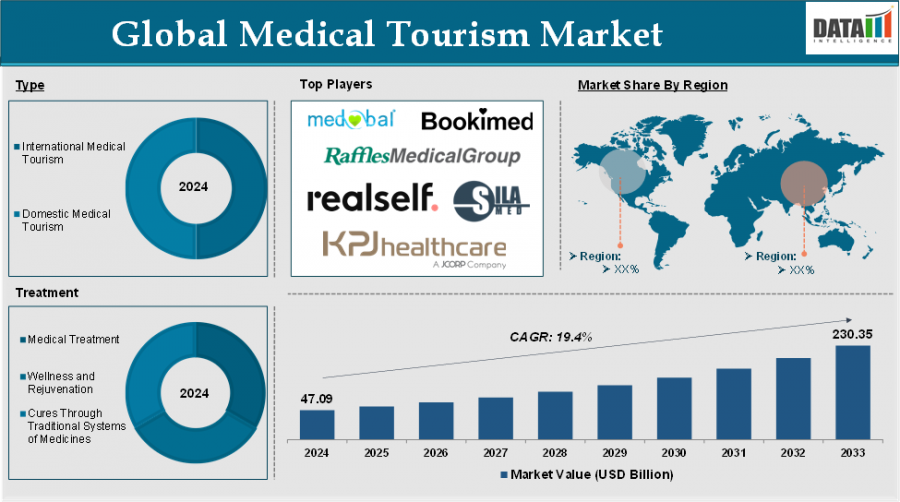 Asia-Pacific propulseêe creşterea turismului medical spre $230 miliarde până în 2033">

Surging Global Medical Tourism: What’s Fueling the Growth?
The medical tourism market is on a remarkable upward trajectory, expected to climb from just over $47 billion in 2024 to more than $230 billion by 2033. This surge is primarily powered by an increased demand for affordable surgeries, fertility assistance, orthopedic treatments, and more—all supported by cutting-edge technologies like AI and telemedicine. Asia-Pacific currently leads this expansive growth, with countries offering competitive healthcare costs and rapidly advancing medical infrastructures.
Major Drivers Behind Medical Tourism Expansion
Key factors fueling this rapid expansion include the affordability of treatments abroad, significantly shorter waiting times compared to domestic healthcare systems, and the availability of specialized procedures often lacking or expensive at home. Patients from developed nations seek options that not only reduce costs but also offer high-quality care, often at a fraction of domestic prices.
- Cost Efficiency: Medical tourists often pay just one-tenth of what they would in home countries like the US or Europe.
- Reduced Waiting Times: Lengthy waits for surgeries or therapies in domestic systems can push patients to seek faster treatment abroad.
- Advanced Technology Integration: AI and telemedicine are enhancing patient diagnostic, consultation, and aftercare experiences.
- Government Support: Countries in Asia-Pacific foster medical tourism through policies that promote healthcare infrastructure development and international accreditation.
Top Treatment Segments and Fastest-Growing Areas
The scope of treatments attracting international patients is broad, ranging from cosmetic surgery to complex oncology procedures. Surgeries and fertility treatments hold significant market shares due to their high domestic costs and demand. Notably, orthopedic treatments are emerging as the fastest-growing segment, fueled by aging global populations and increased incidences of musculoskeletal issues.
Key Regional Markets in Medical Tourism
| Region | Market Strengths | Leading Countries |
|---|---|---|
| Asia-Pacific | Low costs, advanced healthcare, government support | India, Thailand, Malaysia, Singapore |
| Europe | Advanced medical infrastructure, competitive costs | UK, France, Germany |
| North America | High-tech medical procedures, specialized cosmetic surgeries | United States |
Asia-Pacific dominates, accounting for over 25% of the market share due to exceptional value propositions in medical care. India’s hospitals have become magnets for millions of international patients annually, offering everything from robotic surgeries to minimally invasive therapies. Europe also benefits from its reputation for cutting-edge healthcare combined with increasing affordability. The United States remains a significant player but sees a fair number of patients traveling abroad to avoid high domestic costs.
Medical Tourism: A Growing Intersection of Healthcare and Travel
Medical tourism is an evolving facet of global travel where healthcare needs meet the desire for quality, affordability, and convenience. Historically, the trend has roots extending back decades but has surged dramatically with the globalization of medicine and travel. The fusion of healthcare services with tourism infrastructure facilitates hospitality, transportation, and post-treatment leisure—turning recovery periods into immersive experiences.
Historical and Contemporary Context
The growth of medical tourism has often been linked to disparities in healthcare systems, primarily in wealthier nations where expensive treatments and long waiting lists prevail. Over the past thirty years, improved medical technology and physician skill levels in emerging countries have significantly raised patient confidence. From the 1950s rise of package travel to today’s integration of AI diagnostics, the accessibility of international healthcare has transformed dramatically.
Countries like India, Thailand, and Malaysia have carved out reputations as affordable but high-tech destinations for both elective and urgent procedures. This development mirrors the steady increase in disposable incomes and outbound travel from emerging markets to neighboring countries, often spanning nearby or exotic medical destinations.
Challenges and Future Opportunities in Medical Tourism
Market Challenges
Despite impressive growth, the medical tourism sector faces hurdles including:
- Regulatory Variations: Differences in healthcare regulations can cause patient uncertainty.
- Post-Treatment Care Difficulties: Continuity of care after returning home remains a concern.
- Insurance Limitations: Sparse insurance coverage for treatments received abroad inhibits expansion.
- Travel Restrictions: Occasionally, travel barriers disrupt patients’ mobility.
Emerging Opportunities
New synergies are emerging between wellness tourism and medical treatment packages, offering holistic recovery experiences that blend traditional healing with leisure activities. Additionally, investments in digital health, infrastructure upgrades, and medical travel facilitation promises to unlock newer markets, including less developed regions building healthcare capacity.
The adoption of advanced interventions such as robotic surgeries, precision medicine, and AI-driven diagnostics offers a way to differentiate services and capture a growing international clientele demanding innovation alongside affordability.
How Medical Tourism Impacts the Broader Travel Ecosystem
Medical tourism represents a compelling blend of healthcare and travel industries, creating new demands and opportunities in destinations worldwide, including those with strong marine and recreational appeal. The potential for medical tourists to combine necessary treatments with relaxation by the sea, yacht charters, and aquatic activities adds a unique component to the overall travel experience.
Resorts and coastal cities with advanced healthcare centers and well-equipped marinas increasingly attract visitors seeking both recovery and leisure. The integration of boat hire, sailing, and water sports with medical trips provides a refreshing dimension to recuperation, particularly in regions with warm climates and inviting beaches.
Summary and Industry Outlook
The global medical tourism market is set for explosive growth, driven by patient demand for affordable, high-quality care, technological advances, and supportive policies, with Asia-Pacific taking a clear lead. While challenges related to regulation, post-care, and insurance persist, the sector’s momentum is undeniable.
Emerging opportunities that combine treatment with wellness and travel experiences are reshaping the traditional boundaries of medical tourism, making healthcare travel more appealing and accessible than ever.
For travelers interested in combining medical treatments with leisure, coastal regions with strong healthcare infrastructures offer enticing options. Services that provide comprehensive packages including yacht charters and sailing activities can enhance recovery with sun, sea, and marine adventures.
To explore the latest in travel and tourism news, including opportunities for combining medical trips with boating and yachting activities, GetBoat.com remains a go-to source. It stands as an international marketplace for renting sailing boats and yachts, perfectly catering to every taste and budget, making any medical tourism journey not only healing but also adventurous and memorable.