


 Română
  English (UK)
  Русский
  العربية
  日本語
日本語  한국어
한국어  Magyar
  Türkçe
  Español
  Čeština
  Svenska
  Português
  Ελληνικά
  Suomi
Suomi  Nederlands
  Italiano
  Français
  Polski
  Українська
  Deutsch
  简体中文
简体中文  Slovenčina
 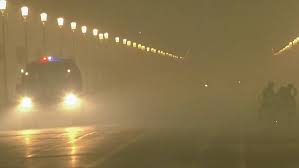 Întârzieri de zbor afectează Aeroportul IGI din Delhi în mijlocul perturbărilor cauzate de ceață densă">

Severe Fog Disrupts Flight Operations at Delhi’s IGI Airport
Delhi’s Indira Gandhi International Airport experienced significant operational disruptions as dense fog enveloped the region, sharply reducing visibility. This sudden atmospheric change led to delayed departures and a general slowdown of flight movements early Monday morning, marking the season’s first major bout of winter fog in the national capital area.
Major airlines such as IndiGo and Air India responded with travel advisories, urging passengers to check flight statuses with their carriers before proceeding to the airport. Airport authorities confirmed collaborative efforts with all involved parties to minimize passenger inconvenience during the challenging weather conditions.
Airlines’ Responses and Passenger Advisories
Indira Gandhi International Airport management issued advisories highlighting the potential for continued disruption. The airport emphasized its commitment to passenger safety and smooth operations despite the fog’s intensity, advising travelers to remain vigilant and maintain contact with airline services for updates.
IndiGo’s official statements on social platforms confirmed that their ground and operational teams were fully deployed to assist travelers. They noted that low visibility could prolong departure times but reassured customers that every effort was underway to maintain safety and schedule efficiency. Similarly, Air India encouraged passengers to verify flight details online prior to arrival at the airport.
| Airline | Advisory Highlights | Passenger Guidance |
|---|---|---|
| IndiGo | Low visibility impacting flight schedules; potential delays possible. | Check flight status via website or app; assistance provided at airport. |
| Air India | Flight operations affected by dense fog in Delhi and Northern India. | Passengers advised to verify flight status online before traveling. |
Impact of Severe Air Pollution and Weather Conditions
The disruption unfolded alongside a worrying air quality scenario in Delhi, where pollution levels soared into the ‘severe’ category. Early morning readings revealed an Air Quality Index (AQI) soaring above 450 across various parts of the city, with some regions like Akshardham reaching near 500, indicative of extremely poor air conditions.
The combined effect of dense fog and heavy pollution severely diminished visibility, causing disruptions not only in aviation operations but also in ground transportation and daily life in the National Capital Region. Weather monitoring agencies had issued warnings for dense fog during the morning and late morning hours, capturing the conditions at key observation points.
Weather Facts and Air Quality Data
- Maximum temperature: 23°C
- Minimum temperature: 8°C
- AQI levels: Peak values reaching 493 in Akshardham and 469 in Dwarka Sector-14
- Visibility: Drastically reduced across early morning hours
Historical Context and Airline Operations in Delhi
Delhi’s IGI Airport stands as one of India’s largest and busiest aviation hubs, handling a considerable share of both domestic and international air traffic. Historically, winter seasons have brought challenges related to fog and atmospheric visibility, impacting the timely movement of flights.
In recent years, air traffic at IGI has grown substantially due to expanding tourism and business travel. While technological and infrastructural improvements have been made, natural weather phenomena such as fog continue to test operational limits, occasionally grounding flights or causing lengthy waits on runways.
The presence of budget and full-service carriers, including IndiGo and Air India, has boosted connectivity but also resulted in heightened sensitivity to delays caused by weather, with airlines increasingly investing in real-time communication and support systems for passengers.
Privind Viitorul: Implicații pentru Turism și Turism
As one of India’s main aviation gateways, Delhi’s experience with fog-induced flight disruptions underscores the vulnerability of air travel to environmental conditions. For travelers planning regional or international trips, such disruptions emphasize the importance of flexible itineraries and advance information on flight statuses.
Emerging trends in travel technology and operational adjustments aim to reduce inconvenience, although weather unpredictability remains a persistent challenge. When conditions like fog intersect with severe pollution, the impact extends beyond flight delays, potentially affecting overall travel experiences.
Forecast and Industry Outlook
With winter seasons anticipated to continue bringing dense fog events, aviation stakeholders must prioritize adaptive scheduling, improved ground handling, and passenger communication strategies. The balance between safety and operational efficiency remains paramount.
Looking at international tourism, the ability of airports and airlines to manage such disruptions effectively will influence traveler confidence and destination appeal, particularly in regions where air travel dominates access.
Connecting Air Travel Challenges to Sailing and Boating Activities
While flight disruptions pose challenges for travelers arriving or departing through Delhi, alternatives such as sailing and boating in nearby coastal or lake destinations present attractive complements or alternatives to traditional air travel. Boating experiences offer unique opportunities for tourists seeking adventure, scenic beauty, and tranquil escapes away from urban pollution and congested skies.
The rise of yacht charters and boat rentals allows travelers to explore destinations from a fresh perspective, potentially alleviating some stress related to flight delays and crowded airport environments. Particularly in regions where maritime tourism flourishes, combining air travel with seamless transfer to boat-based excursions enriches the overall vacation experience.
Summary and Conclusion
The dense fog event in Delhi’s National Capital has caused notable flight delays, prompting airlines and airport authorities to prioritize passenger advisories and manage disruptions carefully. Coupled with severe pollution levels, this scenario highlights the multi-faceted challenges faced by the aviation sector during winter months in major metropolitan areas.
Delhi’s position as a key hub means its operational health impacts both domestic and international travel markets, including tourism. The ongoing need to adapt to weather-related disruptions will shape future travel experiences and infrastructure planning.
For those seeking alternative ways to explore destinations, especially in coastal or lakeside regions, sailing and boat chartering emerge as refreshing options that blend travel flexibility with adventure and luxury.
When planning travel in regions affected by such atmospheric conditions, services like GetBoat.com offer a comprehensive international marketplace for renting sailing boats and yachts, catering to diverse preferences and budgets. Whether looking to enjoy peaceful lakes, open seas, or sunny gulfs, boating provides a standout complement to traditional air-based travel.