


 Română
  English (UK)
  Русский
  العربية
  日本語
日本語  한국어
한국어  Magyar
  Türkçe
  Español
  Čeština
  Svenska
  Português
  Ελληνικά
  Suomi
Suomi  Nederlands
  Italiano
  Français
  Polski
  Українська
  Deutsch
  简体中文
简体中文  Slovenčina
 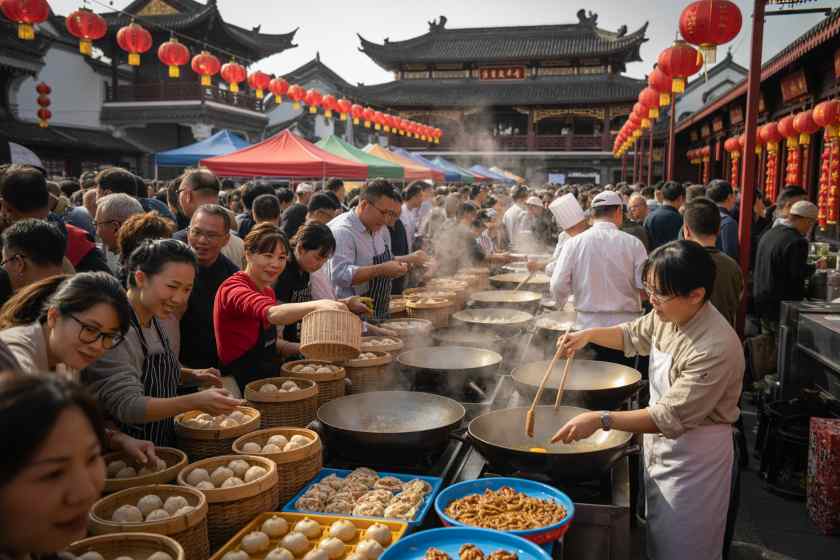 A Journey Through Distinctive Culinary Traditions from Guizhou to Thailand">

Discovering the Culinary Tapestry of Guizhou and Thailand
The journey from Guizhou, a culturally rich province in China, to the colorful culinary landscape of Thailand reveals a fascinating array of flavors and food traditions that reflect centuries of history and diverse cultural influences. Both regions offer unique tastes shaped by their environment, ethnic groups, and time-honored cooking methods, making this exploration a true culinary adventure.
Guizhou: A Melting Pot of Miao and Local Flavors
Guizhou is home to a significant population of the Miao people, an ethnic group known for its vibrant culture and distinctive cuisine. The Miao, along with other ethnic minorities in Guizhou and surrounding provinces like Sichuan, Yunnan, and Guangxi, maintain traditional cooking practices that emphasize balance and harmony—a principle deeply rooted in Chinese culinary philosophy.
The cuisine of Guizhou reflects this blend vividly through dishes that integrate locally sourced ingredients such as corn, rice, mushrooms, bamboo shoots, and various wild herbs. The cooking techniques often involve smoking, frying in animal fats, and the use of pungent spices and fermented products that create bold and spicy flavors typical to the region.
Characteristics of Guizhou Cuisine
- Use of corn and rice as staple grains, reflecting agricultural practices in the mountainous terrain.
- Emphasis on hot and sour flavors, balancing heat with acidity to awaken the palate.
- Fermentation and smoking techniques, common in preserving meats and vegetables.
- Ceremonial and communal eating customs, often involving animal sacrifice and shamanic rituals that highlight cultural ties between food and spirituality.
Thailand: A Symphony of Taste and Tradition
Moving south, Thailand’s culinary scene boasts an equally rich heritage but approaches food with a different palette—bright, aromatic herbs, fresh seafood, tropical fruits, and a harmonious blend of sweet, spicy, sour, and salty tastes. The country’s northern and northeastern regions, in particular, share some cultural and culinary elements with neighboring regions of China and Laos, further enriching the cross-border culinary dialogue.
Thailand’s bustling street food culture and its famous dishes, such as som tam (papaya salad), tom yum (spicy soup), and sticky rice, display an unmatched variety of flavors designed to satisfy and invigorate. Additionally, the use of fresh ingredients and bold spices reflects the country’s accessibility to fertile lands and rich marine resources.
Highlights of Thai Culinary Practices
| Feature | Description |
|---|---|
| Balance of Five Flavors | Combining sweet, sour, salty, bitter, and spicy elements in a single dish or meal. |
| Fresh Herbs & Spices | Use of ingredients like lemongrass, galangal, kaffir lime leaves, and chilies. |
| Seafood and Tropical Fruits | Signature ingredients that highlight Thailand’s coastal and tropical environment. |
| Communal Eating Culture | Dishes are typically shared among diners to promote social connections. |
The Historical Roots of Culinary Traditions in the Region
Many of the culinary customs found in Guizhou and Thailand today are rooted in ancient agricultural and cultural developments. In Guizhou, the Miao and related groups have long practiced shifting cultivation, growing staple crops like maize and rice on hill slopes, which informs their dietary staples. The relationship between food and spirituality, reflected in the use of shamans to exorcise spirits and sacrificial offerings, underscores the deep cultural connection to cuisine.
Thai cuisine, on the other hand, evolved through centuries of external influences—from Indian and Chinese traders to neighboring Southeast Asian communities. The result is a cuisine that elegantly marries influences yet holds steadfast to its unique identity, particularly through its vibrant street food culture and seasonal festivals featuring traditional dishes.
The Philosophy Behind the Flavors
Both areas share a philosophical approach to food that emphasizes balance and harmony. In traditional Chinese thought, especially among ethnic groups like the Miao, food is not just sustenance but a way to balance the body’s hot and cold energies and maintain health via dietary choices aligned with Taoist principles. Meanwhile, Thai cuisine’s focus on balancing five fundamental flavors in every meal captures a similarly holistic approach to nourishment and sensory delight.
Looking Ahead: Culinary Tourism and Its Growing Appeal
As global travel continues to rebound and expand, culinary tourism in both Guizhou and Thailand is becoming an increasingly attractive prospect for adventurous travelers. The regions’ unique and deeply traditional cuisines offer more than just meals—they present immersive cultural experiences that invite visitors to understand history, ethnic identities, and local ways of life through their taste buds.
For travelers seeking authenticity, the fusion of indigenous ingredients and time-honored preparation methods enriches the appeal of these destinations. The growth of gastronomic tours, local food markets, and cooking classes in both China’s southwestern provinces and Thailand’s vibrant cities points to a promising future where culinary exploration becomes a key component of sustainable, cultural travel.
Tourism Forecast Table
| Aspect | Guizhou | Thailand |
|---|---|---|
| Atracție principală | Ethnic cuisine and cultural festivals | Street food and tropical flavors |
| Culinary Experience | Traditional Miao cooking, spice blends | Diverse dishes from regional and coastal areas |
| Tourist Growth Expectation | Rising, with focus on cultural authenticity | Stable and expanding with international appeal |
| Provocâri potențiale | Accessibility and infrastructure | Sustainability and overtourism |
Culinary Adventures on the Water: Sailing and Exploring Regional Flavors
For those passionate about navigație and marine adventures, the rich culinary traditions of places like Guizhou and Thailand offer intriguing opportunities. Thailand, in particular, with its extensive coastline, clear waters, and bustling marinas, is a hotspot for boating enthusiasts. A sailing trip along the Thai coast allows travelers to dive into the local cuisine, exploring seaside markets, fresh seafood, and unique dishes in coastal towns and islands.
Renting a iaht or a charter boat provides not only a chance to enjoy the sun and sea but also to discover hidden culinary gems from a new vantage point — whether on an island beach or a charming fishing village. The experience combines the thrill of boating with the pleasure of authentic food, making culinary tours at sea an exciting trend in tourism.
How Culinary Tourism Enhances the Sailing Experience
- Access to remote culinary destinations: Small coastal villages and island communities with distinct food cultures can be reached easily by boat.
- Fresh local produce: Sailing routes often pass through regions known for seafood and local specialties that are best enjoyed fresh.
- Customized cultural stops: Yacht charters allow for flexible itineraries that can be tailored to include visits to food festivals, local markets, and cooking classes.
Exploring the diverse gastronomic landscapes while on a boat offers a multi-sensory adventure where the taste of the sea complements the flavors on the plate. This fusion of food and sailing enriches any travel experience with a sense of discovery and indulgence.
In conclusion, the culinary heritage stretching from Guizhou to Thailand showcases the power of food as a cultural bridge. The vivid contrasts and shared philosophies found in these regions highlight the role of food in preserving identity and attracting visitors worldwide. Thailand’s position as a leading marine and culinary destination makes it particularly appealing for boaters and sailors eager to combine water-based activities with authentic food discovery. For those preparing to explore these destinations from the deck of a sailing yacht or a charter boat, the promise of rich flavors and unforgettable experiences awaits.
For travelers passionate about both the taste of global cuisines and the call of the sea, the international marketplace for renting sailing boats and yachts GetBoat.com offers an excellent way to plan such excursions. Whether seeking a superyacht or a small sailing boat, this platform provides options to match every taste and budget, enabling seamless access to the world’s most inviting waters and culinary hotspots.