


 Română
  English (UK)
  Русский
  العربية
  日本語
日本語  한국어
한국어  Magyar
  Türkçe
  Español
  Čeština
  Svenska
  Português
  Ελληνικά
  Suomi
Suomi  Nederlands
  Italiano
  Français
  Polski
  Українська
  Deutsch
  简体中文
简体中文  Slovenčina
  Navigation Lights Rules for 12–20 m Sailboats – A Practical Guide for Boat Owners">

Verificați luminile de navigație înainte de a opera pe timp de noapte. Folosește o lanternă portabilă pentru a verifica dacă fiecare lampă este afișat clar și din față și behind, și că fasciculul atinge valoarea așteptată. vizibilitate pe parcursul apei deschise. Păstrați o listă de verificare separată și verificați dacă nimic nu blochează luminile de deasupra punții, pentru a nu interpreta greșit semnalele când sunteți operating în viteză. Această verificare rapidă face ca intenția dumneavoastră să fie evidentă pentru alte ambarcațiuni și îmbunătățește siguranța pentru toate ambarcațiunile care împart același spațiu acvatic.
Pentru majoritatea ambarcațiunilor cu vele de 12–20 m care navighează pe timp de noapte, montați un lumină laterală roșie de babord și o lumină laterală verde de tribord separate, precum și o lumină albă de pupa. Lumina albă de catarg din față devine obligatorie doar pentru ambarcațiunile cu vele de 20 m sau mai lungi; ambarcațiunile sub 20 m folosesc setul de bază, cu excepția cazului în care regulile locale specifică altfel. Montați toate luminile deasupra punții și mențineți lentilele curate, astfel încât semnalele să fie clar vizibile pentru ambarcațiunile care se apropie și pentru bărcile din apropiere.
Dacă intenționați să ancorați pe timp de noapte, adăugați o lumină albă de ancoraj, vizibilă 360 de grade, și separați-o de luminile folosite în timpul deplasării. Când sunteți în deplasare, bazați-vă pe setul standard de trei lumini pentru a comunica direcția și viteza ambarcațiunii către alte nave; testați configurația de la distanță pentru a vă asigura că luminile through spray sau întuneric rămân clar afișat.
Regulile nautice accentuează separația clară a luminilor pentru a evita confuziile. Secvența roșu-alb-roșu despre care s-ar putea să auziți nu este o configurație standard de navigație pentru ambarcațiuni cu vele de 12-20 m; poate apărea în anumite contexte de semnalizare sau în ghiduri regionale, dar nevoile dumneavoastră principale sunt perechea de lumină laterală roșie și verde cu o lumină albă la pupa, plus o lumină de catarg numai dacă ambarcațiunea dumneavoastră atinge pragul de lungime. Folosiți semnalele adecvate și tratați o lanternă de mână ca pe o rezervă, nu ca pe un înlocuitor pentru luminile de navigație fixe.
Menține-ți sistemul cu o rutină anuală simplă: inspectează claritatea lentilei, confirmă integritatea montării și testează sursa de alimentare în timp ce barca este pe uscat sau la doc. Pentru utilizatorii de bărci mici și pentru velierele mai mari, verifică vizibilitatea din mai multe unghiuri și asigură-te că sistemul funcționează fiabil atunci când navighezi pe timp de noapte. Această rutină informează ambarcațiunile și bărcile cu care împarți apa și previne surprizele în timpul operațiunilor nautice deasupra corpului ambarcațiunii.
Reguli practice esențiale privind luminile de marș pentru veliere de 12–20 m
Aprinde toate luminile de navigație înainte de a te deplasa: lumini roșii de babord, lumini verzi de tribord și o lumină albă în vârful catargului plus o lumină albă la pupa. Acestea afișează culorile corecte și sunt menținute suficient de sus deasupra punții pentru a rămâne vizibile prin vele, oferind celorlalte nave un semnal clar de direcție.
Poziționarea și înălțimea contează. Montează luminile laterale la aproximativ 1,2–1,6 m deasupra punții, cu lumina de top a catargului în vârful catargului la aproximativ 8–14 m deasupra apei, pe ambarcațiuni tipice de 12–20 m, iar lumina de pupa aliniată cu linia centrală a pupa. Asigură-te că luminile sunt deasupra umbrei lungi a corpului navei, astfel încât să nu fie blocate în spatele velelor sau a sistemului de prindere, ceea ce te ajută să rămâi vizibil pentru cei din spate și din față.
Puterea, comutatorul și testarea te mențin în siguranță. Folosește un comutator dedicat pentru a selecta iluminatul pe apă și evită descărcarea altor circuite. Testează întotdeauna luminile pe timp de zi și din nou la amurg și poartă cu tine o baterie de rezervă sau un backup încărcat. Dacă ai o lumină de ancoră tip sferă, asigură-te că nu blochează luminile de navigație atunci când ridici sau cobori echipamentul. Dacă nu ești sigur, efectuează un test rapid înainte de plecare pentru a confirma că toate culorile și intervalele sunt corecte.
Vizibilitatea și distanțele contează. Pe majoritatea velierelor de 12-20 m, luminile laterale și lumina de pupa au o vizibilitate tipică de aproximativ 2 mile marine în condiții bune, în timp ce lumina de catarg poate atinge aproximativ 3 mile marine. Pe apele interioare, aceste intervale sunt adesea limitate la aproximativ 2 mile marine. Lăsând deoparte milele marine, vremea, înălțimea observatorului și condițiile de lumină afectează distanța, așadar verifică-ți configurarea într-o noapte senină cu un ajutor într-o locație măsurată pentru a confirma.
Interacționează cu canotorii și alte ambarcațiuni mici. Când întâlnești canoe, ambarcațiuni cu vâsle sau ambarcațiuni cu rame, lasă-le spațiu larg și menține velele ajustate pentru a evita blocarea vizibilității lor. Este posibil ca aceste ambarcațiuni să nu aibă lumini, așa că trebuie să te bazezi pe propria ta vizibilitate și pe o distanță sigură. Rămâi cu ele până la locația lor sau depășește-le pe tribord, dacă este posibil, apoi reia-ți cursul. Aceste manevre necesită viteză redusă și vizibilitate clară, astfel încât fiecare ambarcațiune să fie conștientă de poziția celeilalte pe tot parcursul apropierii, chiar și atunci când sunt aproape de traiectoria ta.
| Situație | Lumini necesare (12–20 m) | Tips |
|---|---|---|
| Deplasare în curs pe timp de noapte. | Lumini laterale (roșu/verde) + lumina albă de catarg + lumina albă de pupa | Verifică dacă culorile se afișează corect; menține luminile deasupra velelor; folosește întrerupătorul pentru a confirma funcționarea înainte de a părăsi docul. |
| Întâlnire cu ambarcațiuni cu padelă sau canoe | Lumini laterale + lumină de top + lumină de pupa | Măriți distanța; reduceți viteza; vâslașii pot fi în spate sau alături de dumneavoastră – urmăriți-le padelele și mențineți vizibilitatea. |
| În apele interioare | Lumini laterale + lumină de top + lumină de pupa | Așteptați-vă la o distanță de vizibilitate mai mică (aproximativ 2 Mm); fiți atenți la ambarcațiunile mici și la canalele puțin adânci. |
| Spații închise sau vizibilitate redusă | Toate luminile standard + lumină suplimentară albă pe punte, dacă este permis. | Menține o linie vizuală clară; evită să blochezi luminile cu linii sau echipament; schimbă cursul pentru a trece pe tribord când întâlnești alte nave. |
Cerinte luminoase în timpul deplasării: Lumina de catarg, luminile laterale și lumina de pupa
Recommendation: Instalați un pachet de lumini de navigație gata de utilizare înainte de fiecare călătorie: lumină albă de catarg în vârful catargului, lumini laterale roșii babord și verzi tribord la prova și o lumină albă la pupa pe traversă. Utilizați LED-uri de calitate marină cu un circuit de alimentare dedicat, astfel încât o defecțiune în sistemul principal să nu diminueze semnalele. Această configurație se potrivește ambarcațiunilor cu vele din intervalul 12-20 m și iahturilor mari deopotrivă și acoperă atât ambarcațiunile cu vele, cât și cele cu motor care împărtășesc limbajul de semnalizare.
Configurație și înălțimi: Lumina de catarg este poziționată mai sus decât luminile laterale și pupa, fiind prima vizibilă pentru navele care se apropie. Luminile laterale arată roșu pe babord și verde pe tribord, cu un arc care acoperă părțile din față. Lumina de pupa rămâne în spate, diminuând strălucirea din față. Asigurați-vă că lentilele sunt curate, carcasele etanșe și cablajul protejat de stropi. Accesul manual pentru verificări rapide este practic, mai ales pe o coca neagră unde luminozitatea trebuie să străpungă strălucirea.
Culoare și vizibilitate: O carenă întunecată ajută luminile să iasă în evidență; țintește spre o luminozitate ridicată, dar evită strălucirea în ochii ocupanților. În unele opțiuni de afișare, roșu-alb-roșu poate apărea într-un modul compact, dar standardul rămâne roșu pe babord, verde pe tribord și alb pentru catarg și pupa. Pentru treceri lungi pe mare, verifică dacă semnalele rămân clar vizibile în ploaie și stropi.
Operațiuni și pregătire: În timpul deplasării, aceste semnale arată cum vă deplasați și încotro sunteți orientat. Sunt vizibile pentru alte ambarcațiuni și bărci cu motor și vor ajuta la prevenirea coliziunilor. Păstrați un felinar tip glob ca rezervă; dacă apare o defecțiune, înlocuiți becul sau siguranța în câteva minute. Folosiți un comutator manual pentru a activa luminile cu ușurință; testați la amurg și după întuneric. Dacă ancorați, respectați regulile pentru luminile de la ancoră și verificați din nou dacă echipamentul de pe punte nu blochează semnalul.
Sfaturi de întreținere: Inspectați lentilele pentru claritate, verificați înălțimea de montare și asigurați-vă că bateria sau alimentarea solară rămân încărcate. Dacă vă aflați într-un port aglomerat sau într-o zonă turistică, mențineți toate luminile îndreptate și curate, astfel încât ocupanții altor nave să vă vadă clar. Testarea și întreținerea consecvente vă mențin vizibil pe mare.
Poziționare, culoare și vizibilitate: Ce trebuie să indice fiecare lumină
Instalați setul complet de lumini și testați-l la apus pentru a vă asigura că luminile respective respectă regulile și că ocupanții și alte ambarcațiuni sunt ușor de văzut pe apă. Luminile respective trebuie plasate bine, orientate corect și menținute curate, astfel încât să ilumineze fiecare arc și culoare necesare, chiar și în condiții de vizibilitate redusă.
- Lumina laterală babord (roșie) – amplasare și vizibilitate Lumina roșie este situată în partea stângă (babord), montată suficient de sus pentru a fi văzută peste carenă și echipamentul de pe punte. Ar trebui să acopere jumătatea din față a părții stângi a navei în arce pe care celelalte nave le observă din față și lateral. Această culoare identifică imediat navele care se apropie dinspre babord, ajutând la menținerea clarității în situațiile de întâlnire.
- Lumina verde de tribord (dreapta) – amplasare și vizibilitate Lumina verde se află pe partea dreaptă (tribord), montată în oglindă față de lumina roșie de babord. Trebuie să fie vizibilă pe arcuri largi, astfel încât navele care vin din față sau din dreapta să vă poată evalua rapid poziția și cursul, facilitând interacțiunile pe apă.
- Lumina de top (albă) – amplasare și scop O lumină albă puternică, instalată la sau lângă catargul din față, îndreptată pentru a ilumina emisfera frontală și lateralele. Această lumină îi ajută pe cei care se apropie din față să recunoască starea de navigație a ambarcațiunii dumneavoastră și vă ajută să fiți văzut când vă întâlniți frontal sau când intersectați traficul.
- Lumină de pupa (albă) – amplasare și scop O lumină albă montată la pupă, vizibilă pentru navele care se apropie din spate. Completează acoperirea de 360° când sunteți în mișcare, asigurându-vă că sunteți văzut din spate și de-a lungul arcului din spate.
- Lumină combinată sau multifuncțională (pentru ambarcațiuni cu sau fără propulsie) – utilizare și amplasare Dacă te bazezi în principal pe propulsia cu vele sau ai o configurație mică, fără motor, folosește un felinar combinat sau o lumină albă circulară, astfel încât să rămâi vizibil din orice direcție. Amplasarea acestuia ar trebui să fie suficient de înaltă pentru a evita umbrele de pe coajă și pentru a fi văzut atunci când alte nave sunt în fața sau în spatele navei tale.
- Lumina de ancoră și semnele diurne – când staționează Pe timp de întuneric, afișați o lumină albă de ancorare (vizibilă 360°) dacă sunteți ancorați. Pe timp de zi sau când nu sunteți în marș, afișați un semn diurn: o bilă pe catarg pentru a semnala ancorarea. Acest lucru ajută ambarcațiunile care vă întâlnesc în ape aglomerate să vă cunoască starea de la distanță.
- Sfaturi de vizibilitate – menținerea eficienței luminilor Păstrați lentilele curate, verificați periodic becurile sau LED-urile și înlocuiți prompt unitățile defectuoase. Mențineți luminile corect direcționate și departe de iluminatul intens de pe țărm, pentru a evita strălucirea care le-ar putea estompa arcurile. Pentru pasaje lungi sau aglomerate, verificați dacă fiecare lumină obligatorie rămâne aprinsă și dacă culoarea sa este corectă pe acele nave vechi și familiare pe lângă care treceți în timpul navigației.
- Cazuri speciale – iahturi, manevrabilitate restrânsă și operare pe timp de noapte Unele iahturi și ambarcațiuni cu capacitate de manevră limitată necesită semnale suplimentare în scenarii specifice. În aceste cazuri, adăugați sau ajustați luminile, astfel încât cei din jur să vă poată întâlni ușor și în siguranță, mai ales când condițiile se înrăutățesc după apusul soarelui sau în timpul unui pasaj lung prin ape aglomerate.
- Mentalitatea de conformitate - ce să verifici înainte de plecare Înainte de a părăsi o marină sau de a intra pe culoare aglomerate, asigură-te că luminile roșii, verzi și albe apar corect pe toate părțile, că luminile de catarg și pupa sunt vizibile din unghiurile dorite și că orice semnale de ancoră sau de formă diurnă sunt pregătite dacă intenționezi să te oprești într-un golf protejat. Această abordare menține ocupanții și alte ambarcațiuni într-o înțelegere comună a statutului tău pe apă.
Situații speciale: Vizibilitate redusă, depășiri și situații de traversare
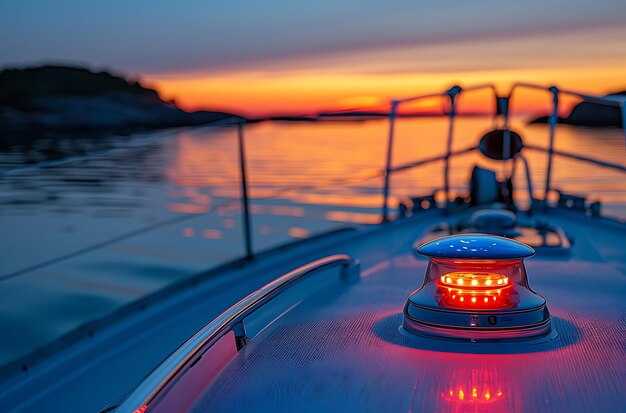
Afișați imediat lumini de bord roșie babord și verde tribord, împreună cu o lumină albă de pupa în condiții de vizibilitate redusă; folosiți un lantern combinat la nivelul punții, lângă catarg, dacă este disponibil, pentru a afișa toate aspectele necesare. Mențineți viteza la minimum necesar pentru a menține controlul sigur și un curs clar și asigurați-vă că luminile sunt afișate clar deasupra oricărui echipament sau vele.
În astfel de condiții, mențineți o observație atentă și folosiți semnale sonore atunci când este cazul. Comutați la un plan de iluminare practic, care menține vizibilitatea ambarcațiunii dumneavoastră pentru traficul care se apropie la răsărit și la apus, când lumina din spate poate obscura părțile laterale. Asigurați-vă că scoicile, resturile sau alte echipamente de pe punte nu blochează vizibilitatea luminilor; ar trebui să afișați în continuare o lumină albă de pupa clar vizibilă în timp ce manevrați în apropierea altui trafic.
Depășire necesită comunicare clară și spațiu. Nava care depășește trebuie să se mențină la distanță de nava depășită și poate trece pe oricare parte, alegând ruta cea mai sigură. Anunță-ți intenția cu un sunet scurt și ajustează-ți cursul pentru a trece la o distanță sigură, de preferință pe partea care păstrează vizibilitatea luminilor tale pentru nava depășită. Dacă ești nava depășită, menține-ți cursul și viteza până când cealaltă navă a trecut; apoi reia-ți cursul inițial.
Când treci de la vele la navigație cu motor, afișează configurația combinată utilizată pentru propulsie mecanică, inclusiv luminile de marș și lumina de pupa, astfel încât traficul din apropiere să înțeleagă viteza și intenția ta actualizate. Acest lucru ajută ambarcațiunea ta mică să rămână vizibilă în condiții de semi-întuneric și evită surprizele pentru traficul din apropiere tribord sau aproape de pupa ta.
Situații de traversare depind de regulile de prioritate. Dacă o altă navă se află pe partea dumneavoastră tribord, sunteți nava care cedează și trebuie să schimbați cursul pentru a evita o coliziune sau să reduceți viteza la niveluri minime de siguranță până când puteți trece în siguranță. Dacă cealaltă navă se află pe partea dumneavoastră babord, sunteți nava care menține direcția și ar trebui să vă mențineți cursul și viteza, cu excepția cazului în care devine necesar să luați măsuri pentru a preveni coliziunea.
În practică, mențineți luminile de nivel ale punții aprinse tot timpul și asigurați-vă că o carenă neagră sau o punte cu contrast scăzut nu împiedică recunoașterea luminilor laterale. În condiții de vizibilitate limitată sau lumină slabă, bazați-vă pe echipamentul pe care îl utilizați – lumini laterale, lumină de pupa și un catarg sau un felinar combinat – pentru a comunica clar cursul și viteza dvs. către cealaltă navă, astfel încât deciziile dvs. – fie să schimbați, să mențineți direcția sau să virați – să fie înțelese imediat.
Configurare Electrică și Verificări Zilnice: Baterie, Instalație Electrică și Integritatea Becurilor
Verificați toate luminile de navigație înainte de plecare și confirmați că fiecare circuit afișează luminozitatea adecvată pe ape; asigurați-vă că tricolorul roșu-alb-roșu al catargului este vizibil de pe toată puntea și prin cabină, cu aranjamentul vertical lizibil pe măsură ce priviți în sus către arboradă.
Folosește această rutină zilnică practică pentru a menține gestionarea bateriilor, starea cablajelor și integritatea becurilor în parametri optimi, pentru o navigare sigură cu motor și cu vele în general, în apropierea locurilor de pescuit și a recifelor unde vizibilitatea contează.
-
Starea bateriei și încărcare
- Evaluare starea și capacitatea bateriei: identificați tipul (AGM, GEL, cu electrolit lichid), notați vechimea și efectuați o verificare a tensiunii de repaus (ar trebui să fie peste ~12,4 V). Dacă o unitate cu electrolit lichid descărcată prezintă niveluri scăzute ale electrolitului, remediați problema înainte de călătorii lungi; pentru opțiunile Li-ion, bazați-vă pe procedurile de echilibrare ale producătorului. Pentru pasaje mai lungi, planificați o rezervă mai mare și evitați descărcările profunde.
- Mențineți încărcarea cu un încărcător de uz maritim: setați la tensiunile corecte de bulk/absorbție (tipic 13,6–14,4 V pe un sistem de 12 V) și comutați la float când e plin. Dimensionați încărcătorul pentru a acoperi sarcina totală de la electronice, iluminat și orice sistem de răcire; monitorizați căldura în timpul încărcării pentru a preveni supraîncălzirea în spațiile cabinei.
- Ventilație și locație: păstrați bateriile într-un dulap ventilat sau într-un compartiment dedicat; asigurați-vă că firele sunt departe de surse de căldură și umezeală; folosiți o plăcuță etichetată pentru a indica locația întrerupătorului principal și a magistralei de baterii pentru acces rapid în caz de urgență.
-
Cablare și conexiuni
- Inspectați toate cablurile pentru coroziune, terminale slăbite, izolație crăpată și semne de frecare; curățați coroziunea cu o soluție de bicarbonat de sodiu și protejați cu vaselină dielectrică de calitate marină după reasamblare. Folosiți îmbinări etanșate cu tub termocontractabil sau conectori impermeabili pe traseele exterioare.
- Siguranțe și protecție: verificați dacă siguranțele inline sau întrerupătoarele automate corespund sarcinii estimate; păstrați siguranțe de rezervă la bord și etichetați fiecare circuit cu scopul său, pentru verificări rapide prin ușa cabinei sau lângă panou.
- Rutarea și fixarea: treceți cablurile de-a lungul compartimentelor etanșe sau sub tăvi structurate, departe de piesele în mișcare și de căldura motorului; treceți prin compartimentele etanșe cu garnituri, nu prin găuri goale; mențineți cablajul ordonat în toată cabina pentru a preveni împiedicările și pentru a permite o inspecție rapidă de către proprietari în timpul verificărilor zilnice.
- Accesibilitate: plasează echipamentele esențiale, cum ar fi comutatorul bateriei, panoul de control și blocul de siguranțe, la îndemâna din cabină și cockpit – acest lucru ajută la conștientizare în timpul schimbărilor de balast sau pe mare agitată.
-
Verificarea integrității și a funcționării becurilor
- Inspectați fiecare lumină de navigație și lumina de pe catarg: verificați dacă babordul (roșu), tribordul (verde), pupa (alb) și orice felinar tricolor funcționează; pentru un aranjament tricolor, asigurați-vă că segmentele verticale roșu-alb-roșu se aprind clar și sunt aliniate pentru vizibilitate pe punte și pe apă.
- Compară LED-urile cu opțiunile incandescente: LED-urile consumă mai puțin curent și mențin luminozitatea mai mult timp; dacă folosești becuri incandescente, poartă rezerve și verifică starea filamentului înainte de pasaje lungi; asigură-te că folosești unități sigilate în corpurile de iluminat exterioare pentru a rezista la stropi și aero-stropi în timpul stropirii sau ploii.
- Îngrijirea lentilelor și montarea: curățați lentilele cu o cârpă moale și un detergent delicat; asigurați-vă că suporturile sunt bine fixate și etanșe; înlocuiți orice lentile decolorate sau crăpate pentru a menține o vizibilitate clară în lumină slabă sau ceață.
- Testare la sarcină: cu toate luminile aprinse, verificați dacă tensiunea bateriei rămâne peste un prag sigur; dacă tensiunea scade rapid, investigați conexiunile slăbite, bornele corodate sau un circuit subdimensionat; luați în considerare circuite dedicate pentru luminile esențiale pentru a minimiza căderea de tensiune în timpul croazierei sau al ancorării.
-
Verificări zilnice și bune practici
- Lista de verificare de dimineață: măsoară tensiunea grupului de baterii cu un multimetru, confirmă că siguranțele sunt intacte și confirmă că toate corpurile de iluminat fixe rămân sigure; inspectează cablajele pentru frecare sau umezeală în jurul compartimentelor etanșe și de-a lungul planeului cabinei.
- Conștientizare operațională: repetiți funcționarea luminilor în timpul mersului mixt (motor și velă) sau când vă apropiați de alte ambarcațiuni; asigurați-vă că luminile sunt aprinse în condiții de vizibilitate redusă și în timpul deplasărilor prin canale, în apropierea zonelor de pescuit sau de-a lungul rutelor aglomerate.
- Conștientizarea locației: păstrați un panou mic, vizibil, lângă componentele electronice, care să indice locația principală a bateriei, poziția întrerupătorului principal și schema circuitelor; acest lucru ajută proprietarii să reacționeze rapid dacă apar probleme electrice în timp ce se află la bordul ambarcațiunii, menținând controlul asupra acesteia.
- Ține evidența: menține un jurnal simplu al stării bateriei, setărilor încărcătorului și datelor de înlocuire a becurilor; un jurnal mai detaliat ajută la călătorii mai lungi și reduce riscul unei defecțiuni neașteptate la traversarea apelor deschise sau la navigarea prin pasaje înguste.
Fiind proactiv cu o configurație electrică adecvată, verificări zilnice și o înțelegere clară a nevoilor de iluminare ale fiecărei ambarcațiuni, îmbunătățiți vizibilitatea și siguranța tuturor celor de la bord – indiferent dacă navigați cu vele, cu motor în canale înguste sau vă deplasați între ambarcațiuni într-o după-amiază calmă, în ape unde pot fi prezente și alte ambarcațiuni.
Conformitate la bord: Liste de verificare, documentație și program de întreținere
Implementați imediat o listă de verificare săptămânală a conformității la bord și înregistrați-o imediat după fiecare cursă. Asigură-te că jurnalul este accesibil întregului echipaj. Păstrează jurnalul într-un dosar impermeabil sau într-o aplicație dedicată, accesibilă pentru they și întreaga echipă. Fiecare intrare înregistrează data, voiajul, vremea și dacă luminile, lanternele, vestele de salvare și echipamentul de siguranță au trecut testul; verificați înainte de plecare și după apusul soarelui pentru a confirma pregătirea. Lista de verificare ar trebui să fie concisă, astfel încât să o puteți finaliza în mai puțin de cinci minute, chiar și atunci când echipajul este ocupat.
Documentația pe care ar trebui să o menții include înregistrarea statală, licența radio, asigurarea și certificatele de inspecție curente. Notați datele de expirare pentru rachete de semnalizare, colaci de salvare și alte echipamente de siguranță. Păstrați copii într-o locație cunoscută, cu un index de referință rapidă. источник de reguli stă la autoritatea maritimă locală; consultați portalul oficial pentru apele dumneavoastră pentru a rămâne aliniați cu utilizarea pavilionului și cerințele de lumini de navigație pentru o operațiune cu ambarcațiuni mici, inclusiv canoe și echipaje de canotaj. Dacă întâlniți alte nave, interpretați semnalele și ajustează-ți distanța pentru a te menține la o distanță sigură de traiectoria lor.
Maintenance schedule divides into daily, weekly, monthly, and annual tasks. Daily: verify battery level, test navigation lights, and check bilge status; ensure proper operation of the stern light and masthead light. Weekly: test lights at dusk or sunset, verify the stern light is visible behind you, and inspect sails, lines, winches, and rigging. Monthly: inspect rigging, halyards, anchors, and chain; examine safety gear; ensure the lantern on deck remains clear and above the rail; check radar display if installed. Biannual: service nonpowered gear such as PFDs, throwable aids, and rescue lines; refresh spare parts and verify the VHF radio setup. Annual: verify all safety equipment and expiry dates, inspect for wear around the mast and rigging, and review your signaling and interpretation approach for low-visibility waters.
During on-water checks, perform a quick signal review at sunset and keep distance from other vessels. Maintain away from canoes and rowing teams, staying aware of their path and your own vision line. If you use a tricolour or red-white-red lighting pattern, interpret it according to local state rules and display requirements to avoid wrecks and collisions, especially when your small-boat or nonpowered gear is near their path. Ensure your sails stay secured and your crew stays safe with a practical, united approach to operating in all conditions above and below deck.