


 Română
  English (UK)
  Русский
  العربية
  日本語
日本語  한국어
한국어  Magyar
  Türkçe
  Español
  Čeština
  Svenska
  Português
  Ελληνικά
  Suomi
Suomi  Nederlands
  Italiano
  Français
  Polski
  Українська
  Deutsch
  简体中文
简体中文  Slovenčina
 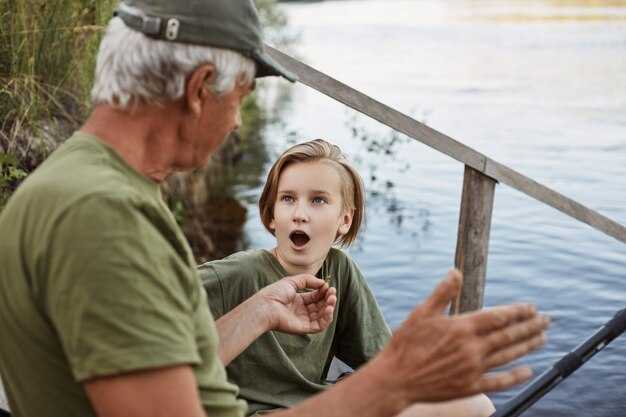 How to Take a Kid Fishing – 10 Essential Tips You Need to Know">

Pick a nearby freshwater spot along your county’s shoreline and keep the day simple: one goal, a snack, and a short lesson using handouts to boost education. This setup helps maintain focus and creates a positive start for both kid and adult.
Equip a lightweight rod with a few bobbers and a simple line so the child can track every movement. Explain the basics in one clear shot, then step back and let them try; the aim is catching, not perfection, and the pace should stay comfortable in your region. This approach is an excellent way to build confidence.
Keep safety at the top: life jackets for kids, sunscreen, water, and a quick plan to leave if storms roll in. This education-driven approach addresses the need for clear guidance without turning into a lecture.
Show a simple casting technique and let the youngster practice. Use a plain hook and a single bait to reduce risk and confusion. When the bobber dips, celebrate the moment and guide them through the next step.
Tell them what kind of fish are common there: catfish, sunfish, bass in many regions, and what gear works best for each. Having options helps the kid stay engaged and reduces frustration when a specific catch doesn’t happen.
Bring educational handouts with simple diagrams, vocabulary, and kid-friendly tips. Review them together after each bite or miss so learning sticks and there is something to take home for gramps and family.
Pack a light snack, extra water, a small first-aid kit, and a spare line or two. Leave with a plan to try again soon; the memory can become a favorite activity and a dependable option for weekend family time.
After the outing, spend a quick debrief: what worked, what to tweak next time, and which species sparked the most interest. With consistent practice, a kid builds confidence, and a simple family routine grows from this experience.
How to Take a Kid Fishing: 10 Key Tips You Need to Know; – Find a KFE
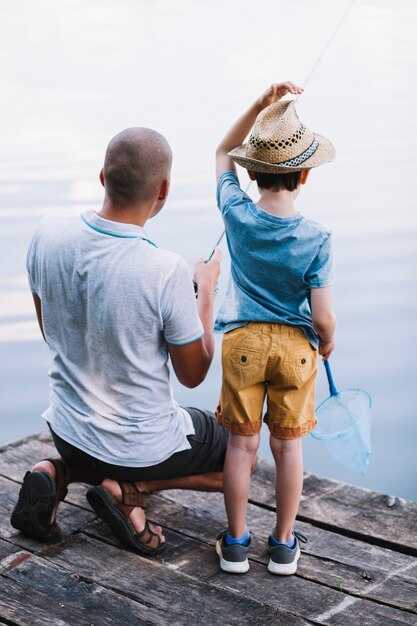
Plan a 2-hour trip in calm, shallow water near shore and use a simple rod setup with one hook and a bobber to maximize catching for childs and participants.
-
Location and timing: choose a specific, kid-friendly spot near shore. Locate a shallow area with structure to attract fish, such as weed lines, pilings, or rocks. Have a couple of nearby access points in mind and pick the best on arrival. For summer, target a morning or late afternoon when activity is high and sun is moderate.
-
Gear and rig: use a light-action rod, 4-6 lb test line, a small hook size 8-10, a bobber, and a short weight. Keep the setup simple so childs can focus on casting and watching the line. A single lure or bait type minimizes confusion and speeds up learning.
-
Safety first: require life jackets for all participants, pack sunscreen, hats, water, and a quick weather check. If using boats, ensure PFDs are worn and movements stay within safe zones.
-
Casting basics: introduce a simple casting motion, keep the rod tip high, and aim at a visible target a few meters away. Let the child practice in steps, and praise each try to build confidence.
-
Bait and catching approach: use straightforward options such as worms or small minnows. Keep the line and hook visible to help them learn the connection between bite and movement. When a bite happens, celebrate even a small catching attempt.
-
Engagement and participation: assign real tasks like choosing the spot, helping to reel, or adjusting the line. Theyre capable of small decisions, and a couple of simple tasks turn the trip into a hands-on learning moment.
-
Handling fish safely: when a fish is on, guide the child to cradle it gently, remove the hook with care, and decide to release or keep only what local regulations allow. Keep sessions short so the child feels success, not stress, and the moment feels fine.
-
Information sharing: share quick, practical facts about the local fish, feeding times in summer, and signs of activity. This learning within the trip helps childs learn and what they’ve learned stays with them for future trips.
-
Environment etiquette: avoid trampling vegetation, respect other anglers and boats, and keep noise down near busy areas. Staying tidy helps everyone enjoy success and keeps the area available for more trips.
-
Wrap-up and next steps: recap what worked, what didn’t, and set a simple goal for the next trip. Use the gathered information to locate another kid-friendly spot and plan an easy, high‑reward trip that keeps childs interest high.
Kid-focused, beginner-friendly fishing plan
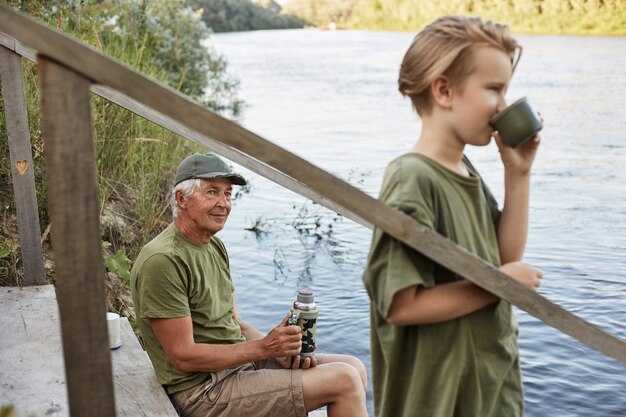
Choose a nearby pond and begin with a simple rig to target bluegill and perch. Use a kid-sized rod, 6-8 lb line, a bobber, a small hook, and live worms; keep the setup easy and manageable. As they cast, talk about what they notice and let them feel the taste of success when a fish bites. Patience matters, and while waiting, keep them engaged with quick questions. A couple of bites will make them interested, and you can give them ownership of the next move. They were excited after the first bite and kept going.
Within this plan, target one species at a time, starting with bluegill and then perch. If bites are down, move to a different edge and talk about what you see below the surface. Keep the pace gentle and entertaining so they stay interested; a couple of quick wins–like a bluegill on the line–make the session feel excellent. On this site, families and customers frequently report kids stay engaged year after year. They were entertained by the tiny successes.
Below is a compact plan that fits a small outing. It uses simple gear and 40-60 minutes of focused time. It gives kids ownership of their learning, keeps the tone friendly, and makes the experience easy to repeat.
| Time | Action | Equipment/Notes |
| 0-10 min | Gear up, safety check, practice a couple of gentle casts | Kid-sized rod, 6-8 lb line, 1/4 oz bobber, #6-8 hook, live worms; pinch worm onto hook |
| 10-25 min | Cast to shallow water; wait for a bite; if down, move to weed edge | Watch bobber; keep line tight; explain why shallow edges attract bluegill and perch |
| 25-40 min | Hook set when you see a bite; land first catch; celebrate | Gentle reel, guide child to reel, tip: keep rod tip up |
| 40-60 min | Review catches, release if needed, plan next session | Container or bucket for kept fish (if allowed); or release; note what worked |
Choose Safe, Accessible Fishing Spots Suitable for Kids
Start at a pond or lakefront with a wide, flat bank, easy parking, and minimal walking. A simple, grassy edge or paved path keeps kids close and reduces slips. Look for shallow water within arm’s reach and a smooth entry so you can set bobbers quickly and keep the group moving.
Assess safety and accessibility from a practical angle: level surfaces, visible water, shade, and nearby benches. Plan a short, direct path from parking to the water, with clear signage or a designated area for gear. If a site offers ADA-friendly features like ramps and railings, mark it as a starting point.
Gear should be lightweight and forgiving: a simple rod, small reel, and bobbers sized for kids. Use bait your child can handle, and keep extra hooks in a labeled container. Handouts from local businesses or sponsors can provide quick safety tips and starter diagrams for knots and casting.
Set up a kid-friendly fishing zone: seat your child beside you, with eyes on the water and hands ready to learn. Begin with short turns of casting and reeling, praise progress, and note each caught fish as a milestone. During a calm stretch, switch to a simple rig or bobber approach to keep momentum going while enjoying the moment.
Safety plan helps families stay focused: bring water, sunscreen, hats, and bug spray. Have a back-up plan if wind rises or water becomes crowded; you can move to a nearby calm pocket without losing momentum. If a kid loses interest, switch to a new thing such as a short walk to observe wildlife or a quick snack break, then return when ready. The goal is a quick, enjoyable experience which leaves everyone wanting more attempts, not a long, exhausting session.
Use Kid-sized Gear: Rods, Reels, Lines, and Tackle
Use a kid-sized combo: a 3-4 ft lightweight rod with a soft action paired to a compact reel. Spool with 6-8 lb test monofilament or fluorocarbon, and choose hooks in sizes #6 to #8. Add a 1/16 to 1/8 oz slip weight or a small bobber to keep rig stable in ponds. Under clear water conditions, bright bobbers help visibility. Tie on hooks with an improved clinch knot to ensure a reliable hold.
Where would you start? Look for kid-sized options at open sections of fisheries stores or online; these are most often labeled for ages 4-12. In the region you fish, ponds and small lakes are likely to host catfish later in the season. A 3-4 ft rod travels easily in the car and stores back in the tackle box after a short session.
Keep the rig simple: one-hook setups work best for beginners. Use a bobber, a small swivel, and a couple of split-shot weights. Practice two reliable knots–the improved clinch knot for bait and a quick backup knot–until handling feels natural. This straightforward approach helps kids control the line and reduces snags near weed beds.
Safety and planning: a parent should supervise, and early wins build positive attitudes. Check local guidelines for ponds and fisheries, and keep planning simple: pick a short spot, set a timer, and rotate through casting, knot tying, and basic fishing steps. At events or camps, informationmaps and posted safety tips guide the day. Some venues offer a certificate or simple safety briefing upon completion. The aim is a steady, positive start that encourages more time on the water, whether a short session or a marathon day.
Back-up gear and maintenance: keep a back-up rig ready and store extra line, hooks, and a spare bobber in the tackle box. Inspect line for nicks and replace as needed; worked setups from earlier sessions tend to stay reliable when you wipe off dirt and dry gear after use.
Teach Simple Casting and Quick Hook-Set Techniques
Begin with a short, smooth cast that lands the lure 6–8 feet from the bank, then wind to a steady, slow pace so the line stays tight within the strike zone. In freshwater ponds and general waters, this approach has been proven to boost confidence and keeps most beginners engaged.
Grip the rod with a relaxed hand, keep the elbow steady, and snap the wrist to load the rod. As the lure travels, watch the line, look for subtle movement, and consider depth and distance to keep the tackle in control and maintain contact with the lure from cast to strike. There is no need to chase extra distance at this stage. This is a key consideration for helping kids stay focused and confident.
Trigger the hook-set with a short, firm lift of the rod tip, then lower the rod to keep pressure on the fish. The move should be quick and compact, so the lure remains moving toward the fish as it bites. Avoid jerky movements that spook fish.
Choose a simple lure that works well for most species and is easy for kids to cast. Use lightweight tackle–a small rod, a compact reel, and 6–12 lb line. Within a few tries, kids will build rhythm, keeping the line taut and the lure on target.
Practice with a group in a safe, calm spot, using facilities such as sheltered ponds or small lakes. There, a helper can guide each child, and you can adjust the pace. If they aren’t ready, slow the pace. Kids need quick feedback to stay engaged. Expect a few misses, but celebrate the hits to reinforce confidence and make each event enjoyable for everyone.
Prioritize Safety: Handling Hooks, Sunscreen, and Hydration
Store hooks in a closed tackle box and keep them away from young children. Use barbless hooks when possible and teach them to stay behind you during setup. Locate a safe on-site workspace, and snap the lid shut when not in use to avoid accidents while doing setup. Do simple checks before each cast, and think about how this makes everyone safer.
Apply SPF 30+ sunscreen to all exposed skin, and reapply every 2 hours or after 20 minutes in direct sun. Dress them with a wide-brim hat and sunglasses, and cover ears, nose, neck, and tops of feet. Keep sunscreen and water within reach on-site so kids stay comfortable during the outing.
Hydration: Bring labeled water bottles for each child and plan for a half-day outing with extra water. Offer a couple of sips every 15-20 minutes during heat and more after active minutes. If you can, add a small electrolyte option diluted with water; water should be the first choice.
Activity rules: locate safe spots along lakes or ponds with open shoreline and level footing. Put at least two adults in charge to supervise, and keep the youngest within arm’s reach. Set simple tasks for them, like handing over line or choosing a lure, but avoid anything that creates a distraction or mess.
During a couple of practice runs on-site, frame each moment as an opportunity to learn about angling and safety. If a child catches a fish, celebrate, then show how to handle the rig without pulling the hook. Move slowly and keep eyes on the line, and stay aware of people moving around the spot.
Make it very clear: treat every hook as a sharp tool and keep your hands away when someone is casting. Use a quick routine after every drift: check gear, reapply sunscreen if needed, and offer a quick drink. A grandfather once taught him to keep calm and explain things in simple terms, which helps children stay focused at lakes and ponds.
Make the Trip Engaging: Short Sessions, Snacks, and Small Wins
Start with planning three 20–25 minute sessions, moving between sites to keep energy high. Split kids into groups, assign each a spot with a simple goal–like a clean cast, identifying bait, or spotting signs of catfish. Tell them what to expect for each block, and track what’s done and what’s next so you can see progress.
Between blocks, offer a 5–8 minute snack break with water and kid-friendly bites. Use this time to check gear, refill coolers, and share handouts with tips for the next site.
Create a simple list of small wins for each kid: first catching, best cast, keeping line moving, being respectful, and helping a buddy. When a win happens, mark it as done and celebrate aloud; thats a moment of high energy for the group.
Move groups every 15-20 minutes to a new spot or site. Rotating keeps attention moving and prevents fatigue. Assign a rotating captain in each group to supervise safety and keep the pace steady.
Being responsible matters: assign roles so every kid has a task, such as helping with gear, guiding others to the next spot, or attending to waste. Never skip safety checks, and rotate the duties to keep your team engaged.
Finish with a concise debrief that lists what went well and what to adjust for future trips. Invite customers to share feedback, note an opportunity to tighten the plan, and log the best sites for catching–catfish included–so your next outing runs smoother. Adults and kids were ready to jump in, and the plan felt doable for every age and skill level.