


 Română
  English (UK)
  Русский
  العربية
  日本語
日本語  한국어
한국어  Magyar
  Türkçe
  Español
  Čeština
  Svenska
  Português
  Ελληνικά
  Suomi
Suomi  Nederlands
  Italiano
  Français
  Polski
  Українська
  Deutsch
  简体中文
简体中文  Slovenčina
 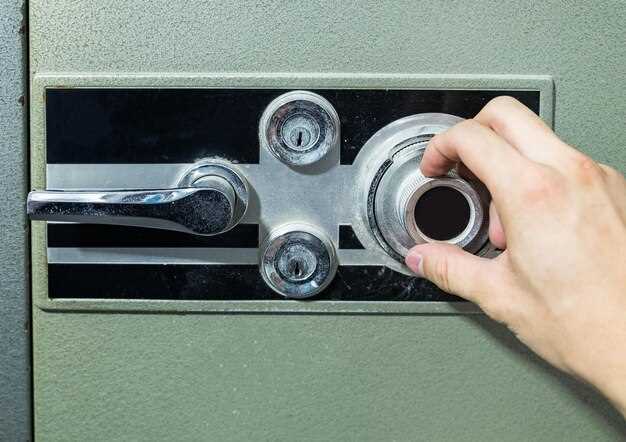 How to Operate Locks – A Comprehensive Guide to Lock Operation">

Always start with a clear, immediate recommendation: verify the middle alignment and ensure the handle travel is smooth before any manipulation. under controlled, deliberate action the mechanism is operated with steady, clockwise or counterclockwise steps, avoiding binds that could cause damage. This is important for safety.
Assess the surroundings: keep away from crowds and water, ensure sufficient lighting in the afternoon, and confirm that anti-vandal housings are intact. If a windlass is part of the system, verify the drum spins freely and the chain engages cleanly. theres no bypass, no loose components, no unexpected movement.
Implement incremental actions: steer the handle with steady, small increments and monitor the effect. If resistance grows, back off and inspect for obstruction. Also ensure there is enough clearance and that any linked components remain filled and aligned; this reduces damage and supports a more predictable response. When engagement shows, continue with similar discipline until ready to proceed to the next stage. movement of the linked parts remains smooth and controlled.
In environments with windlasses, anti-vandal guards, and closure devices, keep crews informed: assign a teammate to monitor pressure and movement, and call for assistance if anything seems off. After use, wipe components and fill lubrication in specified channels; ensure there is no fuel leakage and that seals remain intact. theres no room for compromise when heat rises in the afternoon, as expansion alters fit and triggers extra movement.
Finally, document each session: note what worked more reliably and what should be moved away from distractions. The ready crews can manage the system with confidence, avoiding careless mistakes that could lead to damage or anti-vandal breaches. A quick thank to the crews for attention.
Practical Techniques for Everyday Lock Operation
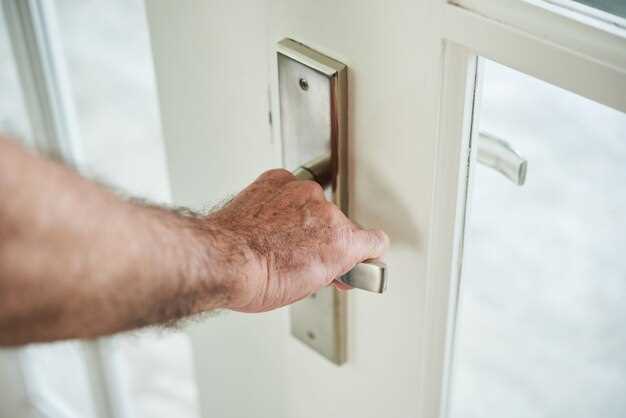
Enter the key fully and apply a smooth, deliberate twist; never force, or you risk binding the middle of the mechanism.
Steps to follow:
- Inspect and clean: check for dust, corrosion, or foreign matter inside the keyway; such debris raises risk of jamming. If you see grime, brush gently and re-oil using engineering-grade lubricant.
- Lubricate lightly: use a small amount of graphite-based or light synthetic oil; usually a drop or two is sufficient; wipe away excess after insertion.
- Align before full engagement: verify the strike plate above the door and the latch tongue align with the keeper; if misaligned, adjust the middle screws slightly.
- Enter and test: insert the key, turn slowly until you feel the mechanism rise into place; if a pound or click is absent, stop and recheck.
- Secure and verify: back off, remove the key, and test by gently pulling on the door to ensure secured engagement; some installations require a secondary latch to hold.
Unwritten practice notes: always watch for abnormal resistance; when a device feels gritty, stop and clean; also, never skip lubrication on weathered hardware.
In boating contexts, keep fenders nearby to avoid impact damage during maintenance or travel; this watchful habit also protects hatches and fittings near a pontoon or dock.
For historical hardware, you may encounter markings such as bingley on the escutcheon; recognize these deprecated labels and follow the corresponding service notes.
Some devices use a throttle-like control; when such a grip is present, keep the hand steady and avoid abrupt motion.
Please follow this simple routine so you can handle the device with confidence; once you adopt it, these habits usually become second nature, and you can perform tasks soon without hesitation.
Identify Lock Type and Core Components
Start with a practical check: filled with clues, the device type is revealed by core components visible at the edge and by the way it moves. This takes a few minutes and saves hours later, such a method is great for crews on site.
Core components fall into two groups: the rotating core and the housing. In a cylinder-based unit you’ll find a plug, a pin stack with springs, a shear line, and a tailpiece that transfers rotation to the bolt or lever. In wafer designs, the stack is flat. Many devices include a follower, a cam or lever, and a housing with a retaining ring. The keeper plate or mounting frame holds the whole thing steady. When you opened the device, you will see the exact arrangement, which tells you which tools you need. The process requires precise alignment; without this, misfit occurs. This helps you work with precision and reduces the risk of damage. It also makes it easier to catch wear before it leads to a failure.
Common categories to distinguish include deadbolt mechanisms, plug-and-pin cylinders, wafer systems, lever-operated units, and padlock assemblies. Look for a keyway or electronic reader, a thumb-turn, or a motor coil; such marks indicate the class and the needed gear. If you see a long tailpiece and a bolt that slides into the strike, it’s a bolt-based design; if you see a latch with a cam, it’s lever-driven. Unless the device uses digital controls, expect predictable resistance as the shear line aligns. This lets you prepare tools in advance and reduce downtime. On ships, the skipper coordinates crews and schedules hours to ensure safe maintenance, which mirrors this planning on sites. If the device is locked, expect consistent resistance until the shear line aligns.
During the inspection, gently rotate the core with the hand, noting how the controls respond. The method also helps keep teams aligned. A friendly technique is to hold the housing steady with one hand while testing the keyway with the other; this makes the process less error-prone under pressure. If the device has been opened, verify the reassembly order. If it opens, observe which elements moved first and where the keeper springs engage, and whether the gear set turns smoothly. Keepers and springs can reveal wear or misalignment and guide the needed maintenance steps.
Document findings and record the type, required tools, and any worn parts. This ensures teams can respond quickly if a failure occurs during hours of operation. If a repair reaches a point where the internal parts show excessive wear, replace the worn core or whole unit; unless this is outside your scope, escalate to the service crew. Always use proper gear and protective gear; opened sections should be labeled, and coverage updated for the next shift. The on-site company keeps crews informed and ready to swap components as needed, keeping work running smoothly. This simple check, raising reliability and reducing downtime, especially during peak hours. The method works reliably during shifts.
Key Insertion and Turning Basics
Insert the key straight into the spindle housing, teeth engaging the pins. Push until the blade seats fully; then apply a gentle turning motion with the wheel of the key. If you feel the action reverse or stall, stop and re-align rather than forcing it backwards, which can bend teeth or damage the spindle.
Verify orientation: if the key is double-sided, keep the side with the wider teeth toward the correct face and slide it straight onto the slot. Do not twist while seating; keep the blade flat against the channel walls to avoid binding.
Test movement after seating: rotate in small increments, starting around 10 degrees. If there is resistance, stop, re-check alignment, and try again with a lighter, confident grip. Do not exceed 45 degrees in one motion; force can slip the spindle and wear the mechanism.
Maintenance and policy context: after use, wipe dry, inspect for burrs or wear, and replace if needed. Store keys away from moisture, fuel, and food debris. In outdoor installations near bollards or a sluice, follow policy and coordinate with the crew. Keep the area clear and movement controlled to protect the section of infrastructure.
| Step | Action | Key points | Note |
|---|---|---|---|
| 1 | Arrive and prepare | Inspect key for wear; ensure dry, clean blade | Engineering check; handle confidently |
| 2 | Insert simply | Align side of blade with slot; push straight onto spindle | If the key offers two faces, verify which side is correct to prevent backwards entry |
| 3 | Seat and align | Seat fully; spindle should engage pins cleanly | Hold steady to avoid wobble; use a light touch |
| 4 | Turn with control | Steer the turn with the wheel; use 10° increments up to a wider 45° | Do not force; stop if you feel binding or slip |
| 5 | Test and proceed | Movement confirms engagement; proceed to next access point | Follow policy for faults; inform the crew if issues persist |
| 6 | Wrap up | Withdraw the key, wipe, store securely | Letting the mechanism cool; keep the area away from food and fuel residues near the bollards |
Depanarea problemelor comune ale încuietorilor (Cheia nu se învârtește, se blochează)
Curățați canalul cheii de praf și resturi. Cu o pudră uscată de grafit, aplicați o cantitate mică în slot, reintroduceți cheia și rotiți ușor în direcții opuse până când mișcarea este lină și clară. Această simplă acțiune nu necesită dezasamblare și rezolvă majoritatea problemelor de blocare.
Dacă cheia nu se rotește, inspectați butucul, pinii și suprafețele adiacente pentru coroziune sau murdărie. Nu forțați niciodată; murdăria întărită sau butucii uzați pot bloca angrenajele. Curățați, uscați și relubrifiați, apoi verificați din nou după o scurtă pauză pentru a vedea dacă începe să se miște.
Pentru sistemele acționate prin cablu, verificați traseele cablului, ale troliului și ale oricăror axe. Îndepărtați deformările sau fibrele care s-ar putea prinde de părțile mobile. Asigurați-vă că traseele cablului sunt libere și că troliul funcționează fără probleme, astfel încât cablul să nu intre în angrenaje.
Când rezistența persistă, efortul sau cuplul redus pot cauza daune. Opriți, evaluați alinierea defectuoasă sau prezența corpurilor străine și apelați la responsabili sau la un tehnician calificat. Considerațiile legate de asigurare indică rezolvarea cauzei fără forțare, ceea ce protejează împotriva daunelor suplimentare și menține utilizatorii încrezători că mecanismul va satisface nevoile tuturor celor de la bord. Utilizatorii care se confruntă cu probleme ar trebui să consulte responsabilii.
Prevenția menține această configurație minunată și simplă funcționând fiabil. Curățările regulate, lubrifierea uscată și verificarea interfeței dintre angrenaj și carcasă ajută utilizatorii să aibă parte de o fiabilitate uimitoare. Leagă liniile cu un ochi de legătură acolo unde este necesar pentru a preveni agățarea liniilor, menține rutele libere și depozitează componentele coborâte și jos pentru depozitare, astfel încât altcineva să poată prelua controlul dacă nu ești disponibil în timp ce te concentrezi asupra altor sarcini. În timp ce abordezi problema, menține rutele libere.
Întreținere și mediu: Curățare, lubrifiere și îngrijire
După curățare, ștergeți suprafețele cu o cârpă fără scame și aplicați un strat subțire de ulei pe balamale și șinele glisante. În timp ce mutați componentele, acționați constant paleta și maneta pentru a distribui lubrifiantul; apoi ștergeți orice exces. Dacă nu sunteți sigur de produsul potrivit, alegeți un ulei mineral ușor sau un lubrifiant dedicat pentru uși și testați mai întâi pe o suprafață mică. Acest lucru ajută la prevenirea acumulării excesive de grăsime în toleranțe scurte.
Mediul și amplasarea contează: mențineți zona uscată, fără praf și departe de zone stropite. Montarea ridicată reduce absorbția de umiditate; în timpul sărbătorilor sau în zilele aglomerate, programați verificări pentru a depista rugina din timp. Perioadele de sărbători necesită o atenție suplimentară. Un aspect interesant: dacă nu efectuați curățări la intervalele recomandate, coroziunea se poate accelera. Prezența semnelor de coroziune necesită creșterea frecvenței inspecțiilor. Unele facilități efectuează inspecții rapide după fiecare schimb sau în timpul zilelor de întreținere dedicate.
Detalii de curățare: spălați cu săpun delicat și apă caldă; nu înmuiați niciodată garniturile; uscați complet înainte de reasamblare. Îndepărtați granulele cu o perie moale și colectați resturile înainte de a migra în canale; mențineți porțile și canalele libere pentru a preveni blocarea. Utilizați aer comprimat cu atenție, în jeturi scurte. Dacă sistemul se blochează, loviți ușor mânerul pentru a desprinde granulele.
Ghid de lubrifiere: aplicați un strat subțire pe punctele de pivotare și suprafețele de contact; utilizați spray de silicon pe părțile expuse la intemperii și ulei de mașină ușor pe pivoții interiori. Evitați lubrifierea excesivă; excesul de vaselină atrage praful. Pentru unitățile acționate electric, monitorizați scurgerile și curățați-le. Asigurați-vă că sticla de ulei este umplută până la nivelul corect; nu supraumpleți.
Ciclu de inspecție și întreținere: rulați un ciclu complet pentru a testa mișcarea; observați rigiditatea, marginile ridicate sau dezalinierea. Dacă observați probleme, ajustați alinierea și testați din nou. Verificați aderența pe mână și dacă comenzile răspund ușor. Dacă piesele se uzează, necesită înlocuire imediat după obținerea pieselor de schimb. Piesele de schimb se află în cușetă și planificați următoarea zi de service. La următoarea inspecție, verificați dacă porțile se mișcă liber și dacă creșterea rezistenței rămâne uniformă. citat: “Curățați, lubrifiați și testați”.
Alegerea încuietorii potrivite pentru uși, dulapuri și porți

Recomandare: instalați o broască de înaltă securitate anti-vandal cu carcasă rezistentă la intemperii pentru ușile exterioare, un zăvor compact cu came pentru dulapuri și un lacăt rezistent cu ochet rezistent la coroziune pentru porți.
Exemplele arată cum să permiți accesul personalului autorizat, blocând în același timp intrușii. Pentru uși, aliniază feroneria de protecție ranforsată cu tocuri solide; pentru dulapuri, alege cilindri identici cu cheie; pentru porți, asortează balamale impermeabile cu lacăte solide.
Importanța mediului: subsolurile umede, aerul sărat de la malul mării și închiderile de sărbători necesită rezistență la coroziune și la manipulare; caracteristicile anti-vandalism reduc riscul de acces forțat și mențin un val clar de securitate în toate facilitățile.
Începătorii se pot pregăti cu o listă simplă: măsurați distanța de la muchie și spațiul vertical, instalați pe suprafețe solide într-o sesiune de după-amiază și verificați dacă stările deschise reflectă poziția reală. În timpul acestui proces, îmbinați componentele cu atenție și evitați găurirea grăbită pentru a permite o aliniere adecvată.
Există un val de opțiuni; evaluează durabilitatea, ușurința instalării și compatibilitatea cu hardware-ul existent. Pentru locații comerciale, alege o companie de renume cu game antivandal și rezistente la intemperii și păstrează chei de rezervă. Pentru vane de ecluză și acces la casele de vacanță, selectează modele cu eliberare rapidă sau telecomandă pentru a menține operațiunile în desfășurare fără probleme.