


 Română
  English (UK)
  Русский
  العربية
  日本語
日本語  한국어
한국어  Magyar
  Türkçe
  Español
  Čeština
  Svenska
  Português
  Ελληνικά
  Suomi
Suomi  Nederlands
  Italiano
  Français
  Polski
  Українська
  Deutsch
  简体中文
简体中文  Slovenčina
  How to Launch a Boat in 5 Easy Steps – Quick, Safe & Beginner-Friendly Guide">

Bring your life jackets and a basic toolkit to every launch, and do a quick 5-minute pre-check on dock. Inspect hull, check drain plugs, test kill switch, and confirm fuel in the tank. Use the marina marketing displays to refresh your safety gear list, and make your plan live before you step onto the ramp. Whether youre new to boating, this routine keeps you safe, helps you avoid much hassle, and sets you up for enjoyable trips.
Step 1: Inspect the outboard motor, fuel lines, battery, and safety gear at the front of the boat. Check the drain plugs, bilge switch, and kill switch, then verify the battery is charged. Note any damage or wear and complete the following checks, and log updates for your next trip.
Step 2: Prepare the lines and fenders. Align the boat to the dock front, set bow lines, tie lines evenly, and place fenders so they lined against the hull. Keep the ramp area clear to avoid collisions and give yourself room to maneuver, helping the bow stay pointed toward the point you plan to reach.
Step 3: Ready yourself and the crew. Confirm everyone wears a PFD, keeps hands clear of the prop, and communicates clearly about the planned movement. Check the drain again to prevent water ingress, and ensure the products you rely on are ready, so you can swap gear if needed, and get help if something comes up.
Step 4: Launch with control. In neutral, ease the throttle and gently push the bow away from the ramp. Maintain a slow, steady pace, watch for other boats, and stay in the marked channel. If you have a spare battery or pump, keep it handy. Monitor live updates from the marina for wind shifts or tide changes to adjust trim and speed.
Step 5: Secure and enjoy. When youve cleared the ramp, bring the engine to idle, retrieve lines, and stash gear so you can enjoy the ride. Keep an eye on the fuel level and engine temp, and bring along a ready-made plan for your route. youve got this.
Step 3: Back up to the landing
Back up straight toward the landing with a light, steady throttle and a measured 1-2 mph to keep the bow level and the dock clear of wash.
Watch the waves and current; if a swell pushes from the side, ease the throttle and slightly angle the stern into the wave so the boat remains aligned with the slip while entering.
On the dock, have a crew member ready with a line; theyre in position to grab and secure as soon as you touch, signaling to them and minimizing loading and movement during entering.
Prepare docking gear: choose types of lines and materials (nylon or polyester, 3/8–1/2 inch) and place 2-3 fenders on each side; add a middle fender if the boat is wide; also plan the parking approach so you land parallel to the dock, left side closer to the piling if the tide shifts, and keep an eye on potentially crowded slips.
Once contact is made, secure bow first, then stern, leaving a small slack for tide. Verify lines are taut, check the condition of the deck and fenders, and address any issue immediately. Treat docking as a quick transaction with the dock to stay predictable and in control. Also check fuel cap, stash cookies for the crew, and if you subscribe to harbor alerts, log the latest tips for future trips.
Plan the final approach: assess wind, current, and ramp clearance
Check wind and current before you approach the ramp, confirm your plan with the driver, notice updates from the local harbor, and set throttle to idle. Have your group ready, keep easy messaging device within reach, and ensure the holding area is clear before you move.
Wind matters most for line control. If wind is from the shoreward side, keep the bow toward the dock by maintaining a 10to-15 degree angle into the breeze. If the wind is strong (roughly 15 knots or more) and crosswinds are sharp, dont attempt a launch with crowding on the ramp; wait in the holding area and reassess every 5 minutes.
Current forces require a steady plan. With currents under 1 knot, you can approach directly on the ramp centerline. When currents run 1to-2 knots, use a small drift offset toward the harbor to keep the hull tracking straight. If current exceeds 2 knots, hold offshore, communicate the delay, and resume only after a calm window is confirmed.
Ramp clearance demands precise spacing. Confirm there is at least 3 m of open water on both sides of the bow approach and keep pilings within a safe margin of 2 m. Maintain a minimum 5 m gap from any vessel or vehicle in the staging zone, and have the driver ready to stop if you notice any obstruction.
| Parameter | Reading / Range | Action |
|---|---|---|
| Wind speed | 0–8 knots: light, 8–15 knots: moderate, >15 knots: strong crosswinds | Direct approach when light; angle into wind (10–15°) for moderate; delay when strong |
| Current speed | 0–1 knot: gentle, 1–2 knots: moderate, >2 knots: strong | Direct line if gentle; small offset for drift if moderate; hold offshore and reassess if strong |
| Ramp clearance | Open water around ramp: at least 3 m each side; distance from pilings: ~2 m | Proceed only if gap is maintained; otherwise delay and inform dock crew |
Position the boat for a straight, controlled back toward the landing
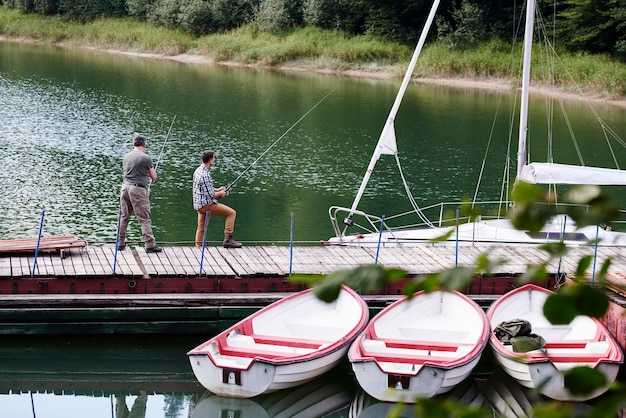
Align the bow with the dock centerline and back in reverse, keeping a straight path toward the landing.
- Prepare the approach: inspect the ramp for slippery patches, clear obstacles, and bring a small cart with fenders, extra lines, and a spare knot kit; unplug any dock power leads if present and unhook unnecessary gear; have materials ready at the edge; follow these steps.
- Set up lines and signals: attach a bow line to a dock cleat, keep a second line ready for the stern, and the dock agent shall stand by to send a line if needed; a clear hand sign ensures a signal sent confirms readiness.
- Back in with control: shift to reverse and ease the throttle to maintain a straight course; use small steering adjustments to counter wind or current, keeping the edge of the ramp in view and the front of the boat pointed toward the dock.
- Approach and secure: as the stern nears the edge, slow to idle; a crew member standing on the dock takes the line and secures to a cleat; confirm with a hand sign and ensure there is no unnecessary tension to avoid accidents.
- Finalize and exit: Last check: verify the boat is secured, all lines are snug, and anyone nearby is clear; unplug or store gear as required, then proceed to disembark; your subscription to marina updates or internet portal can provide the latest service links for next visits and help plan the next launch.
Engage a spotter and establish clear hand signals
Assign a dedicated spotter and establish a simple, unambiguous hand-signal system before you touch the water. The spotter watches floating boats, the alignment of trailers and pontoon sections, and the approach path, then communicates with a clear set of cues. Use a fixed sequence: raise a hand to indicate move, a flat palm to signal stop, and a short two-tap motion for a slow pull. The spotter stays aware of times when wind shifts, when others move on the dock, or when the winch line or tires show wear. If anything seems off, the signal doesnt require shouting; the operator must stop and reassess. Keep lines attached, but remove loose gear and keep the area free of obstructions so you can load freely.
During loading and trailering, follow the spotter’s cues: align the bow with the center of the trailer, back the vehicle slowly, and pull straight without twist. Lower the trailer jack gradually, control the winch with smooth motions, and never rush. If the line shows strain, stop and reassess. Check the tires attached to the trailer for proper pressure, verify the load is balanced, and keep the boat centered on the track. Keep a compact pack of lines and gear out of the launch path so you move freely. Use the same signals when adjusting a pontoon or other floating platform, and always have a spotter keep pace to prevent collisions.
Consult australias safety guidelines on boating websites, and use internet resources and shopping guides for gear. Inspect the dock area for burning fuel or electrical hazards. Remove any loose clothing or gear from the launch zone, and attach tie-downs to the boat and trailer as you go. After the boat is on the water, keep following the spotter’s signals and confirm you have a clear path to depart.
Maintain steady speed and precise steering with smooth throttle
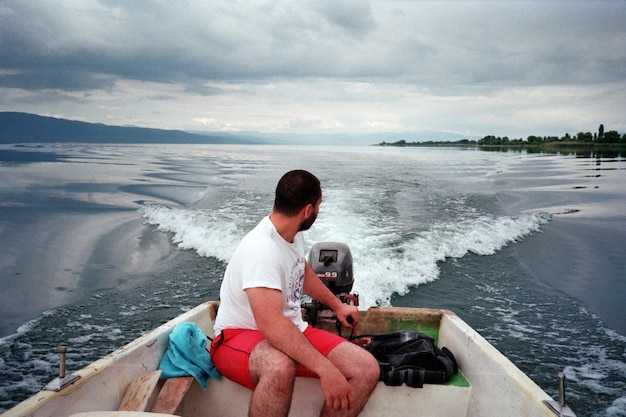
Set a steady throttle and smooth steering from the moment you start moving. Keep RPMs within your boat’s comfortable range, and apply small 5–10% increments for adjustments rather than large jumps. Such controlled inputs prevent bow rise and chine slap, making speed much easier to manage in chop and following seas.
Monitor how weight, trim, and load affect relation to speed. The term refers to keeping a constant pace despite gusts or chop. Carrying fishing gear or additional ballast changes wake and drag, so adjust trim to keep the bow down and the stern stable. Perform regular maintenance checks: grease steering cables, verify steering tension, and confirm gauges show normal temperatures, including details such as prop cleanliness and gearcase condition, which influence how well you hold speed and respond to steering input.
For solo outings, run a short following checklist: maintain steady throttle, smooth steering, pick a target hull speed, and practice gentle turns at low speed. The program you follow should be simple and repeatable, and we recommend keeping this checklist handy to ensure predictable responses in wind and current and to make maneuvering easier.
In tight quarters, anticipate water flow and pull smoothly with light rudder to minimize yaw. In rough water, adjust throttle gradually to maintain a stable planing speed and avoid abrupt changes that cause trim or steering kick. Last, watch for a sign of excessive vibration or steering bind, and back off immediately to protect the shaft and gearcase.
When returning to shore, attach a bowline to the cleat and leave enough slack for safe maneuvering; keep an eye on trailers or docking gear and secure lines early to avoid last-second pulls. Also, be mindful of the following: use a helper if possible, and keep bystanders clear. This approach reduces damage risk during slow-speed maneuvers.
Keep a simple account of your throttle history: what RPM range you used, what wind or current you faced, and any steering quirks. Probably the most reliable outcome comes from repeatable practice, a current checklist, and clear maintenance records. Boaters who follow these steps build confidence and stay in control, whether solo or with a crew.
Line up the bow, bring alongside, and secure with docking lines
Position the bow with the dock, align the hull parallel to the pier, and secure with three mooring lines to sturdy bollards. Place fenders to protect the hull from contact, and prepare a spring line to limit fore-aft movement.
- Approach slowly with the engine idling or in gear appropriate to wind and current; keep a steady, controlled pace and watch for pedestrian or water traffic.
- Attach the bow line to a dock bollard at a height that keeps the bow from rising with a wave; use a reliable knot such as a figure-eight or bow-line variant for a tidy, secure hold.
- Run a second line to a stern bollard to control stern drift; adjust length so the hull remains comfortably off the edge while still allowing easy crew access.
- Set a spring line from the bow to a dock point forward; this reduces fore-aft movement and helps the vessel stay parallel to the pier as wind and water shift.
- Verify the setup: test tension on each line with a light pull, confirm fenders stay in place, and adjust slack for a clean, snug fit without binding.