


 Română
  English (UK)
  Русский
  العربية
  日本語
日本語  한국어
한국어  Magyar
  Türkçe
  Español
  Čeština
  Svenska
  Português
  Ελληνικά
  Suomi
Suomi  Nederlands
  Italiano
  Français
  Polski
  Українська
  Deutsch
  简体中文
简体中文  Slovenčina
 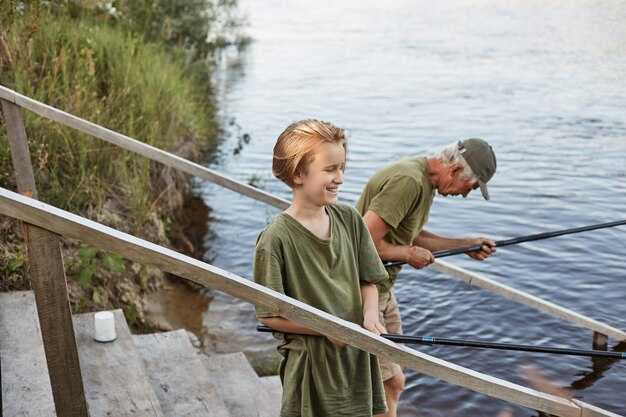 How to Avoid Seasickness on a Fishing Boat – 8 Practical Tips">

1. take meclizine with a light snack roughly one hour before you depart to blunt the onset of nausea on the water. your intake should be planned, and you can adjust the dose by weight and tolerance as needed.
2. Place yourself toward the center and forward on the craft; keep your gaze level toward the horizon and avoid looking below deck where motion is more predictable; those adjustments reduce the acceleration felt by the vestibular system.
3. Snack lightly during the voyage with options like pretzels, crackers, or fruit; through the day, nibbling in small portions helps staying feeling steady on long excursii.
4. Skip heavy meals before the voyage; opt for gentle, easily digestible options to reduce gastric load, especially if you have years of exposure to rough seas.
5. Hydration matters: sip water regularly to support your system and monitor your intake; avoid dehydration as a trigger for nausea.
6. If you are new to these trips, start with shorter runs to gauge what works for yourself; specifically, adjust pacing and cabin temperature to reduce stress through the day.
7. Embrace a gentle routine: breathe evenly, stay outdoors when possible, and keep a steady gaze on the horizon; gentle movement and light stretching help prevent queasiness between tasks.
8. Build your own kit of monitoring cues from years of trips: note what triggers discomfort and adapt your intake and rest periods through careful planning; staying proactive will keep you feeling capable, confident, and ready to handle rough waves.
Practical strategies for anglers to stay steady on deck
Stand with feet shoulder-width apart, knees slightly bent, core engaged, and one hand gripping a stable rail; this stance will keep your upper body steady as cruising begins and swells roll through the deck.
Fix your gaze on the horizon and maintain a constant head position; a steady line of sight reduces the onset of queasiness, and avoids unnecessary shifts near the wheel.
Control breathing: slow, deep breaths, in through the nose and out through the mouth; anxiety, typically a trigger, is alleviated when you keep breathing steady.
Wear non-slip footwear and secure gear to minimize movement; essentials like a compact harness, a whistle, a small first-aid kit, and a bottle of water belong in a chest pocket to prevent unnecessary shuffling.
Move with discipline: limit sudden steps, plan routine tasks, and coordinate with crewmates; these options reduce nausea chances and let you stay focused, even when others need to pull hard on the line; if theyre moving, you adjust with minimal crossing.
All-natural remedies such as ginger, peppermint tea, or acupressure bands can provide relief with minimal side effects; medicine options are available if discomfort returns, but choose medicine options with care.
Positioning relative to the wind and spray matters: face slightly into the wind, keep a low stance, and avoid leaning into gusts; winds can be a primary trigger for imbalance. If you want to minimize risk, adopt this posture.
Manage conflict of motion by keeping a routine: lock in a single task at a time, and shift attention to the world around you or the wonders of the sea to stay engaged while movement occurs, know what your body signals and adjust, which boosts enjoyment.
Horizon checks paired with hands near the wheel provide a natural reflex to stabilize; if you must adjust, do so in small increments and keep three-point contact with a rail, says a seasoned deckhand who understands calm balance.
Onset of queasiness can return; if that happens, sit, hydrate, and reassess food intake; the chances of a full setback drop when you stay disciplined and rest periodically.
Pre-boat meals and ginger snacks to settle the stomach
Eat a gentle, balanced snack 1.5–3 hours before departure and choose options that sit well on the stomach: toast with a light spread, warm oatmeal, or yogurt with crackers. plenty of fluids, especially water, support digestion and reduce nausea before the first swell.
Ginger is a natural helper: candy choices such as ginger candies or crystallized ginger provide a steady effect. Take one or two pieces 30–60 minutes before heading out; theyre easy to carry and won’t weigh you down when the deck starts rocking. If you prefer, ginger tea offers a soothing alternative, but candy is quick and portable in light winds.
For preventative relief, over-the-counter medicine can be considered after a quick consult with an experienced clinician or pharmacist. Use according to the label and avoid mixing with alcohol. This option can enhance comfort by reducing nausea signals before they peak, helping you stay on deck longer and safer.
Technique matters: chew each bite thoroughly, eat slowly, and vary meal timing with sea state. A small, steady intake combined with a candy or fruit, plus a light beverage, helps keep the stomach calm as the rocking increases. If symptoms appear, have plenty of options ready: candy, crackers, fruit, and medicine if approved. Points to consider include choosing foods that stay stable in your stomach and keeping a few strategies in your pocket for varying conditions.
Most scenarios show proactive choices reduce nausea; when used consistently, the effect tends to disappear quickly, or at least feels manageable, increasing your chances to stay on task and help the crew. Experienced hands know that gentle foods and ginger snacks can be a reliable first line, improving your ability to enjoy the trip.
Choose a stable stance and keep eyes on the horizon
Stand with feet shoulder-width apart, knees softly bent, weight centered, and chest open. This easy alignment dampens pitch and roll, stabilizing your center and maintaining comfort during long watches. Keep your gaze about 20–30 degrees above the horizon to anchor your senses and reduce disorientation. These experiences, such as mild nausea, are commonly mitigated by proper stance.
- Gradually adjust your stance as the sail shifts: small 5–10 degree corrections keep balance without triggering abrupt motion. Never snap into position; smooth transitions lower the risk of vomiting and fatigue.
- Fix your reference: steady gaze toward the horizon, avoid following fast-moving gear from the deck or nearby objects, and keep the head and eyes aligned with the line of sight. This light focus gives steadiness to your inner system.
- Secure your body: place a hand on a rail or lip of the cockpit; keep shoulders relaxed and avoid tensing, which amplifies signals of motion.
- Hydration and sugar remedy: sip water regularly; a small sugar-containing snack helps maintain blood sugar and reduces nausea. If you feel dizzy, take a break and breathe slowly.
- Breathing and pacing: use slow, deep breaths–inhale through the nose, exhale through the mouth–to support the body’s response and lessen seasick sensations.
- Prepare for shifts: pack a compact kit with hydration fluids, sugar lozenges, and a lightweight fan or shade to keep light from triggering eye strain and to maintain comfort against glare.
- Know when to seek help: if youre experiencing persistent disorientation or vomiting or if symptoms worsen, stop and inform the crew; a doctor may suggest a different remedy or position.
Onboard natural remedies: ginger, peppermint, aromatherapy, and acupressure bands
Take ginger before heading into the swell: 250–500 mg capsules or chewable strips, 1–2 doses before departure; theyre easy to store in pockets or seats, and the taste is brisk enough to settle the mouth, which gets you through rough seas. Ginger blocks brain signals and gut triggers, significantly reducing vomiting risk during cruising, because the active compounds interact with receptors in the brain. Hydrated waters help the effect through the journey, so sip water after ingestion to maintain fluids and comfort.
Mentă neagră acționează ca un antiemetic blând atunci când este consumată sub formă de ceai, capsulă sau inhalator de buzunar. Uleiul de mentă neagră răcorește stomacul și poate fi gustat sau inhalat; parfumul este tolerat cu ușurință de majoritatea navigatorilor. În mod specific, menta neagră ajută la calmarea creierului și la reducerea grețurilor în stadiile incipiente, făcând croazierele mai puțin stresante. Savurați o cantitate mică de ceai de mentă neagră în timpul pauzelor pentru a susține hidratarea și respirația stabilă.
Aromaterapia la bord folosește un difuzor compact sau inhalatoare personale cu mentă, citrice sau lavandă. Mențineți parfumurile ușoare pentru a evita copleșirea simțurilor; un parfum calm ajută la menținerea privirii fixe pe orizont, limitând amețelile. Aromaterapia servește ca o măsură preventivă care stimulează confortul fără medicamente grele și călătorește bine prin cabinele umede.
Acupressure bands apply gentle pressure to the P6 point on the inner wrist, widely studied preventative strategies. They're comfortable and stay in place through rough seas, which makes them practical for seats and standing posts alike. Wearing them during the voyage reduces the urge to vomit and keeps you hydrated, lowering risk of dehydration that can trigger more nausea. Some francisco-based suppliers offer compact sets of bands and strips for easy use before, during, and after periods of motion.
Hidratare, tehnici de respirație și aer proaspăt pe punte
Hidratează-te cu înghițituri mici și constante și ancorează acest obicei într-un cronometru: bea 150–200 ml la fiecare 15 minute în timpul croazierelor. Acest lucru menține stabile nivelurile de lichide și previne amețelile bruște, ajutându-te să previi simptomele înainte de a începe.
Pentru călătorii, ține o sticlă compactă la îndemână și planifică un ritm care se potrivește ritmului tău. Dacă preferi, tabletele de zahăr sunt o opțiune simplă pentru a menține energia pe punte.
Păstrați tabletele de zahăr în buzunar ca sursă rapidă de energie; această măsură simplă ajută la prevenirea scăderilor bruște a glicemiei în timpul navigării. Pentru cei care preferă un impuls rapid, aceste opțiuni rămân la îndemână în timpul pasajelor mai lungi.
Folosește un ciclu de trei respirații pentru a calma stomacul: inhalează pe nas timp de patru secunde, reține două, expiră prin buze strânse timp de șase. Deși pare ușor, repetă trei cicluri; aceste minuni, plus ceaiul de mentă, funcționează treptat pentru a te menține confortabil pe punțile navei.
Aerul proaspăt pe punte este important: ieși afară pentru sesiuni de cinci minute, îndreaptă-te spre briză și ține-ți capul deasupra inimii când te simți amețit. Aceste mici pauze, luate în timpul croazierelor, reduc treptat disconfortul și îmbunătățesc echilibrul tău. Stan notează că faptul de a avea aceste opțiuni în programul tău te menține confortabil în timpul pasajelor lungi.
Fiecare călător experimentează marea diferit, așa că ajustează acest ritm în funcție de propria toleranță și de propriul ritm. Fiecare ajustare te poate ajuta să rămâi stabil, mai mult decât te aștepți.
Dacă aveți afecțiuni medicale sau întrebări, discutați cu medicul dumneavoastră înainte de a începe această rutină și urmați planul care vi se potrivește cel mai bine. Fiecare călător ar trebui să își adapteze ritmul, dar ideea de bază rămâne aceeași: hidratarea, respirația controlată și timpul petrecut în aer liber vă mențin ancorați.
| Action | How to do it | Benefits |
|---|---|---|
| Cadența hidratării | Consumați 150–200 ml la fiecare 15 minute; păstrați tablete de zahăr la îndemână | Stabilizează fluidele și energia, prevenind amețelile |
| Model de respirație | Ciclu cu numărătoare de trei: inhalează 4s, reține 2s, expiră 6s; repetă trei cicluri | Calmează urechea internă, reduce senzațiile de greață |
| Timp petrecut afară | Ieși pe punte în sesiuni de câte cinci minute; față de briza; folosește aroma de mentă dacă preferi | Îmbunătățește circulația și confortul în timpul croazierelor |
| Remedii & extra-uri | Purtați mentă, câteva tablete de zahăr și un mic ventilator; faceți pauze treptat | Opțiuni pregătite pentru a te simți mai bine rapid |
| Notă de siguranță | Dacă simptomele persistă, consultați medicul; ajustați ritmul după cum este necesar. | Siguranța și îngrijirea corespunzătoare |
Odihnă, momentul consumului de cofeină și expunerea la lumină pentru a preveni oboseala
Maximizează odihna cu un program fix și scurte somnolele în perioadele calme pentru a rămâne lucid la bord. Țintește 7–9 ore de somn profund când ești pe uscat; dacă acest lucru nu este posibil, o siestă de 20–30 de minute poate reseta atenția fără o inerție a somnului prea puternică. Creează o zonă de confort: suficientă întuneric, un spațiu liniștit, haine respirabile și o temperatură stabilă pentru a susține recuperarea și a reduce riscul de cefalee.
Planificați consumul de cofeină cu scop. O doză cu acțiune rapidă de 100–200 mg oferă un impuls rapid în 15–30 de minute, urmată de o doză regulată dacă oboseala persistă. Mențineți consumul zilnic total sub 400 mg pentru a preveni tremururile și perturbarea somnului; limitați utilizarea în timpul târziu al zilei pentru a menține un ceas corporal stabil și energie constantă în timpul serviciului. Preferați să sorbiți apă între căni pentru a rămâne hidratați și confortabili.
Lumina puternică resetează ceasul circadian. Căutați lumina naturală în exterior în primele 1–2 ore după trezire pentru a îmbunătăți vigilența și prevenirea oboselii. Când soarele este rar, o sesiune de 20–30 de minute cu o lampă care oferă 2.500–5.000 de lucși poate înlocui. Purtați ochelari de soare pentru strălucire și o pălărie pentru confort pe punte, conservând starea de spirit și concentrarea.
Ginger oferă o opțiune populară, naturală, pentru a ușura greața legată de mișcări și pentru a sprijini confortul în timpul observațiilor lungi. O doză tipică este de 1–2 g pe zi, ajustată în funcție de toleranță și răspuns. Formele de ghimbir cu acțiune rapidă pot ajuta la confort și pot ajuta la gestionarea riscului de dureri de cap în timpul schimbărilor lungi pe punte.
Stan, un supraveghetor de echipaj, observă că o abordare preventivă cu odihnă fixă, cafeină măsurată și semnale luminoase puternice aliniază ciclurile de veghe și reduce riscul de oboseală.
Există mai multe aranjamente eficiente pentru a susține energia și starea de spirit: odihnă fixă, planificarea momentului consumului de cofeină și expunerea la lumină programată; acestea previn oboseala și vă ajută să vă bucurați de călătorie.