


 Română
  English (UK)
  Русский
  العربية
  日本語
日本語  한국어
한국어  Magyar
  Türkçe
  Español
  Čeština
  Svenska
  Português
  Ελληνικά
  Suomi
Suomi  Nederlands
  Italiano
  Français
  Polski
  Українська
  Deutsch
  简体中文
简体中文  Slovenčina
 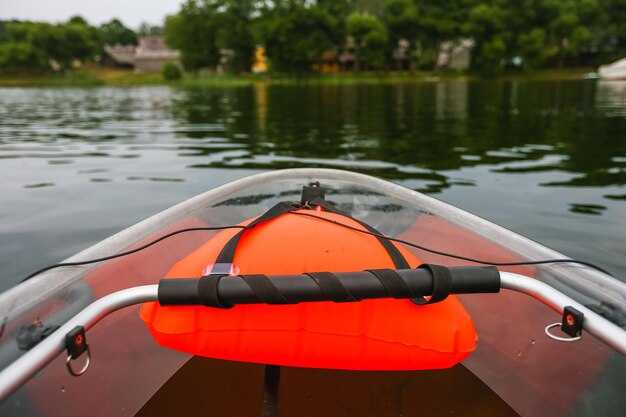 Ghidul siguranței nautice de toamnă – 7 sfaturi esențiale pentru o navigație sigură în toamnă">

Guideline 1: Before departure, mind the hull’s condition and confirm all safety stations are staffed; attach a sealed flashlight to the helm, check spare battery, and run a quick walk-around to detect loose hardware or worn lines. Make sure flares are in the pouch within reach so you can react quickly if visibility drops.
Guideline 2: Monitor weather updates hourly; if a storm becomes likely, head toward the nearest marinas or coast guard stations; keep the hull under observation, and maintain two extra anchors in case wind shifts. In foul conditions, slow throttle, keep wake small; always have a plan to reduce risks.
Guideline 3: Dress with thermal layers, gloves, and a splash jacket; hypothermia risk is real even when air is mild; keep a heat source accessible, and emphasize storing a dry change of clothing near the cabin; consider a small wool blanket in each seat pocket.
Guideline 4: Schedule maintenance checks after each trip; emphasize storing spare parts at stations and waterproof containers containing flares; keep electronics secured and cables tidy; regularly inspect hull fittings, electrical connections, and bilge pump.
Guideline 5: Plan routes with a reliable departure window; pre-program the GPS with safe harbor coordinates, mark marinas and protected coves along the near coast; maintain VHF radio readiness; in low light, use a flashlight to signal other craft while staying inside the hull line of sight.
Guideline 6: Verify fuel levels to reduce the risk of engine trouble; check hull drain plugs and bilge pump; avoid leaving gear on deck when wind increases; drop anchor only in sheltered water with enough scope to handle current and wind; ensure lines and fenders remain in place.
Guideline 7: Establish a calm atmosphere to preserve peace aboard; brief passengers on emergency signals and proper use of life jackets; they can enjoy the trip more confidently when crew stays transparent about weather and plan changes; keep the mood light, review the departure plan, and continuously mind safety cues; drop the speed if spray increases, and let everyone stay dry.
Fall Boating Safety Guide: 7 Tips for Safe Boating in Autumn – Final Preparation
Step 1: Start by testing navigation lights, flashlight, and waterproof bags; remove dampness from deck; ensure essentials are stowed within reach; start with that baseline.
Step 2: Monitor signs of changing weather; check water conditions, wind shifts, and dampness on decks; examine tank venting and any buildup in bilge; adjust plan accordingly.
Step 3: Verify tools and gear; inspect anchorages, dock lines, fenders; ensure you can remove bulky items; store items in waterproof bags.
Step 4: Plot heading and route to quieter bays; select anchorages with protection from chop; stay alert for wildlife such as salmon near the Georgian coast as you view the water.
Step 5: Confirm fuel and engine readiness: check tank level, inspect lines to detect leaks, replace filters if due, and run a short idle test; ensure cooling remains efficient and venting is clear.
Step 6: Gear and crew readiness: life jackets, throwable devices, dry bags, whistle; verify waterproof compartments and keep rescue tools accessible; maintain peace of mind on board.
Step 7: Late falls period preparations: onboard essentials include spare flashlight, extra batteries, and waterproof containers; confirm anchorages ahead of time; remove extraneous gear to improve efficiency; anticipate late departures with a calm water plan.
| Navigation lights & flashlight | Test before start; replace batteries; keep on deck |
| Weather signs | Check forecast; monitor dampness and wind |
| Anchorages & dock lines | Inspect and confirm readiness; taut lines |
| Tank & fuel | Check level; inspect lines to detect leaks; vent clear |
| Gear essentials | Life jackets; dry bags; waterproof case |
| Heading & route | Outline with quieter water options |
| Viewing & wildlife | Note signs of activity; salmon sightings near Georgian waters |
Final Preparation Tips for Autumn Boating
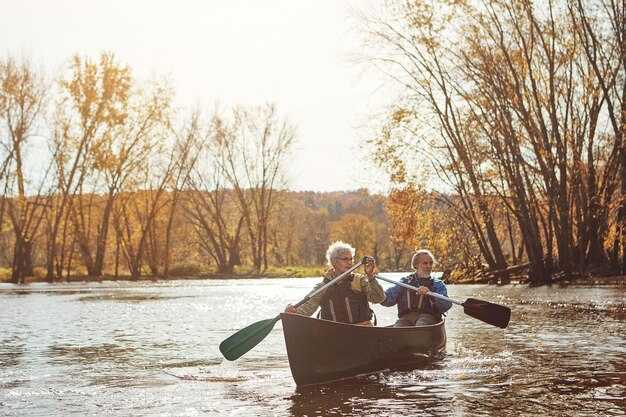
Set a firm departure time and lock in the route; carry a compact checklist on your phone and verify each item during running checks before leaving the dock.
Dress in moisture-wicking layers topped with thermal outerwear; include a hat, gloves, and dry socks to stay warm when air cools and water splashes rise. This setup brings comfort and reduces heat loss.
Pack a cooler with good insulation; fill it with ice and high-protein snacks including salmon; label perishables and keep it within arm’s reach.
Increase readiness by carrying an extra battery to power your phone and a small power bank; test charging cables in advance and stow them in a dry pouch.
Examine hull seams, valves, and bilge leaks; inspect anchor lines and mooring gear; replace worn components before trips.
Watch crowds near piers; many vessels nearby require routing decisions; choose routes with fewer vessels and predictable traffic; maintain a safe distance and reduce speed near shallow areas.
Hypothermia risk climbs when attire fails or immersion occurs; layer with a thermal base, mid, and outer shell; wear a PFD at all times and carry a dry change of clothes.
Shorter days demand a fast plan that adjusts quickly: verify weather outlook, note where temperature drops are likely, and plan trips with daylight; carry extra fuel and a portable light.
Prepare communications by testing the phone’s reception and reporting location to a friend; theyre at ease with your ETA, ensuring peace of mind; keep a whistle and signaling device; verify salt spray won’t corrode connectors.
Pre-Season Boat and Equipment Check

Begin with a fast, thorough hull and deck inspection at daylight, focusing on seams, rivets, transom, and signs of dampness around construction joints. Look for cracks, blistering, loose fasteners, or soft spots; address issues immediately rather than letting them become bigger problems. Do a quick viewing of interior lockers and bilge areas to detect corrosion or rot that could worsen in cooler temps. Days spent waiting can turn minor concerns into costly repairs–keep attention on hull integrity.
Then verify electrical and propulsion systems to maintain efficiency during times when daylight shortens. Run a review of battery state of charge, alternator output, fuel condition, and hose integrity; test pump operation; if any seal isnt tight, correct it; download the manual to confirm model-specific procedures.
Stock the essentials kit in interior compartments: PFDs in proper sizes, throwable device, fire extinguisher with current gauge, first-aid supplies, signaling devices, spare fuses. Ensure expiry dates are valid and items remain easily accessible, providing peace of mind for quick access on the dock.
Inspect dock lines, fenders, and anchor gear; check for chafing, wear, and frayed rope. Ensure storage areas stay dry to minimize dampness; use a cooler to preserve perishables during transit; check hatch seals and cockpit drainage.
Develop a review plan that fits your region and summers climate; set days and times to perform a pre-season check quickly; keep a download record of maintenance, repairs, and replacements; note issues that offer peace of mind.
Dress for Fall: Layering and Cold-Weather Gear
Wear a three-layer system: a moisture-wicking base, a warm mid-layer, and a windproof, waterproof outer layer. This approach minimizes moisture buildup and lets you adjust quickly as conditions shift along the water and near shorelines.
Outer layer should include a hood and taped seams, with adjustable cuffs to seal out spray. Keep a compact mid-layer tucked in a belt pouch or dry bag so you can add warmth rapidly when the air turns cooler in the late part of the day. You can slip it on without stopping.
Footwear matters: waterproof boots or high-topped shoes with good tread; change socks when needed; keep a spare pair in a waterproof bag. Dry feet stay warmer and sustain grip if the deck is slick.
Pack a lightweight pair of gloves, a beanie, a fleece layer, a compact blanket, a headlamp, and a power bank. Protect electronics with a dry bag and bring a water bottle. Keep the kit ready for quick deployment when plans shift.
Always check forecasts before setting out; verify tides and currents; choose safe harbor routes; if a squall approaches, head to shore or a sheltered quay and re-evaluate.
Autumn Weather and Visibility Forecasting
In indoor planning, rely on two marine forecast feeds and test their alerts; ensure decisions just before departure. This season brings cooler nights, fog risk, and crowds at anchorages near popular marina towns, so you must review each route with the crew aboard the boat and select protected berths when visibility worsens. Note any issue with sensor readings, and test VHF and GPS before leaving the marina.
- Forecast reliability and times: Use official sources such as Environment Canada and other canadian coastal zone briefs, plus a commercial marine service; compare hour-by-hour grids for the next 24–48 hours; note sudden changes in wind direction or precipitation, which demand immediate route adjustment.
- Visibility patterns: Expect low visibility in the early morning and late night; use radar properly and keep distance from crowded anchorages; plan anchorages with good natural cover and lee protection.
- Wind and seas: Calm mornings can turn gusty in the afternoon; sustained winds 15–25 knots common near shore; expect sea state 1–2 meters with occasional 2–3 meter short-period waves; adjust anchorage selection accordingly.
- Seasonal months and planning: Months with higher fog and rain are often October and November on many canadian coastlines; inland lakes show different patterns, so devise separate plans for each route.
- Gear and clothing: Pack extra layers using moisture-wicking fabrics; bring indoor gloves and boot covers; use moisture-absorbers inside stowage to mitigate condensation; bring a spare battery and test VHF radios.
- Route and anchorage choices: Map a primary route and two backups; identify anchorages offering protection from prevailing swell; ensure the chosen marina or anchorage has a sheltered entrance and reliable water supply; mark a plan to move to cover if sudden weather shifts occur.
- Challenges and review: Document issues and their challenges; review what happened, how the forecast matched reality, and adjust for the next venture; involve crew mind in decision making; this approach makes the experience memorable.
Lighting, Signals, and Low-Light Navigation
Turn on all required lights at civil twilight and keep them active until you reach a protected harbor; ensure the system is fully functional. Use both masthead and stern lights, plus red and green sidelights, to convey hull orientation and prevent collisions; verify lenses are clean and brightness is adequate. A deck light that illuminates walkways helps crew move with care, and these measures reduce risk when wind or spray narrows visibility. This setup provides reliable visibility.
Signals and communications: carry a whistle or horn and employ standard patterns when vessels are nearby in reduced visibility. In canadas coast-to-coast waters, keep a working VHF radio on channel 16 and share position information with nearby boats when practical; this approach offers peace of mind and provides quick coordination near marinas at dusk.
Low-light navigation requires calm attention: rely on GPS, radar, and compass checks as part of every watch; if electronic systems fail, switch to backup methods using shoreline lights and markers. Keep deck lighting forward to illuminate the bow and cockpit without blinding others; even in still air, visibility can deteriorate quickly, and unexpectedly you may need to slow and move to safer areas.
Environmental factors and visibility: warm evenings shorten daylight hours, making signals harder to read near docks; salt spray can dirty lenses, so wipe them clean before entering a channel. In salmon-country areas, traffic near slips and boats increases, so reduce speed and remain vigilant.
Planning and preparedness: Start with a daylight drill that mimics dim-light conditions; every crew member should know the location of spare bulbs and fuses. Marinas and coast-to-coast routes often provide guidance, and canadas facilities offer practical checklists like these to verify lighting and signaling readiness; prepared crews perform more reliably.
Failure scenarios: if a signal fails, slow to a safe speed, use the appropriate sound signals, and move toward the next protected harbor while keeping a lookout for traffic. If you cannot rely on a signal, switch to alternative cues, communicate with nearby boats via VHF, and seek harbor assistance as needed. This approach provides peace of mind and minimizes risk in busy waterway segments.