


 Română
  English (UK)
  Русский
  العربية
  日本語
日本語  한국어
한국어  Magyar
  Türkçe
  Español
  Čeština
  Svenska
  Português
  Ελληνικά
  Suomi
Suomi  Nederlands
  Italiano
  Français
  Polski
  Українська
  Deutsch
  简体中文
简体中文  Slovenčina
 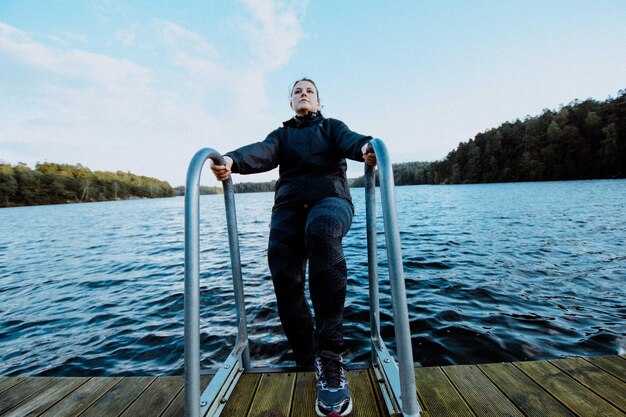 Exercising on a Boat – A Brief Guide to Staying Fit Without Setting Foot on Land">

Start with a 15-minute, equipment-free circuit every two hours on deck: air squats, railing incline push-ups, planks, and seated torso twists. This is a reasonable matter for days at sea, designed to stay effective even when you’re in a small cabin or on a rolling deck.
Keep the space equipped with a stable surface: a non-slip mat, folded towel, and a secure railing. When the boat moves at knots or the deck tilts, swap in balance moves like single-leg stands, hip hinges, and side planks to protect the core. These exercises were helpful during long passages, especially when the vessel is operating near intracoastal traffic, where fishing is a common hobby and routine stays steady.
For cardio, integrate short bursts of stair-like steps or march-in-place during engine hours; aim for 60–90 seconds per set, repeated 6–8 times. The cumulative effects include higher resting energy and steadier mood. clinical reviews show that structured movement on moving platforms improves balance and respiration. This routine magical for some sailors, turning minutes into steady energy across watch cycles.
Fuel planning matters: pair workouts with small, frequent nourishment so muscles recover quickly. Hydration is essential and a bottle within reach near the helm helps avoid dizziness that worsens when seas bounce. Many crews document progress on facebook to stay motivated, and a simple log keeps your training sense of progression clear. What you do often builds a reliable habit that supports your hobby, whether you’re anchored in intracoastal waters or chasing winds along the coast.
If you have a question about feasibility, the answer is simple: start with the 15-minute circuit and tune it to the sea state. This comes with tangible benefits: improved posture, steadier balance, and more consistent energy through the day. The approach does not require a gym or expensive gear–no sales pitch here; anything you need can be done with your own body and a rail, and the routine will still matter even on long passages.
Onboard Fitness: Practical Guidance for Liveaboard Workouts

Start with a 15-minute bodyweight circuit every morning, three days per week, and rate effort on a 1–10 scale to stay clear and consistent with progress, this really suits liveaboard life.
Equipment and setup: anchor bands to a fixed mast or rail; use a compact kettlebell or water-filled dumbbells if available. Maintain contact with a sturdy surface for balance, keep right alignment, and follow a steady tempo to protect joints. This approach is important for safety in motion, and you can decide the progression from bodyweight to bands or light loads as you gain confidence.
- Warm‑up (2 minutes): hip circles, leg swings, shoulder shrugs; keep at least one hand on the rail for contact and balance to sharpen your sense of stability.
- Main circuit (3 rounds): six moves – incline push‑ups on a bench 10–12 reps; goblet squats or bodyweight squats 12–15 reps; bent‑over rows with a band 10–12 reps; glute bridges 12–15 reps; plank 30–45 seconds; reverse lunges 10–12 reps per leg. Rest 30 seconds between moves; 60 seconds between rounds. This format works well while boating and gives a reliable motor rhythm across different decks.
- Cooldown (3 minutes): hamstring and hip flexor stretches, chest opener against a door frame, shoulder stretches; finish with diaphragmatic breathing for 2 minutes to reduce anxiety and promote calm.
Recovery and variation: on a lagoon day, swim 15–20 minutes to support well‑being and recovery; use the window between watches so it feels like a reward rather than a chore. If a swell occurs, swap to mobility and balance drills that target the same muscle groups and reduce anxiety; the opposite approach–short, frequent sessions–often yields better consistency.
Notes for different vessels: boating crews with limited space can perform the same six movements using a chair for support or a door anchor for bands. This routine is surprisingly adaptable and gives a solid base across motor rhythms and deck layouts; common mistakes include rushing reps or neglecting breath. For college crews, it fits between classes and drills and helps maintain strength, flexibility, and mood during long terms at sea.
This routine is really about balance: it strengthens joints and function, supports sleep, and improves mood while lives aboard a vessel. The beauty of consistency is that it keeps anxiety from creeping in during rough passages and makes daily routines feel manageable and good, even when seas churn. If you want a quick check, measure progress every two weeks by noting reps or time in planks and adjust to keep the effort level at a sustainable, clear target–this gives you a tangible reward and a sense of control that lasts beyond the workout.
Women-Specific Onboard Training: Hormonal, Joint, and Core Considerations
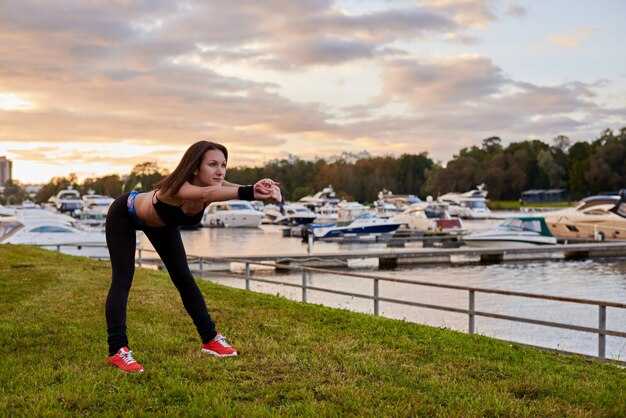
Always begin with three actions: activate the pelvic floor, brace the core, and perform 3–5 minutes of mobility on a stable surface, using a railing or anchored band for support. This routine offers immediate stability on a moving platform and reduces injury risk during later moves.
Hormonal fluctuations influence energy, balance, and tissue laxity. According to some articles, plan higher-intensity blocks for the follicular phase when motivation tends to rise, and switch to controlled tempo and higher-repetition circuits during the luteal phase. Allow extra rest around menses and tune movements to how you feel, just like learning from each session.
Joint considerations: estrogen and, where relevant, relaxin can increase ligament laxity. Favor controlled, closed-chain movements, avoid extreme hyperextension, and choose a stable stance with moderate ROM. Use bands anchored to the railing to limit uncontrolled loading and monitor joint pain; if pain persists, reduce resistance or depth. Like all training, these exercises should respect your signals and adapt to what you feel.
Core considerations: for many, pelvic-floor engagement supports spinal integrity. Favor exercises that recruit the transverse abdominis and obliques with controlled exhale. Avoid crunches that strain diastasis recti; implement dead-bug, bird-dog, side planks with a knee-down, and hip bridges with marching. Keep breathing steady and avoid Valsalva during lifts.
Sample on-board routine (20–22 minutes): warm-up 5 minutes including hip circles, thoracic rotations, and ankle mobility. Circuit A (2 rounds): goblet squat to chair, 8–12 reps; band pull-apart 12–15; hip hinge to row with anchored band, 8–12; anti-rotation hold with band, 20–30 seconds. Circuit B (2 rounds): glute bridge march, 8–12 per side; calf raises if stable; side plank from knee or full side plank, 20–30 seconds per side. Finish with 2 minutes of diaphragmatic breathing and gentle stretch. Adjust load to your comfort, maintain stance width, and keep a straight spine.
Nutrition and fueling: protein supports mass building and repair; aim for 1.2–1.6 g/kg/day, split across meals. Include a protein source after workouts within 60–90 minutes. Hydration matters: 30–35 ml/kg/day plus electrolytes; include vitamin D and calcium to support bone health. Choose white meat poultry, dairy, legumes, and whole grains to balance meals. A balanced meal with carbohydrates, fats, and protein helps fuel performance and recovery.
Onboard spaces vary; every setup should feel tranquil and support learning. A social partner–a couple or crew–offers accountability. A routine aligned with your heritage and the river environment helps you explore places that feel perfect for cooldown and reflection. Aim for a balanced cadence: fuel, rest, and steady progression; use feedback from each session to guide the next and stay happy with small, consistent wins.
Men-Specific Onboard Training: Strength, Hormonal, and Recovery Tips
Start with a three-day on-board strength block, using space on deck and improvised loads. Pick main moves that hit multiple muscle groups: goblet squat, floor press or incline push-up, one-handed row, hip hinge with a dumbbell, and a farmer carry. Do 3 sets of 6-8 reps for the primary lifts and 2-3 sets of 10-12 reps for accessories. Rest 60-90 seconds. Keep tempo: 2 seconds down, 1-2 seconds up. For progression, add 2-5% load weekly or add one rep per set until form feels stable, then increase weight. This approach builds muscle and supports hormonal balance during long cruises.
Hormonal health on board hinges on sleep, nutrition, and stress control. Aim for 7-9 hours nightly; naps between watches during long cruises help recovery. Build meals around protein (target 1.6-2.2 g/kg/day) with balanced carbs and fats to fuel activity and repair. Protein supports cell turnover and signaling that underpins building strength. If you train mostly alone, maintain social contact to keep mood steady; a happy routine reduces cortisol spikes. Whether you lift with crew or solo, consistency creates gains and keeps life open across a dynamic world.
Recovery signals include deload weeks every 4-6 weeks if progress stalls, plus mobility work after sessions and diaphragmatic breathing to lower heart rate. Hydration of 2-3 liters per day supports joint lubrication and motor function. When fatigue arises, break the full-load pattern and swap in mobility or light cardio for a session. This approach preserves energy, protecting gains even while seas rise or engines run.
Onboard execution relies on compact gear and adaptable plans. Use resistance bands, adjustable dumbbells, kettlebells, or improvised loads like water jugs. Anchor bands to a door or rail for safe one-handed rows; floor presses and step-ups fit small spots. If you’re purchasing gear, compare warranties and return policies; sales reps may push quick buys, so involving an attorney to review terms helps. Finding a trustworthy spot on deck, you can bring a solid routine that travels with you, keeping training consistent and safe.
This program is tailored for men, focusing on strength progression and hormonal balance; women can apply the same framework with adjusted load and volume. Open to adaptation, the plan emphasizes balanced building, steady protein intake, and social activity to support recovery. If workouts must happen during a break in life’s rhythm, shorten sets and maintain intensity to keep progress on track while you stay connected with fellow cruisers and crew.
Smart Warm-Ups and Mobility for a Rolling Deck
Recommendation: Begin with 2 minutes of ankle circles și hip activation immediately after stepping onto the deck, using the handrail for support to maintain alignment and reduce slips. Include a brief 10-second break before starting the next drill.
Mobility circuit (4 rounds, 20 seconds per exercise, 5 seconds to transition) targets ankles, hips, thoracic spine and shoulders, plus a balance drill near the rail to sharpen contact și balance. Ankle circles 20s per side; hip rocks 20s; thoracic rotations with rail 20s; cat-cow against rail 20s; glute bridge with march 20s; split-stance reach 20s; single-leg stance 20s per leg. This circuit yields very stable control on a moving base.
Between moves, practice mindfulness breathing: box breathing 4-4-4-4 for 60 seconds to synchronize cadence with motion and improve quality of execution. naturally, your nervous system tunes to the rhythm and the roll, like a metronome.
Progression can be adjusted by days at sea: shorten rest to 30 seconds, extend to 6 rounds, and add a light suitcase carry or towel drag if the anchor is secured. In the afternoon, a short mobility finisher can prime performance for the next legs of excursii after long days at sea, with wonderful results for fitness and resilience.
Maintain a low center of gravity, knees soft, core engaged, and a steady gaze. Keep both hands on the rail if you feel the deck shift; if balance is compromised, stop the drill and resume when stability returns in the setting. This approach keeps you responsabil and reduces risk during crew tasks.
Keep a brief log of history with any recurring stiffness or ankle tightness; if you have such issues, choose gentler progressions and consult a coach. The routine helps you have a faster recovery and amazing day-to-day fitness.
Reason behind the approach: it delivers quality movement on a moving base, letting the breath set tempo and maintaining balance as you contact the deck. The routine suits crews during long excursii and beautiful afternoon sessions, supporting mindfulness and steady performance during days at sea with your company.
Compact Cardio: Seated and Standing Drills for Small Spaces
Begin with a nine-minute circuit: 60 seconds seated marching with coordinated arm swings, 60 seconds standing marching with light knee lifts, 60 seconds brisk step-taps. Rest 30 seconds. Repeat this three-round block for a total of 9 minutes.
Keep moves within a tight zone: use a stable chair if you need balance, maintain a tall spine, and breathe steadily. Choose a pace that challenges you but remains sustainable; if needed, slow the tempo or shorten range. If you train with partners, invite them to count time and offer feedback; social accountability makes it easier to stay consistent.
Seated options (each 60 seconds): leg extensions with ankle pumps; overhead presses with light weights or water bottles; seated punches with a short resistance band; torso twists holding a small weight or towel. These moves raise heart rate without standing, and they set up a solid base for the more dynamic drills that follow.
Standing drills (each 60 seconds): marching in place with brisk arm swings; side steps with gentle cross-overs; alternating knee lifts; shallow squats near a countertop or chair; controlled torso twists with a light resistance band. Maintain knee alignment with toes and a neutral spine; avoid locking joints at the top, and use a comfortable range that respects limits.
Progression and safety: track pace, reps, and how you feel after each block. Let partners or fellow crew members join the routine to keep motivation high; a quick timer click signals the start and end of each block. This approach helps you stay in control, reduce tension in the neck and shoulders, and stay consistent over time.
Equipment and space tips: use light dumbbells (0.5–2 kg) or filled bottles, a resistance band, and a towel for grip as needed. Keep everything within easy reach and perform on a non-slip surface. Being responsible with your setup makes it easier to relax between efforts and stay focused on the reason you train: maintaining fitness when you’re at sea and on a tight deck. This detailed plan is amazing for sense of progress, and its flexibility makes it useful for anyone, whether alone or with others, who wants to stay active in small quarters.
Injury Prevention and Safe Progression at Sea
Begin with stage 1: two sessions per week, 15–20 minutes each, on a stable surface when docked, using only bodyweight moves (squat from a railing, incline push-ups, planks). Aim for 6–8 repetitions per exercise and 2–3 sets, with a steady tempo (2 seconds down, 1 second pause, 1 second up).
Stage 2 introduces balance demand: perform the routine on an unstable surface such as a foam pad or rolled towel under hands or feet. Maintain symmetry and avoid pain; if seas are rough, reduce range. Increase to 3 sessions per week, 6–10 repetitions per exercise, and keep effort within a reasonable margin.
Stage 3 adds light resistance and dynamic work: use a small water jug or bag for rows or goblet squats. Keep total workout time under 40 minutes and repetitions in the 8–12 range. This stage requires careful load management; keep just enough stimulus without overdoing it, and only advance if form remains solid on the moving surface.
Sleep and recovery: target 7–9 hours per night; sleep quality supports cell repair and motor learning; avoid late workouts that disrupt circadian rhythm. If sleep is poor, cut volume by 20–30% and extend recovery days.
Warm-up and surface safety: begin with 5–7 minutes of dynamic mobility (hip circles, ankle pumps, thoracic twists) and verify deck is dry and stable. A short warm-up reduces joint stress and helps stay balanced on a moving platform; check rigging surfaces for slick patches.
Mental health and mood: regular movement helps combat depression and reduces fatigue; the feel-good effect from endorphins is strongest when sessions are consistent. If you feel drained, consider reducing load or skipping a session. Share progress with a crew mate to stay accountable; building a routine helps mood.
Equipment and budget: owning a single resistance band, a towel, and a small water jug covers many moves and offers scalable loading. This keeps budget in check and reduces clutter; explore bodyweight options to build a solid routine. Building a routine around compact gear is enough to stay adaptable.
Progress tracking: compared with earlier weeks, if you can add 1–2 repetitions per set or extend a hold by 2–3 seconds, you move to the next stage. Don’t forget to hydrate after workouts. Use a simple log and share results with the crew to stay motivated and reduce risk of injury. The plan should be tailored for each individual; escalation must be reasonable and measured.