


 Română
  English (UK)
  Русский
  العربية
  日本語
日本語  한국어
한국어  Magyar
  Türkçe
  Español
  Čeština
  Svenska
  Português
  Ελληνικά
  Suomi
Suomi  Nederlands
  Italiano
  Français
  Polski
  Українська
  Deutsch
  简体中文
简体中文  Slovenčina
 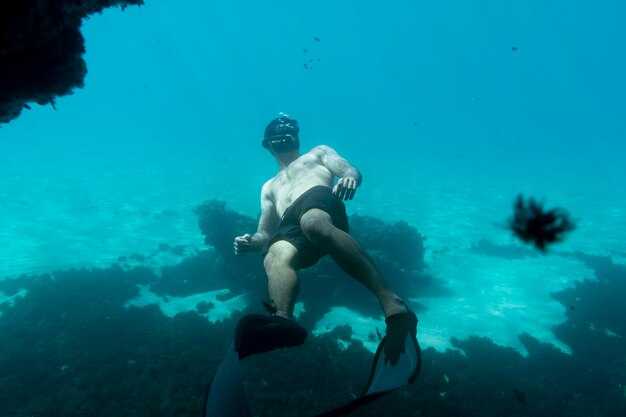 Diving in Tampa and St. Petersburg – Best Dive Sites and Tips">

Recommendation: book guided dives with a certified operator in Pinellas County. Confirm your level matches the site, and choose a service that prioritizes safety, gear maintenance, and clear trip terms. This approach reduces risk and helps you gain confidence with your first experiences.
Pentru o family-friendly start, pick shallower options near St. Petersburg in Pinellas County. Look for wrecks off Egmont Key or reefs near Fort De Soto that sit at about 15–40 ft with typical visibility around 10–25 ft when currents are mild. Many operators offer a couple of short dives to build familiarity, followed by a surface interval and a briefing for the next site.
Before you go, ensure you have your certification up to date and a plan for your air tank. Choose operators with proven integrity and domestic service, and ask about their guarantee of quality. If you’re bringing family or first-timers, request a slower pace and buddy system to keep them comfortable.
Wildlife and sightings: the area around petersburg hosts a steady chorus of surface birds and occasional schools of fish around wrecks. Expect to meet a diver crew that notes occasional sightings of larger creatures and avoids crowds, which helps maintain safety and integrity in every trip.
Best times to plan are late spring through early fall when visibility tends to improve and water is warmer. Arrive prepared with light layers, sunscreen for the boat, and a plan to reserve future dives with the same operator to build familiarity. Tampa and St. Petersburg offer reliable shore entries, calm conditions on many days, and a variety of sites suitable for level and experience–from calm shallows to more complex wrecks–within a short ride around the bay.
Top Dive Sites and Practical GoPro Tips in Tampa and St. Petersburg
Begin with Anclote Key Reef System off Tarpon Springs for your first underwater clips; shallow water and calm mornings yield steady footage and fewer distractions. Depths range from 6 to 20 feet; Gulf waters stay warm into the mid-80s Fahrenheit from late spring through summer. A guided tour from Tarpon Springs reaches reefs and a couple of shipwrecks, making this a family-friendly option. These sites host beginner-friendly dives that are ideal for family groups. During peak season, expect less crowds on calmer mornings.
Egmont Key area offers more depth (roughly 20–40 ft) with shipwrecks and nearby reefs. Morning departures minimize currents, and visibility often improves after light NW winds. Operators tailor trips to your safety level, provide briefings, and explain site features. Plain sea conditions and careful movement help you maximize footage while staying safe; if you gained instruction previously, use this site to practice buoyancy and smooth swimming around hulls. Take care with currents and watch for boat traffic to keep them safe.
Clearwater area around Caladesi Island and Sand Key presents accessible reefs with vibrant marine life. Expect depths from 6 to 25 ft, with water often warmer in late spring and summer. Local outfits depart from Clearwater Beach, offering family-friendly sessions and straightforward routes to reefs and wreck-like features.
GoPro tips for these waters: shoot 4K at 60 fps or 2.7K at 120 fps for smooth swimming clips, use a wide field of view, and select Flat or a simple LUT to keep colors balanced in warm Gulf water. In shallow depths, add a red filter to recover warm tones; in deeper water, rely on post-processing to maintain natural blues. Use a stable handle or float, bring a spare battery, and carry extra microSD cards. Test settings in a short shallow swim before recording longer underwater content to ensure the look you want.
Safety and planning: check updates from operators and PADI-certified instructors, and stay within your comfort level. Hours of operation vary by boat, with many morning tours and some evening options, so pick a schedule that fits your family and them. A guide can tailor instruction for them and keep pace with your group.
Logistics and extras: Interstate access along i-275 makes it easy to reach St. Petersburg from Tampa, with short drives to launch boats from multiple marinas. Before you go, gather information about weather, water quality, and reef updates; many shops offer content on conditions and safety. For gear, look for sales that bundle the essentials and a guarantee on equipment, so you’re covered if a component needs service. Buying or renting from reputable shops helps you stay prepared, and many operators provide instruction on basics that make the most of your time on the Gulf waters.
Finally, after your session, back up your footage while it’s fresh. The clips from these warm waters will capture scenes you’ll want to share with family and friends, and the best moments often come from simple, stable shots that show reefs and ship remnants in clear water. With careful planning and a little practice, you’ll gain confidence, protect your gear, and enjoy smoother, more vivid underwater content across sites around Tampa Bay and St. Petersburg.
Beginner-friendly spots near Tampa Bay: depths, currents, and access
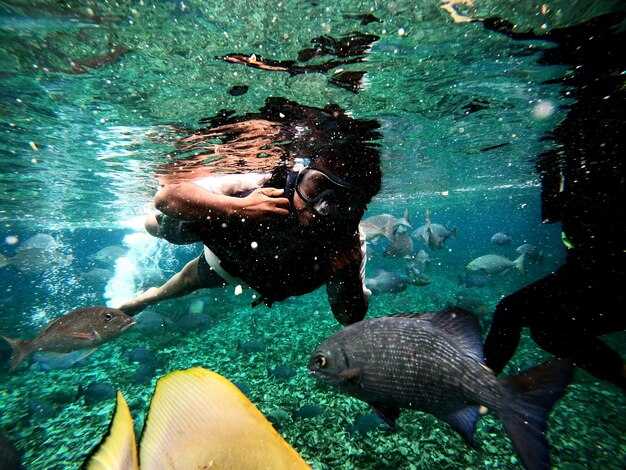
Begin with Clearwater Beach flats for your first dives; at 6–12 ft depth, calm morning currents under 1 knot keep sessions friendly and productive.
-
Spot 1: Clearwater – Sand Key reefs
Depths: 6–12 ft (2–4 m). Currents: typically 0–1 kt in calm mornings. Access: shore entry from public beaches and nearby piers. Best for: early sessions and easy orientation; tips: verify surface conditions and visibility before you book.
-
Spot 2: John’s Pass area (Madeira Beach)
Depths: 8–18 ft (3–5.5 m). Currents: mild to moderate with tides. Access: book a tours from John’s Pass Village or nearby marinas; many operators offer beginner-friendly trips with instruction. Gear: standard 80–120 cf tank works well for most newcomers.
-
Spot 3: Egmont Key vicinity
Depths: 12–20 ft (3.5–6 m) around shallow wrecks and seagrass. Currents: variable; plan for morning windows when calmer. Access: requires a boat ride via tours from petersburg or nearby ports; early departures reduce chop and improve visibility. Sightings: dolphins, tarpon, and rays occur periodically.
-
Spot 4: calypso-charter sites near petersburg
Depths: 10–18 ft (3–5.5 m) near shallow wrecks and reefs. Currents: generally mild but can spike with tide. Access: calypso and other local tours operate out of petersburg; you can book early to guarantee a spot for a beginner-friendly trip. Instruction: tours include onboard instruction and content to review later.
Before you head out, gather essential information from operators, compare content across options, and book in advance to secure your seat. For new divers, start with a guided trip, ask about buoyancy and air-management instruction, and confirm the tank size and weight you’ll use. If youre unsure, choose domestic tours with clear safety signals and a predictable schedule; they give you a steady pace, gain confidence, and offer reliable sightings of local marine life.
Pack a plain citrus card with emergency contacts, bring water and sun protection, and maintain integrity and responsibility at all times. Explore with support from qualified instructors, and use every trip as a step toward a higher level of comfort and skill. calypso
Wrecks and artificial reefs: access, etiquette, and safety considerations
Book guided trips with a certified dive center to secure access to wrecks and reefs and to receive proper instruction.
Waters around Tampa Bay stay warm year‑round, and wreck sites in Pinellas County typically sit at depths of 40–100 feet, with artificial reefs closer to shore. A licensed operator provides the boat, moorings, and safety gear, so youre less exposed to surface conditions and can swim with confidence.
Access is usually by boat from local marinas; some reefs near shore may be reachable on short trips, but wrecks almost always require a planned tour. If youre flying in, Tampa International Airport serves as the main gateway, and your center can arrange transport to the marina for your trips.
Etiquette matters: maintain neutral buoyancy to avoid stirring silt that reduces visibility for the group, and never touch artifacts or structures. Give wildlife, including birds perched on wrecks, a respectful distance, and avoid kicking up debris with fins. Keep your gear secured to prevent lines from snagging and respect mooring systems and crew directions.
Safety first: perform buddy checks, confirm air, depth, and dive time before descent, and use a surface marker buoy on ascent. Stay with your buddy and follow captain signals; monitor currents and visibility, and plan a controlled ascent with a safety stop if conditions allow. If you lose contact, signal with your buoy and return along a known contour rather than chasing a distant target.
Information and responsibility: your center provides pre‑dive instruction, site rules, and emergency procedures–follow them and avoid pushing beyond training limits. Gear service history should be current, and you should report any equipment issues to maintain integrity across the team. Content from each trip helps shape safer, family‑friendly tours and supports ongoing knowledge sharing within the county and broader diving community.
Expect frequent fish and reef‑dwelling species, with occasional sightings of rays and pelagic visitors near wrecks. Morning trips often offer calm conditions and clearer water, so you can maximize swim time and wildlife observations. If youre bringing family, choose sites and depths suited to all levels, and log your observations with the center to build a safe, enjoyable record of your Tampa Bay adventures.
Night dives around St. Petersburg: best sites and planning tips
Book a guided night immersion with Calypso; a domestic Pinellas County center can offer reliable access to Gulf waters after dark; warm currents and good lighting boost swimming comfort, and a qualified diver guides the route, speaks to them, and provides care and information.
Best sites for night immersion around St. Petersburg include: Egmont Key channel for cautious currents and pelagic sightings at 25-55 ft; Clearwater Pass reefs and wreck clusters at 30-60 ft; artificial reefs near St. Pete Beach and Gulfport at about 40 ft.
Planning tips: book with domestic operators; check tides and current with a reliable information center; pick a session that matches your diver experience; aim for nights with a bright moon for visibility; from Interstate 275, access to boat ramps and parking is straightforward.
Gear and crew: bring two lights and a spare battery; wear a warm exposure suit; keep your certification card ready; listen to the pre-immersion instruction; stay with your buddy.
After the session: hydrate; citrus notes at the resort bar; log the experience; book more night explorations to explore the world just beyond the usual shore run.
GoPro for underwater filming: gear, settings, and mounting options
Start with a concrete recommendation: GoPro HERO11 Black (or newer) in a rated underwater housing, add a red filter for bluewater scenes, and mount on a compact tray with a 3–4 inch arm. This plain setup delivers reliable color and stable motion for underwater footage around petersburg and the wider county coast, and travels well on domestic tours starting near Tampa airport.
Gear essentials include a spare battery, a high-capacity microSD card (at least 128GB, UHS-I/V30), and a compact Calypso LED light for reef illumination when the sun is low. Choose a housing with dual O-rings and a reliable latch; stock a wrist strap and a curved or flat rail mount for flexibility. For reef environments, keep a second color correction filter handy to maintain natural tones when sunlight fades, and carry a small dry box for storage between sites. If youre new to filming, keep the weight balanced and test the rig in shallow water before venturing toward deeper reefs.
Settings guidance: record in 4K60 with Linear FOV to minimize distortion near reefs; enable HyperSmooth stabilization; Protune On to access manual controls. Set ISO to 100–400; limit to 800 in dim passages; White Balance 4000–4500K for blue water; Color set to GoPro Color for most runs; Sharpness High; Shutter around 1/120 to freeze small fish; avoid overexposure by dialing EV to 0 and maintain a comfortable level. If you plan color grading, shoot in Flat and add a LUT later; otherwise GoPro Color yields ready-to-share clips right away.
Mounting options and technique: start with a tray-and-arm setup for macro work on reefs; switch to a wrist or head mount for fast scanning; attach to a curved surface mount for a stable top-down view of schools; a suction cup works on boat rails when you want a static shot between sightings. Keep the camera within arm’s reach and avoid dangling cables; use a lanyard or dry bag to prevent loss in current. For safety, test seals and battery conditions, and run a quick water test before each outing.
Local tips for the Tampa–St. Petersburg area: citrus-toned mornings reveal vibrant reef tones, so shoot when light is favorable. Plan domestic tours that visit petersburg reefs and county centers, and check updates from the center and service providers for nearby sightings and new sites to explore. Interstate routes like I-275 connect Tampa with St. Petersburg, helping you run weekend reef sessions with minimal detours. If you are pursuing certification as a diver, follow the instruction from certified instructors and take advantage of on-site tips; many operators offer loaner kits and maintenance service, so you gain more confidence with less hassle.
Seasonal planning: visibility, water temperature, and marine life patterns
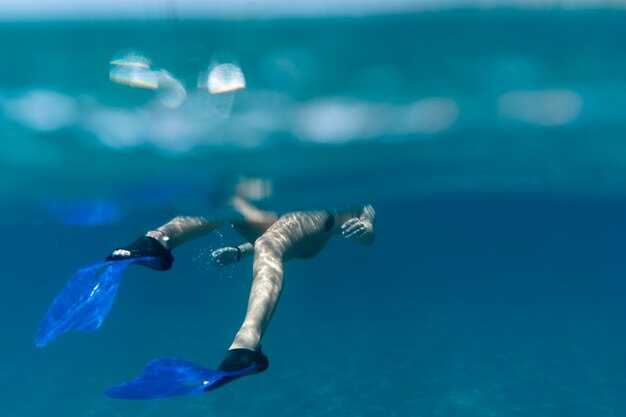
Target late May to early June for your trip: visibility tends to be clearer and water warms into the 78–85 F (26–29 C) range. In Pinellas County, including petersburg, access to reef sites remains straightforward via local tours. the calypso wreck offshore is a reliable option for two dives or more, with card payments accepted for quick bookings and domestic operators delivering predictable schedules. For a quieter experience, choose less crowded days in this window.
Visibility by season: winter runs 10–20 ft; spring and early summer bring 20–40 ft, with offshore sites reaching 50 ft on calm days. The level of clarity rises with lighter winds and afternoon calm; plan your dives around stable weather to maximize reef time and sightings around them. There is no guarantee of perfect conditions, so check information and have a backup plan.
Marine life patterns follow the calendar: winter sees more manatee and dolphin sightings in sheltered bays; spring brings juvenile reef fish along ledges; summer adds pelagic species, rays, and larger fish around reefs. Early mornings and late afternoons yield the most sightings; warm water keeps wildlife around longer, and the calypso wreck area often hosts greater activity. Remember, you share responsibility for respecting wildlife and reef health.
To plan effectively, choose domestic tours that provide clear information and safety guidance. The guide speaks safety briefings in plain terms and helps you select routes that maximize access around reefs while keeping currents manageable. Pack citrus-scented sunscreen and a swim suit; many operators accept card payments and offer gear rental, making the experience easier for family trips. This help comes from guides who speak plainly and adjust plans on the fly for them.
Safety and logistics: respect local safety rules, differentiate sheltered bays from offshore zones, and follow your guide’s pace. For interstate travelers and domestic visitors, have a backup plan if weather shifts. Ensure you have access to emergency information and keep a charged phone for contact if needed. You shoulder responsibility for wildlife and personal safety, as well as leaving the sites in better condition than you found them.
Seasonal planning tips in brief: book early to reserve slots for two or more dives, monitor daily forecasts from local sources, and check sightings trends before heading out; this helps you adjust gear, suits, and schedules to maximize enjoyment around them.