


 Română
  English (UK)
  Русский
  العربية
  日本語
日本語  한국어
한국어  Magyar
  Türkçe
  Español
  Čeština
  Svenska
  Português
  Ελληνικά
  Suomi
Suomi  Nederlands
  Italiano
  Français
  Polski
  Українська
  Deutsch
  简体中文
简体中文  Slovenčina
 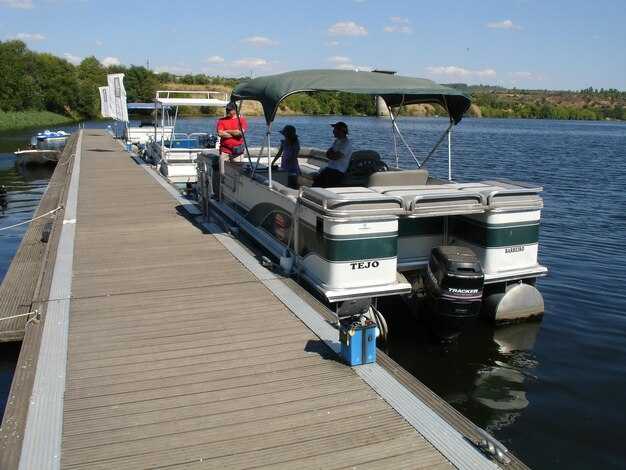 Ghid complet de cumpărare a ambarcațiunilor tip ponton – Cum să alegi ambarcațiunea tip ponton perfectă">

Choose a pontoon that fits your family’s routine: a three-tube layout for stability, seating for 6–12, and a deck designed for lounging and socializing. Before you shop, write down your family’s top three activities–relaxing on the deck, fishing, and social lounging–and set a realistic budget. Without this clarity, you may chase features that dont open doors to real everyday enjoyment.
What to check next opens a path to reliable performance. This work begins with a clear spec sheet. Focus on hull design and tube construction: three-tube pontoons with 25–28 inch tubes offer smoother rides in chop. For families, a beam around 8.0–8.5 feet provides space for lounging and safe passage. A 115–200 horsepower outboard suits most lakes; more horsepower speeds up planing but increases fuel use. Check the maximum capacity to stay within possible seating and gear. Work with a trusted dealer who explains warranty coverage and service intervals, and consider accessories that boost comfort and safety.
Plan your layout around your everyday uses: family lounging at the dock, kids playing near the bow, and occasional fishing. Choose a deck height that makes entry easy and a boarding ladder that matches your water activities. born from practical design, modular seating keeps the space flexible; look for seats that flip to create a fishing station or a relaxing lounging area. Consider accessories like a fish-finder, rod holders, cooler racks, and a shade canopy. If youre shopping, tackle storage challenges by comparing options on 3–5 models to see how they stack up on seating, storage, and ballast.
Questions to compare models include: what is the dry weight, what is the payload capacity, how easy is it to add accessories, and what is the service network. This factor helps you compare models on safety and convenience, and help you feel confident in the choice. A good buyer should ask these questions early; youre making a long-term purchase. If you have a pet or small kids, check safety rails and fender protection. dont forget to take a water test with the family and verify the layout fits your storage limits and tow vehicle. You should leave the lot confident in your choice.
Once you settle on a model, arrange a trial on water with the family, test the seating for comfort, verify onboard storage, and evaluate the ladder and railing height. Confirm that the accessories you want–fish-finder, cup holders, shade canopy, sunpad–are compatible with the cockpit layout. This approach yields a boat that supports relaxing days, reliable fishing, and easy lounging for years to come.
Practical Steps for Buying a Pontoon Boat
Determine your budget and plan how your family, friends, and groups will use the vessels before you shop. Set planning targets for price, features, and when you will buy to avoid delays.
Choose the type of pontoon that fits your needs: a family cruiser, an entertainment model, or a fishing-focused design; look at models from several brands to compare layouts and seating.
Review seating arrangements: consider bench layouts, multiple chairs, and bunk options for overnight trips; map out how the seats and chairs will be arranged for groups.
List amenities that matter: shade, a lift for easy docking, a reliable stereo, cup holders, fishing stations, and the quality of upholstery.
Check capacity and payload: determine how many people you can carry safely and how much gear you can bring; this informs option choices for family trips and friends gatherings.
Inspect construction and materials: look at hull, decking, rails, and upholstery. Verify lift mounts and motor brackets are marine-grade.
Test on water: take a test ride to assess stability, handling in turns, acceleration, and braking; note any vibrations or deck flex.
Explore options and compare data: look at several models, compare price per foot, maintenance costs, warranty terms, and dealer support; know their service networks and parts availability; the work of comparing options, looking at details, helps you decide.
Plan the purchasing process: gather quotes, confirm financing, insurance, and storage needs; decide whether you will keep the vessel at a marina with a lift or at home.
Finalize the purchasing details: confirm titles and registrations, schedule a sea trial, and set a delivery date; ensure all inclusions are written into the contract.
Define Your Intended Use and Required Capacity
Start with a plan for six to ten aboard and gear, and select a pontoon with a usable payload around 1,800–2,400 lbs.
Identify your main activities: casual cruises, angling, water play, and overnight stays. Two comfortable lounge zones, a shaded area, and quick access to the deck increase versatility for a full day on the water.
Angling setup: consider rail height, rod storage, deck space for casts, and an aft or bow area that stays walkable when lines are out.
Check the capacity plate and add gear weight to the plan to stay within limits. If you are planning longer days, choose a layout with flexible seating and a wide access path to move between zones easily.
Ask the dealer about options for sun protection, stereo, and storage solutions. A clear plan helps avoid crowded spaces and keeps the crew comfortable from dawn to sunset.
Compare Pontoon Boat Types: Classic, Tri-Toon, and Luxury
Choose Classic if you want value and easy handling; Tri-Toon for larger groups and a smoother ride; Luxury for premium amenities and built-in systems. These vessels fit different preferences and water environments. If youre deciding, you can find the option that best aligns with your plans.
Classic Pontoon
- Capacity: 8–12 person; lounge layout helps you find a comfortable seat for everyone.
- Size and amenities: 20–22 ft deck, built-in stereo, cup holders, ample storage; add accessory options like a trolling motor and Bimini top.
- Performance on water: cruise speeds around 18–28 mph; engine sizes commonly 115–150 horsepower; ideal for calm waters and light watersports.
- Value and use: simple maintenance, easy handling, and quick setup make it ideal for weekend cruises and smaller groups. If youre new to pontoon ownership, this vessel helps you learn the basics fast.
Tri-Toon Pontoon
- Stability and space: triple-hull design yields a larger deck and steadier ride on choppier waters; capacity 10–16 person.
- Performance and power: higher top speeds around 28–40 mph with larger engines; adds more horsepower for towing tubes or wakeboards; youre able to enjoy watersports with confidence; a stronger engine adds horse for towing tubes.
- Amenities and layout: more built-in storage, upgraded seating, larger helm, and extra lounge areas for groups; built-in guardian safety features help you feel secure on long days.
- Value and versatility: higher price than Classic, but greater versatility for day trips and bigger groups.
Luxury Pontoon
- Premium features: upgraded upholstery, climate-controlled seating, built-in beverage centers, premium audio, LED lighting; built-in options like a fridge or sink are common.
- Capacity and space: larger deck and multiple lounge configurations; 12–20 person depending on model.
- Performance and ride: engines from 200–350 horsepower; fast planing and smooth handling in chop; ideal for longer days and faster cruising with plush seating.
- Finish and safety: high-quality materials and dedicated storage; guardian-level safety features for you and your guests.
- Best use: entertaining upscale groups, family gatherings, and turnkey experiences without extra upgrades.
Decision considerations
- Preferences: seating style, built-in amenities, storage, and entertainment options.
- Questions to consider: how many person you typically host, what watersports you pursue, what gear you store, and your budget.
- Plan: Classic covers value and ease; Tri-Toon fits larger groups and more deck; Luxury adds premium finishes and tech.
Set a Realistic Budget and Plan Financing Options
Set a hard max total price and secure pre-approval before visiting dealerships in your state. A clear cap on what you will spend keeps you focused and makes it easier to compare options. Start with the total you can comfortably pay, not just the sticker price, and plan for taxes, fees, and trailer costs.
Next, determine true ownership costs. Budget for monthly payments, annual insurance from $250–$800 depending on value and location, marina storage around $2,000–$6,000 per year, and maintenance at 4–8% of the boat’s value annually. Add fuel, cleaning supplies, and seasonal covers. Use a 5- to 7-year loan as a baseline; a longer term lowers payments but raises total interest. A down payment of 10–20% reduces monthly costs and improves terms; if only a small down payment is possible, expect higher payments and adjust the loan term to keep the number reasonable.
Next, explore financing options: dealership financing, bank loans, credit unions, and personal loans. Get pre-approvals from two or three lenders, then compare the offers in writing. In many cases, a pre-approval yields a lower rate than the on-lot deal and gives you leverage to negotiate. Check whether the deal includes built-in benefits like warranties or maintenance plans.
Seasonal timing matters. Shop during the off-season or as models end their run; many dealers run promotions when stock is higher and demand is lower. End-of-season promotions can trim price by 5–12%, especially for models that were built this year or last year.
When you compare, weigh built-in features that add value against their price tag. built-in storage, comfortable seating, and sturdy railings matter for long days on waters; navigation systems and handling aids improve safety. Look for chairs with ample space for your feet and check that the layout supports easy movement along the deck. Ask for a complete price breakdown for each option and confirm whether items like a built-in radio or upgraded seats are included or offered as add-ons.
Tips to stay on track: set a schedule, forget distractions, and review the number of options you actually need. Steps to lock it in: 1) set the budget ceiling; 2) obtain pre-approval; 3) compare offers from dealerships and lenders; 4) run the numbers with a calculator to ensure the monthly payment fits; 5) sign a written agreement that lists total out-of-pocket costs and any warranties. Before you sign, verify deadlines and any extra fees that could affect value.
Reach out to friends, family, and boating groups for references and real-world costs. They can share tips, point you to reputable dealerships, and help you compare total cost rather than sticker price. provide a clear brief: your budget, the number of people your pontoon must seat, and the waters you expect to cruise. This makes it easier to assess options and trade-offs without forgetting essential details.
Identify Must-Have Features and Accessories
Prioritize seating capacity, built-in storage, and a solid safety package; when purchasing, these choices determine layout, ballast, and how you enjoy water for years.
Here are steps to identify must-have features and accessories that align with your preferences and style, and help you establish the right setup across models. These tips help you determine options before purchasing.
| Step | What to identify | Recommended features and accessories | Note |
|---|---|---|---|
| 1 | Primary use and passenger load | Modular seating, bunk cushions, up-front gear area, built-in cooler | Capture your typical crew size; aim for room to move around |
| 2 | Size, layout, and models | Length 20–24 ft, 8–9 ft beam, models with convertible lounge and bow seating | Balance weight and performance; check capacity label |
| 3 | Storage and comfort | Under-seat storage, dry storage lockers, built-in cooler, bunk cushions | Ensure easy access to storage from both sides |
| 4 | Electronics and entertainment | Marine stereo with Bluetooth, USB charging, waterproof display, deck lighting | Choose marine-grade components; plan wire routing |
| 5 | Safety gear and handling | Life jackets for all, throwable device, fire extinguisher, anchor with line, fenders, first-aid kit | Keep within reach; update annually |
| 6 | Power, propulsion, and transport | Trolling motor, dual battery setup, shore power connection, trailer compatibility, bunk on trailer | Check hitch class and braking; ensure the model fits your trailers and space |
As youre refining your list, compare more models against your must-haves and run a test layout with your crew. Talk with friends with vessels and captains for real-world feedback and plan upgrades as your preferences evolve.
Vet Dealers: Brand Reputation, Warranty, and After-Sales Support
Choose dealerships with a clear, written warranty and a brand reputation you can verify. Look for a policy that covers pontoons’ main components, built-in systems, and upholstery, and confirm whether service is handled in-house or through the manufacturer network. Check deck space in feet and whether the layout feels wide for your crew, bunk seating, and gear.
Know that reliable after-sales starts with transparency. Before you sign, review service logs, third-party reviews, and any published response times. If you want, ask for references and a breakdown of typical turnaround for warranty work, so you can assess their ability to help you out on cruising weekends. Also check scissor exclusions in the fine print to understand limits. Make sure you know exactly who handles claims and what counts as an emergency.
The next step is to identify what the warranty includes and what it excludes. Request a copy of the warranty booklet, and verify how long coverage lasts for pontoons, motors, built-in electronics, and upholstery. If youre evaluating options, ask about on-site work, loaners, and whether the dealership can perform updates without removing the boat from the water. Also check bunk cushions and seating support for coverage under wear or damage. Ask for coverage details so you can plan planning maintenance without downtime.
Between dealerships, compare the service network, spare-parts availability, and the frequency of routine maintenance. Ask about planning and scheduling–some shops offer flexible hours, extended maintenance plans, and access to technicians who can work on logs from past services and upcoming checks. Ensure there’s a clear path for additional maintenance needs, and discuss costs over the term.
Submit a ready-made questions list to each dealer to ensure consistent answers. Key questions cover how they handle component failures on pontoons, response times, and how they communicate updates. Include questions about the dealership’s ability to provide help with cruising gear, and how they support you before, during, and after a purchase.
If youre planning this purchase, weigh the factor of a dealer’s proximity to your launching sites, the quality of after-sales support, and the availability of trained technicians who can identify issues quickly. Ensure they provide wide service hours, a robust parts stock, and the ability to work on maintenance logs and third-party inspections so you arent left waiting. Remember: real balance on the water depends on feel, not just horse numbers, so schedule a test cruise to verify performance.