


 Română
  English (UK)
  Русский
  العربية
  日本語
日本語  한국어
한국어  Magyar
  Türkçe
  Español
  Čeština
  Svenska
  Português
  Ελληνικά
  Suomi
Suomi  Nederlands
  Italiano
  Français
  Polski
  Українська
  Deutsch
  简体中文
简体中文  Slovenčina
 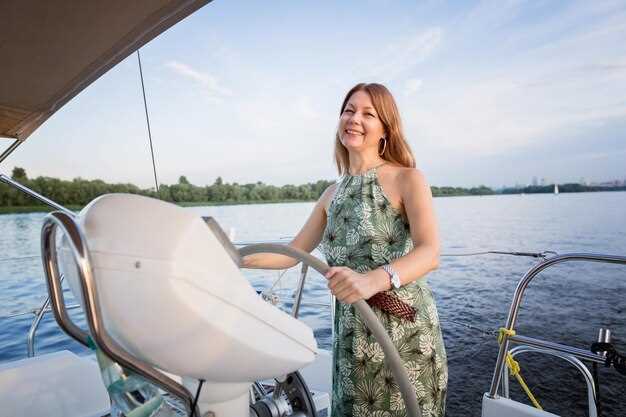 Choose the Perfect Yacht for Your Croatia Sailing Adventure">

Choose a state-of-the-art catamaran with four cabins and a wide cockpit to start your Croatia sailing adventure with comfort in mind. In istria and along the Dalmatian coast, a well-built vessel delivers stable handling, generous spaces, and easy living on deck.
Plan your route around the best weather windows, typically late May to September for steady winds and clear seas. A yacht with reliable air conditioning, solar power, and a robust electrical system keeps your crew relaxed after a day of yachting along Sibenik’s islands and the Kornati archipelago, and it helps you relax at the moment you reach a sheltered cove.
Look for spaces that support family life: a dedicated saloon, well-separated cabins, and safe exterior stairs. A boat built with quality gear offers comfort and safety, while built-in water toys–kayaks, paddle boards, and snorkeling gear–keep the kids entertained during calm lagoons and busy marinas.
For an authentic vacation, choose an operator with transparent specials and clear itineraries. Start with a short drift along the istria coast, then cruise to Sibenik’s archipelago, pausing in a lagoon sheltered by pine forests and protected coves where you can swim and sunbathe without crowds.
In Sibenik, book a guided day to explore Krka’s waterfalls inland and navigate the protected bays around the Kornati. A good guide will map daily options that balance sailing time with quiet anchors, so your authentic experience feels personal rather than scripted.
Respect local conservation rules and pick a charter with eco-friendly gear and reef-safe sunscreen. With a concise plan, you can relax on deck, admire swan silhouettes in calm harbors, and savor Croatian flavors while your captain handles the wind and weather.
Superyacht News & Croatia Sailing
Opt for a september charter on a 50–60m yacht with expansive windows and robust equipment to maximize comfort while cruising the Dalmatian coast. Most vessels boast open-plan saloons, a generous head for guest use, and a crew ready to tailor itineraries to your preferences. Average weekly rates for mid-size yachts in september hover around €150,000, with top-tier options at €200,000–€250,000 when you add tenders, spa spaces, and a selective wine display.
Across the coast, plan visits to villages like Trogir, Hvar, Korčula, and Vis, where stone alleys, seafood taverns, and coves create a vivid Croatian story. The september season also highlights wine country: the vineyards around Pelješac and Korčula offer tastings and guided tours. There, lucien-inspired interiors create bright spaces with wide windows and a calm vibe.
To choose what charters deliver, focus on a yacht with a dependable launch platform for tenders, robust equipment, and a headroom-friendly layout. Check the bridge electronics, Wi-Fi, satellite communications, watermaker, and a spare boat; ensure the crew size and provisioning are enough to cover a week across the coast.
Plan Your Croatia Route: Dalmatian Coast, Kornati Islands, and Island-Hopping Highlights
Begin your Croatia route in Split for a 7–8 day loop that keeps sailing times comfortable and harbour access convenient. A charter equipped with modern systems lets you sail between Dalmatian towns, hop between beaches, and return to Split or finish in Zadar. For an opulent, Mediterranean experience, choose a Sunreef-equipped sailing yacht or motor-sailer, and map daily legs of 3–4 hours.
Along the Dalmatian Coast you’ll hit iconic spots: Split’s Old Town, the marble alleys of Trogir, and the fortress views above Šibenik. From there, glide to Brač for the long beaches near Bol and to Hvar Town for lively harbours and scenic coves. Korčula adds a medieval heartbeat with fortified town walls and pine-framed shores. Each stop pairs historic charm with modern eateries, making every harbour visit a balanced mix of culture and coastline.
The Kornati Islands deliver unparalleled scenery with reduced crowds. Anchor in sheltered coves around Kornat, Žut, or nearby Murter and Biograd access points to shorten long hops. In calm conditions these coves turn into a canvas of turquoise water, limestone contours, and sunreef-perfect movie-set views. You might alternate between sailing legs and short motor hops to maximize time in the most photogenic spots.
Island-hopping highlights unfold as you weave along the coast: Italian-influenced architecture echoes in coastal churches and gelato-friendly towns, while rugged islets frame beaches worthy of postcard shots. Meet locals in intimate fishing harbours, taste olive oil and anchovies at family-run tavernas, and scan the horizon for islands that showcase both tradition and modern hospitality. Whether you choose a windward route toward Vis and Korčula or loop through the Dugi Otok archipelago, each day offers new views and fresh discoveries.
Practical planning notes help you tailor the plan: pick a base on Split or Zadar and let the route evolve with wind and currents. If youre seeking a smoother schedule, opt for a motor-sailing combination that preserves time for beach days and sunrises. For access to premium amenities, select a charter with equipped cabins and a spacious deck; many operators offer packages that include skipper services to simplify navigation in busy harbours. If you fly into Pula first, you can add a land stay to stretch your Mediterranean experience before heading to the southern coast to begin the sailing leg. Overall, the route balances beauty with efficiency, offers diverse landscapes, and minimizes average crowding in the peak season.
Size, Layout, and Crew Needs: Matching Yacht to Your Party
Choose a 4-cabin catamaran for a party of up to eight guests with a captain, chef, and steward, because the spacious beam, private cabins, and seamless social areas create an unforgettable week without compromises.
-
Group size and yacht type – For 2–4 guests, a 2–3 cabin monohull or a compact catamaran works well; for 4–6 guests, a 3–4 cabin yacht with en‑suite heads boosts privacy; for 6–8 guests, prefer a 4‑cabin catamaran (or a 5‑6 cabin motor yacht) to ensure everyone has a comfortable stateroom and easy access to shared spaces.
-
Layout priorities – Prioritize a master cabin with forward access and a private head, plus two guest cabins located midships for balance. A galley‑up layout or a well‑placed galley with a panoramic saloon windows arrangement makes cooking and socializing seamless. Look for a roomy aft cockpit and a second deck area (flybridge or upper cockpit) for al fresco dining and acapella moments in the breeze.
-
Living space vs privacy – Catamarans widely outperform in living space thanks to separate hulls and a spacious beam, while monohulls excel in speed and efficiency. If your crew values independent access to outdoor decks, a double‑hull design offers widely separated social zones with less crowding during peak sailing and anchoring in island coves.
-
Crew configuration – Aim for a three‑person crew for up to eight guests: captain, chef/steward, and a deckhand. For larger groups (8–12) add a second steward and a sail‑handling or bow‑watch specialist. A reliable crew ratio ensures you spend more time sailing and less time waiting for service.
-
Navigation and safety – Insist on modern navigation gear (GPS chartplotter, AIS, radar, satellite communication) and a capable anchor system. An experienced skipper with local knowledge of argo routes and marina protocols reduces stress when entering Croatian bays and anchoring near island gardens.
-
Budget and specials – In shoulder seasons you’ll find specials that reduce weekly base rates, but keep crew, provisioning, and port fees in mind. Plan a realistic weekly budget that includes fuel, skipper gratuities, and a modest provisioning allowance so you can enjoy your time aboard without surprises.
-
Itinerary fit for week – A typical Croatia sailing week threads between island stops and sheltered coves, with a balance of sailing and anchor time. Favor routes that minimize long hops, preserve time for swimming, and allow spontaneous escapes to nearby island towns or traditional fishing harbors.
-
Space for shared and private moments – Ensure enough outdoor deck areas for your crew to gather for meals or sunset moments, while private cabins provide quiet windows to retreat when needed. A large beam and multiple doors to the cockpit help create a seamless flow between inside and outside.
-
Experiential touches – Plan for exciting social evenings in quiet coves, where you can look out over the water from the beam or bow and enjoy calm acoustics, perhaps with a light acapella chorus; small touches like these make the week deeply memorable.
-
Final decision cues – If youre aiming for a truly flexible schedule, choose a catamaran with four cabins and two front access routes to cabins, so guests can wake up to sunrise over an island view. For speed and agile maneuvering in busy harbors, a well‑set monohull with strong navigation and a capable crew can deliver a different kind of unforgettable experience.
In sum, match the party size to cabin count, favor a wide beam for ample common areas, ensure a capable crew, and prioritize navigation and practical layouts. Your yacht choice should empower you to create an adventure that feels tailor‑made for your group, so you can escape crowds, spend time together, and return home with memories that stay with you long after you dock.
Charter Types Compared: Crewed, Bareboat, and Luxury Yacht Charters
First, Crewed charters are the easiest path for Croatia sailing. The crew is designed to handle navigation, provisioning, meals, and onboard safety, so your days focus on relaxation and watching the coastline from the deck. Guest rachel notes how seamless it feels, and how evenings in villages become memorable.
Bareboat charters suit those with sailing certificates who want freedom to learn by doing. Whether you travel as a couple or a small crew, you pick the route and head to coves at your own pace. Catamarans and mono-hull vessels designed for stability help easy handling, but you must manage navigation and mooring yourself. Rates are generally lower here, and the total cost may drop if you skip formal skipper services. The average weekly rates vary by season, and you can learn more by contacting suppliers.
Luxury yacht charters boast exclusive services, private chefs, and tailored itineraries. The vessel offers stylish interiors and attentive crews that elevate every day on the water. Rates are higher, but guests enjoy privacy, personalised shore visits, favourite routes, and the option to celebrate milestones onboard. Some fleets exclusively feature catamarans when space and living areas matter, creating a beauty of a floating villa.
To choose quickly: for effortless evenings and care-free days, Crewed wins. for independence and active learning, Bareboat wins. for privacy, lavish comfort, and exclusive access, Luxury wins. Consider your guest list, preferred villages, and how you want to spend your time here on the coast, then match the charter to your adventure.
Seasonality and Weather Windows: Best Times for Croatian Waters
Begin your Croatia charter in May for pleasant days, clear seas, and long daylight, with easy hops between Sibenik, Pula, and the islands along the adriatic coast.
From May into June, air hovers around 17–25°C and sea temps turn 15–22°C, inviting swims and comfortable sailing for guest crews. Morning light breezes give way to a pleasant afternoon breeze, making island hopping smooth. Learn the ropes on equipped yachts as your crew takes care of everything, while you enjoy local food and wine in towns like Sibenik and Pula. There are plenty of anchorages along croatias coast.
June through August delivers ideal conditions for island hopping along the adriatic. Expect steady winds in the 10–18 knot range, long sunny days, and sea temperatures around 23–26°C, making yachts and sailors comfortable in hot afternoons. You can visit famed beaches, snorkel in crystal coves, and sample traditional food and oyster tastings in Mali Ston, plus wine tastings in nearby villages.
September remains a favorite: fewer crowds, warm water around 22–25°C, and steady winds that let you stretch hops between coastal towns without peak heat. It is ideal to explore Pula’s history and to enjoy local wine and seafood against a quieter backdrop.
Octombrie poate aduce mai mult vânt și ploaie ocazională; planificați traversări mai scurte și ancorați în golfuri sigure, cu temperaturi diurne în jur de 18–23°C și temperaturi ale apei în jur de 18–20°C. Veți avea încă serile senine pentru seri cu vin pe punte, în timp ce câteva ferestre meteorologice mențin coasta Croației accesibilă pentru navigarea de sfârșit de sezon. Unii oaspeți întreabă despre schi în munți, dar coasta Adriaticii rămâne confortabilă pentru navigarea în toamnă.
Fereastrele meteo dintr-o privire oferă o modalitate practică de a vă mapa itinerariul de-a lungul coastei Adriatice, de la farmecul istoric al Pula până la rădăcinile navale ale Sibenik, menținând în același timp fiecare etapă plăcută pentru echipajul și oaspeții dumneavoastră.
| Month | Temperatura medie a aerului (°C) | Temperatura medie a mării (°C) | Typical Winds | Best For |
|---|---|---|---|---|
| May | 17–21 | 15–18 | Ușor spre moderat (până la ~10–12 noduri) | Sărituri delicate, învățare, itinerarii prietenoase cu invitații |
| June | 20–25 | 15–22 | 8–16 noduri | Snorkeling, orășelele de coastă, rutele din sezonul incipient |
| July | 25–30 | 23–26 | 12–20 noduri | Peak yachting, long hops, Kornati, Brac, Hvar |
| August | 25–31 | 23–26 | 12–20 noduri | Festivaluri, porturi animate, mese rafinate |
| September | 21–28 | 22–25 | 8–16 noduri | Mări mai calme, degustări de vinuri și stridii, călătorii prin patrimoniu |
| October | 18–23 | 18–20 | 12–20 noduri | Navigație în sezonul târziu, distanțe scurte, ferestre fiabile |
Esențiale și jucării la bord: Facilități indispensabile pentru o croazieră în Croația

Împachetează un kit medical compact la bord, remedii pentru răul de mare, protecție solară, o husă impermeabilă pentru telefon și echipament de rezervă, cum ar fi un trusă de scule de bază și aripioare suplimentare pentru a face față porturilor calme și vânturilor bruște, economisind timp în timpul vizitelor la mal.
Pentru navigație și siguranță, actualizați-vă echipamentul de navigație cu hărți rezistente la apă, un GPS portabil, un radio VHF și o busolă fiabilă; citiți despre condițiile din port și verificați acoperirea de-a lungul coastei kornati și a coastei sibenik înainte de săriturile dintre golfuri.
Jucăriile și echipamentele de relaxare la bord includ paddleboard-uri, seturi de snorkeling, un tub de remorcare sau wakeboard, șezlonguri gonflabile și echipament de pescuit; desemnați un colț liniștit pe punte pentru a admira apusuri de soare idilice în timp ce navigați și vizați cele mai pitorești locuri din jurul kornati.
Serviciile și echipajul mențin atmosfera relaxantă: stabiliți frecvența aprovizionării, prosoapele și curățarea zilnică și o verificare de întreținere prietenoasă cu șantierul naval; această configurație face ușor să sărbătoriți nopțile la bord sub cerul înstelat.
Accentul pe destinație și cheltuieli: adaptați planul zilei la ritmul navigării în arhipelagul Kornati și de-a lungul coastei Sibenik; echilibrați locurile turistice cu golfuri liniștite și alegeți închirieri care schimbă porturile pentru a admira frumusețea fără mulțimi, menținând flexibilitatea în funcție de vânturile și condițiile mării în schimbare.