


 Română
  English (UK)
  Русский
  العربية
  日本語
日本語  한국어
한국어  Magyar
  Türkçe
  Español
  Čeština
  Svenska
  Português
  Ελληνικά
  Suomi
Suomi  Nederlands
  Italiano
  Français
  Polski
  Українська
  Deutsch
  简体中文
简体中文  Slovenčina
  Catalina Scuba – A Complete Guide to Diving Catalina Island">

Start with a practical recommendation: book a guided shallow-water session along Catalina Island’s west end to map your first routes, because some places tend to offer calmer seas in the morning. Bring sunscreen, a light wetsuit, and comfortable footwear; if you stay at a hotel on Avalon, you can align a morning briefing before you head to the dock.
Islands off Catalina host diverse habitats. Underwater banks along southern coves concentrate life, with schools of fish moving over sand and kelp. Look for white sea urchins on rocky ledges and chances to glimpse octopus and garibaldi in shallow frames.
For gear, keep it simple: mask, snorkel, fins, and a buoyant surface marker if you drift. Sunscreen helps protect skin, especially when you linger on the surface after a great morning session. If you’re in your mid-50s, pace yourself, drink water, and plan longer surface intervals between shorts submersions.
Access varies: some beaches require stairs down to the water, while others offer easy ramp entries. Although conditions change with tides, a short boat hop can widen your options and reduce gear challenges. To ensure safety, a guided crew covers local rules. For beginners, a guided trip also helps you stay safe și maximize time in the water without extra hassle.
To keep your itinerary practical, target popular sites like Casino Point Marine Park, Farnsworth Bank, and Pelican Point when conditions cooperate. Start early for calmer seas, then switch to island towns for lunch and a stroll along the harbor. The variety of places to visit, from beaches to reefs, makes Catalina Island a reliable choice for memorable experiences.
Overall, Catalina Scuba offers a great balance of adventure and relaxation. The water around Catalina is beautiful and crystal-clear most days, the coastline is beautiful, and the local crews have expert knowledge to help you enjoy every step. After your sessions, you have abundant options to relax–from beaches with soft white sand to hills with coastal vistas–and you’ll have plans to return to these islands again.
Practical Insights for Diving Catalina Island and the Wetsuit Decision
Recommendation: wear a 3/2 mm full wetsuit with 3 mm booties for most Catalina trips; add gloves (3–5 mm) and a hood when October air cools and the water dips. This setup keeps guests comfortable on popular sites while remaining suited for longer exploring days around the harbor and beyond.
- Seasonal wetsuit guidance
In summer, water sits around 68–75°F (20–24°C), so a 3/2 mm suffices and gloves aren’t necessary. As temperatures drop into September and October, switch to a 4/3 mm or 5/4 mm with booties, and consider a light hood if you feel the chill. For winter trips, plan a 5/4 mm or 5/4 mm with a hood and gloves; many guests also carry a drysuit as an option for prolonged experiences.
- Gear to bring
- towel and a compact beach towel for between dives
- spare batteries or a small power bank for cameras
- dry bag and energy snacks for travel from the harbor
- reef-safe sunscreen and a lightweight rash guard
- spare layers and, if you’re sensitive to cold, an extra pair of gloves
- Sites and experiences to explore
Catalina’s popular sites sit around the harbor and along the surrounding coastline, offering kelp corridors, caves, and sunlit reefs. Exploring 3–5 content-rich sites gives you a mix of sheltered and current-exposed experiences. You’ll often see sea lions and garibaldi; through kelp beds you can expect a dynamic range of visibility and marine life. For unforgettable moments, plan early starts and keep a steady pace so you can discover more without rushing your surface intervals.
- Logistics for guests
Travel to Avalon means a short boat ride from the mainland; check the morning schedule and arrive with enough time to suit up near the harbor. Pack light but complete, and bring a towel for post-dive bathing. If you’re traveling with a group, coordinate meet-up points so everyone sits together for safety briefings and gear checks. For missed dives due to weather, many operators offer flexible options and additional dives on later days, ensuring you maximize your time through the trip.
источник tips from local guides emphasize calm entries, buddy discipline, and respecting marine life; these practices contribute to an unforgettable sequence of dives that guests will want to repeat. By preparing with the right wetsuit setup, you’ll discover comfort across a broad range of conditions and create memories that last well beyond your Catalina stay.
Seasonal Water Temperatures and Wetsuit Recommendations for Catalina
Wear a 3/2 wetsuit year-round on Catalina, upgrading to a 4/3 or 5/4 in winter and adding booties (3-5 mm) as temperatures drop; this is the best starting point for both snorkeling and diving, keeping you comfortable through great dives and exploring the underwater world.
Water temps by season: winter 50-58°F (10-14°C); spring 58-64°F (14-18°C); summer 63-68°F (17-20°C); fall 65-70°F (18-21°C). In shoulder months, temps can vary toward the shore, and strong currents can affect readings near reefs and coves where you tend to encounter the most lifelike scenes with beautiful marine life, including the resident lions.
By season, gear guidance shifts: winter calls for a 4/3 or 5/4 with booties 3-5 mm and gloves 3-5 mm; spring and autumn suit you with a 3/2 or 3/2+2 mm as needed; summer usually fits a 2/2 or 3/2, with booties optional on warmer days. For dives, a slightly thicker setup adds comfort when depths increase or winds chill the water; for snorkeling, a lighter suit often suffices for longer time in the water while keeping you protected from sun and motion. Always choose fins that fit snugly for efficient movement and less fatigue in current.
Forecasts and conditions change, so rely on confirmation from your operator before heading out. Expect to adjust your plan toward safety and comfort–check wind, swell, and current forecasts, and bring a light layer for after the session. If you’re a guest planning a trip, remember that Catalina is a popular destination for stunning marine life, and the best experiences come from preparation and flexible gear choices with your fins and other equipment.
When you plan around the ferry, keep arrival times in mind and talk to the operator about water temps and water clarity on the day. A good approach is to expect variable conditions and to be ready to switch between snorkeling and diving routes; this flexibility makes your activity schedule less stressful and more enjoyable for both guest and crew. The horn from nearby boats and harbor alerts helps you stay mindful of traffic toward crowded coves and Lions Rock, where currents can intensify, yet the scenery remains spectacular for exploring and great plays with light and shadows during sunlit hours.
Choosing the Right Wetsuit Thickness and Fit for Catalina’s Waters
First, baseline for Catalina is a 3/2 mm full suit with booties (2–3 mm) for late spring through early fall. This setup keeps you comfortable in water around 68–72°F (20–22°C) and lets you move freely for exploring reefs and kelp beds.
From october through the shoulder season, upgrade to a 4/3 mm or even a 5/4 mm if you tend to feel chilly, especially during longer underwater experiences near deeper spots where currents pull cold water in. A light hood (2–3 mm) helps when air mornings are crisp yet the sun warms the surface.
Fit beats thickness: a snug suit seals at wrists, ankles, and neck to cut down water exchange around the surround, while still allowing easy breathing and comfortable movement. Look for flat seams, 4-way stretch fabric, and knee reinforcement for long explorations. This is a factor you should consider, ever present for Catalina’s changing conditions.
When exploring spots where garibaldi schools, nudibranchs cluster on rocks, and sea lions patrol, you’ll want freedom of movement to reach crevices without pulling the suit. Try a size that feels taut but not restrictive, and test it by bending elbows and touching toes. Choose a fit tuned to the spots you wanted to explore, and enjoy the stunning colors of garibaldi among the nudibranchs.
Safety and planning: assess air and water conditions, schedule your sessions accordingly, and bring a spare set of gloves if your hands tend to go numb. If you book a guided underwater experience, check the schedule and ticket options so you know how long you’ll stay in open water and where you’ll be exploring. The package includes shipwreck and kelp-canopy routes, offering memorable experiences you may want to repeat in October or other months. Let the sea play safely and open water stays welcoming to all.
Some snorkelers prefer a lighter setup and add layers on site. This usually means you need less bulk and more flexibility. Your kit should include a bright surface marker buoy and a small towel for after the session; these additions improve safety for everyone around you. Bring a spare mask or snorkel if you want to change gear, especially if you plan to explore the nearshore reefs where nudibranchs and schools of small fish are common.
| Temp Range (°F / °C) | Recommended Wetsuit Thickness | Note |
|---|---|---|
| 68–72 °F / 20–22 °C | 3/2 mm baseline; booties 2–3 mm | Easy mobility for exploring spots; watch for sun exposure |
| 60–67 °F / 16–19 °C | 4/3 mm | Better warmth; add gloves (3–5 mm) if hands numb |
| 50–59 °F / 10–15 °C | 5/4 mm or 4/3 mm with hood | Consider 3–5 mm gloves; install hood if mornings cool |
| 40–49 °F / 4–9 °C | 5/4 mm + hood; 7/5 mm for very long sessions | Rare; plan for early starts near kelp and shipwrecks |
Best Diving Windows: Visibility, Currents, and Sea Conditions Around Catalina
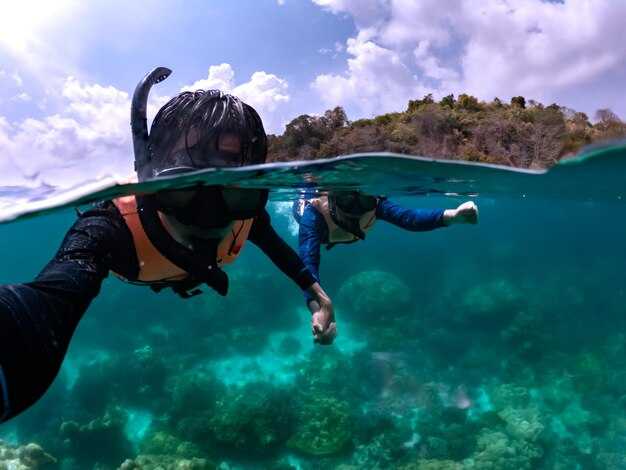
Plan your Catalina visit during late spring to early summer for the clearest water and steadier currents; during winter, visibility can drop and surface chop increases.
Visibility commonly ranges from 20-40 feet in winter to 60-100+ feet on sunny days around banks and the wall, giving you a stunning sense of distance and color when the water is clear.
Currents vary by point and depth. Near the Wall and the surrounding banks, flows typically run 1-3 knots, with stronger pushes during tide changes or windy conditions, so pick days with lighter surface water when you want a comfortable, open-water experience.
Wildlife and submerged features add drama: you’ll often spot sea lions (lions) resting on rocky points, schools of fish around kelp beds, and landmarks such as Horn Point and Torpedo Banks that offer dramatic silhouettes against the blue.
Planning matters: certification requirements and availability of guided tours let you tailor a safe, responsible route. Including a local guide helps you discover the best windows, share route options, and book open-water excursions with confidence.
Gear and practical tips: For winter outings, a fitted drysuit keeps you warm; snorkeling is an easy way to sample Catalina’s conditions during calmer mornings; open-water access points stay open year-round, and your guide can suggest a plan from a shore visit to a full day aboard, including rental options and safety briefings–visit the shop, book your spot, and keep things simple.
Must-Visit Dive Sites on Catalina Island: Access, Depths, and Encounters
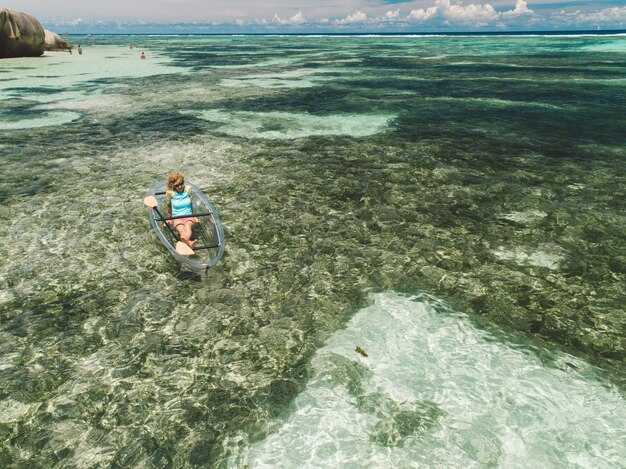
Casino Point Marine Park, Avalon offers your best starting point today for Catalina Island experiences. Access is straightforward: shore entry from the promenade puts you into calm, clear water with depths to about 40 ft near the wall, and plenty of room to practice buoyancy. You’ll meet schools of fish and plenty of contact with reef life as you move along the rocky structure. Visibility is often excellent in late spring and summer, and your equipment should include a 3–4 mm wetsuit, gloves if needed, and a surface marker buoy. During these experiences, focus on smooth buoyancy control, stay with your buddy for safety and maximum enjoyment, and keep your gear suited to Catalina’s conditions.
Blue Cavern delivers an other-worldly glow when sun angles penetrate the water. Access is by boat with a licensed operator; depths typically range from 40 to 60 ft, and the cavern interior creates a vivid blue tone. Great visibility on calm days helps you spot kelp, arches, and a variety of fish along the walls. Contact your operator for the best timing and tides, and carry a light if you plan to explore the mouth of the cavern. Your equipment should include a waterproof camera if you want to capture the scene.
Cathedral Cavern near Two Harbors presents a grand underwater chamber with archways and columns. Access is usually boat-assisted, followed by a short swim into the main area; depths vary from 50 to 70 ft. The space feels other-worldly as light filters through and schools of fish drift by. Currents can change, so go with a local guide if you’re newer to Catalina; you’ll appreciate the safety margins and clear instructions. This site yields plenty of dramatic photo opportunities and a chance to observe octopus and lobster in crevices.
Kelp Forest near Pebble Beach showcases a different mood with towering stalks that sway with the surge. Access can be by boat or shore, depending on conditions; depths from 20 to 50 ft give you a close look at the forest canopy and the bustling life beneath. Expect encounters with garibaldi, halibut, and wrasse, plus shy octopus hiding among the kelp. There are plenty of fish and critters to observe among the kelp. Visibility is variable, but mornings often deliver a bright, vibrant contrast that feels other-worldly. Bring a camera for macro shots and be careful to avoid entanglement by your line and gear while navigating through the kelp.
Practical planning for all sites starts with contacting local operators prior to today to arrange access that matches your schedule, equipment, and experience. They will tailor routes to your level, ensure you stay with your buddy, and provide safety briefings and timely surface intervals. If youre planning today, you will enjoy the experiences and stories that highlight Catalina Island’s underwater life.
Practical Gear and Safety Checklist for Catalina Dives
Always perform a full gear check before any Catalina outing: test your regulator and BCD, verify weights are secure, and ensure your mask seals with a clear, dry fit. This quick check would regularly reduce surprises there and set up safety for the first minutes of the session.
Gear essentials include a mask with a comfortable seal, snorkel if you use one, fins that fit properly, a reliable regulator and BCD, and a belt with enough weights for stable buoyancy. Carry a surface marker buoy, a whistle, and signaling mirror; pack a spare mask, extra O-rings, and a backup light for low-light spots. Think through the things you would need on a trip, and keep a compact spare kit in your dive bag.
Thermal protection: October conditions can vary; water can hover around 60–68°F (15–20°C). October water could require a 3/2 mm to 4/3 mm wetsuit for most trips, with booties 3–5 mm and gloves 3–5 mm when the water cools. If you regularly feel chilly, add a thin hood or an additional 2 mm layer. This is a key thing to expect, especially if you explore deeper zones or kelp banks.
Safety practices: never travel solo; team up with a buddy of a similar experience level; agree on signals and an air-sharing plan; use an SMB to mark your location and a whistle for surface contact. Check air regularly, plan an ascent with a conservative reserve, and respect restrictions and local guidelines at each cove. When currents shift or the weather changes, abort and re-evaluate with your buddy.
Environmental awareness: Catalina offers a lot of life near kelp beds and rocky banks. There are schools of fish, plus spots with anemones and small invertebrates; look but do not touch wildlife. Keep arms close to your body to protect yourself and the reef; move slowly when exploring; stay clear of kelp stalks to avoid entanglement; if you see a school, let it pass and observe from a safe distance.
Planning, health, and travel: hydrate well, sleep before the trip, and limit alcohol to ensure health for the next morning’s session. For travel to Catalina, book reliable transport and check for restrictions or seasonal closures at various beaches or coves in October. Bring medical information and emergency contacts; ensure your insurance covers water activities. This guide helps divers manage risk and know what to expect in variable conditions.
Practical checklist for gear and logistics: a compact clipboard with a plan, a dry bag, a spare battery or two for lights and computers, a waterproof notebook, and a small tool kit. Before each trip, review this list; if you would add anything, adjust. Always check weight limits on travel to the boat; pack to minimize on-deck clutter. This approach would help you travel lighter and stay organized for lots of Catalina sessions and exploring.
With these items in place, divers look forward to safe, enjoyable experiences on Catalina’s underwater scenes, knowing you are prepared for changing water conditions and the most rewarding spots.