


 Română
  English (UK)
  Русский
  العربية
  日本語
日本語  한국어
한국어  Magyar
  Türkçe
  Español
  Čeština
  Svenska
  Português
  Ελληνικά
  Suomi
Suomi  Nederlands
  Italiano
  Français
  Polski
  Українська
  Deutsch
  简体中文
简体中文  Slovenčina
 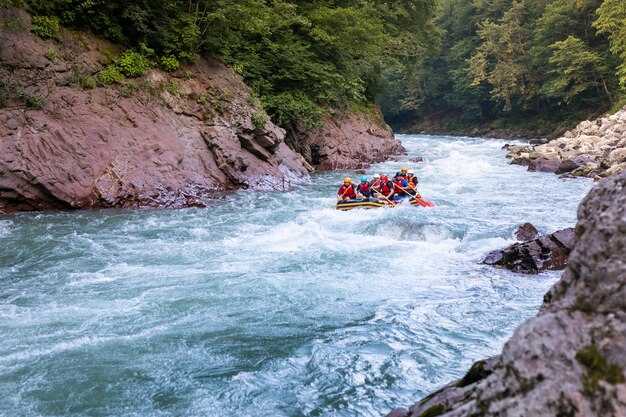 Cel mai bun rafting pe ape repezi din statul Washington – Top râuri și tururi">

Today’s best entry point for Washington whitewater is the Methow River run near Winthrop. It features steady Class III sections, stunning mountain scenery, and guided options for people new to the sport. Guides help you start running rapids safely, making this a friendly, beautiful first experience on the water.
For bigger challenges, the White Salmon River in the Columbia River Gorge delivers wildwater runs with canyon walls and punchy rapids. victoria-area guides bring tight safety checks and precise coaching for mixed-ability groups. Compared to neretva-style canyons, WA rapids here feel more predictable in late spring through early fall, with steady water and reliable flow windows.
The Wenatchee River corridor near Leavenworth provides family-friendly Class III with occasional IV in the gorge. Operators run trips from April through September as conditions warm and flows stabilize, giving paddlers access to cherry blossoms in spring and warm afternoons in late summer. Expect two to three hours on the water and gorgeous waterways framed by beautiful pine mountain views.
On the Skykomish near Gold Bar you’ll find a compact day on Class III–IV. This run is ideal for running trips for sport-minded adventurers and is popular with beginner to intermediate paddlers. Guides emphasize safety with a quick briefing and a shallow water exit plan before you start the run. Peak flows occur in late spring, but shoulder-season trips remain reliable for weather and wildlife watchers.
For seasoned paddlers, the Klickitat River near Goldendale offers more demanding lines with challenging rapid sequences. After power sections, calmer stretches let you recover and enjoy the surrounding waterways and remote mountain scenery. Reserve early in spring to catch the best flows, and work with a guide to select a route that matches your skill level.
Across the Columbia River Gorge, WA-based outfitters provide longer trips that mix rafting with cliff views and warm sun on the water. These trips favor paddlers chasing big-water movement and dramatic scenery, and they pair well with short hikes to scenic overlooks along the river.
Today’s plan is simple: pick a route that matches your experience, book with a certified guide, and keep a flexible schedule. The river running, the company of friendly people, and the mountain and waterway views make for a beautiful day on WA’s rapids. If you want to start your season with momentum, pick Methow for a safe, inclusive starter, and then build to bigger water on the White Salmon or Klickitat later in the year.
Washington Whitewater Rafting Guide
Begin with a Skykomish River trip this spring to catch snowmelt and build momentum on forgiving Class II-III rapids near Seattle. Washington sits among the western states along the Pacific, offering quick access for a weekend escape. Bring a dry bag, a light layer, and a smile–your guides create a safe, fun rhythm that helps first-time rafters gain confidence downstream today. Most Skykomish trips run 3-4 hours, with half-day formats available for a quick, satisfying outing.
- Skykomish River – Western Washington
Overview: Close to the Puget Sound region, the Skykomish delivers steady water from spring snowmelt into early summer. The run is ideal for first-time and family groups, with downstream momentum and powerful yet controllable waves. Proximity to Gold Bar and Index makes logistics simple, and guides tailor pacing to your group. Trip length: 3-4 hours. Bring a dry bag, water, sunscreen, and a light layer. Guides provide helmets, PFDs, and paddles.
- Snoqualmie River – Near Seattle Area
Overview: An accessible option for first-time rafters, offering a scenic canyon and a mix of Class II-III rapids. Springtime flows from rain and snowmelt keep the water inviting but manageable. Proximity to Fall City and North Bend makes the day easy to combine with meals or a riverside stroll. Typical trips run 3-4 hours. Bring extra socks and a snack; guides adjust the pace and safety brief to your group.
- Wenatchee River – Leavenworth Area
Overview: The Wenatchee Gorge brings basalt walls and clear water, with a progressive sequence of rapids suitable for first-time to intermediate paddlers. Peak snowmelt flows appear in late spring, yet lower sections stay runnable into summer. Most trips last 3-4 hours, with easy access from Leavenworth for post-raft dining. Proximity to town plus windy shoreline options can attract kiteboarders on calm afternoons. Bring sunscreen, a hat, and a dry bag for gear. Bring water and a light jacket; guides emphasize technique and safety.
- Methow River – Winthrop Area
Overview: The Methow provides a family-friendly, progressive ride with long, scenic bends and Class II-III rapids. Snowmelt from May through July sustains reliable flows. Most trips run 2.5-4 hours, with quick access from Winthrop and Twisp. Guides focus on pacing and safety to help you build confidence and end with a positive mood. Bring a change of clothes and a snack; you’ll likely leave with stories and a ready-to-repeat momentum on the water.
- Klickitat River – Near Mt Adams Region
Overview: The Klickitat blends a steady progression of rapids with canyon scenery, offering a solid step up for paddlers moving from II to III. Spring snowmelt boosts flows, keeping the river lively into early summer. Fewer crowds and closer proximity to Trout Lake provide a convenient Western state option for a half- or full-day trip. Guides tailor the sequence to your group, making it approachable for first-time paddlers while preserving challenge for more confident paddlers. Trip length: 3-4 hours. Bring a dry bag for gear and a snack to enjoy on the riverbank.
- White Salmon River – Klickitat County
Overview: An iconic Pacific Northwest run, the White Salmon delivers punchy, downstream rapids with high water in spring and early summer. It suits experienced paddlers seeking a memorable challenge, with a long day that emphasizes teamwork and precise strokes. Flow can reach high during peak spring runoff, so book with a guide who prioritizes safety and rescue procedures. If you’re new to rafting, start with the gentler options above and save this standout for a later trip.
Which WA Rivers Are Best for Beginners (Rapids, Access, and Scenery)
Begin with the Wenatchee River near Leavenworth for a reliable, beginner-friendly intro: steady Class II rapids, short sections, and easy access from US-2. In September the flow stays predictable, the high west wilderness scenery frames basalt cliffs and evergreen forests, and safe eddies invite short swimming breaks under supervision. Premier local outfits provide courtesy safety briefings with guides like Zach, and zach offers quick safety tips for first-timers, making the experience even smoother.
Beyond Wenatchee, the Skykomish River near Gold Bar offers a dependable run of Class II rapids with easy access and short shuttle times. The Snoqualmie River around Fall City delivers a friendly, scenic option with well-developed put-ins and a gradual grade through evergreen and cottonwood corridors, making it ideal for learning. A first-timer can ride as a rafter on this stretch while a guide explains river flow and safety basics.
The Yakima River near Ellensburg adds another beginner-friendly choice: longer, forgiving sections, warmer water in late season, and straightforward access from I-82. The route ranges from rolling foothills to sagebrush flats, and salish mists rise early in the canyon. The scenery feels virginia-sized dramatic at points, while the river provides steady flow throughout the day. Local crews provide safety briefings, gear checks, and on-river oversight to all riders.
How to choose a trip: seek a premier operator with a developed safety program, clear gear, and real-time flow updates. Pick routes that stay at Class II for the whole trip and offer easy exit points. Check September flow patterns, confirm the guide-to-paddler ratio, and ask about courtesy instruction and on-river coaching from experienced locals like Zach. These details ensure you’ll enjoy the options throughout the west while keeping safety a priority.
Bottom line: Wenatchee remains ideal for total beginners, with Skykomish, Snoqualmie, and Yakima offering additional options for different scenery and access. Each route sits in a different slice of Washington, yet they share a safety-first approach and premier gear. If you want amazing views, a moderate challenge, and a supportive crew, these rivers show why Washington state is blessed with easy, accessible whitewater near towns, wilderness, and west-side charms.
Seasonality and Water Levels: When to Book for Optimal Conditions
Book spring trips in March through June for the best balance of high water and clear days. Mountain snowmelt swells Pacific Northwest rivers to lively flows, delivering world-class rapids and long sections you can run in a single trip. Look for white foam on the surface, gold highlights in the sun, and still moments that let you savor the surrounding earth tones and mountain scenery. This window suits both first-timers and seasoned crews, with room to plan multiple trips across different rivers and compare sections throughout the western wilderness.
Spring increases water levels from April to June, yielding higher, faster runs. Expect stronger rapids, bigger waves, and the occasional hells of foam that demand precise line choice from an expert guide. Steelhead rivers nearby invite fresh wildlife viewing opportunities after the run, and increased flow keeps downstream sections powerful and thrilling while you stay within your comfort zone.
Summer and early fall bring lower, warmer water and more predictable conditions. Guides adjust lines to preserve a world-class feeling while easing pace for beginners, with calm stretches between rapids and broad views of lakes and canyon walls. If you want a relaxed pace, this period fits, and you can plan a second trip to see how a same river looks under different water levels.
Booking strategy for best value: reserve spring slots 6–9 months ahead on popular rivers, then lock fall dates 3–4 months before. Consider a two-trips plan to experience multiple sections with different flows, which builds a knowledge base for future adventures in the Pacific Northwest. This approach suits the style you seek, from steep, technical runs to wide, scenic floats, while you carve out time for crabbing or other off-river activities in nearby towns.
Practical tips: monitor reservoir releases and weather forecasts and choose trips that match your skill level. Dress in warm layers for morning chill and pack quick-dry layers for afternoon warmth; bring a dry bag, sun protection, and footwear suited to rocky shores. If you want to extend the adventure, add a wilderness lake stop or a day on the coast to glimpse western life and perhaps spot steelhead migrations in tributaries. This plan gives you room to compare how the rivers perform in spring and in late summer, with multiple trips offering a complete picture of seasonality across the region.
Tour Formats: Half-Day, Full-Day, and Private Expeditions
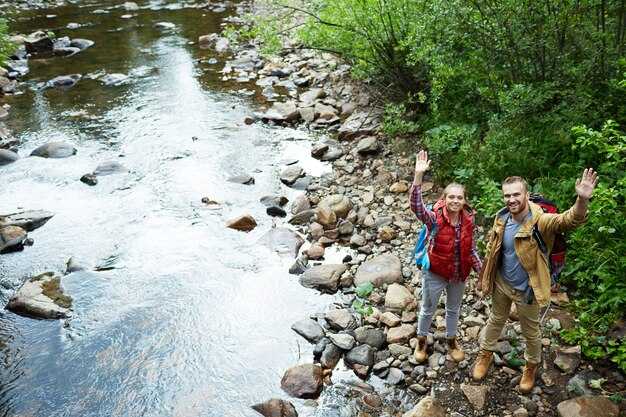
Half-day trips deliver a solid, high-adrenaline introduction and are the best starting point today for most visitors. You become comfortable on the water as you learn paddle commands, safety signals, and teamwork while a guide steers you through a stunning gorge between towering canyon walls. Helmets and protection gear are provided, and you still have time to savor a riverside view before heading back.
Most half-day runs last 3-4 hours on the water and include a safety briefing, PFDs, helmets, and a light snack. Your premier guide provides pace adjustments to fit the group, keeping the experience intimate and safe, especially for first-timers from near the western foothills.
Full-day expeditions run about 6-8 hours, often with a riverside lunch and two or more rapid sections. You gain more time to progress as a team, moving into stronger rapids, and you’ll see broader scenery, including a canyon gorge and wind sweeping along the canyon walls.
Private trips offer a customizable format for 2-6 participants, with the pace and route set by your group. You choose the start time and length, and a private guide provides tailored coaching and close attention to safety. This format is ideal for celebrations, families, or teams who want a more legendary experience without the crowds, and who want to create something memorable.
Logistics vary, but many operators meet guests near Seattle, with Sea-Tac airport shuttles and private pickups for private expeditions. september is a fantastic window–lower flows and clearer skies help wildlife viewing, and winds are often calm along the canyon. If you’ve run the gauley before, WA routes offer a different rhythm, with near-perfect scenery and a focus on technique that keeps learning alive. These formats today provide access to premier rivers known for stunning scenery across the worlds of whitewater adventure.
Minimum Fitness, Medical Considerations, and Age Requirements
Verify you meet minimum fitness before booking: you should be able to sustain paddling for 15–20 minutes, swim 50 meters with a PFD, and walk on uneven riverbanks. If you cant meet these benchmarks, choose a calm, scenic float or a first-time class that keeps water turbulence mild and exit points easy. Seasonal water levels shift, so plan for a season that matches your comfort and training, especially on routes that push beyond beginner terrain.
Medical considerations require open communication with your guide. Disclose heart conditions, high blood pressure, asthma, diabetes needing insulin, seizures, or chronic back or neck injuries. If you have a recent surgery or are under medical care, obtain clearance before you reserve. Pregnant travelers should avoid rapid sections, and anyone managing prescription medications should bring a labeled supply and a quick-reference list for the guide. Bring any necessary medical documents and an emergency contact; guides rely on your honesty to tailor safety steps.
Age requirements vary by river section and operator. Most WA outfitters set a minimum age of 12 for Class II trips and 14 for more challenging rapid sections. Some itineraries allow younger participants on longer, calmer floats under strict supervision, but you’ll typically need an adult in the raft. Always check the operator’s policy, and note that waivers and safety briefings are part of the process; courtesy from the crew helps everyone stay safe on the water. If youre bringing teens, discuss limits before daybreak and plan a route that fits their experience, whether on a classic or world-class run.
Preparation and training streamline your experience. Build core strength and shoulder stability with planks, bridges, and light resistance work three times a week, plus 20–30 minutes of cardio. On the boat, learn a steady paddling cadence, listen for commands, and practice basic self-rescue under supervision. For first-time rafters, select trips that offer a short pre-launch session so you understand paddling technique, raft balance, and how to respond to a rapid. Guides emphasize safety, but you’ll see real benefits from a little self-work before you arrive; you’ll be ready for adventures that feel gold-standard and truly scenic.
Gear, season, and terrain influence safety decisions. Dress in quick-dry layers; water in the Pacific Northwest stays cold, so pack warm fleece and a windbreaker. A dry bag protects valuables, while a well-fitted PFD and helmet are standard gear provided by operators. Listen to the safety briefing and follow raft crew instructions at all times. Conditions change with geography and climate, and even seasoned guides adjust plans when the river becomes difficult or water levels rise beyond comfortable ranges. On some days, you may see wildlife such as deer along the banks; those moments remind you that the best memories come from careful planning, responsible behavior, and courtesy to fellow paddlers. If you’re staying near Edmonds, you can combine a morning river run with fishing or a scenic coastal drive; remember that each route offers a unique balance of water, wildlife, and adventure, from south-facing canyon walls to alpine approaches. Youre ready to pursue classic and world-class whitewater experiences, with safety as the true foundation of every season, a testament to how carefully prepared crews deliver top-tier, beyond-the-routine experiences on routes that attract paddlers from around the world.
What to Wear, What to Bring, and Pre-Trip Safety Briefings
Wear quick-drying, layered clothing: a base layer, a light insulating layer, and a breathable shell; this setup is necessary for most Washington trips and keeps you comfortable through spray and sun alike.
Choose sturdy, closed-toe water shoes with a snug fit and good grip. Avoid flip-flops; they don’t protect your feet in rocky rapids. Include a light rash guard or long-sleeve synthetic layer to prevent chafing after runs and to block wind on exposed sections down the river. Have socks or toe guards handy for added comfort, especially on longer builds and days that push into the afternoon.
Bring a small dry bag for valuables and a reusable bottle (1–2 L). Pack sunscreen (SPF 30+), lip balm, sunglasses with a retainer, a hat, and a towel for post-rapids. Include a compact first-aid kit and a change of clothes; operators provide PFDs and helmets, but you should carry personal items in the dry bag to keep them dry. Salt spray on sunny days can sting eyes, so sunglasses with a retainer help you stay safe while enjoying wildlife along the river. Guides may also suggest a bit of extra clothing for the shuttle between runs, so you can stay comfortable as temps shift through the day.
Pre-trip safety briefings, which all guides provide, cover paddle commands, bracing, and what to do if you capsize. Experienced crews with decades on local routes outline hazards such as strainers, rocks, and fast currents, and demonstrate the proper rescue steps. They walk them through each scenario so you can stay calm and communicate clearly as you move through the rapids. Some instructors even bring bhote-style calmness into the session to illustrate clear decision-making under pressure, a technique that translates well to any river environment.
During the briefing they also note wildlife sightings and environmental etiquette–keep noise down near nesting sites, respect habitats, and avoid feeding animals. For reference, guides sometimes compare Washington runs to legendary stretches on the Zambezi, Chile’s Futaleufú, or Piedra; the goal is to help you gauge scale while staying focused on your safety here. Trips based in winthrop areas emphasize accessibility and building confidence for most people, including first-timers and those with prior rafting experience.
Below is a quick packing checklist to ensure you have what you need without overpacking:
| Item | Reason | Bring? |
|---|---|---|
| Water shoes with grip | Protect feet and improve traction on rocks | Yes |
| Base layer and lightweight shell | Temperature control and rain protection | Yes |
| Dry bag for valuables | Keep phones, keys, meds dry | Yes |
| Sunscreen and lip balm | Sun protection; salt spray can sting | Yes |
| Sunglasses with retainer | Eye protection during spray and splashes | Yes |
| Hat with brim | Shade and sun protection | Yes |
| Water bottle (1–2 L) | Hydration on breaks and shuttle drives | Yes |
| Compact first-aid kit | Address minor injuries promptly | Yes |
| Camera or waterproof case (optional) | Capture amazing moments without risking gear | Optional |