


 Română
  English (UK)
  Русский
  العربية
  日本語
日本語  한국어
한국어  Magyar
  Türkçe
  Español
  Čeština
  Svenska
  Português
  Ελληνικά
  Suomi
Suomi  Nederlands
  Italiano
  Français
  Polski
  Українська
  Deutsch
  简体中文
简体中文  Slovenčina
 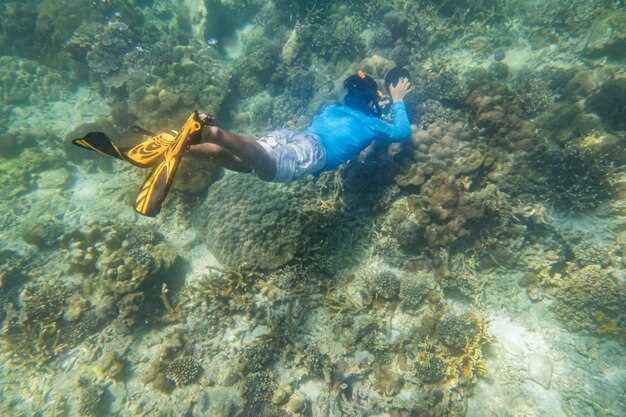 Best Snorkeling in Panama – Top Spots and Marine Life Guide">

Check the calm coves along the northern Caribbean side to begin this journey, where visibility commonly reaches 15–30 meters on clear mornings and water sits around 25–28°C. This snorkeling session offers a first glimpse of vibrant reef life, including small sharks, parrotfish, and the occasional turtle as shadows drift over the reef banks.
Local operators on this route offers flexible itineraries; getmyboat platforms list half-day and full-day charters with patient captains who respect reef habitats. For seekers of cultural exchanges, communities along the coast open doors after the morning dive, turning routine routes into unforgettable conversations about tradition and reef stewardship.
In deeper areas you’ll encounter a mosaic of reef inhabitants: bright surgeonfish, wrasse, groupers, and sparkling schools that shimmer in strong vizibilitate. Time spent watching snorkeling routes unfold reveals unique moments with curious turtles and juvenile rays–moments that become glimpses into an underwater world discovered by patient divers.
If you’re seeking an off-the-beaten-path itinerary, several reef halos off the main routes reward explorers with gems of life that locals have long discovered. Each site offers time to observe sea turtles, nurse sharks, and vibrant corals before the crowds drift in after breakfast, turning a routine morning into an unforgettable memory.
Plan with practical steps: check weather windows, coordinate with a local skipper, and book a morning slot that aligns with turtle feeding time. The cultural energy of coastal towns enhances the experience, and you can enjoy quiet coves between visits to busy reefs–the kind of unique sequence that stays with you long after you return.
Panama Snorkeling Essentials and Hot Spots
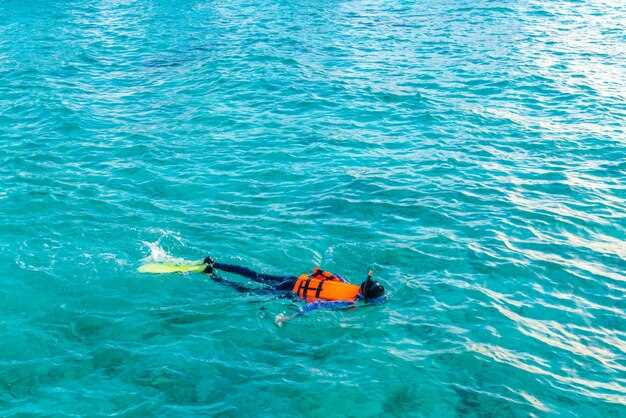
Start with a 4-hour charter from Bastimentos or Bocas Town to coves around Isla Zapatilla Grande and the nearby Carenero bank, areas discovered to host healthy coral communities. Bring your own mask and fins if you have a good fit; otherwise rentals are available from local shops. Water is calm in the morning, revealing a fascinating underwater exploration beneath the surface. In the dry season (December–April) visibility often reaches 15–25 meters; the wet season (May–November) can bring brief showers, then clear water resumes. To dodge crowds, depart at dawn and follow a route that stays away from the busiest channels.
Across the Gulf of Chiriquí and Coiba National Park, off-the-beaten-path itineraries uncover reefs with high biodiversity. From Santa Catalina, a 1.5–2.5 hour boat ride is typical; park permits and staff are arranged by the operator. Manta sightings occur near outer drop-offs; youre likely to encounter turtles, large parrotfish, and schooling snappers in shallower zones. Currents are stronger here, so stay close to your guide and carry a dry bag and reef-safe sunscreen.
Where weather allows, Islas de San Blas and other archipelago zones expand your options, offering quiet coves and clear water. The ecosystem is dynamic, with elusive species occupying multi-layer habitats; exploring at dawn often rewards the most vibrant color and activity. Off-the-water conditions can shift quickly, so check the forecast and communicate with your captain about wind and wave direction.
Equipment and planning tips: items to bring include mask, snorkel, fins, reef-safe sunscreen, a rash guard, and a lightweight dry bag. Rentals are available at lodges and tour offices if you dont bring your own gear. Try to keep your day simple with a 3–4 hour window to enjoy the calm coves and underwater exploration, then head back before the heat increases and crowds build.
Best Snorkeling Spots in Panama: Top Picks
Begin at Coiba National Park for your first exploration beneath crystal waters–a paradise where colors explode and starfish dot the reef.
From Coiba to the Gulf of Chiriquí, expect incredible experiences with sea turtles, gliding rays, and graceful silhouettes skimming over elusive corals.
On the chiriqui coast, Islas Damas and nearby reefs await; witness wonders, colors, and starfish while you learn where to anchor your mask-and-fins for the most rewarding encounters.
Bocas del Toro’s Bastimentos and Carenero offer calmer coves with abundant life; islands fringe the coastline where turtles glide past and colors flash across reefs, inviting you yourself to witness an authentic heritage beneath the waves and make unforgettable memories.
Seasonal timing matters: the dry season, roughly December through April, brings clearer visibility and calmer waves, making Coiba’s and Chiriquí Gulf sites especially accessible for a focused exploration of underwater treasures.
Hidden Gems: Secret Snorkeling Spots in Panama
Kick off with Bastimentos’ north coast coves; choose a local skipper for a compact 2–3 hour exploration; mornings deliver safe conditions with waves calm enough for beginners; dont time your trip for weekends; during these sessions, gliding past shallow reefs and watching dolphins following the boat creates a true paradise; beneath the surface, a tapestry of parrotfish and tang colors fills your view; this home of underwater life invites you to enjoy yourself.
Offshore, Gulf of Chiriquí hosts reefs near Isla Cebaco; Islas Malena comprise a small cluster of islands; water remains clear, coral vibrant; visibility reaches 15–25 meters in the dry season; plan a small-group outing led by a local from Pedasi or Boca Chica; these routes stay close to protected reefs; even beginner-friendly visitors should join.
Caribbean coast yields truly secluded coves near Isla Grande; mangrove channels shelter gentle currents; a 90-minute glide reveals pelagics, damselfish, plus quiet seagrass meadows; during migration, dolphins surface nearby; sea birds soaring overhead.
Practical notes: check tides, currents, wildlife rules; book small-group tours operated by a local to keep impact minimal; keep distance from coral; refrain from touching turtles or dolphins; respect protected zones; experience matters.
Packing tips: mask; fins; reef-safe sunscreen; hat; water; lightweight dry bag; dont forget a light snack for longer exploration; bring home photos to relive this paradise.
What to Bring for Snorkeling in Panama: Gear, Pack List, and Safety
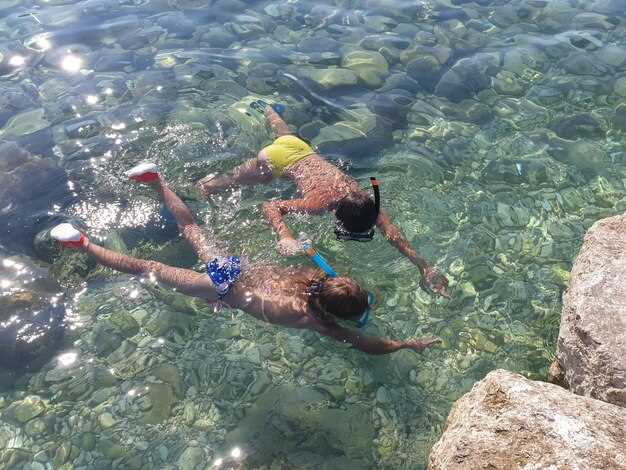
Which piece matters most is a mask with a snug silicone skirt, tested at home before departure to guarantee a good seal on sandy or rocky entries in coves.
Keep the kit compact for the opportunity to move between islands; plenty of biodiversity to explore; safe, licensed tours when preferred.
Important: choose light, quick-dry clothing for surface comfort; reef-safe sunscreen; hat for shade; hydration plan for the day.
- Mask with adjustable strap; silicone skirt; nose pocket for easy equalizing
- Breathing tube (snorkel) with splash guard; purge valve optional
- Fins of medium stiffness; choose size that fits boot with dry socks
- Rash guard or shorty wetsuit; sun protection for ultraviolet rays
- Dry bag for valuables; reef-safe sunscreen; lip balm with SPF 30+
- Hydration gear: water bottle; compact towel; water shoes for rocky entry
- Underwater camera or compact waterproof housing; extra memory cards
- First-aid essentials: antiseptic wipes; adhesive bandages; seasickness tablets; personal meds
- Wide-brim hat; polarized sunglasses with strap; lightweight protective clothing
Pack for the day on tours and excursions:
- Water bottle; 1–2 liters per person; sip regularly
- Protecție solară: SPF 30+ sigură pentru recife; balsam de buze
- Shade: pălărie sau baldachin de lumină
- Footwear: water shoes or reef-safe sandals
- Echipament foto: carcasă impermeabilă; baterii de rezervă
Safety notes: keep a buddy within sight; monitor tides; observe currents; avoid touching coral, sponges, or wildlife; follow local rules in protected coves; licensed operators when unsure; getmyboat options exist for safe experiences; stay visible on the surface with a signaling device if drifting is possible.
Contadora, coasta Chiriquí, oferă o biodiversitate incredibilă, moștenirea comunităților de coastă, o mulțime de golfulețe de explorat; un loc memorabil lângă marginea unui recif dezvăluie apariții de manta; printre pietrele prețioase descoperite aici se numără corali vibranți și pești curioși de recif.
More opportunities vary with season; licensed operators optimize safety; learning; cultural exchanges with local guides; island heritage is showcased; paradise awaits in secluded coves; gems discovered along the route include manta sightings, thriving coral gardens.
Când să faci snorkeling în Panama: Sezoane, maree și vizibilitate
Începe cu perioada sezonului uscat, din decembrie până în aprilie: apă caldă, vizibilitate bună, valuri calme, făcând fiecare snorkel fără efort. Această perioadă oferă culori incredibile sub suprafață; multe oportunități de a explora golfulețele Isla, recifele Chiriqui, lagunele de coastă; rezervă tururi din timp, închirierile se ocupă repede, timpul tău este prețios.
În timpul sezonului uscat, vizibilitatea atinge cote maxime de-a lungul coastei Chiriqui; e timpul tău să vezi delfini, stele de mare, culori, corali.
Mareele influențează planificarea: mareele moarte mențin curenții blânzi; nivelul ridicat al apei aduce canale mai adânci; mareele joase dezvăluie platforme recifale potrivite pentru explorare lentă.
Experiențele pe insulă variază în funcție de loc: Coiba, Bocas del Toro, Chiriqui oferă nestemate; condițiile se schimbă cu anotimpurile, vânturile alizee; tururile cu operatori locali oferă informații de încredere pentru explorarea experiențelor.
Ce să aduceți: articole precum cremă de protecție solară sigură pentru recif, bluză de protecție, echipament de snorkeling dacă preferați articole personale; închirieri disponibile prin tururi; fiți pregătiți cu articole; rezervați din timp. Pentru experiențe de snorkeling, alegeți trasee de recifuri puțin adânci, pregătiți prosoape, apă, un rucsac impermeabil.
Sub stratul de la suprafață, culori izbucnesc; stele de mare împânzesc nisipul; delfini ies la suprafață aproape; valuri turbulente poartă stropi peste grădinile de corali; o licărire a delfinilor sporește magia; aceste nestemate invită la explorarea paradisului.
Plan practic: diminețile din decembrie până în aprilie oferă o vizibilitate mai bună, apă mai caldă, mări mai calme; lunile ploioase aduc curenți, culori reduse.
Viață marină pe care o poți admira făcând snorkeling în Panama: Specii pe care le poți întâlni
Începeți explorarea în Parcul Național Coiba, unde apele oferă un spectacol fascinant de biodiversitate. În diminețile liniștite, tururi ghidate vă vor duce la recifele protejate, permițându-vă să observați o gamă diversă de specii printr-o vizibilitate clară. Închirieri pentru echipament de snorkeling sunt disponibile la fața locului sau prin getmyboat, astfel încât să vă puteți concentra doar pe experiență.
Așteaptă-te să vezi grațioși pești-papagal și pești-înger țesând printre corali; țestoase verzi și țestoase cu cioc de șoim alunecând, în timp ce rechini de recif și rechini-doică patrulează pantele. Vulturi de mare pătati planând deasupra și ocazional diavoli de mare plutind prin albastru. Țipari moray pândind din crăpături și caracatițe explorând reciful în zori sau la amurg. Locuitori mai mici, cum ar fi damselfish, wrasse și gobies adaugă culoare fiecărui buzunar de apă.
Verifică curenții și mareele cu un ghid local; timpul de explorare variază în funcție de loc, chiar și în zilele calme. Canalele din regiunea Bocas pot oferi mai multe întâlniri, inclusiv căluți de mare minusculi și crustacee ascunse în peșterile de corali. Pietrele prețioase ale acestui tărâm onorează complexitatea mării.
Pentru un traseu bine pus la punct, alegeți un plan de excursie cu barca ce face legătura între insulițele din Bocas și zonele protejate ale Coibei. Aceste ape oferă un paradis de culori și forme; siluete impunătoare de pisici de mare și înotători grațioși punctează ziua. Excursiile care pun accent pe conservare și pe grupurile mici vor permite experiențe mai sigure și mai respectuoase cu fauna sălbatică și vă vor îmbunătăți șansele unei explorări mai lente și mai intime a vieții din acest parc.