


 Română
  English (UK)
  Русский
  العربية
  日本語
日本語  한국어
한국어  Magyar
  Türkçe
  Español
  Čeština
  Svenska
  Português
  Ελληνικά
  Suomi
Suomi  Nederlands
  Italiano
  Français
  Polski
  Українська
  Deutsch
  简体中文
简体中文  Slovenčina
  Beginner’s Guide to Sailing Croatia’s Dalmatian Coast – Essential Tips for First-Time Sailors">

Always start with a practical harbor plan: check the forecast, wind, and tides; today pick a calm bay within short reach that suits your group and board the vessel during an initial, near-shore loop in the morning light. Keep the route simple and respond quickly to changes in wind so you stay comfortable and safe.
Onboard setup matters: bring devices enabling navigation and communication, plus a paper chart as backup; use reusable water bottles and containers, and assign helmă duties so everyone contributes; theyre ready to help with line handling. theres no substitute to a clear watch rotation, especially during holidays when ferries and crowds increase. addition: carry a compact spare anchor and a small buoy for line handling.
As a beginner, choose sheltered routes along the Adriatic shoreline with gentle mornings; plan swimming breaks at designated spots like shallow bays within the setting of anchorages, and keep a short distance to shore so you can return quickly if wind shifts. You can explore in 2–4 hour legs, and the helmă should be coached by an experienced crewmate.
Best practice to bond as a group: start with a calm day of yachting along known coves, sample seafood at a local konoba, and swim before lunch. You’ll discover divine views, both quiet bays and lively ports, with year-round options for holidays. addition: add safe anchorages and backup moorings to your route, and respect local tides and customs; this keeps the voyage flexible and enjoyable.
Over the years, exploring these waters becomes intuitive: you learn to read wind shifts, use hand signals, and swim back to the boat if you drift. Starting with a modest vessel and a well-planned group trip, you gain confidence to try different bays and return with memories of sunsets.
Beginner’s Guide to Sailing Croatia’s Dalmatian Coast
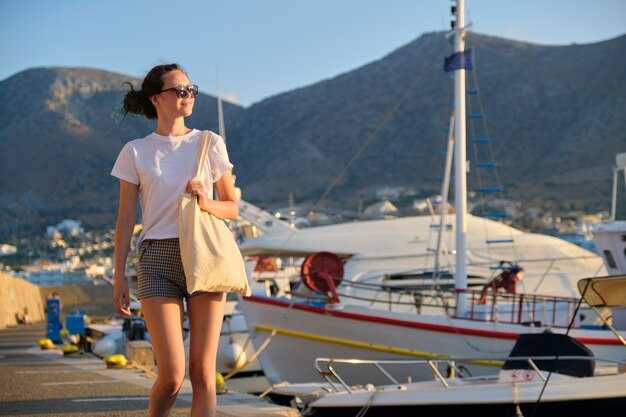
Book a week with a well-equipped cruiser from a central marina near Split; target a 34–40 ft vessel with 3 cabins, full safety gear, chart plotter, VHF, windlass, and a dinghy. Add an e-sim for constant weather updates and port information you can click to view. This setup is better for crews new to coastal cruising and makes every day manageable until you gain confidence. If you’ve traveled in this country before, you’ll notice how the shoreline’s landscapes shape a feeling of freedom and discovery around every bend. Expect calm mornings and lively afternoons, with marinas in popular towns offering water, fuel, and shore power for visitors. In addition, this approach keeps logistics simple, common for a week-long exploration, and avoids long passages that would dull the mood.
- Itinerary snapshot: Day 1 Split to Hvar Town (about 25–28 NM); Day 2 Hvar Town to Korčula Town (20–25 NM); Day 3 Korčula Town to Mljet (15–25 NM); Day 4 Mljet to Vis (20–25 NM) with a potential stop at Biševo for a Blue Cave; Day 5 Vis to Brač or back toward Split; Day 6–7 flexible options in the middle chain of islets depending on wind and mood. This layout is the easiest path for a first-week voyage but adapts to weather and appetite for discovery.
- Docking and marinas: Prioritize Split, Trogir, Hvar, Korčula, and Vis docks, all of which offer water, electricity, laundry, and a fueling pier. Typical night rates in season range roughly from €60 to €120 for a 3-cabin craft, with discounts for multi-night bookings. For safety nights, use a well-protected harbor in the middle of the chain; visitors wont face crowded slips if you book ahead. In addition, many ports provide fresh-water taps, waste disposal, and small groceries within 1–2 km, making the exchange between sea and shore seamless.
- Provisioning, safety, and routine: Stop at major markets in Split, Trogir, and Hvar to load seafood, vegetables, and bread. Keep a water-resistant bag for electronics and a dry locker for maps, spare parts, and light rain gear. Check weather every morning and again at lunch via an e-sim connection; you can click the forecast icon to view the model run. If winds rise above 25 knots, head to the nearest marina and reset plans; this cautious approach is common and reduces risk. Anticipate 2–3 swimming stops per day in sheltered coves; the mid-archipelago offers the most relaxed water for a relaxing feeling and safe mooring. Case in point: anchorages with rock protection and shallow shelves let you sleep with confidence and minimize wake from passing ferries.
Heading toward calmer anchorages in the middle chain often yields the best swimming and discovery. As locals are saying, the most memorable moments come from flexible planning, not rush between ports. In case of a weather change, use the nearest marina to ride it out; being prepared with water-resistant bags and spare fenders helps. Addition of a spare gas cylinder and a compact dinghy pump adds security for longer hops. The landscapes here are spectacular, and every day brings a new view, making this route feel like a well-deserved reward for travel effort. Visitors wont regret choosing this path, and many say it’s the easiest way to build confidence before attempting longer passages.
Practical Starter Guide for First-Time Sailors on the Dalmatian Coast
Start with a three-day charter from a vetted base near korčula using a two-cabin sailboat; if new to the sea, add a licensed skipper to reduce risk until confidence grows; verify you hold a certificate if local authorities demand it, then you board.
Safety briefing precedes any departure; put on a life jacket; check lines, anchors, bilge pump, and fenders; clear weather helps planning, and when forecasts shift, stay flexible.
Route idea: head from korčula toward mljets and back; this discovery-rich loop keeps you near beaches and olive groves; you can swim in sheltered coves to cool off.
Provisioning plan: visit shops on shore to stock water, bread, fruit, and local snacks; stock plain supplies used on day trips; expect occasional shortage of fresh produce in late season.
Daily rhythm: keep watch on wind shifts; adjust sail settings smoothly; if wind dies, head to a near harbor; stay near the same set of bays to reduce risk.
Chartering basics: you must count inventory before launch; verify sails, lines, and spare parts remain in place; bike trips ashore add exploration options.
Feeling and memory: the experience yields a rare mix of calm seas, olive-scented air, and a plain sense of achievement; the discovery lingers long after return.
Final tip: bring a mobile phone with offline maps and a simple plan; use a local contact if needed; many routes are straightforward, though weather may alter plans.
Boat Type and Charter Options for Beginners
Opt for a crewed yacht around 35–40 ft with a skipper; it keeps things simple, reduces risk, and accelerates learning during your early weeks. A week-long charter hits a balance between discovery and simplicity, with stays in sheltered bays, beaches, and small towns.
Two main options exist: crewed charters and bareboat (self-skippered) charters. Crewed charters deliver hands-off sail, planning, and safety support, while you gain confidence; bareboat demands solid licensing and experience.
Yacht-style monohulls offer agile handling; catamarans deliver extra space and stability, making your stay more comfortable in bays and beaches, while keeping a friendly feel on deck. If seeking more room and quiet motion, a catamaran is accessible; both kinds suit travelers with an appetite for discovery.
Western routes along pine-fringed coastlines lead to historic places and towns such as Zadar, Šibenik, Split, and Trogir, with occasional trips to nearby islands. youve got a handful of secret coves and rare beaches to explore, keeping discovery light and enjoyable while staying close to shore.
Costs below reflect mid-season ranges: crewed yacht weekly rates around €5,000–€8,000; bareboat around €2,500–€5,000; skipper or host crew €800–€1,400 weekly. Choose recognised operators; ensure insurance and safety briefings today. Add kayak options for day trips to explore bays below pine groves and secret inlets, bringing your stay closer to light and nature.
Weather Windows, Winds, and Seasonal Planning
Lock in a 3–4 day weather window for the initial coastal hop, favor Maestral conditions under 15 knots in the morning, and keep a small, sheltered route ready; check the forecast twice daily over the weeks of planning. If a window fails, have a backup leg and adjust the setting to a sheltered harbor.
- Ferestre sezoniere
- Spring (March–May): fronts pass with 10–20 knot NW breezes; rough seas are rare near the archipelago, but unsettled moments demand flexibility. Target sheltered routes, make an early start, then ride the afternoon breeze into calm bays for swimming and sunsets.
- summers (June–August): high pressure yields long days and stable conditions; typical Maestral pacing is 8–18 knots by afternoon; mornings are best for point-to-point legs, then settle into protected harbors for the night. Plan base stays in/near major ports to sample seafood and local heritage. in summers with long days, stretch itineraries to maximize moments of beauty and sunsets; then plan for a perfectly balanced flow of hops and rests.
- Autumn (September–November): windows open after fronts, with 8–22 knot gusts; Sirocco pulses can push warm air and dust from the south. If a window appears, stretch a route between islands, stay near wind-protected coves, and have a plan for a quick hold if squalls arrive. Be aware that seas can switch quickly; remain cautious as conditions evolve.
- Winter (December–February): storm risk increases; many crews defer to inland activities or short coastal hops with a strong lookout for safety and remain cautious; use this time for maintenance and discovering Greece-like Meltemi patterns on distant legs.
- Winds and conditions to monitor
- Maestral: typical 6–18 knots along the coast; strongest during the afternoon close to headlands; stay aware of gusts that can tighten in gaps between islands.
- Bora: NE gusts 25–45 knots; rough sea, whitecaps close to shore; hold course and avoid open-water legs during a Bora pulse.
- Sirocco: SE flow 15–25 knots with heat and dust; reduce sails and seek sheltered anchorages when gusts rise; then watch visibility fade in dust.
- Local micro-winds: sheltered bays can hold a calm setting; use these to stretch legs of your journey and maintain a safe point to anchor for the night.
- Planning steps and safety
- Base choices: Split, Zadar, Šibenik give good access to protected routes and seafood markets; keep a reserve of fuel and water for the full day extension if needed.
- License and safety: verify license, skipper credentials, and vessel paperwork before departure; boats require life jackets, flares, VHF, and a first-aid kit; stay connected with port authorities for weather updates.
- Itinerary pacing: aim for daily legs of 20–30 nautical miles in spring or autumn and 30–40 in summers with sheltered havens; allow 1–2 anchor days per week for recovery and discovering beauties ashore and moments ashore.
- Clothing and gear: wear quick-dry layers, a light rain shell, UV protection, and non-slip footwear; bring portable chargers and reusable water bottles; keep clothing in a dry bag; keeps spare items accessible.
- Practical tips: hold a backup plan, stay flexible, and use a simple log to record a few moments of each day.
- Onshore experiences and practical notes
- Evening plan: sunsets light the coast as winds ease; anchor near monasteries or cliff setting to enjoy a calm moment with seafood plates and local wines.
- Culture and heritage: embrace local customs, exploring small monasteries and villages; discovering the region’s heritage through markets, murals, and ancient stonework.
- Health and safety: swimming spots abound; stay within life jackets when offshore; stay hydrated, stretch, and care for the body to remain sturdy on days at sea.
- Local life: respect lives ashore, sample family-run seafood, and support the small tourism economy that keeps maritime traditions alive.
Navigation Essentials: Charts, Daymarks, and Coastal Routing
Start with a well-equipped chart set: a current paper chart for the core area and an electronic chart on a handheld unit. Produce a master route on a large-scale sheet and overlay another option for an inland detour, both annotated with daymarks, buoys, and landmarks. Mark ferry lanes and popular moorings; keep a safe buffer below 1 nm from harbours, and note shady coves ideal for shelter during a small breeze. Coordinate the plan within your group and agree on skippers who will lead each leg.
Charts should include depth contours, submerged hazards, and tide-related features. Verify alignment between paper and digital versions and cross-check with notices to mariners produced by authorities. Within the route, highlight anchorages and moorings near villages and nearby bakeries, with tips for provisioning and toiletries; note also places to save time and resources, such as cheese shops and cafés.
Daymarks and lights provide fixed references. Learn daymark shapes and colors, and nightly light configurations; practice fixing position from these marks and supplement with maritime radar data when visibility is limited. The plan should answer what to do if the marks do not align, and how to correct course quickly.
Coastal routing favors sheltered passages between islands and along bays; avoid busy ferry lanes during peak hours and plan legs that suit a steady breeze and a potential venture into more exposed waters only after competence is proven. Use forecast wind shifts and current data; choose routes that minimize fuel burn, reduce your footprint, and accommodate a small vessel in fair weather.
Provisioning and stops: villages along the route offer bakeries, markets, and cheese; pick stops within walking distance of well-equipped moorings and plan for toiletries and basic medications. Ensure there are nearby airports within reachable distance for crew changes; carry a compact spare parts kit and a small amount of emergency food to save time if a port is crowded.
Safety and competence: assign a clear watch for each leg, rehearse man overboard recovery, and verify line-handling procedures with the skippers. Before departure, perform routine checks of sails, rigging, and electronics; confirm roles across the group and document accepted procedures for emergencies.
Environmental and etiquette: moor only at designated spots, minimize impact by using primary moorings, avoid anchoring on sensitive habitats; keep within channels and respect maritime rules across countries. Maintain a tidy footprint and organized gear; this discipline makes future ventures easier.
Mooring, Anchoring, and Port Etiquette on Dalmatian Waters
Always choose a sheltered marina with buoy moorings near shore facilities. Call ahead by phone to confirm a valid buoy or wall berth; arrive during daylight, then proceed straight to your assigned spot. A compact, water-resistant anchor kit plus a second line improves stability until winds ease. Island-hopping toward Lastovo can be cheaper, with short hops that are possible even when you exploring nearby towns, so your family-run crew can share stories and local tips. Some days there is a tangible feeling of security when a port staff is experienced and helpful.
Anchor with discipline: select a rock-free patch, check water depth 8–20 m, and be mindful of other vessels. Use 5–7x depth for scope in calm weather; increase in wind or current. If space allows, deploy a second anchor in a V configuration; set a stern line to shore or a mooring cleat to reduce swing; test bite by reversing the engine. Wear water-resistant deck shoes; keep lines neat and near accessible fenders; there were times when a quick reposition saved boats.
Respect harbor rules: show the harbor master a valid permit when using a buoy; pay fees at the desk; dock with the bow toward the quay to ease passenger embarkation; keep noise down after 22:00; rinse off salt away from wash areas; carry trash back to your boat; share walking routes with locals, and keep gear accessible for quick moves. Local teams, often family-run, provide maps, exploring tips, and stories you can swap with travelers. youll feel supported until you settle into the routine; western visitors from countrys worldwide contribute to a lively, cooperative atmosphere where some ports feel truly accessible by short hops, and the experience becomes part of your trip.
| Area | Approach | Mooring/Anchoring | Etiquette & Fees |
|---|---|---|---|
| Lastovo island group | Approach from west; keep to straight channel; depth 8–18 m | Buoy moorings preferred; if anchoring, use marked zones; depth near 10–20 m | Pay at harbor desk; keep noise low; walk to shore at dusk |
| Šolta / Milna bays | From southeast; watch for rocks near shore | Anchoring in designated zones; use a stern line toward shore | Respect mooring priority; observe local swim areas |
| Split peninsula outer bays | Enter with traffic clear; maintain distance from ferries | Mooring buoys or short lines to quay; avoid blocking traffic | Queue calmly; dispose waste properly; use local facilities |
| Western coast near towns | Peak-season early arrival recommended | Buoys or waiting area; avoid shallow reefs | Greet staff; share your exploring plans; stay within allocated spots |
Safety Gear, Checklists, and Emergency Procedures
Always wear a personal flotation device when underway or on deck; hold the line firmly, clip in with a harness during rough seas, and keep a small bilge pump handy to save time in emergencies. Azure water, rugged shoreline, and small anchorages demand focus, and youve got a front-row view when your gear is comfortable and ready for action. The impressive backdrop can help you become more confident in moments that require quick, clear decisions.
Core gear to stock and verify before every cruise: PFDs for both crew and visitors, a throwable buoy, a whistle, a VHF radio with channel 16, a DSC-enabled device, a fire extinguisher, a first-aid kit with seasickness meds, a signaling kit (flares, mirror), a GPS or chart plotter, spare batteries, a waterproof flashlight, a knife, spare lines and fenders, an anchor and sufficient rode for anchorages, a spare anchor for rugged bays, a bilge pump (manual), a compact tool kit with spare parts, and a dry bag for documents. Keep a photograph log for hazard reporting and memories, and carry a safety knife in a quick-access sheath for when things need fast access.
Pre-departure safety checklist: verify weather and sea state for the area and the afternoon window; ensure life jackets fit everyone; check engine oil level, coolant, and fuel quantity; inspect anchor, rode, fenders, and mooring lines; test navigation lights and VHF on channel 16; verify EPIRB/PLB is within reach; review laws and local harbor rules; assign watch duties and rescue roles; plot a route to two anchorages and identify alternates in nearby coastal villages. This prep keeps the crew comfortable and ready to act together, and it’s a simple thing that can save you times in urgent moments.
Man overboard procedure: immediately shout ‘man overboard’, throw a throwable device, point to the person, and begin a controlled turn to recover using a figure-eight or short-beam approach. Maintain visual contact, call for help on VHF 16, and coordinate with the other crew. After recovery, perform a headcount and log the event, then debrief and adjust training as needed. Here’s a quick reminder: practice MOB drills regularly so it becomes true muscle memory rather than a panic moment.
Emergency plan for medical issues and adverse weather: move to sheltered areas or anchor in a protected bay; ensure fresh air and shade, offer seasickness remedies if approved, and keep a stocked first-aid kit. Contact coastal operators or emergency services if needed; in coastal areas with many visitors, identify the nearest hospital or clinic in advance and have the numbers ready. When conditions calm, photograph the shoreline and villages to preserve memories, but safety always comes first, and you can dream of a quiet afternoon cruise if you’ve prepared well.
Harbor and area rules: keep to marked anchorages, respect local laws, and obey harbor operators; wear life jackets in ports and busy channels; maintain distance from other boats and small ferries; monitor weather alerts in the afternoon; the reasons for these steps are true safety and to keep everyone together and comfortable; if a problem arises, call for assistance immediately, then follow the instructions of the harbor master or coast guard, and venture with confidence into the next sheltered area when it’s safe.