


 Română
  English (UK)
  Русский
  العربية
  日本語
日本語  한국어
한국어  Magyar
  Türkçe
  Español
  Čeština
  Svenska
  Português
  Ελληνικά
  Suomi
Suomi  Nederlands
  Italiano
  Français
  Polski
  Українська
  Deutsch
  简体中文
简体中文  Slovenčina
  Balearic Islands Travel Guide – Top Beaches and Insider Tips">

head to formenteras for privacy and great beaches with crystal water. This destination rewards visitors with pristine coves and calm mornings. Plan a morning ferry from ibiza or mallorca and check before you set out to avoid crowds.
Between the tramuntana mountains of mallorca and the sailing routes around ibiza and menorca, you’ll find dramatic coastlines and villages where privacy remains possible. For a sailing day, start from palma or alcúdia and plan a route that includes a stop in formenteras if weather allows, and check the winds before you set out.
For experienced travelers, Mallorca’s villages like Deià and Valldemossa reveal winding lanes and cliff paths heading toward the sea. In ibiza, the dalt vila area offers a dramatic skyline and a compact maze of whitewashed lanes. For shoreline options, consider Cala Conta or Cala Salada, where you can pair privacy with nearby cafés or boat rentals.
Before you finalize a route, check ferry and flight options between mallorca, menorca, ibiza, and formenteras. In peak season, book passes 48 hours ahead and choose towns with easy bus access like alcúdia or Sant Antoni. dont underestimate a relaxed pause in a village square to sample a local market and coffee.
Best time to visit for optimal beach weather and crowd patterns
From late May to early June, or September, the Balearics offer the ultimate balance of beach weather and lighter crowds. Daytime highs reach around 23–27°C, sea water sits near 20–23°C, and you’ll enjoy plenty of sun–perfect for long swims and sunbathing without peak-season heat.
In practice, crowds peak between late June and August, with the most lively scenes in the western towns along the coast and in Palma. If you want a calmer scene, plan for midweek days in between early July and late August, or target the shoulder windows described above. For convenient moving between beaches, consider car hire or scooter rental to hop between coves along the shoreline.
Which spots shine by season? Early shoulder periods mean easy parking at Es Trenc and Cala Mondragó, while Es Comte near Sant Antoni stays special for sunsets even as crowds grow. If you crave breathtaking scenery with lighter crowds, try Cala Torta or hidden coves near here și nearby towns, then switch to a more vibrant scene in the evenings for music and casual dancing in the towns.
Beyond beach days, the region’s heritage și cuisine add texture to your guide. In Western Balearics, you’ll find crafts markets, sea-salt viewpoints, and centuries-old crafts in towns like Alcúdia and Sóller. A quick stroll can reveal something special–local music and street performances that complement your day by the water. Lovers of dalt Vila vibes in Ibiza can weave a hilltop visit into a broader plan, expanding your worlds of experiences beyond beaches.
To maximize your time, read a ghid before departure and map out nearby beaches first, then fill afternoons with crafts, markets, and a taste of island cuisine. If you’re chasing plenty of shade, choose grove-lined coves between the dunes, and if you’re chasing late-night music, plan evenings in towns where heritage and modern energy blend smoothly.
Mallorca: must-visit beaches and access routes
Begin with Es Trenc, a long, white-sand beach near Campos, for a classic Mallorca experience: calm seas, bright dunes, and a view that captures the island’s spirit. Arrive early to secure a spot and enjoy kinder winds as the sun climbs.
From the capital Palma, drive southeast toward Campos and Es Trenc along major routes; signs point to Colònia de Sant Jordi and Sa Ràpita. If you’re looking for a straightforward plan, this path keeps you on time and ready for a one-day itinerary. If you’re arriving from barcelona, a quick flight to Palma lets you start without delay.
Mondragó Natural Park holds S’Amarador and Cala Mondragó, two coves with calm water, pine shade, and easy parking near the entrance. This national‑level beauty pairs well with a seafood lunch and a stroll along the coast to refresh the senses.
For a more intimate setting and turquoise water, Cala Varques rewards a modest hike from Port de Manacor or Cala Romántica; plan a one-day outing or split the visit into two sessions to fit your time. The reward is photogenic images and a sense of discovery that makes every step worthwhile.
Caló des Moro and Cala Sa Nau offer dramatic cliffs and sheltered swimming, a short detour from the felanitx and Portocolom region. Access involves a narrow path after a short descent, so bring water and a sense of balance. These coves provide a lively contrast to busier spots and great sunset opportunities.
After beach time, sample seafood stew at harbor towns and soak in nautical life. Palma’s architecture blends Gothic and Mediterranean styles, while the harbor area provides clear boat‑watching views. Here, you’ll see images of daily life that reflect Mallorca’s enduring charm.
Here is a compact guide to keep you on track: Es Trenc in the morning, Mondragó toward midday, Cala Varques in the afternoon, then a sunset stop at Caló des Moro or Cala Sa Nau. Here, you’ll see a spectrum of coastal scenery and a satisfying one-day frame that keeps you moving without rush.
For a longer escape, loop along the tramuntana sierra to enjoy dramatic views and traditional architecture, then return toward the mainland routes for a coastal finish. If you’re seeking more beaches, many options await near felanitx and Santanyí, plus rocky coves along the southeast coast.
Ibiza and Formentera: beach pairings and inter-island transfers
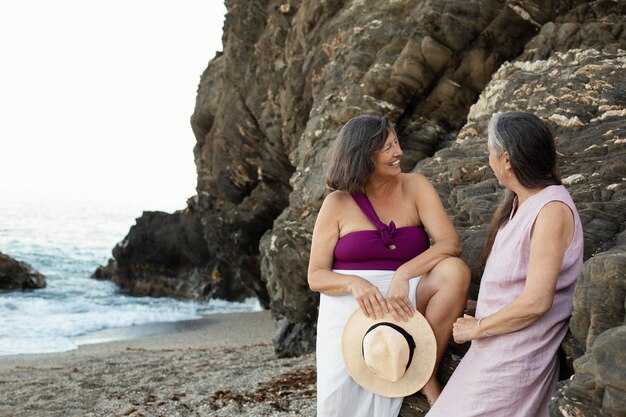
Head Ibiza first: start at Cala Conta (comte) for turquoise coves, then take a fast boat to Ses Illetes in Formentera to reach one of the Balearic coast’s most iconic beaches. Do this until late afternoon to catch the light and avoid peak heat; this easy day plan balances beaches and inter-island transfers in the summer.
Which beach pairings work best for a balanced day?
- Cala Conta (comte) – Ses Illetes: rugged cliffs meet powdery sand and crystal water; the transfer is quick, and you can stay there until sunset–there’s a dramatic contrast you’ll remember.
- Cala Bassa sau Salinas (Ibiza) – Migjorn (Formentera): long, family-friendly sands on both sides with calm waters and easy walks between beach bars and coves.
Inter-island transfers: options and timing
- Fast catamaran routes from Ibiza Town (Marina Botafoch or Figueretas) to La Savina, Formentera; 25–40 minutes, multiple daily departures during the peak period. Book in advance, especially on weekends, to lock seats.
- Conventional ferries across the Balearic chain run on regular intervals; expect 60–90 minutes depending on sea conditions. These are reliable and budget-friendly for a quick switch between islands.
- Private boat charters offer the ultimate flexibility to link several beaches on both islands; tailor your route where you stop and how long you linger, ideal if you want to avoid crowds.
Practical notes to keep the plan smooth
- Weather drives the day: plan transfers early to benefit from calmer seas and cooler morning temperatures; in summer this is easier and you’ll still have time to explore beaches quickly.
- Where you stay matters: choose a base near Ibiza Town or Figueretas to head straight to the marina, saving valuable time and avoiding extra transport headwinds.
- There are many vibes between the two islands: ibizas lively party scene contrasts with Formentera’s quiet coves, offering a broad spectrum beyond the club hours.
- Dont miss a plan that fits your energy: if you crave a party sunset, head back to Ibiza; if you want a peaceful late afternoon, linger in Formentera and ride a later ferry.
Beyond crowds, this pairing reveals the ultimate coastal experience of the Balearic Islands
Getty imagery captures the color shift between Ibiza’s rugged coastline and Formentera’s white sands; use those visuals to decide which pairing fits your mood this summer. There are many ibizas experiences in a single period, but the two-island loop keeps travel simple and memorable, with easy boat transfers that connect two iconic beaches in a single day.
Hidden coves and how to access them without crowds
Arrive before sunrise to beat crowds and claim the quietest coves along the balearic coast. In mallorca, youve got options that stay beyond the main routes: a short coastal hike, rock stairs, or a discreet boat transfer from a small harbor. These approaches offer privacy and a unique backdrop, far from busy beaches.
Starting from the dalt side of the island, choose coves that lie beyond the most-traveled paths. The architecture of the coast–rock faces, limestone ledges, and sheltered inlets–creates natural walls that keep sounds low and views intimate, often with turquoise water. For those who favor boating, a short sea transfer opens access to coves that are off the grid and uninhabited by large crowds, while those on land get quiet coves reached by 15–30 minute trails.
Best times to go are weekday mornings in spring or autumn; during peak summer, you’ll still find pockets of privacy if you start early and move along after lunch. If you plan seafood meals afterward, choose a nearby village in mallorca or along the balearic coast where fresh peix is served, offering a natural reward after a quiet day on the sea. National or regional parks may restrict access on certain days, so check local signage and permits before you head out.
| Cove | Access | Time from parking or port | Terrain | Best Time | Note |
|---|---|---|---|---|---|
| Cove A (Mallorca northeast) | Footpath from parking lot | 15–20 minutes | Rocky steps, uneven | Sunrise | Privacy is high; bring water and sturdy footwear; watch for weather on the coast. |
| Cove B (Boat-in) | Boat transfer from a small marina | 30–45 minutes at sea | Sandy shore, shallow water | Morning or late afternoon | Very quiet; ideal for snorkeling; boater should follow local regulations. |
| Cove C (Coastal path from village) | Coastal track from a hillside village | 25–35 minutes | Limestone steps, rocky sections | Late afternoon | Good snorkeling; peix may be visible in rock pools; sunscreen needed for open sun. |
| Cove D (Rural track) | Drive to a minor road, then hike | 20–30 minutes | Gravel and gentle slopes | Early morning | High privacy; limited facilities; ideal for a full day with a seafood stop nearby in a small town. |
Ferry schedules, transport options, and budget-friendly itineraries
Take the Palma–Maó fast ferry in the morning to maximize time on minorca; fast crossings run about 2h45, while conventional services take 4–5 hours. Book 6–8 weeks ahead in peak season, and choose midweek departures for lower fares. Balearia and Trasmed operate the major routes, with seasonal links to minorca and the western coast. Through the strait you’ll see a nautical landscape and warm welcomes from sailors and locals alike. tomlinson reminds readers that a well-planned crossing can set the tone for a relaxed, practical travel experience.
Beyond ferries, reliable bus networks connect Palma, Maó, and Ciutadella, while a scenic narrow-gauge train runs from Palma to Sóller through the Tramuntana mountains for a western perspective on the island. In menorca, buses link the north coast towns with stopovers along pristine coves; in Mallorca, the Palma–Sóller tram and regular buses knit together the north, western, și south shores. For a nautical day, short harbor hops offer rock‑lined coastlines and chances for anchoring near calm coves.
Itinerary A: start with the Palma–Maó fast ferry and spend two days on minorca in budget-friendly style. Base in Maó or Ciutadella, use public transport or a scooter to reach Cala Macarella and the northern coast, and dine at cafés for affordable meals. Return by late ferry to keep costs down while collecting a glimpse of the island’s breathtaking coastline. This approach suits ages and budgets alike, letting you balance longer beach days with short, inexpensive excursions.
Itinerary B: Mallorca focus with a hands-on pace: begin in Palma and traverse the mountains of the Tramuntana toward Sóller, Port de Sóller, and Deià, then swing south to felanitx for a beach afternoon. Stay in simple guesthouses and rely on public transport or economical car rentals to keep costs reasonable. On day four or five, catch a late ferry to minorca for a quick island contrast–then return to Mallorca for the final night. This loop blends dramatic rock formations, mountain scenery, and sun-soaked shores without breaking the bank.
Tip: plan around midweek departures and shoulder seasons to stretch your budget. Look for return fares and multi‑island passes, and count on casual meals at cafés rather than formal dining for the best value. Whether you stay near the north sau south coasts, or chase through routes that cover many sights, this collection of options keeps costs predictable while delivering a breathtaking glimpse of the Balearics. In the sailors’ stories and collection of guides, small ports near rocky coves have long offered steady anchoring points and warm welcomes–a special reminder that the islands reward careful planning and flexible days until the last ferry.