


 Română
  English (UK)
  Русский
  العربية
  日本語
日本語  한국어
한국어  Magyar
  Türkçe
  Español
  Čeština
  Svenska
  Português
  Ελληνικά
  Suomi
Suomi  Nederlands
  Italiano
  Français
  Polski
  Українська
  Deutsch
  简体中文
简体中文  Slovenčina
 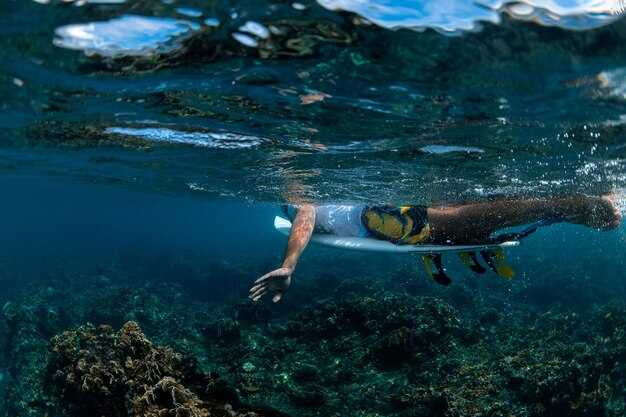 Aruba Scuba Diving – The Ultimate Guide to Wrecks and Reefs">

Book a guided morning scuba session with a seasoned Aruba operator to maximize visibility and safety from the outset. In March, as the dry season sets in, trade winds ease, seas stay calm, and visibility commonly reaches 20–30 meters, supporting your discovery around the island. Arrive early, check equipment, and keep your plan flexible for shifting conditions.
The Antilla lies at about 60 m, while shallower wrecks lie at 12–25 m, making them ideal for novice practicing buoyancy. Guided routes reveal cargo holds, engines, and tail sections without overstepping depth limits, and they help you appreciate how shipwrecks turned into artificial reefs.
Reefs around Aruba show abundance of color and life: parrotfish, angelfish, and barracuda patrol the drop-offs. Healthy coral gardens along the protective west coast host sponges and small reef communities, offering memorable encounters for keen observers. Expect visibility to reveal layered textures from pinnacle formations to sandy plains.
Your equipment should be funcțional with a clear purpose. That means a reliable mask and fins, a well-maintained regulator, a buoyancy device, and a surface marker buoy; pair it with a light wetsuit (3–5 mm) for most months. Practicing buoyancy in shallow zones helps protect delicate corals and shortens surface intervals on long days.
For visitors, reef and wreck tours from Palm Beach beaches or Oranjestad provide quick access to the most popular sites. Pick operators who follow marine-protection guidelines and maintain transparent trade practices. The island’s fleet offers shallow, mid-depth, and deep options, with safety briefings that cover currents, entry procedures, and emergency signals.
Discovery here combines historical intrigue with natural beauty: shipwrecks lie as underwater time capsules, while reefs host bustling communities that shine in the March sunshine. Your plan should balance exploration with conservation, ensuring an abundance of experiences for future visitors and practice for your skills.
Practical Dive Planning for Aruba’s Wrecks and Reefs
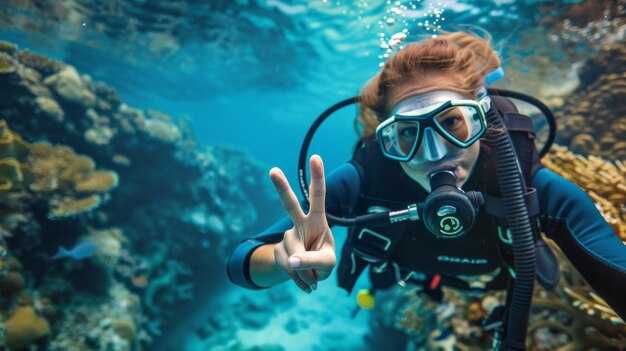
Plan your trip for mid-april to align with calmer seas and clearer waters; this window provides access to shipwrecks and reefs along the coast and outside, with high chances of discovery for novices and their first experiences during the season.
Define purposes for exploration: categorize targets by interest–shipwrecks with exposed superstructure and hull, or reefs with abundant life–and map a range of sites to visit in one trip to maximize discovery and to explore their features.
Choose the season with stable conditions; Aruba’s high season offers open-water opportunities from late morning to early afternoon. Among the options are wrecks near the coast and reefs farther offshore, and you can start near beaches, then venture outside to offshore wrecks or reefs when currents ease and visibility stays high in the waters.
Novices should complete local training with licensed instructors; sessions cover buoyancy, signaling, and equipment checks; carry a valid certification card and always travel with a buddy for immersion safety.
Coordinate with tours that operate along the coast and near wrecks; check weather windows and cancel if forecasts indicate rough conditions; gather tips from guides about currents near shipwrecks and reef openings.
Equip with technologies such as GPS maps, depth data, and tide/current apps; carry a surface-marker buoy, spare lights, and a logbook; review the plan with your guide before entering the water.
Prepare a practical checklist: mask, fins, snorkel, exposure suit, gloves, weights, and surface tools; keep a compact camera for marine life documentation and note observations for future reference; balance energy with short rests between visits to preserve focus and safety.
Wreck Dives in Aruba: Site-by-Site Depth, Currents, and What You’ll See
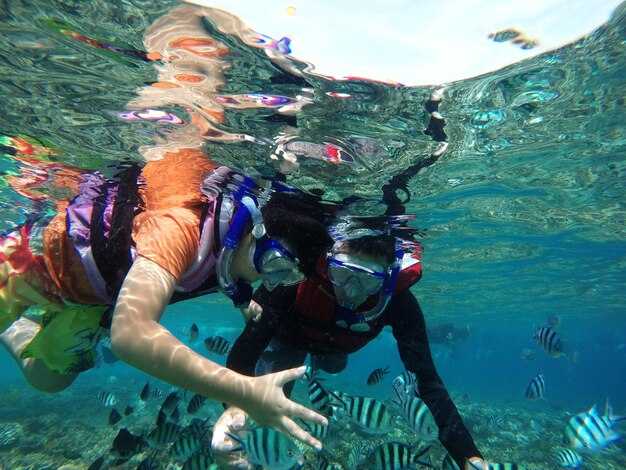
Start with a guided wreck exploration with a certified local operator to maximize safety and reach the best spots on your Aruba holiday. Antilla sits on the northwest shelf with upper sections around 20–25 m, while deeper portions extend to about 60 m, creating a clear progression across days. Stay near Palm Beach or the Divi area for convenient accommodation, and book morning departures to take advantage of calmer seas and stronger light for visibility.
Antilla wreck – depth and what you’ll see: This wwii-era cruiser lies along a broad structure, with the bow around 20–25 m and the stern down to roughly 60 m. You’ll view rusted gun turrets, the conning tower, boiler rooms, and cargo holds, all encrusted in reef life. Schools of snapper, grunts, and parrotfish weave through the wreck, and visibility typically remains in the 20–30 m range on good days, making every photo feel dramatic.
Pedernales wreck – depth and currents: Pedernales sits shallower, with the main sections at 18–25 m and deeper pockets down to about 40 m. Currents on the north coast can vary; on gusty days they move along the hull, while calmer mornings offer more predictable conditions. Expect a rich array of reef fish, moray eels, and occasional spotted trumpetfish, all accessible within easy bottom times for learning and discovery.
Other wrecks on Aruba’s north coast – depth and scenery: Several smaller wrecks off Arashi and the Boca Catalina area present profiles in the 12–30 m range. These sites emphasize engine rooms, catwalks, and mast remnants, delivering a quicker discovery session without long bottom times. That makes them ideal for a lighter day after a travel-heavy itinerary.
Currents, seasons, and planning: Visibility can be strong in the dry season, often 20–30 m, but winds and tides may create strong currents on certain days. A local guide can pick entry points that minimize drift and maximize safety, especially when you went to deeper sections or deeper bottom time. To optimize your reach and comfort, plan a couple of wreck exploration days, starting with the shallower Pedernales and moving to Antilla as you gain experience.
Logistics and practical tips: There are abundant options available from single-day excursions to multi-day programs, all tailored for travelers from holiday packages or layovers. Direct flights to Aruba are common, with a range of accommodation choices along the sand and shore. Booking through a trusted service ensures you’ll find the right schedule, gear support, and transfer arrangements so you can focus on discovery, learning, and enjoying the island. If you’re staying near the Divi complex, you’ll find convenient access and a relaxed vibe that suits beginners and seasoned explorers alike.
Reef Sites and Marine Life: Visibility, Seasons, and What to Look For
Check today’s visibility forecast and plan your reef experience around Antilla wreck or DC-3 to maximize life and color.
Visibility in Aruba’s reefs varies with wind and currents, but clear days reach 20–60 meters, opening chances to spot larger schools and iconic life. West coast sites often deliver crisper water; the center-area reefs near Palm Beach can surprise with better clarity after midday sun. For a tourist, these conditions translate into richer photos and more time to discover color and movement close to the sand and reef edges.
The dry season (roughly December through April) brings steadier seas and longer daylight, making it easier to plan clear reef outings. From May to November, winds pick up and currents can stir the surface; pick sheltered spots and schedule deeper wrecks like Antilla or DC-3 for calmer conditions mid-day when visibility holds best.
Look for healthy coral edges with bright brain and elkhorn shapes, vibrant sponges, and schools of small reef fish. A truly diverse reef shows life movement around the bottom, where parrotfish, secretary wrasse, and moray eels hide in crevices. Watch for sea turtles and spotted eagle rays gliding along the open coast; if currents are gentle, you’ll see more juvenile fish around sandy patches and channel breaks.
On the west coast, Arashi and Boca Catalina deliver accessible, diverse reefs with easy entry. The Antilla wreck rests on a sandy bottom at mid-depth and hosts life around the hull–snappers, yellowtail, morays, and groupers. The DC-3 wreck sits a bit farther offshore and attracts a different mix of reef fish and pelagics, giving travelers a sense of history under the water. For a broader overview, add a third site at open-water platforms where you can see pelagics breaking water near the drop-offs.
Buy a rental car for flexible access to beaches and reef centers; options range from guided boat trips to self-guided shore entries. Guides often speak spanish and English, helping travelers who want deeper knowledge. Check with operators for two-site itineraries that fit your pace, and consider an additional outing if you want to chase a second life-filled wreck or more color. The coast around Palm Beach offers a center point for planning, with many reefs found within short boat rides; a well-planned itinerary makes better use of a short visit.
For a balanced plan, start with the west coast beaches–Arashi or Boca Catalina–then move to the iconic Antilla wreck and finally the DC-3 if conditions permit. This approach lets you check the visibility in the morning, discover different reef habitats, and enjoy time on open beaches between sessions. From the center of the island, you can organize a flight schedule if you’re visiting from a neighboring island or planning a wider Caribbean itinerary; even a short trip can yield truly memorable reef life for every traveler.
Safety, Certifications, and Gear: How to Dive Aruba Responsibly
Always travel with a certified operator and someone you trust. Confirm your certification level matches the planned experience, and keep your card visible for inspection. Check that the crew holds local permits and insurance, and review safety procedures before you enter the water here on Aruba’s coast, especially during peak season.
Certifications define boundaries for reef exploration and shipwreck access. A basic Open Water certificate covers snorkeling and shallow shipwrecks; an advanced certificate lets you approach high-profile wrecks with an experienced guide. Ensure your buddy team includes another qualified person, and respect limits at all times.
Gear should fit well and cover key parts of your setup. Essential items include a mask, fins, snorkel, and a properly sized wetsuit; if you use scuba gear, include a reliable regulator, a buoyancy control device, and a compact underwater light. Bring spare O-rings and a battery as part of your kit, and verify everything is serviced before travel, until you reach the site.
Etiquette around shipwrecks matters. Keep distance from shipwrecks, especially scuttled hulls, to protect both the structure and the creatures that rely on it. Do not touch corals or chase eels, and follow consent from your guide before entering narrow passages or approaching wildlife. Near the dc-3 wreck, stay clear of openings and let the current set your line of travel. Respect them.
Plan with your operator to match the season and site conditions. Another tip: review weather forecasts, currents, and visibility, and stay with your buddy group at all times. On board, technologies such as gps, surface marker buoys, and radios keep you connected, while a focused light helps you see details on a shipwreck without disturbing inhabitants.
Trip Planning: When to Dive Aruba, Water Temps, and Boat Schedules
Plan your Aruba water adventures in march or april, with morning departures to reach the west coast wrecks and southern reefs while conditions are calm and visibility is high.
Water temps stay around 27–29°C (81–84°F) most of the year, with a touch warmer in april. The abundance of corals along shallow reefs and the huge Antilla shipwreck near the west coast create a practical mix of sites for a single outing. Bring your PADI card if you hold certification, and check whether your plan includes tanks and weights; some centers include gear, others offer rentals. For safety, verify your insurance coverage for underwater activities and add it if needed because coverage provides peace of mind during excursions to shipwreck and reef sites included in your itinerary.
West coast wrecks, including the Antilla, sit in relatively shallow water, reachable within two hours on a typical boat. Southern sites offer vibrant coral gardens and sandy bottoms where you can see an abundance of marine life. During peak season, book ahead to secure preferred time slots and to reach your chosen sites until afternoon winds rise. If you arrive by plane, coordinate with the diving center to match your flight times with the boat schedule, because timing matters for a smooth day of exploration. If you book two sites, you can see them on the same outing.
Programările bărcilor tind să se concentreze în jurul sesiunilor de dimineață (aproximativ 7:30–11:30) și a curselor de la sfârșitul dimineții până la începutul după-amiezii (12:30–16:30). Întregarea se face de obicei cu 30 de minute înainte de plecare, iar mulți operatori au itinerarii pe două situri care combină epave cu recife. Echipamentul inclus variază în funcție de operator, așa că întrebați ce este inclus și ce trebuie să aduceți. Pentru martie și aprilie, tiparele meteorologice mențin marea gestionabilă pe rutele de vest și sudice, ajutându-vă să ajungeți la mai multe situri în aceeași ieșire. Folosiți un centru de încredere pentru a vă planifica traseul și mențineți o abordare flexibilă dacă marea se schimbă; vă puteți adapta pentru a ajunge la epavele și corali cele mai active.
| Month | Cel mai bun moment pentru a merge | Temperatura apei (°C/°F) | Site-uri populare incluse | Note |
|---|---|---|---|---|
| March | Călătoriile de dimineață maximizează raza de acțiune către epavele de pe coasta de vest | 27–28°C / 81–82°F | Antilla shipwreck; recifeuri din apropiere; funduri de nisip | Rezervați din timp; perioadă populară |
| April | Dimineață sau sfârșitul dimineții; vânturi mai line pe recifele sudice | 28–29°C / 82–84°F | Grádini de corali; epave suplimentare | Abundență de viață; planifică itinerarii cu două locații |
Bucuti Tara’s “Plant a Tree of Love”: Cum acțiunea climatică se asociază cu Divers
Alege Plant a Tree of Love de la Bucuti Tara în timpul călătoriei tale în Aruba; contribuția ta între 2 și 5 dolari pe noapte ajunge la eforturile de reîmpădurire ale insulei și îți susține aventurile cu scufundări prin întărirea liniilor de coastă care protejează recifele și corali.
- Cum funcționează: O parte din taxele pentru sejur finanțează plantarea de arbori nativi și zone tampon de coastă de-a lungul coastei de vest a Arubai, acordând prioritate speciilor care stabilizează dunele și filtrează scurgerile, reducând sedimentul care ajunge la recifele puțin adânci.
- Impactul asupra recifelor, epavelor și a vieții: țărmurile mai sănătoase reduc fluxul de sediment care poate sufoca corali; zonele tampon restaurate îmbunătățesc calitatea apei și oferă habitat pentru peștii juvenili în jurul epavelor și al zonelor largi de recif. Aceste beneficii îmbunătățesc viața în jurul habitatelor subacvatice pentru majoritatea observatorilor.
- Date și transparență: De la lansare, au fost plantați mii de copaci; progresul și amestecul de specii sunt actualizate lunar pe un panou de descoperire disponibil oaspeților.
- Pași de participare: Disponibilitatea face ușor să te alături; la check-in sau online, selectează Plantă un Copac al Dragostei, alege o sumă de donație și primește o confirmare; scopul programului este de a compensa emisiile de carbon și de a restabili habitatul costier.
Note practice pentru scafandri și călători:
- Majoritatea oaspeților asociază acest lucru cu conștientizarea sănătății recifelor; aceste acțiuni mici ale vizitatorilor ajută la menținerea vieții între furtuni și perioade calme.
- Din punct de vedere al planificării, acest program este disponibil pe tot parcursul anului; îți poți ajusta rezervarea pentru a crește sau a reduce contribuția și poți contacta personalul hotelului online pentru actualizări.
- Asigurări sau planuri de rezervă: discutați cu asigurătorul dumneavoastră despre acoperirea pentru modificările de călătorie din cauza vremii, ținând cont de faptul că Plant a Tree of Love operează independent ca donație voluntară.
- Raza practică: avioanele care aterizează la resort aduc un public global; cu toate acestea, acțiunile dumneavoastră afectează zona costieră locală și sănătatea recifului, în special în jurul epavelor și a recifilor care atrag entuziaști ai scufundărilor.
Pe scurt, acest parteneriat aliniază sejurul dumneavoastră în Aruba cu o acțiune climatică cu scop, oferind un beneficiu tangibil și măsurabil pentru sistemele de recifuri, epavele și viața de-a lungul coastei – în timp ce vă bucurați de o atmosferă spre vest de snorkeling și aventuri cu scuba, cu recifuri mai rezistente.