


 Română
  English (UK)
  Русский
  العربية
  日本語
日本語  한국어
한국어  Magyar
  Türkçe
  Español
  Čeština
  Svenska
  Português
  Ελληνικά
  Suomi
Suomi  Nederlands
  Italiano
  Français
  Polski
  Українська
  Deutsch
  简体中文
简体中文  Slovenčina
 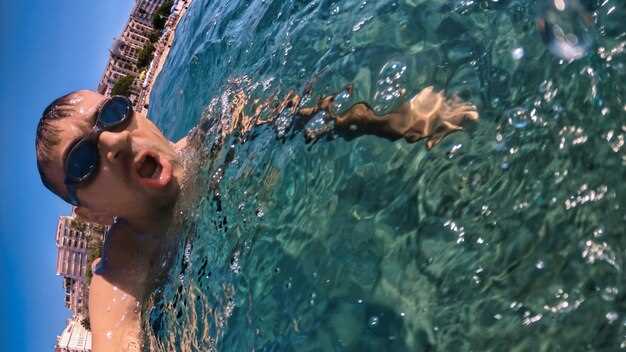 9 Best Snorkeling Experiences in St. Thomas – The Ultimate Underwater Guide">

Start at Coki Beach harbor in calmest morning light, where visibility stretches long and angelfish drift past rocky reefs. Plan a 60–75 minute snorkel loop to gauge currents and adjust pace, then retreat to shade for a quick sip of water. This first stop provides stable depth, shallow coral columns, and a compass of schools so mind stays focused on detail rather than distance.
Next, visiting cays near thomas harbor presents colonies of coral and swarms of angelfish patrolling rocky ledges. An additional stop at nearby beachs adds a brief pause to stretch, sip water, and reset focus. This route also reveals tiny cleaner shrimp, and a 40–60 minute snorkel here suits travelers seeking a deeper look at reef architecture, with visibility high in the morning and currents typically calm by midday.
For a long, personalized experience, choose a guided session that tailors depth and route to your skill level. Look for a 75–90 minute schedule with a brief safety briefing, gear check, and a planned stop to observe angelfish schooling around rocky outcrops. Looking for a route tailored to your mind and interests yields deeper insight into reef design and life patterns.
In deeper zones, rocky drop-offs host barracudas and rays; maintain distance. Choose sites with long sunbeams slicing through water to reveal vivid color on coral. A 50–70 minute session allows a surface interval and perhaps a second stop near a sheltered cay to spot juvenile snapper schools over sandy flats.
Another option spans calmer coastlines where currents ease, exposing macro life such as tube worms and octopus. These harbor-edge spots offer a chance to photograph shy creatures in mere inches of water. Visiting early or late in the day increases visibility for close-ups over reef textures, creating vivid memories of colored parrotfish and angelfish.
Plan a multi-stop route with total duration around 2.0–3.0 hours to keep energy high and avoid fatigue. A flexible pace helps adapt to currents, light, and wind. Also, keep a mental map of locations, channels, and cays to optimize routes and minimize backtracking.
From a mindful perspective, selecting gear and pacing yields sustainable, personalized adventures. By checking local tide charts, you improve visibility and reduce surface glare, while enjoying macro glimpses of angelfish, parrotfish, and tiny crustaceans. A final, quiet stop over ocean reflections lets you close this chapter and plan future visiting thomas routes.
Narrow, practical plan for exploring St. Thomas’s underwater world
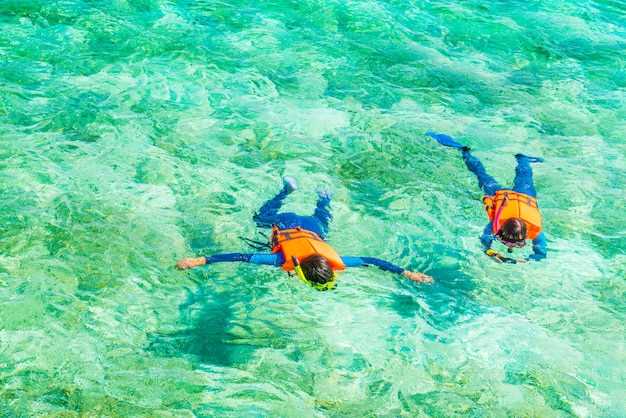
Begin with this direct recommendation: hire a compact powerboat at dawn from magens harbor, then motor across crystal waters toward sheltered reefs. youll enjoy maximum visibility and the chance to spot lobster, rays, and turtles before crowds arrive. theres a calm window to start, within this plan this morning offers an unforgettable opening, and you can also maintain a steady pace without rushing.
Three anchor stops ensure coverage: first, a shallow reef near harbor for easy entry; second, a mid-depth drop-off across from the harbor where ledges attract fish; third, a covered sand shelf where you can pause, swap air, and enjoy views of schooling fish. snorkeler can move deliberately and look for rays and lobster pockets in crevices. across the route, trees line the shore and the waters stay clear, making the experience feel seamless.
Within this plan, timing is key: morning isnt the only window, though calmer seas are most common at first light. If conditions shift, shorten the loop to two sites and return to harbor, then join a different leg later. carry complimentary water and sunscreen, plus a dry bag; after the last stop, you can sample wine on the deck while reviewing photos. excursionsst options at the marina offer add-ons, but this plan allows you to stay flexible and still cover key habitats.
Equipment and safety: bring mask, snorkel, fins that fit well, plus a small dry bag. The harbor location allows quick returns if weather worsens and keeps the trip away from crowded bays, while the approach itself can combine several spots with a single launch. this plan eliminates wasted time on boats while maximizing site variety, keeping you across different habitats with maximum exposure to underwater life. always respect local rules and avoid touching corals. If you want to extend the day, magens can serve as a midpoint to switch to another shallow run and keep moving, with the option to enjoy a complimentary wind-down break back at the harbor.
Shoreline Snorkel Spots for Beginners and Easy Access
Start at Coki Point Beach for easy access, shallow entry, and clear water. Food trucks nearby support a full morning or extended afternoon outing, especially for families planning a calm day around fish and coral. Visibility in calm conditions often reaches 20–40 feet, with a blue surroundings framed by rocky shoulders along a sheltered reef.
- Coki Point Beach – sandy entry, gentle slope, and a protected reef zone just offshore. Visibility commonly reaches 20–40 feet in morning calm, with blue water and vibrant coral heads ideal for first-timers. Location is within quick reach of parked cars, and private charters can drop you off for a private session before lunch.
- Magens Bay Beach – long, crescent shoreline with shallow, forgiving water near shore. Reefs extend a short distance, creating reliable sightings for beginners. In morning hours, visibility improves and you’ll see generous color variety among parrotfish andunki wrasse, great for a relaxed full or half-day plan.
- Sapphire Beach – turquoise, sapphire hues frame a protected bay. Shore access is straightforward, with palm-fringed margins and easy stepping stones to shallow reefs. In morning or late afternoon, visibility stays solid and wildlife keeps to view, perfect for families and short loops.
- Lindquist Beach (Smith Bay Park) – calm, sandy approach with gradual drop-off. Stairs or boardwalks simplify access, while water stays clear within a close range of shore. Surrounding water features light currents, making it simple to stay within comfortable limits for beginners.
- Morningstar Beach – convenient for resort guests and locals alike. Morning light smooths water and keeps visibility steady, letting you see a variety of reef life close to shore. Afternoon turns sometimes windier, so planning a morning session may be ideal for many visitors.
- Hull Bay Beach – a quieter spot with steady, gentle surf on calm days. Easy entry zones and a protected reef patch draw beginners, while the surrounding blue water provides a reliable backdrop for simple snorkel loops during morning hours or a relaxed sunset finish.
- Secret Harbour Beach – sheltered cove with shallow depth and soft sand, great for slow, extended sessions. Visibility remains solid in morning and again in late afternoon; private setups or small-group charters offer flexible drop-off points, increasing options for what youve seen along this coast.
- Mangrove Lagoon (Mangrove surroundings) – shallow channels among mangrove roots invite safe exploration for beginners. This spot rewards careful planning and flexibility, as you can drift along within protected pockets and observe small fish and crabs moving through murky-to-clear patches. For a full day, mangrove terrain pairs well with nearby blue-water views and framed reflections in shallow bays.
Whats more, each location around thomas island offers nearby access points so you can adjust plans on the fly. Youve got options to pair morning sessions with afternoon explorations, or to pause for food and rest and resume when currents allow. Private arrangements or charters often extend snorkel windows beyond shoreline limits, enabling longer experiences without sacrificing safety or visibility. For families, these spots provide easy access, clear water, and protected zones that let beginners build confidence while still enjoying vibrant marine life during sunrise or sunset views.
Boat-Based Snorkel Trips with Reef Highlights and Convenient Gear
Recommendation: book a private morning tour on a compact fleet that includes mask, snorkel, fins, and life jackets; an early departure yields calmer surface conditions, clearer water, and extended reef time.
Route highlights typically pass through a sheltered lagoon to the reef edge, with the chance to swim through framed formations of coral and schools of tropical fish. Visibility is clear in the morning, and currents stay manageable near the edge; for a snorkeler, these conditions are welcoming.
Gear and on-board convenience save time: equipment is stored on deck, quick rinse options exist, shaded seating is available, and drinks flow between swims. Keep your feet relaxed on the surface and use the fins to glide with minimal effort; safety lines keep you in position near the dyke and reef walls.
Crew and safety: thomass and john lead the boat, with a british crew providing a concise briefing and ready safety equipment. Those seeking flexibility can tailor the stops, and extended tours offer extra reef time. The setup typically allows you to photograph through frames of coral while moving at a comfortable pace.
Booking notes: christmas slots and off-season itineraries are available, and private tours can adapt to early starts or late returns. If fitness is a concern, choose a route with shorter swims and rests between sections; this opportunity suits travelers looking for a relaxed tour along the lagoon, dyke, and edge while enjoying an extended surface view.
Protected Areas and Reefs: Where to Expect Clear Water and Dense Life
Go to mangrove-fringed coves on western shores at dawn for pristine water and full visibility; thats when dense life has a chance to show up and memorable sightings occur.
Protected areas, framed by healthy reefs, often yield pristine water and sheltered vantage points, with sightings of such species as spotted grouper, parrotfish, and rays gliding by; smith locals share these sightings.
Take a short tour that explores shallow reef flats and mangrove channels; take right along mangrove edge to reach calmer pockets; this option provides a convenient route to reach rich habitats without crowds. also, smith locals share maps showing preferred routes along these coasts.
Locals emphasize observing from safe distances; food and snacks attract activity around reefs, though mind the impact and avoid feeding; thats approach yields full sighting potential without disruption.
magens offers a practical anchor, with shallow, clear water and dense life suitable for frame-worthy moments; sarandë adds another option for a calmer backdrop, though currents reaches varying strengths.
Morning calm after light winds offers highest clarity; carry a mask and fins, plus a spare snack, to stay comfortable and mindful of physical currents and wildlife. Something simple: move slow and mind the moment.
Key Marine Life to Observe: Turtles, Reef Fish, Rays, and More

Book sunrise powerboat charters across magens for turtle sightings; such options deliver unforgettable light on corals and a smooth, low-disturbance drift.
Păstrați distanța și observați de la o distanță respectuoasă de 3–4 m când vă apropiați de coki. Broaștele țestoase verzi și de hawksbill ies la suprafață de-a lungul marginilor de iarba marină și în jurul capetelor de corali; fotografiați din lateral pentru a evita reflexiile pe carapacele lor, permițându-le să rămână calme pe tot parcursul.
Peștele de recif își afișează cele mai bune culori în lumina potrivită, de-a lungul abrupturilor verticale și a zidurilor de recif. Căutați pești papagal, pești chirurg, pești batic și pești snapper în timp ce școlile se învârt în jurul proeminențelor; nu vă atingeți de recif și lăsați-i să vină la dumneavoastră.
Razele de aripă și razele australe alunecă deasupra unor zone nisipoase, în special în apropierea golfurilor de Crăciun și a platourilor exterioare de recif. Observă arcurile lor netede dintr-o poziție stabilă, la o adâncime de aproximativ 1–2 m; o plutire lentă cu curentul îți crește șansele de a le vedea.
Corali întotdeauna cadrul scenei: formațiuni cerebrale, stelate, de corn de cerb și ventilator oferă adăpost pentru peștișori-papagal și creaturi minuscule. Identificați astfel de structuri în locații thomas- precum coki și magens și notați modul în care lumina se joacă pe suprafețele polipilor pe parcursul dimineții.
Pentru a-ți planifica zilele, citește recenzii de la alți scafandri și călători care au testat multiple opțiuni. Locațiile din Thomas și insulele din apropiere oferă multiple puncte de vedere; unele charter-e adaptează itinerariile la condițiile potrivite și distanțe mai scurte, astfel încât să tragi mai puține curenți și să faci mai multe fotografii. Datorită acestor note, poți alege un program care se potrivește cu nivelul tău de fitness și programul tău, bucurându-te de fundaluri Thomas care par îndepărtate, dar accesibile.
Gustările la bord mențin energia ridicată pe parcursul rutelor lungi; nu este nevoie să te grăbești – ia-ți timp, respectă fauna sălbatică și bucură-te de culori pe tot parcursul zilei.
Echipament, sincronizare și siguranță: Un plan practic pentru o zi pentru scafandri
Închiriază mască și aripioare de la un magazin reputabil cu o seară înainte și rezervă o ambarcațiune mică cu închiriere pentru un plan de o zi întreagă. Întâlnește-te la port la ora 08:00; briefing rapid de siguranță; echipamentul este furnizat de echipaj; confirmă dacă masca se potrivește și aripioarele se potrivesc picioarelor.
Împachetează o geantă ușoară: 1 litru de apă de persoană, prânz, protecție solară sigură pentru recif, sac impermeabil pentru obiecte de valoare. Verifică dacă șnorchela are supapă de purgere; adu un rezervor de gură de schimb dacă este necesar; asigură-te că ai acces la echipamentul furnizat de charter; menține ritmul cu partenerul.
Plan pentru dimineață: recifele Sapphire Cays oferă vizibilitate clară; următoarea oprire, locuri în Buck Island; sesiunile sunt limitate la 50–60 de minute; mențineți o distanță de 6–8 metri față de partener; sunt posibile apariții de caracatițe în zonele stâncoase.
Siguranță: asociați-vă întotdeauna; rămâneți aproape, evitați atingerea coralilor sau a viețuitoarelor sălbatice; dacă curenții se intensifică sau vizibilitatea scade, întrerupeți și întoarceți-vă la ambarcațiune; semnalați cu fluierul sau cu un buoy luminos; conștientizarea meduzelor este importantă.
Pauză de prânz: Prânz în zone de plaje liniștite sau locuri pe malul parcului; după prânz, a doua sesiune lângă Gorda Cay și insulele din apropiere; accesul la locurile de recif rămâne puternic; ce urmează depinde de condiții; multe vizitează locații cu ape calme. Opțiunile de prânz pe țărm pot include apă și vin opțional.
Croazieră în port: Dacă sunt vase de croazieră în port, următorul pas este să vă mutați în golfuri mai liniștite; ajustați orele de începere și alegeți sesiuni mai scurte; păstrați-vă geanta mică; acest lucru ajută la accesarea unor locuri precum Sapphire, Buck, Gorda și Cays.
Post-day: clătește bine echipamentul; pașii de curățare furnizați; depozitează la umbră; verifică cu echipajul unde să predai; источник