


 Română
  English (UK)
  Русский
  العربية
  日本語
日本語  한국어
한국어  Magyar
  Türkçe
  Español
  Čeština
  Svenska
  Português
  Ελληνικά
  Suomi
Suomi  Nederlands
  Italiano
  Français
  Polski
  Українська
  Deutsch
  简体中文
简体中文  Slovenčina
  8 Sfaturi Esențiale de Navigație Estivală pentru Distracție, Soare și Siguranță pe Ponton">

Tip 1: Dress for success on the lake with uv-protective fabrics and properly fitted, well-maintained vests for yourself and kids; such equipment is crucial to avoid life-threatening situations when weather turns on the water.
Tip 2: Check conditions before you go; bring a cooler with cold drinks to help cooling and reduce sweat in sunlight on the deck, whether you’re cruising along the coast or near a beach.
Tip 3: Avoid alcohol when underway; alcohol imbalances judgment and driving capability, increasing life-threatening risks and hindering your ability to protect someone else on the water; stay sober to prevent accidents and keep everyone safe.
Tip 4: Conduct a pre-launch check of your boat’s well-maintained systems–gas/fuel lines, electrical, bilge, and a extinguisher–to ensure they are located and easily reachable; avoid packing heavy items in one spot to maintain balance and keep the vessel safely underway.
Tip 5: Secure the deck with proper knots and non-slip footwear; keep heavy items low, packed away, and supervise kids și other passengers so the deck remains safe for everyone on board.
Tip 6: Have a packed safety kit, including a lifebuoy, radio, and an extinguisher if needed; practice a drill to protect victims and know how to pull someone from the water without causing panic; keep a list of amazon recommendations for gear you can trust.
Tip 7: Respect the environment; balance your load to maintain a stable course, avoid heavy fuel consumption, and pull back from the coastline when conditions worsen; this general safety habit keeps other boats from getting involved and protects the water you share with others.
Tip 8: Stay familiar with local rules at the marina; use uv-protective gear, keep driving și coastă calculations simple, and talk with fellow boaters to share recommendations that help prevent life-threatening incidents; always relax and enjoy the coast, knowing you’ve prepared.
8 Summer Boating Tips for Fun, Sun, and Deck Safety; Sunscreen
Tip 1 – Gear, life jackets, and safety checks Before launch, ensure every person has a vest or jackets that are Coast Guard-approved and fit securely. Have extra jackets on hand, and secure all equipment on deck to prevent movement. Verify safety gear and the safety system are ready, including a charged extinguisher, a horn, and a first aid kit. This preparation is crucial to reduce risk and keep the crew prepared for whatever comes next, including someone head injury or a sudden shift in balance.
Tip 2 – Sunscreen, shade, and sun protection Apply broad-spectrum sunscreen before exposure and reapply after water contact. Seek shaded areas on the deck when the sunlight is strongest, and wear a hat and UV-protective clothing. Bright reflections off the water can accelerate sunburn, so stay in shade when possible and protect eyes with polarized sunglasses.
Tip 3 – Hydration, staying cool, and comfort Keep packed water and electrolyte drinks readily accessible. Dehydration is a real risk on hot days, so sip regularly and limit beverages that promote dehydration. Plan rest breaks in shaded spots, stay aware of heat symptoms, and stay ready to pause activities if anyone feels overheated or lightheaded.
Tip 4 – Safe deck movement and securing gear Limit movement on the deck during turns or rough water and keep the deck clear of loose items. Use handrails, wear non-slip footwear, and secure all loose gear above seats. Establish a direct path for walking, announce turns, and respect crew members’ space to prevent trips or sudden shifts of balance.
Tip 5 – Engine, fuel, and launch discipline Check the engine, fuel level, and wiring before leaving dock. Ensure you have enough fuel for the planned distance and a clear route direct to your destination. Skipper the vessel with calm, deliberate turns, and turn off the engine when docking as required by procedure, keeping the crew informed and ready to respond to changes in wind or current.
Tip 6 – Devices, navigation, and emergency readiness Pack essential devices and backup navigation gear, keeping them charged and located in a secured, dry place. Use trusted apps from googleplay for weather and maps, but also carry a backup chart or offline map in case signals drop. Consider adding gear from amazon for extra safety, and ensure a working radio or SOS device is ready; protect batteries from splashes and keep cables neat to prevent trip hazards for someone on the dock or deck.
Tip 7 – Practice, recommendations, and safety drills Practice basic handling and man-overboard procedures with the crew to build confidence. Follow recommendations from the boat’s manufacturer and adhere to state regulations. Run quick drills for engine failure, a stalled pump, and extinguisher use; these sessions help everyone stay calm, show preparedness, and improve the overall experience, especially during turns or sudden weather changes.
Tip 8 – Respect, preparation, and safe boating routine Respect local rules at the dock and on the water, keeping to the most conservative limits and securing all gear when not in use. Theres always a need to stay aware of current weather conditions and to plan for shifts in sunlight or wind. Keep the deck organized and secure, stay hydrated, and pack sun protection supplies so the entire group can relax and enjoy the voyage. This approach helps you keep safety first while sharing the best experience with loved ones and ensuring your gear and safety practices remain ready for the next trip.
8 Summer Boating Tips for Fun, Sun, and Deck Safety; Sunscreen
Tip 1: following a pre-launch safety checklist helps you assess weather, winds, and deck conditions. This checklist keeps everyone involved on the same page and reduces surprises. Leave life jackets and other safety gear located within easy reach, and ensure kids and others are supervised. Keep surfaces clean and dry to prevent slips before you launch.
Tip 2: Sunscreen strategy for sunny days. Apply broad-spectrum sunscreen before exposure to sunlight and reapply every two hours, or after swimming or sweating. Carry hats and protective clothing so everyone can stay protected and comfortable. Sunscreen routines help reduce exposure and keep you safely enjoying the water.
Tip 3: Life jackets are the best safety. Every person onboard should wear a Coast Guard-approved life jacket when on deck or near the water. Check the fit and keep extras for kids and guests; located where you can grab them quickly. Boaters should be aware of movement on the deck to prevent falls, and involved in the routine.
Tip 4: Hydration and temperature control. Bring plenty of water and a cooler with non-alcoholic drinks, and take breaks in shade to stay cool and avoid overheating. Relax and enjoy the most of the ride, maintaining the balance between activity and rest for steady energy.
Tip 5: Alcohol rules and operators. Do not operate watercraft if anyone is under the influence; stop the activity and have a sober operator take over. Alcohol affects judgment and reaction time, so keep it away from the helm. If someone is having a drink, avoid allowing anyone to be in the operating position.
Tip 6: Deck safety and surfaces. Keep surfaces dry with non-slip mats and secure all loose items to prevent trips. Consider lighting needs; use lights to improve visibility at dawn, dusk, or night; check the deck rails and latches so they are secure. This reduces slips and keeps everyone safely.
Tip 7: Sun protection for kids and others. Apply sunscreen, provide shade, and dress for direct sunlight; use hats and lightweight clothing. Be mindful of the effects of exposure on skin and eyes, especially for kids. Fans on board help stay cool and reduce fatigue during warm winds.
Tip 8: Planning, equipment, and resources. Have a comprehensive checklist and download trusted weather apps to stay ahead of conditions. Know where everything is located and maintain the safety system with spare parts. Have a back-up plan for launch or leave when weather turns; related responsibilities should be shared so everyone is involved. youre able to enjoy the experience, stay calm, and keep movement on the watercraft safe.
Choose Broad-Spectrum Sunscreen (SPF 30+) with Water Resistance
For most boating days, choose a broad-spectrum sunscreen with SPF 30+ and water resistance. Familiar formulas provide reliable protection on all surfaces exposed to sun, including deck, rails, and skin. Look for guard-approved labels and opt for a product that remains effective under direct sun, sweat, and wind. The best options deliver strong protection in bright lights and throughout the environment, making it easier to manage movement on a moving boat. There are numerous choices that suit different skin types, temperatures, and preferences, so you can find what fits your routine and keep skin safe.
Apply generously before underway and reapply every two hours, or after sweating, swimming, or towel-drying. This ensures full coverage of all exposed skin, including ears, neck, and the tops of feet that catch the strongest sun during long rides. In extreme temperatures, you may need to reapply more frequently to prevent dehydration and overheating; always carry a spare bottle and drinks to stay fresh and hydrated on the boat. If you wear clothing or vests, apply sunscreen to protected areas as well, since UV can penetrate through thin fabrics. Youll find that a well-absorbed formula dries quickly, leaving a fresh feel and smooth surface on your skin as you move. If youre looking for simplicity, a scent-free, mess-free option helps.
When selecting, verify that the sunscreen includes broad-spectrum coverage and water resistance rated for 80 minutes or more. Look for guard-approved labels and choose formats that fit your routine: sticks for quick touch-ups, sprays for fast coverage, or lotions for full protection. There are numerous options, and most are easy to apply without leaving surfaces sticky. Fresh scents and lightweight textures work best under direct sun, in hot environments, and during long trips; this reduces the risk of a greasy feel and helps you keep moving, even when the temperatures spike. The product should feel comfortable on skin and offer strong protection without clogging pores or causing irritation, so your protection stays consistent for every outing. This includes easy-to-apply options that fit your lifestyle.
Beyond sunscreen, implement a complete safety routine: wear protective clothing and a hat, and keep guard-approved vests on when splash risk is high. Pack sunscreen, a spare bottle, and a small towel within easy reach; youll want to toss the bottle into a pocket or packed bag for quick access. theres no need to complicate your routine–theres a simple system you can rely on. There are guard-approved products that work on every surface and stay effective when you move, pull, turn, or climb. For safety, monitor the environment and state forecasts; if sudden weather shifts or a hurricane approaches, move underway to a sheltered area away from the engine and prepare a rescue plan. You can search for sun-safety tips on googleplay and use your phone to set reminders and log protection times. The goal is to prevent dehydration and overheating, so stay hydrated with drinks and keep the air fresh for cooling and comfort.
Purchase sunscreen from reputable brands and check the ingredient list for familiar, safe filters. this is important for everyone on board and helps manage exposure across different temperatures and sun angles. with consistent use, you can maintain full protection and reduce the risk of overheating and dehydration. the best approach combines smart planning and easy-to-apply protection to ensure you get the most from the day. always ensure you locate sunscreen in a reachable spot, never leave protection to chance, and turn your routine into a habit that keeps you safe, comfortable, and ready to rescue your crew if needed. this is the same level of care you expect from guard-approved products, so you can enjoy your time outdoors with confidence. there are numerous states of sun and shade to navigate, so be prepared and keep the plan moving.
Apply Sunscreen Correctly and Reapply After Water Exposure
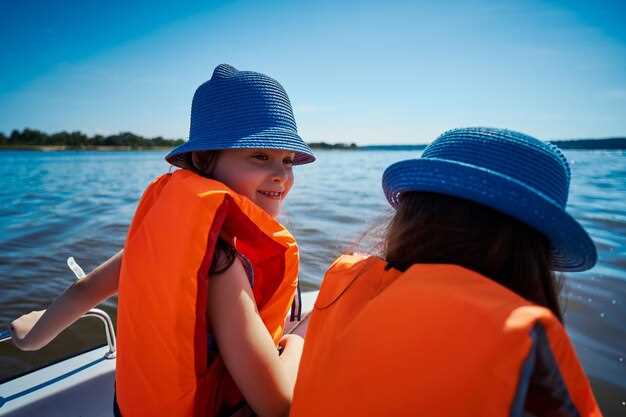
Guard-approved sunscreen with broad-spectrum protection and SPF 30+ is the foundation of a safe on-water routine. Apply generously to the body before you head underway, including hard-to-reach areas behind the ears, on the feet, and along the neck. This practice helps prevent dehydration and reduces rapid skin damage when conditions are general and unpredictable, especially during weekend outings on the coast.
Apply the product 15-30 minutes before sun exposure and reapply after any water exposure or towel-drying. Even if a sunscreen is water-resistant, you could lose protection quickly with heavy movement on a boat, so a quick reapplication is crucial to prevent skin burn and long-lasting damage. Keep a disciplined checklist to ensure you’re wearing protection before a voyage, and dont skip any exposed areas.
To ensure adequate coverage, use about one ounce for full body application, then reapply as needed. Focus on commonly missed spots such as the face, ears, neck, shoulders, back, and feet, and remember to apply to any areas that will be behind a spray or shade, where sun reflection off water can intensify exposure. If you’re wearing protective clothing, sunscreen still helps to plug gaps and guard against sunburn from quick, rapid movements that occur when maneuvering around the engine, lines, and deck fittings. In harsh sunlight, the combination of sunscreen and protective gear becomes a powerful foundation for preventing harm and staying relaxed during the voyage.
During underway operations, have sunscreen easily accessible along with other sun-safe devices and accessories. A small cooler can keep products at a stable temperature in hot conditions, reducing the risk of product separation and keeping cooling measures handy for long trips. Storage in a cooler also supports staying prepared for changing conditions and the need to reapply quickly after water exposure. источник of safety guidance emphasizes reapplication after water contact, especially when fatigue or dehydration signs appear in crew members, so monitor feeling and apply promptly if someone shows signs of sunburn risk or overheating.
Additional tips: reapply after wearing sunscreen for several hours in direct sun, and apply to all exposed skin, including often-missed spots like the backs of the legs and the tops of the feet. Avoid sunburn by pairing sunscreen with hats, UV-rated clothing, and shade when possible. Be aware of rescue and emergency situations; always keep a whistle and life-saving devices within reach, and remember that protection is part of a broader safety routine, not an isolated action. The goal is to keep skin healthy and the boat crew safe, so you’re prepared to handle any weather conditions that arise, wave after wave, without compromising comfort or performance on the coast.
| Checklist | Details |
|---|---|
| Product selection | Guard-approved, broad-spectrum SPF 30+; check expiry; choose water-resistant if you’ll be in the water. |
| Amount and coverage | Apply about one ounce for full body; cover face, ears, neck, shoulders, back, and feet; reapply after water exposure. |
| Timing | Apply 15-30 minutes before sun exposure; reapply every two hours or after sweating/towing/falling overboard. |
| Reapplication after water exposure | Reapply promptly after swimming, towel-drying, or heavy spray; always check for signs of wear or rubbing off. |
| Storage | Keep sunscreen in a cooler or shaded area when underway; avoid extended heat exposure to preserve efficacy. |
| Coverage areas | Face, ears, neck, shoulders, chest, back, arms, hands, legs, feet, and behind knees; don’t miss hidden spots. |
| Supplemental practices | Wear protective clothing, hats, and sunglasses; limit sun during peak hours; maintain hydration to prevent dehydration. |
| Emergency readiness | Keep sunscreen accessible alongside life-saving devices and signaling equipment like flares and whistle; prevention supports rapid rescue if needed. |
Wear Protective Gear and Practice Safe Deck Habits
Protective gear reduces the risk of injuries when you’re on the deck. Wearing a guard-approved vest or life jacket is crucial, with snug fit and securely fastened straps. Sunglasses that block UV rays protect eyes in bright sunlight, and clothing designed for quick drying helps you stay comfortable when spray or sweat makes surfaces damp. Non-slip footwear, a hat, and a light, breathable layer add to overall protection while you’re moving around the deck. Remember to check gear before each trip and replace worn parts–these items can become less effective if neglected.
- Wear a guard-approved vest or life jacket that fits snugly; fasten all straps and check for wear or fraying before you start.
- Use sunglasses and UV-protective clothing to reduce glare from sunlight and spray; consider a hat and sunscreen for long exposure.
- Choose sturdy, non-slip footwear and keep all surfaces clear of loose items that could cause trips or slips.
- Stow gear in accessible places and maintain a clear deck to promote safe movement and easy rescue if needed.
Safe deck habits keep you relaxed and protected. Stay mindful of constantly changing conditions–sunlight intensity, wind, and movement on a rocking surface can quickly alter risk. Never ignore a hint of fatigue or imbalance; taking a moment to check your footing and surroundings is an important habit. Always respect lines, rails, and deck edges, and use handholds and rails when turning or stepping down from elevated areas.
- Keep surfaces dry and free of garbage, water, and loose gear that could cause slips or trips.
- Turn away from the railing when lifting or moving heavy items; never kneel or lean over the edge without support.
- Respect weather and water conditions; if conditions worsen, slow down, stop moving, and reassess your position on deck.
- Use the skipper’s guidance to stay within safe zones and follow the posted safety lines and flags.
Tech tools and resources can help you stay on track. Download safety apps and use a checklist to ensure you follow these steps consistently. Youll find guard-approved options on googleplay and amazon; these apps offer a ready-made checklist and quick reminders for protective gear, surface checks, and safe movement on deck. Use these tools to keep a fresh idea of what to wear, how to move, and when to change positions to stay cool and comfortable while you enjoy the ride.
- Start with the basics: wearvests, wearingsunglasses, and wear non-slip clothing and footwear.
- Follow the safest movement patterns around surfaces and rails; keep hands free and using straps when climbing or descending.
- Check the environment: assess sunlight, shaded areas, and cooling needs; adjust clothing and gear accordingly.
- Maintain a simple, reusable checklist and review it before every trip; you may add notes about conditions and any safety concerns observed.
By prioritizing protective gear and safe deck habits, you’ll reduce risk while staying comfortable and focused on an enjoyable experience for everyone on board, whether cruising near the beach or floating farther offshore.
Dress for Sun: UV-Protective Clothing, Hats, and Sunglasses
On a bright day around the dock, around the beach, or during a weekend outing, proper sun protection starts with clothing that covers the body without restricting movement. Taking sun safety seriously shows respect for your skin and the lines of exposure that influence risk during rapid sun angles. Build a full protection system with UV-protective fabrics, a wide-brim hat, and sunglasses. The required gear includes long-sleeve shirts or rash guards, lightweight pants, and UV-protective vests for extra coverage when you’re moving between sun and shade. Look for breathable fabrics that wick sweat, offer UPF protection, and stay comfortable as the temperature rises. This is not only about protection but comfort, ensuring even cold mornings or hot afternoons feel easy to handle. Adapt for changing weather and environmental conditions, so you stay out longer and enjoy the day. Choose colors that reflect heat, and size that fits every member of your crew, from loved partners to kids, so everyone stays safe, even when you’re in windy conditions on the water.
Hats and sunglasses play a pivotal role in head protection. A wide-brim hat (three inches or more) protects face, ears, and the back of the neck, located on your head for steady protection. Sunglasses should block 100% UV rays and stay secure during movement to reduce glare and protect the eyes. When on deck or at the beach, their protection prevents sunburn around the eyes and on the skin behind them, even on breezy days. Use a whistle to signal breaks and remind everyone to pause when it’s time to retreat to shade; for kids, keep their hats on and their sunglasses within reach. For boat handling, keep the crew aware of knots and rope movement, and encourage everyone to work with hands free so you can respond quickly. Always look out for your loved ones and maintain safety without compromising fun, so everyone stays safe on every outing.
Sfaturi practice și ajutoare digitale: Creați o listă de verificare simplă pentru a fi la curent cu protecția solară. Verificați mediul, vremea și prognoza înainte de a pleca și ajustați-vă planul pentru după-amiezi fierbinți sau condiții de vânt. Utilizați aplicații pe googleplay pentru a urmări intensitatea UV sau pentru a vă aminti să verificați din nou protecția și hidratarea. Pentru alegerea hainelor, asigurați-vă că mărimea vestei sau a cămășii este potrivită pentru fiecare persoană și că acoperirea lor rămâne completă atunci când vă aplecați și răsuciți în timpul activității. Consumul regulat de apă și consumul sigur de apă vă ajută să vă mențineți pulsul stabil; supraîncălzirea poate duce la vărsături sau amețeli, așa că opriți-vă, odihniți-vă la umbră și faceți pauze când cineva se simte rău. Includeți întotdeauna pe toată lumea – copii, părinții lor și clienții – în rutină, astfel încât să poată rămâne în siguranță și să se bucure de ieșire cu încredere.
Mementou final: Îmbrăcămintea potrivită pentru soare este prima linie de apărare din spatele pielii, astfel încât puteți fi pregătit să vă relaxați și să vă bucurați de zi. Protejează viața și persoanele iubite de la bord și face ieșirea mai sigură pentru toată lumea. Dacă vă simțiți rău, opriți-vă, retrageți-vă la umbră și faceți pauze adecvate până când vă simțiți din nou echilibrați. Nu uitați să verificați dacă îmbrăcămintea de protecție solară are dimensiunea corectă și este fixată corespunzător și păstrați pălăria și ochelarii de soare la îndemână pe măsură ce vă deplasați de la doc la barcă, pe plajă sau în călătorii mai lungi cu clienții. Cu echipamentul potrivit, puteți profita la maximum de fiecare moment, oferind un exemplu bun pentru cineva care dorește să rămână în siguranță pe apă și asigurându-vă că întreaga echipă rămâne implicată și pregătită pentru următoarea aventură.
Rămâneți hidratați și planificați pentru căldură pe apă
Hidratare și echipament de hidratare accesibil Începeți cu apă proaspătă și o selecție restrânsă de sticle ușoare. Păstrați câteva sticle la îndemână pe puntea ambarcațiunii pentru a evita o căutare lungă în timpul unui după-amiază fierbinte. Planificați o excursie de weekend sau de o singură zi folosind aplicații care vă amintesc să beți la intervale regulate. O abordare proactivă vă ajută să mențineți echilibrul hidric, să preveniți durerile de cap și să rămâneți alert în timp ce vă bucurați de timpul petrecut pe lac.
Planificarea pentru căldură cu îmbrăcăminte și umbră Alege îmbrăcăminte cu protecție UV, pălării și țesături ușoare. Chiar și într-o zi răcoroasă, soarele se poate reflecta de pe apă și punte, crescând expunerea. Ia pauze la umbră sau în cabină și folosește protecție pentru fiecare plimbare. Pentru copii și pasageri, adaptează-ți planul la dimensiunile și nevoile lor, folosind veste de salvare care se potrivesc corect și asigurându-te că picioarele sunt confortabile pe punte.
Echipament și verificări de siguranță Înainte de plecare, inspectați stingătorul pentru a vă asigura că funcționează, confirmați că tot echipamentul de siguranță este la bord și în stare de funcționare și verificați că steagurile sau dispozitivele de semnalizare sunt vizibile. Verificați dacă motorul funcționează lin, sistemul de răcire cu apă funcționează și dacă ventilatoarele sau ventilația funcționează în zilele călduroase. Păstrați un telefon mobil încărcat sau un radio de bord la îndemână pentru situații de urgență. Fiecare operator ar trebui să revizuiască capacitatea maximă de pasageri și să se asigure că barca se potrivește cu încărcătura actuală. Acesta este primul pas într-un plan amănunțit de siguranță pe apă.
Fiți atenți la îmbolnăvirile cauzate de căldură și acționați rapid Boala termică se poate dezvolta rapid. Semnele includ o pulsare rapidă, dureri de cap, amețeli și vărsături. Dacă cineva se simte rău, mutați-l la umbră, slăbiți hainele, aplicați măsuri de răcire, oferiți înghițituri de apă și, dacă este necesar, solicitați ajutor. Cel mai important pas este să mențineți corpul rece și hidratat; folosiți o metodă rapidă de răcire, cum ar fi o cârpă umedă sau fluxul de aer dintr-un ventilator de punte. Nu ignorați simptomele bruște pe apă – abordați-le prompt pentru a preveni progresia către efecte mai grave.
Operare și mediu pe apă Pentru copii și pasageri, supravegherea este esențială; păstrați child și kids within sight and use proper restraints. Keep the deck free of garbage and secure gear to avoid tossing or throwing items overboard. Ensure weight distribution is balanced so the watercraft remains stable in wind and waves. Signaling devices such as a whistle and flags should be within reach, and every strap or line should be properly secured. The best practice is to plan for breaks, rotate roles between operators și pasageri, și confirmați că fiecare obiect de la bord este depozitat în siguranță și accesibil fără a compromite echilibrul sau siguranța.