


 Română
  English (UK)
  Русский
  العربية
  日本語
日本語  한국어
한국어  Magyar
  Türkçe
  Español
  Čeština
  Svenska
  Português
  Ελληνικά
  Suomi
Suomi  Nederlands
  Italiano
  Français
  Polski
  Українська
  Deutsch
  简体中文
简体中文  Slovenčina
  7 Reasons to Host Your Next Corporate Event on a Boat">

Host your next corporate event on a boat to deliver a standout experience and measurable results. Youre ready for a change from dull indoor venues, and a floating platform makes attendees more attentive and energized, creating an environment where everyone can enjoy meaningful dialogue.
First, a boat setting boosts making collaboration across departments effortless. A compact layout supports organisation, with clear roles and timelines that keep teams aligned. Everyone participates in structured discussions, turning casual chats into documented actions that drive results.
Second, you can hire facilitators and chefs who set the pace. When you hire experienced hosts, you build momentum and reduce on-site friction. The on-board crew handles catering, AV, safety, and logistics, so teams can stay focused on content and interaction. The stunning backdrop helps you enjoy sessions more and keep motivation high.
Third, the format supports a great mix of talks, workshops, and networking. A well-crafted list of activities reduces the challenging parts of planning and delivers excellent engagement. Guests can switch between plenary and breakout sessions, maximizing possible interactions and cross-team understanding.
Fourth, you gain practical data on ROI. Expect 15-30% higher attendance versus indoor venues when you promote an on-water format with clear agendas, and much longer on-site engagement. The logistics tend to be more predictable with latest scheduling tools, that helps you hire vendors in advance and lock in preferred time slots. This approach makes the organisation smoother and sets a positive tone for the rest of the quarter.
Right-sized vessel for attendee count and agenda
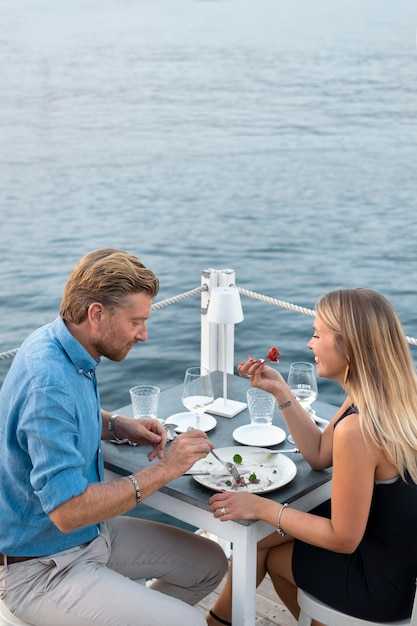
Renting a vessel sized for 60–90 attendees with a 4-hour program is ideal: it supports a main stage, two breakout zones, and a dedicated catering corridor without crowding.
Plus, the right balance of deck space and enclosed environments gives you flexibility to rotate formats between presentations, workshops, and roundtables, making sessions more productive. Just enough storage, power, and cabling keeps setups tidy and transitions smooth. All this drives productivity on the day. This should reduce ordinary shake and keep momentum steady even if waves roll by, and it gives you practical control over the setup.
Recognise that renting isn’t just transport; it’s exclusivity, an event atmosphere, and a chance to impress. For a workplace event, cater to different groups by creating distinct zones: stage for keynote talks, breakout nooks for collaboration, and dining areas for networking. This comes with the opportunity to build rapport, give attendees memorable experiences, and support your companys branding. Ensure signage, seating, and catering flow align with the agenda, and the on-site team will be sure to simplify transitions for attendees and guests alike.
Budget components: docking, catering, fuel, insurance, and crew gratuities
Lock docking six to twelve months in advance to secure best marina rates and calendar space. Planning this line item early reduces last-minute spikes and strengthens planning for catering, fuel, and crew. Moreover, hire experienced crew for charters to boost cohesion. Choose options fitting the event size and time frame for maximum benefits.
Docking costs vary by locale and season. In major markets expect $2,000–$6,000 per day for a 60–80 ft boat on a charter schedule, with electricity and water billed separately. For multi-day docking, negotiate a flat rate or a discount of 10–20% for 3+ days. This approach yields a clear baseline to help everyone stay on plan. A perfect balance between dock, catering, and crew costs keeps cruising exciting and minimizes break points in the plan.
Catering runs typically 60–180 USD per guest, depending on menu, service style, and beverage package. For a 40-guest crew and guests, mid-range options yield 8,000–14,000 USD per event. Favor plated service for key moments and a reception bite set to keep energy high during cruising. Hire a caterer with yacht-specific experience to gain excellent handling and rest between activities. Know what guests value to tailor menus. Choose catering options aligning with time windows to keep everyone connected, and include a beverage package at 25–35% of food costs to keep everyone motivated and maintain cohesion.
Fuel costs depend on engine size and cruising hours. For a mid-sized yacht, expect 60–120 gallons per hour at cruising speed. A typical 8-hour day with 6 hours of cruising plus maneuvering uses 360–720 gallons. At $4–$6 per gallon, fuel expense runs $1,440–$4,320. Add a 15% contingency to cover detours or weather; plan for $1,650–$4,970 for the day.
Asigurări covers hull, liability, and passenger medical. For a corporate charter on a 60–90 ft boat, annual hull and liability policies run $2,000–$8,000; single-event riders cost $500–$2,000 depending on guest count and itinerary. Secure a plan including accident protection, third-party liability, and crew coverage. A broker with experience in charters can tailor coverage to cruising needs.
Crew gratuities: budget 10–15% of crew wages or a flat daily rate per person. For a 6–8 person team, set aside 1,000–3,000 USD per event. This keeps the team motivated and ensures excellent service for everyone aboard. Leave your team motivated by these numbers.
Create an itinerary that leverages decks, sunrises, and nightlife
Begin with a sunrise briefing on the forward deck at first light, then serve a light, energizing breakfast in the midships lounge. This sets a productive tone and gives teams a clear sense of what achievement today entails.
Next, map a deck-centric timetable that keeps energy high and people engaged. The plan below is practical and flexible, covering event goals, roles, and logistics. According to client feedback, this structure works well for hybrid teams and remote leaders alike. Moreover, it helps having a shared rhythm that makes what you cover more memorable and compelling.
- 6:00–6:45 Sunrise session on the forward deck: quick status update, goal clarity, and a 5-minute Q&A. Include hot beverages from the rental partner to keep people alert. This moment helps having everyone understand the event priorities and what achievement to target.
- 7:00–9:00 Centric workshops on the mid-deck: two 60-minute rounds focusing on collaboration and rapid prototyping. Put a whiteboard in each corner, provide sticky notes, and rotate teams so teams from different departments work together. Fact: post-workshop surveys show cross-pollination boosts the number of actionable ideas. This format is possible and compelling because it keeps participants engaged and aligned with values.
- 12:00–13:30 Lunch on the aft deck: casual seating, light demos, and a values board inviting comments. Offer a brief 8–10 minute lightning talk about a recent achievement to set inspiration. The lunch should be proper, with shade, clean serveware, and easy access to restrooms; use rental gear for comfort.
- 15:00–16:30 Afternoon sprint on the sun deck: three 20-minute challenges with 5-minute breaks. Use timers, provide water, and offer optional rental equipment for quick demos. The cadence helps cover ground; sure to wrap with a 5-minute debrief so teams understand what they delivered and what to improve next time.
- 19:00–22:00 Nightlife on the skylounge: curated music, light bites, and a guided toast that highlights day outcomes. Provide a simple post-event poll to capture what people enjoyed most, and publish a one-page recap. Whether some participants prefer a quieter corner or a lively dance floor, ensure there is space to enjoy the atmosphere safely and comfortably.
Additionally, build in buffers for weather and crew capacity. If sunrise is delayed or rain interrupts, adjust the plan with a quick swap to the indoor lounge while keeping the same content and structure. This approach keeps the event centered on people and the values you promote, turning ordinary moments into memorable momentum.
Plan seamless travel to a marina and private transfers
Book a single, vetted companys to handle all legs of travel–from airport or train to the marina gate–for consistent timing and smooth handoffs. One point of contact reduces miscommunication and keeps arrivals aligned with pre-set docking slots, eliminating delays at the gate and during the transfer to the boat.
When building packages, align guest count, flight windows, and the boat schedule. Opt for packages that include meet-and-greet, luggage handling, and private vehicles for groups. This approach adds exclusivity and a seamless flow, which positively impacts client perception and sets the best standard for on-site service.
Plan with real data: collect flight numbers 48 hours before arrival, confirm pickup times, and build a 30-minute buffer for common delays. The schedule opens a shared calendar for the host team, enabling teamwork and keeping the time plan aligned, reducing last-minute breaks in the program.
For the arrival experience, offer water-side check-in and a direct path to the boat. A dedicated host greets guests, guides them to their vehicles, and communicates the plan, creating a sense of calm and consistency for everyone. This approach covers everything guests experience, from check-in to boarding, and you will notice the amazing impact on client sentiment and the overall sense of exclusivity from the moment they land.
The benefits go beyond logistics: clients feel attended to, your team works more effectively, and the private transfers become a smooth bridge to the event on the water. By choosing a partner that provides impeccable service, you boost time efficiency, reduce friction, and allow your event to unfold with confidence. If you choose a partner with customized packages, you unlock more opportunities for future experiences and client retention.
Options to coordinate transfers
Keep a single point of contact for all legs, monitor progress with real-time status updates, and guarantee transparent pricing across all packages. Build a plan that scales from small teams to multi-division groups, and include a 24/7 hotline for on-site adjustments. A strong focus on coordination enhances teamwork and minimizes interruptions to the program.
Vendor selection and timing tips
Request a dedicated operations manager, review sample itineraries, and verify insurance and compliance. Check references from other hosts and ask for GPS-enabled fleet options. Schedule a dry run with your event team to confirm the flow from arrivals to boarding, ensuring everything aligns with docking slots. Use a short, practical checklist to confirm conduct, branding, and signage on-site, so your client experience remains consistent.
Engage guests with on-deck activities and branding opportunities
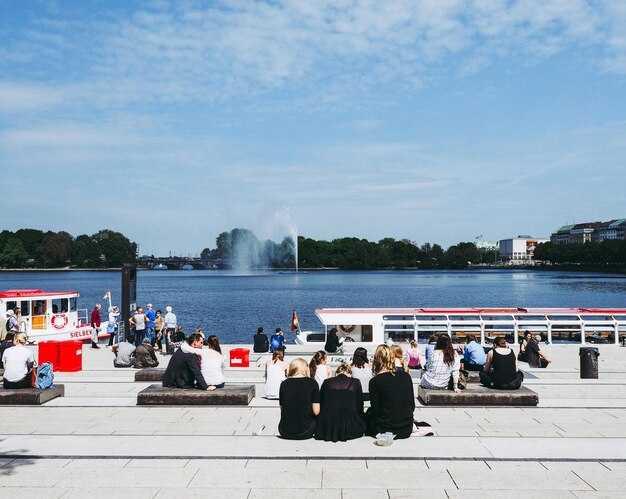
Start with a precise plan: youre guests experience a 20-minute on-deck loop built around three stations, each 6–7 minutes, to balance interaction and branding. A captain at each station guides activity, gathers quick feedback, and flags upcoming branding moments; this setup creates a stunning backdrop that keeps guests engaged. The loop adapts to both small groups and larger teams, which helps you tailor the experience.
Station 1: team-building challenges that demand collaboration and quick role-switching. Keep rounds to 5–7 minutes, use props in your brand colors, and rotate teams to mix departments for stronger cohesion and better cross-functional collaboration.
Station 2: branding interaction with exclusivity: a photo moment, product touchpoints, and a quick digital badge attendees can share. Use signage and co-branded elements that reflect the companys identity, which reinforces recognition beyond the event.
Station 3: relaxation and networking: shaded lounges, light bites, and a compact dinner moment where leaders recognise guests and thank teams for their effort. Keep seating flexible to support dialogue and relationship-building on the main deck. This builds a bond across departments and levels.
Branding opportunities across the deck include a wall for social posts, branded napkins, digital screens with rotating messages, and a main banner at the helm. Provide an option for guests to customize their badge or wristband, adding exclusivity while ensuring visibility; where possible, use QR codes to capture leads and extend the brand experience with the user in mind.
List of engagement ideas you can implement quickly: photo booth with branded backdrop, hands-on product demos, micro challenges that earn points toward a companys charity drive, and a quick poll at the end to recognise what resonated. Provide a short list to help teams pick what fits your event.
Experienced hosts drive flow: designate a main host to coordinate times, safety, and transitions; rehearse the sequence, and keep a buffer for delays. Involve the user from leadership to entry-level staff to strengthen collaboration and cohesion across levels. This approach builds building trust across teams.
Metrics and follow-up: measure participation, track leads captured at each station, and solicit quick feedback. This data helps you optimise future options and maximise value of your event for your companys brand and team-building goals. More ways to capture insights include post-event surveys and social shares.
Safety, compliance, and insurance specifics for on-water events
Hire a licensed marine safety officer and an experienced insurance broker today to lock in coverage and review regulatory requirements for your on-water event. These professionals assess vessel stability, life-saving gear, and crew qualifications, so you set a clean baseline before guests arrive.
Know the exact permits and vessel certifications you need in your city, and map the required documents into one plan. These include a valid Certificate of Insurance (COI) naming the event, general liability limits of at least $2,000,000 per occurrence, hull and machinery coverage, pollution liability if you store fuel on board, workers’ compensation where you hire crew, and endorsements that list the venue and harbor authority as additional insured.
Keep your safety plan simple yet comprehensive. It must cover life jackets for every passenger, a clear manifest procedure, man-overboard drills, and an emergency communications workflow via VHF channel 16 or a satellite beacon. These steps, designed for a busy environment, encourage a calm atmosphere and improve the user experience, making everything feel amazing.
Flexibility remains vital: set weather contingencies, backup routes, and cancellation windows so you can move away from hazardous conditions without canceling the event. Comes with a great safety culture, an opportunity to bond with customers, and an impeccable record when you document inspections and maintenance. Train staff to perform pre-boarding safety briefings and keep safety gear nearby at all times.
For compliance and accountability, collect waivers for attendees, maintain signed declarations of health and safety, and document incidents with a clear near-miss reporting process. Exclusivity of the venue is great, but ensure insurance covers contractors and VIP guests as well. This opportunity shows impeccable plans and bonds with customers, and reinforces success.