


 Română
  English (UK)
  Русский
  العربية
  日本語
日本語  한국어
한국어  Magyar
  Türkçe
  Español
  Čeština
  Svenska
  Português
  Ελληνικά
  Suomi
Suomi  Nederlands
  Italiano
  Français
  Polski
  Українська
  Deutsch
  简体中文
简体中文  Slovenčina
  10 Best Caribbean Dive Locations | Luxury Scuba Yacht Charter">

Alegerea cadrului potrivit pentru călătoria dumneavoastră este importantă: în September sau alte avantajoase seasons, vânturi mai liniștite oferă o apă mai limpede, facilitând astfel fotografierea. coral și life de-a lungul pereților. Șeful itinerariului ar trebui să indice un număr de ancore care permit snorkelingul și explorarea recifelor puțin adânci, fără tranzit lung între situri.
Cazarea la bord este asigurată în condiții confortabile apartamente that can accommodate până la 12 invitați, fiecare cu băi private și control al climei. Echipajul se ocupă de aprovizionare, mese și siguranță, astfel încât să vă puteți concentra pe recif și viața marină din jurul ambarcațiunii.
La evită mulțimi, alege itinerarii cu mai puțin de trei puncte de ancorare pe zi și păstrează accentul pe sistemele de recif. Ruta ar trebui să fie based într-un hub central cu salturi rapide between insule, făcând posibilă vizitarea stingraysted lagune și zone de snorkeling de primă calitate fără întârzieri inutile.
Deoarece condițiile apei se schimbă odată cu mareele și anotimpurile, un plan flexibil este esențial; existența a cel puțin unei măsuri de urgență vă permite să schimbați un loc cu un recif mai puțin expus în timp ce many oaspeții încă experimentează vibrant life și colorat coral.
Între pasaje lungi, the part al călătoriei care contează cel mai mult este timpul petrecut în apă; unele itinerarii includ flying transferuri între atoli îndepărtați, în timp ce alții rămân mai aproape de țărmuri pentru a maximiza orele petrecute subacvatic și make amintiri de neăuitat.
Pentru o notă jucăușă, anumite itinerarii așează un omagiu către mickey într-o narațiune de aventură la bord, cu momente de educare despre recif și snorkeling ghidat care menține un echilibru între aventură și relaxare.
În concluzie, zece trasee atent selectate prezintă grădini de corali, abrupturi și lagune liniștite; fiecare este conceput să... make majoritatea timpului la plutire, oferind un ritm flexibil, și către accommodate preferințe diferite pe măsură ce vânturile din septembrie ghidează călătoria.
10 Cele Mai Bune Locații Caraibiene pentru Închirieri de Iachturi de Scufundări de Lux
nassau, Bahamas – ideal punct de plecare pentru o croazieră luxoasă și senină. apele cristaline dezvăluie grădini de corali luxuriante și adăposturi de îngrijitoare rechini de-a lungul estacadelor blânde; adâncimi care se întind aproximativ 12–30 m, cu găuri dramatice și pasaje de înot. Angajează an expert skipper pentru a adapta ritmul și a planifica o cină privată pe punte, pe măsură ce soarele coboară peste barierele recifei; iarna, vizibilitatea rămâne excelentă și experiența se desfășoară into amintiri iconice. Adu-ți camera foto și pofta de ecoturism care prioritizează conservarea vieții marine.
grand cayman, insulele vestice – mai bune pentru ziduri și acțiuni pelagice ample, cu rute de derivă care dezvăluire de-a lungul unor abrupturi abrupte. Adâncimile ating frecvent 25–70 m; caută barracude, țestoase și raze auroide ocazionale. The right căpitanul poate orchestra o zi în două locații, astfel încât să evitați aglomerația; încheiați cu un serene apus de soare lângă zonele de reproducere ale razelor, și poate un dinner pe punte, sub un cer brăzdat de stele. Dacă doriți imagini iconice, Marele Zid și recifele de baie vă oferă. colourful contrasturi și profunzime în claritatea de iarnă.
bonaire – ideal pentru ecoturism și administrarea domeniului marin, cu un sistem de parcuri costiere protejate și curenți predictibili. Adâncimile variază între 7–30 m, oferind colourful sculpturi de corali și spectacole cu macro-viață; seeing căluții de mare și peștii broaște sunt comuni. Închiriați un ghid privat pentru a optimiza ritmul și luați în considerare o noapte la ancora cu un dinner sub stele, în timp ce mările sunt calme crystal-clear apă. The right abordarea este de a vizita siturile protejate pe tot parcursul anului, chiar și iarna când vizibilitatea rămâne ridicată.
roatán – la nord de Hondurasul continental, acest scut vestic oferă ziduri și recife cu numeroase găuri and swim-throughs. Depths reach 20–35 m; the water is crystal-clear, with colourful buretei și baracude care se năpârșesc. Angajează un căpitan cunoscător pentru a cartografia rute de derivă calmă în timpul sesiunilor de iarnă; veți bucura de serene dimineți și ocazia de a vedea îngrijitoare rechinii patrulează o mică lagună. Adu o cameră foto de înaltă calitate pentru a captura viața vibrantă și formațiunile iconice.
cozumel – ideal for pristine drift experiences along a long reef system off the Yucatán coast. Depths top at 24–40 m; walls, ledges, and găuri găzduiesc școli pelagice mari și colourful pești de recif. Ritmul poate fi relaxat sau rapid, în funcție de curent; angajează a seasoned guide to maximize seeing opportunities. Pe uscat, planifică un dinner pe mal și bucură-te de apusul soarelui după o zi de apă limpede ca cristalul și ambianță de ecoturism. Iarna, vizibilitatea rămâne excelentă.
curaçao – rutele estice și vestice oferă mări protejate și ziduri lungi. Adâncimile variază între 12–40 m; așteptați-vă la recife de corali vibrante, corali de piele și colourful bureți; părțile superioare subacvatice arată ca o paletă de artist. Bare al curent cu invitația lentă, plutirea pentru a vă menține în calm, serene zones; angajează an experienced echipajul va alege locuri liniștite pentru grupul dvs. Țărmul de nord este renumit pentru viața macro, iar golfurile protejate oferă o claritate ideală în timpul iernii.
turks and caicos – partea de nord a acestor insule oferă unele dintre cele mai limpezi ape din regiune, cu pereți lungi și adânci. Adâncimile variază între 15–60+ m; zona se remarcă prin trunchiuri spectaculoase de tip șanț. găuri și curenți de tunel; seeing Rechinul ciocan sau rechinii de recif sunt posibili în sezon. Angajează an experienced crew to plan a two-site day; include a serene prânz pe punte și o cină privată pe țărm pentru a sărbători tranzitul dumneavoastră. Iarna, vizibilitatea este iconică și cristalină, cu mări calme și un ritm blând.
grenada – Molinière underwater sculpture park creates an iconic, zonă de scufundări ecoturism-friendly. Adâncimile variază de la 15–25 m în jurul sculpturilor; veți vedea colourful peăci și raze curioase. However, un ghid privat poate adapta un program calm, valorificând la maximum curenții blânzi care se desfășoară de-a lungul țărmurilor. Pentru something de neuitat, aranjează o cină după scufundare pe o barcă cu o vedere deplină a apei liniștite și a ritmului Atlanticului; iarna, vizibilitatea este superbă.
saba – insula vulcanică neatinsă oferă pereți dramatice și multiple găuri in fundul mării. Adâncimile variază între 20–100 m pe locurile mai bune; apa este cristalină; seeing școlile de chirurgești și octopi curioși este comun. Cu experienced căpitani, puteți alege un ritm liniștit care vă menține în serene zone, și chiar poți angajează un ghid local care știe cele mai bune rute de derapaj și surplomburi. Coasta de nord are unele dintre cele mai iconic reef-scape, perfect pentru o cină de privată după o zi pe mare.
barbados – pe coasta de vest, recifele sunt clasice și pereții se prăbușesc rapid; adâncimile ajung la 12–40 m de-a lungul coastei de vest și de sud. Așteaptă colourful bureți, recife de corali și ocazionale găuri sculptate de curenți. The north șore oferă condiții mai bune pentru echipele cu experiență; planifică o cursă pe două site-uri cu o cafea pe punte și un apus de soare dinner. Angajează un echipaj experimentat pentru a naviga în siguranță în docuri și pentru a coordona scufundări axate pe eco-turism care includ seeing broaste de mare si rechini de recif in crystal-clear water during the winter season.
3 British Virgin Islands diving – Clear sheltered waters and excellent visibility
Book a dawn outing on a small vessel around Virgin Gorda to enjoy tranquility and exceptional visibility in sheltered waters.
Virgin Gorda’s Baths area reveals volcanic granite formations where reef edges sit just below the surface, creating exceptional photography opportunities above and below water. Statias–protected zones–keep pockets calm for patient explorers, and western marinas with centres offer gear and support for families. Equipment is available for rental, and a valet can help with packing and storage if needed.
Tortola provides sheltered channels between Cane Garden Bay and Soper’s Hole, with water clarity often reaching 25–40 m on calm mornings. Access by plane to Beef Island or ferries from Tortola is straightforward; marinas and centres support launch operations and provide gear and guided routes year-round. Should you travel in September, expect continued light winds and high visibility, though plan ahead to avoid crowds.
Anegada stands out for flat water and a broad reef system, delivering 30–40 m visibility, ideal for relaxed exploration with families. Ground transport is easy via marinas; flights by plane from Tortola or ferries are available, and mooring options exist at the reef edge. Equipment rental and guided routes are available; planned visits in September often offer calmer mornings and less wind, though conditions can vary with the seasons. Discover the slow pace and culture of these areas.
For broader context, roseau in the dominican areas and Grenada’s reefs illustrate how topography shapes currents and clarity. In the British Virgin Islands, protected statias and shallow western bays foster tranquility and year-round water clarity, perfect for photography and time beneath the surface. Local centres and staff can valet gear, and a vehicle shuttle can ease access between marinas and accommodation. If gear is missing or lost, staff will assist with replacements. This culture of service allows you to focus on the moment and discover what makes these waters special.
| Island | Conditions | Season | Access | Note |
|---|---|---|---|---|
| Virgin Gorda | Calm coves, volcanic coastline; reef edges reachable; water clarity 25–40 m | Year-round; September often mild | Marinas; roads from Tortola; launches from western hubs; plane access via nearby airports | statias protect bays; ideal for photography; families welcome |
| Tortola | Sheltered channels around Cane Garden Bay and Soper’s Hole; clear water | Year-round | Beef Island airport; ferries; multiple centres | equipment available; guided routes; avoid crowds with off-peak planning |
| Anegada | Wide reef flats; flat water; visibility 30–40 m | Year-round; September can bring wind | Small plane from Tortola; ferries; moorings nearby reef edge | great for relaxed exploration; less crowded; lost gear less a concern with secure storage |
British Virgin Islands: Calm-water sites ideal for reef and shallow wreck dives
To accommodate a flexible schedule and maximize tranquility, choose a full-service, all-inclusive resort on Tortola or Virgin Gorda and base yourself year-round, then schedule day trips to calm, western-facing reefs and shallow wrecks. youll find calm waters, easy swims, and many chances to observe habitat-rich coral communities without heavy currents or crowds.
- Western Tortola reef banks – calm water, shallow wrecks, depths to 12–18 m; ideal for a relaxed snorkeling or light diving excursion; you’ll swim among schools of reef fish, perhaps dolphins, with easy access from land-based accommodations.
- Anegada’s northern edge – sheltered reefs, sand flats, and shallow wrecks; currents mild, depths typically 6–14 m; excellent for a quiet list of underwater explorations and snorkeling, with great visibility and minimal crowds.
- Virgin Gorda north shore reefs near park boundaries – habitat-rich habitat for parrotfish and rays; calm water enables slow, controlled diving and close-up photography; perhaps you’ll glimpse dolphins passing through in the mornings.
- Cooper Island area and the south-west fringe – long, sandy channels with gentle entries; supports families and single travelers; diving operators offer guided trips; open-water experiences are accessible from a nearby 5-star resort and a land-based setup.
Evenings at anthonys offer casual, shore-side dining after a day spent among calm-water reefs and shallow wrecks, pairing well with culinary options at your resort. since these sites are designed to minimize crowds and maximize tranquility, they attract tourism that favors open-water exploration over rushed itineraries, making them ideal for young travelers looking for a balanced, all-inclusive getaway.
Bahamas: Blue holes, pristine reefs, and protected shallows for a private vessel
Recommendation: Choose a calm, shallow-water loop anchored at a protected marina; this option keeps guests close to wonders and supports careful planning time, with short walking breaks on shore between snorkeling sessions. Guests should review weather windows and wind patterns to maximize calm days.
Dean’s Blue Hole on Long Island offers a dramatic rim and a bottom that drops to about 663 feet; surface viewing provides a striking sense of scale. For those who prefer a gentler experience, walking to the overlook gives a safe, memorable moment; divers with an expert guide can explore the edge at shallower depths, however, conditions may require patience. Nevertheless, keep clear of the inner drop to protect the environment.
Protected shallows around Exuma Cays and Tongue of the Ocean preserve pristine reefs with vibrant soft corals and sea fans. Snorkel or explore the bottom gently; most sightings of sharks occur near reef edges, and turtles or rays are common in the shallows. Those planning with a cautious crew will find calmer water and clearer visibility, especially in late morning light.
Protection is strong in the Exuma Cays Land and Sea Park; anchoring on sand bottoms is discouraged, and moorings are provided to reduce bottom impact. Planning with the marina team ensures doors to sheltered coves stay open, and guests have a smoother experience with fewer surprises. Guests should respect no-take zones and follow local guidelines to keep habitats healthy.
Marina hubs in Nassau, George Town, and Staniel Cay offer fuel, provisions, and maintenance services, supporting a smooth schedule. Most routes count on 2–4 nights in sheltered pockets, giving guests a gentler rhythm and more opportunities to enjoy nature and wonders of these waters.
In the caribbeans, these protected areas encourage responsible exploration; the combination of dramatic blue holes, bottom topography, and shallow havens makes a private-ship itinerary highly rewarding for both snorkelers and divers, and for guests seeking a balanced mix of adventure and relaxation.
Cayman Islands: Iconic wrecks and dramatic walls accessible from luxury itineraries
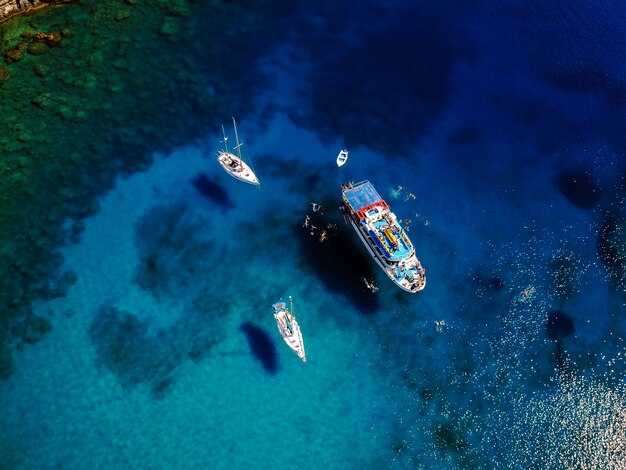
Anchor the plan on Grand Cayman’s USS Kittiwake wreck, then thread to Little Cayman for Bloody Bay Wall and Cayman Brac for Jackson’s Wall. A premium, multi-stop approach minimizes transit, provides a dedicated crew, and pairs diving sessions with resort-style hospitality ashore, including beaches and markets for after-activities.
The Kittiwake lies in shallow water off Seven Mile Beach, with sections at roughly 18–30 meters (60–100 feet) that allow a comfortable swim through ballast holds and the engine room. The site is exceptional for nature, with macro life and photogenic reef fish; a guided diving session for first-time divers ensures a smooth experience, and a morning beach break offers a refreshing view of the turquoise lagoon.
For a second wreck within reach, the Captain Keith Tibbetts freighter near the Sister Islands is accessible by boat from Cayman Brac or Grand Cayman and offers a deeper target with a long hull that hosts a rich diversity of fish and corals. The deeper bottom time appeals to divers seeking a more demanding challenge.
Bloody Bay Wall on Little Cayman is a geological masterpiece, starting around 25–30 meters and plunging into blue beyond 100 meters. Expect turtles, reef sharks, morays, and a kaleidoscope of whip corals, with drift routes and occasional nocturnal sightings that showcase the bioluminescence. Jackson’s Wall on Cayman Brac features a cascade of canyons and ledges, ideal for those wanting long, uninterrupted sequences of wall diving with dramatic overhangs.
Accessible departures from George Town and the international airport, with a private boat that accommodates up to eight guests, give a seamless rhythm of in-water activities, on-board meals, and shore excursions. scubaqua-certified routes and hospitality-focused service ensure a high standard, while a northward leg can connect to maarten or grenada for extended exploration. Markets, beaches, and french-inspired dining add flavor; bonaires bars and ricos coffee stops offer local charm. The trip accommodates different interests, with a first-day briefing by zegarra and mickey guiding gentle snorkeling and nature activities.
A poignant reminder to protect reef habitats accompanies each stop; winter offers exceptional visibility and occasional humpback sightings in nearby channels. Since the first arrival, travelers notice the gross biodiversity and the opportunity to swim with schools of fish and sea turtles. The experiences provide nature-first hospitality that many visitors remember long after the trip.
Pentru a optimiza logistica, lucrează cu un broker care poate aranja zboruri către Aeroportul Internațional Owen Roberts (GCM) și transferuri private; un program bine planificat poate acomoda scufundări pentru toate nivelurile de abilități, cu un obiectiv spre explorare durabilă și un standard ridicat de servicii care asigură un final memorabil.
Turks și Caicos: Grădini de recife protejate și curenți prietenoși cu manta pentru scufundări ușoare
Vizitați în martie pentru mări mai calme și serile mai senine; această rută susține ieșiri subacvatice ușoare pentru începători de-a lungul grădinilor de recif protejate și a unui platou de corali cu curenți prietenoși cu mantaua, ideal pentru începători.
În zonele protejate din jurul Providenciales și North Caicos, grădinile de recif înfloresc cu corali moi, bureți și o galerie animată de pești de recif; alegeți o dimineață liniștită sau o seară în sezonul de umăr pentru a observa raze, țestoase și coregrafia naturală a vieții insulare.
Curenții de aici sunt blânzi și previzibili, atrăgând mantele lângă pereții exteriori; un expert guide helps you time a gentle drift de-a lungul platoului de recif, livrând probabil o experiență completă și liniștită, fără tracțiune sau zgomot puternic.
Shallow wrecks oferă puncte focale suplimentare și viață macro pe pereți; așteaptă-te la acces facil din porturi, pregătește-te de scurte plimbări cu barca și descoperă creaturi minuscule ascunse în crăpături, unde culoarea și textura prosperă sub ape protejate.
Sezoanele determină intervalele de vizibilitate; deoarece condițiile se schimbă odată cu alizeele, martie-mai și sfârșitul toamnei oferă de obicei cele mai fiabile și mai liniștite perioade de explorare; când vânturile se domolesc, serile sau golfurile protejate mențin un ritm lin, iar probabil veți pleca cu un sentiment de natură.
Pentru vacanțe complete care ating insulele dominicane și Curaçao, această bază este un punct de ancorare inteligent; atrage călătorii care caută locuri mai liniștite și o șansă de a descoperi o viață neîntinată, cu protecții în vigoare pentru a menține habitatul înfloritor. Grenada și Honduras sunt opțiuni apropiate care probabil completează itinerariul pentru mulți călători.