


 English (UK)
  Русский
  العربية
  日本語
日本語  한국어
한국어  Magyar
  Türkçe
  Español
  Čeština
  Svenska
  Português
  Ελληνικά
  Suomi
Suomi  Nederlands
  Română
  Italiano
  Français
  Polski
  Українська
  Deutsch
  简体中文
简体中文  Slovenčina

Choose a broker who provides transparent lease-purchase agreements with clear upfront terms and value-driven options. remember to demand a fixed near-term path to ownership, documented maintenance coverage, and a predictable monthly schedule. Ask for a clear bill of sale terms and a credible source of vessel history before you sign.
In Turkey’s motor-boat market, charting data helps you compare offers across ports such as Bodrum, Marmaris, and Izmir. We recommend mapping the monthly rent credits, ownership residuals, and the total cost to ownership over a year, then testing sensitivity to seasonality.
From a broker’s perspective, they should providing clear coverage of all costs: insurance, docking, maintenance, and port fees. If a package includes maintenance that covers major systems, it is more valuable in the near-term than a bare rental. They should also share an honest source for depreciation and any usage limits that affect the agreements.
Trust matters: read the contract text to confirm that the remaining balance toward ownership aligns with your faith in the vessel’s performance. Look for a lease-credit mechanism that applies a portion of each payment to the purchase price, and verify how the offers handle early termination or equity recovery.
As you compare across suppliers, seek a broker who publishes a near-term charting of the lease-to-own path, including a reliable bill of sale and a coverage plan for hull, gear, and safety equipment. They should present a closed loop of progress from signing to sale, and explain whether the terms can be adjusted if your plan changes, with a clear source of truth for terms and conditions.
Hoping to close fast? Start by listing three boats you would consider and check which offers include flexible down payment and a guaranteed option to purchase within the first year. In markets near the Turkish coast, sales activity tends to spike in spring; use charting to compare year-over-year changes and plan a closer inspection schedule with the broker.
Ask whether the model allows switching vessels mid-term and how that affects the residual value, because flexibility helps you manage risk as market conditions shift. Remember to verify tax considerations in Turkey and ensure the broker provides coverage for international registration and transfers, not just domestic use.
Step 10 Enjoy Your Boat
Lock in your post-handover plan now: review your rent-to-own contract, schedule maintenance, and map your first voyage with an outline that covers routes, weather windows, docking options, and fuel planning. Ensure your crew seats, life jackets, and communications gear are ready for confident boating.
Courtesy remains your best compass: keep marina staff in the loop, share your schedule, and log any anomalies in a simple guide for quick reference. This approach helps buyers and renters stay aligned as you enjoy the boat.
For turkeys enthusiasts navigating Turkish waters, align local regulations, insurance requirements, and registration with the vessel’s paperwork so that you can sail smoothly from the first trip. The path to confident boating is built on preparation and knowledge you gathered during the outline stage.
While you cruise, keep the voyage outline handy and update it with real conditions and observations.
Look for patterns in usage and maintenance to adjust your plan over time.
Takeaways you should track now:
- Maintenance cadence and service dates to increase reliability and resale value.
- Insurance limits, deductibles, and claim process to avoid surprises on the most critical days.
- Docking plans, fuel budgeting, and waste disposal routines for efficient voyages.
- Safety gear checks and crew briefings to keep readiness levels high.
- Key insight from your broker on renewals, upgrades, or changes in rent-to-own terms that affect your path.
Ready to sail? Use this guide to stay proactive: verify contract clauses, confirm that payments align with your voyage calendar, and keep contact details for your broker at hand. Buyers who treat this phase as a practical checklist maximize enjoyment and minimize disruption.
Eligibility criteria for rent-to-own boats in Turkey
Secure a written rent-to-own offer from a licensed agent with a clear mid-term commitment and a defined purchase price.
To qualify, use the following concrete criteria and prepare early. These checks help you look around confidently and increase your odds with sellers and insurers.
- Identity and residency: You must be legally able to sign a contract in Turkey. Provide a valid passport or Turkish ID and proof of address; ask your agent to confirm any residency requirements for the contract.
- Financial readiness: Demonstrate stable income sufficient to cover monthly rent and a maintenance reserve. Provide recent bank statements, pay slips, and a plan for mid-term payments.
- Credit and references: Show a positive credit history or references from previous leasing experiences; this helps the owner assess risk and may shorten the approval window.
- Boating competence or skipper arrangement: Hold a marine operator license or be ready to hire an experienced skipper; ensure the rental includes a safety briefing and required equipment as part of coverage.
- Boat condition and inspection: The target vessel must pass a pre-purchase inspection; verify hull integrity, engine hours, electrical systems, safety gear, and up-to-date maintenance records.
- Insurance coverage: Confirm hull and indemnity coverage for the rental period and for the option to purchase; verify who pays premiums and what is covered in mid-term operations.
- Contract terms: The agreement should define the purchase price, monthly rent, maintenance responsibilities, and a defined mid-term renewal or exercise option; ensure there is a clear path to purchase.
- Seller and market credibility: Work with a licensed agent and verify the seller’s ownership history and any lien status; this reduces risk around selling and transfer.
- Exit plan and milestones: Agree on milestones, a mid-term review schedule, and a plan if your motivation to purchase changes; document consequences and timing to avoid disputes.
Insight from enthusiasts shows that preparation and a solid guide approach helps you launch toward purchase. With a well-documented plan, you align with tides and select a vessel that matches your motivation and budget.
Lease-purchase models: choosing the right option for you
Lock a fixed monthly payment for the term and ensure a concrete buyout option. This keeps cash flow predictable for dreamers who work toward ownership, and it fills the gap between renting and purchase.
Look at three core approaches brokers offer: fixed monthly payments with a set end price; rent-credit where a portion of each monthly payment builds toward the final purchase; and a hybrid model that blends a lower upfront cost with a higher ending price. Fixed monthly plans provide clarity: for a boat in the 60k–120k range, you can expect down payments around 5–15% and term lengths of 24–60 months, with monthly payments roughly in the 1,000–2,800 range depending on price and term. Rent-credit options add a tangible savings stream–about 200–400 per month toward the purchase–and total credits often total 8–12% of the price over 48–60 months, while end prices sit near the current appraised value. Hybrid setups mix a lighter upfront cost (0–5%) with a balloon or higher end-price later, typically 24–36 months of payments at 1,600–2,400 monthly before a 25–35% balloon due at end. This wave of flexibility helps you adjust to maintenance cycles or depreciation without delaying ownership.
To find the right fit, consider your setting and goals. Define your monthly cap and how you’ll use the boat, since local Turkey conditions affect insurance and maintenance costs. Look for brokers who chart terms clearly, show where offers cluster, and report status on each option. Personalization matters: youll get a plan tailored to your needs that feels like a real purchase rather than pure rent, with transparent timelines and a clear path to ownership.
Before you sign, ask where the boat will be based, who covers maintenance and insurance, and how the end price will be set if you exercise purchase. Check early termination terms, any penalties, and additional costs beyond the monthly payment. Request a sample contract and a clear charting of monthly costs versus total cost to compare options. A good broker will present a transparent view and spotlight the best path for your situation, keeping the process smooth and focused on real outcomes.
With the right model, you move from dream to real ownership in a steady, manageable rhythm. Compare offers from local brokers, assess the monthly load, and weigh the end price against your faith in the plan. Youll discover the best option, feel the thrill of progress, and treasure the results as you steer toward a confident purchase.
Negotiating with brokers: terms, pricing, and timelines
Start with a written term sheet that locks in the model, monthly rent, option price, upfront fees, and a final purchase date. This concise document keeps both sides poised and minimizes back-and-forth, and rodriguez at the partner firm can provide a clean template you can adapt for Turkish ports and marinas.
Draft clauses clearly: specify maintenance responsibilities, insurance, registration, and marina dues; identify who handles routine repairs and winterization; require a condition report at signing and after each survey. Position owners and renters with mutual courtesy to avoid disputes and to maintain a smoother negotiation path.
Pricing structure offers two routes: fixed-price option or rent-credit accumulation. For a boat valued around 150,000 to 180,000 USD in Turkey, propose an option fee of 3–6% of value, monthly rent of 1.2–2.0% of value, and rent credits of 20–40% of each payment toward the final price. The exercise price should be set in the term sheet (for example, 120–135% of base value) and adjusted only for agreed major maintenance or wear beyond normal use. Also specify the state of the boat at signing and changes during the term to avoid disputes.
Timelines: set a realistic calendar. Complete initial inspection and appraisal within 14 days; schedule sea trials within 28 days of signing; finalize all documents within 6–8 weeks; cap the closing at 60–70 days from the start to keep momentum; include optional extensions if inspections reveal issues. This schedule helps both sides move cleanly.
Negotiation tips: stay focused on the deal terms rather than emotions. Use courtesy to keep talks productive; request available offers from other brokers to compare terms; look for a smoother path by prioritizing milestones and deposit protections; require a written response within a defined window to avoid stalled talks.
Risk controls and documentation: insist on a thorough build and sea-worthiness report; lock deposits in an escrow account and return only on agreed conditions; include a cancellation clause with forfeiture terms that are fair to both sides; spotlight the key clauses about transfer of ownership and exercise date to prevent misplays by either owners or renters.
Illustration: a fishing and guiding operation in a Turkish coast town seeks to upgrade from an older boat. They find rodriguez offers a 24-month model with transparent terms; they gather offers around; they compare operating costs, and choose the one that best matches their exploration schedule and crew needs, moving their fleet toward a smoother transition and clear path to ownership.
Costs and protections: deposits, insurance, and maintenance
Begin with a clear plan: set an initial deposit of 10–20% of the boat price and lock it into the rent-to-own agreement, with a written milestone schedule and a defined handover point ready for ownership.
Deposits: The upfront sum locks the seller in and funds the administrative work. In Turkey’s diverse rent-to-own models, the initial payment typically sits in the 10–20% range of the price, with a transparent refund policy if the model is shut down or the buyer is not approved. Use an escrow arrangement managed by the broker to protect them and you, whether the vessel is a fishing boat or a yacht, and to prevent disputes that could slow progress.
Insurance: Require hull and third‑party liability insurance from day one. The policy should name the buyer and the broker as insured during the rental period and transfer to the buyer at handover. Typical annual hull premiums run about 0.8–1.5% of hull value, while liability coverage runs roughly 0.3–1% of hull value; add riders for crew, cargo, or personal effects if you plan to fish or cruise the waters. If you use a platform like getmyboat or work with a broker such as rodriguez, confirm whether they offer a bundled policy or help you compare diverse insurers. Keep a copy of the certificate ready for state requirements and lender conditions to stay compliant while you move toward ownership, and document any changes in the agreements.
Maintenance: The buyer typically handles routine upkeep, with the contract specifying which maintenance items fall under your responsibility and which are covered by the seller or broker during the lease term. Define engine service, rigging checks, cleaning, winterization, and system repairs clearly. A practical rule is to budget 3–5% of the boat’s value per year for maintenance, plus an emergency reserve for major repairs. Include marina or berthing fees in your planning, since those costs vary by location along Turkey’s waters and can shape your annual spend. This approach helps their situation stay steady and keeps the dream of home on the water within reach year after year, whether you’re charting a fishing route or a weekend yacht run.
Agreements and protections: Review the contract for what happens at the end of the term or if you decide to exercise the rent-to-own option early. Ensure deposits, insurance renewals, and maintenance obligations are clearly spelled out, and confirm who handles registration and taxes in your state of residence. If negotiations stall, a Rodriguez‑backed review can help you tighten terms without delaying your readiness to own. Keep the documents ready, so you’re prepared to move from renter to buyer and turn your dream into a steady, treasure-worthy reality on the water.
| Cost item | Typical cost range | Who pays | Notes |
|---|---|---|---|
| Upfront deposit (initial) | 10–20% of boat price | Buyer | Held in escrow; refundable per milestones and contract terms |
| Hull insurance | 0.8–1.5% of hull value per year | Buyer | Includes theft and damage; verify named insured |
| Liability insurance | 0.3–1.0% of hull value per year | Buyer | Third‑party and bodily injury coverage; add crew if needed |
| Maintenance budget | 3–5% of hull value per year | Buyer | Engine, rigging, electronics, and routine upkeep |
| Berthing/Marina fees | €1,000–€5,000 per year | Buyer or operator | Location-dependent; coastal hubs cost more |
| Documentation/registration | €100–€300 per year | Buyer | Maritime filings, taxes, and local fees |
Ownership transfer and registration: getting title in Turkey
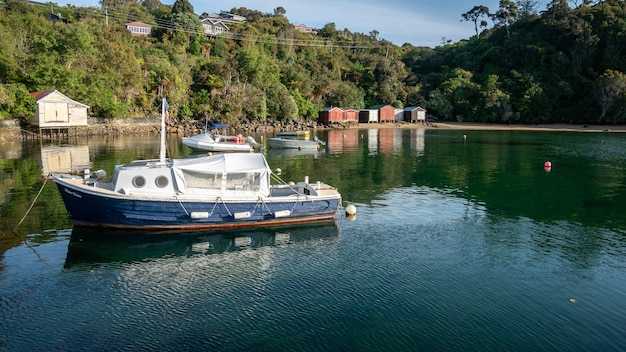
Hire a licensed maritime broker to manage the transfer; their expertise will steer the process toward a smoother handover, and the offering includes a tailored lease-to-own contract that clearly states ownership passes to yourself after the final payment and all conditions are completed.
Initial documents to collect include the vessel’s current title, registration certificate, seller’s ID, proof of address, insurance, and the signed agreements.
Perform due diligence where you think of it as fishing for hidden liens; verify there are no liens, mortgages, or pending disputes, and request a clearance statement from the registry where applicable.
Draft the transfer contract with a precise transfer date, payment milestones, and a clause that ownership will be registered in your name after completion; this clause protects both parties.
Notarize the documents and obtain a sworn Turkish translation if required; this step can be done without friction with a reliable translator.
Registration step: submit the file to the ship registry; your broker’s network will monitor progress and handle communications, assisting you throughout.
Costs to expect: a registration fee, stamps, VAT if applicable, and any transfer taxes; include these in your year budget to avoid revenue shortfalls.
Timeline: in many cases the complete transfer takes 2-6 weeks, depending on document readiness and registry workload; anticipate a wave of paperwork.
Post-transfer tasks: update insurance, notify harbor authorities, and store the new title securely; a completed registration gives you confidence and a clean record.
Final note: lean on the broker’s offering and a strong network; with the right angel-like guidance, you gain confidence, unforgettable service, and a smoother ownership transition.