


 English (UK)
  Русский
  العربية
  日本語
日本語  한국어
한국어  Magyar
  Türkçe
  Español
  Čeština
  Svenska
  Português
  Ελληνικά
  Suomi
Suomi  Nederlands
  Română
  Italiano
  Français
  Polski
  Українська
  Deutsch
  简体中文
简体中文  Slovenčina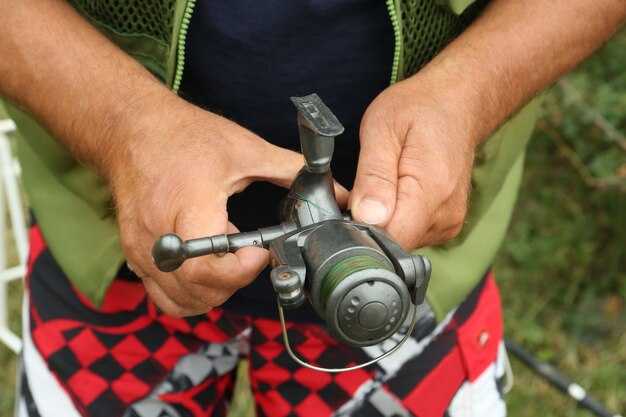

Begin with a clear cadence: aim for a 2-3 second retrieve rhythm, lift the rod 1–2 ft on each sweep, and return the lure to the water quickly. This consistent presentation earns more strikes on wider flats and along docking channels near Conroe, where fish respond to rhythm more than sheer speed.
Gear basics: pick a 6’6″–7’2″ fast-action medium-light rod paired with a reel that gives a 6.2:1–7.2:1 ratio. Use 20-30 lb braided main line with a 6-12 inch fluorocarbon leader. Fill the spool so you have maximum line on the reel without creating wind knots. For lures, start with 1/8–1/4 oz in chartreuse, white, or natural minnow patterns, and adjust to these conditions: brighter colors in muddy water, natural hues in clear water. Always test your knots and lures before guests board.
Techniques matter: deploy a decker rig for weed edges near docks, and switch to a simple jig-and-poke when fish hug the bottom. Use short taps and a light, routine cadence to coax bites from wary fish; keep line tension steady and avoid over-pulling. If you see bends in the rod, pause briefly to let the lure settle and then resume. These moves work well from early morning till late afternoon along channels and bends near deeper troughs.
Hot spots to scout include the conroe area channels, weed lines along docks, and bend points that feed into deeper troughs. Test water temperature and clarity: when surface temps exceed 74F, target structure 3–6 ft deep; on cooler days, fish move shallower to 5–9 ft. Use a mapping app to mark structure and dock pilings, then run a 20–30 minute search pattern around each location.
To support beginners or guests on your boat, share quick checks: tie a clean Palomar or improved clinch knot, carry extra 6–12 inch leaders, and keep a spare decker rig ready for quick swaps after a snag. Short, deliberate casts with a light tackle keep the line tight and reduce memory; this helps people on board feel the action and stay engaged without fatigue.
Put these steps into practice on your next trip and adjust cadence and lure selection based on wind and water visibility. Review your plan after each trip and tailor gear to daily conditions; this focus returns consistent results for yourself and for guests with maximum readiness and confidence on the water.
Reel Hot Fishing: Techniques, Gear, Hot Spots, and Fleet Matching Guide
Choose a center-console with a compact layout and complete check-in 15 minutes before departure to lock in your fleet slot. Confirm booking details and cancellation terms in advance to avoid last-minute changes.
Apply a balanced technique mix: trolling runs and casting along weed edges; work structure pockets and drop-offs. Monitor water depth and current, adjusting lure depth to match the bite. Keep riders near the bow and stern to balance the craft in gusts, then steer toward sheltered zones as the wind shifts toward sunset.
Pack a well-organized tackle kit and maintain spare parts: spare leaders, a basic tool set, and extra line. Inspect lines for damage and replace worn sections. Service electronics and bilge pumps after every trip. Arrange backup batteries, test the sail if you drift, and keep the service log current.
Identify hot spots around the lakefront and sheltered coves near colony docks. Target weed edges, drop-offs, and shallow rocky flats during seasons when fish concentrate after sunrise and before sunset. Use stops along your route to check bait stations and switch to deeper water with wind shifts; adjust your cadence to maintain contact with active schools.
Fleet matching guide: assess conditions, then pick a boat that fits. Windy days favor a larger, stable center-console or a layout with room for gear. For calm, tight channels, a nimble craft with shallow draft shines. A sunchaser setup provides deck space and reliable handling. Coordinate with austin operators for guided trips or structured bookings. In weatherford routes, favor sheltered lakefront itineraries to limit exposure. Confirm check-in and arrange transport to the dock; if weather shifts, you can switch boats or cancel with clear notification.
Species-specific casting and retrieval patterns
For redfish along shallow flats, cast to the edge 30–50 ft away with a 3–4 inch paddle-tail soft plastic on a 1/4–3/8 oz jig, braided line 15–20 lb and a 15–25 lb leader. Reel with a slow roll, then pause 1–2 seconds; vary the pause to two cycles if bites stall. Aim for the edge where grass gives way to sand, and adjust your reach toward pockets formed by troughs. Wind from behind favors a longer cast; from the bow, shorten the arc to keep the lure in your target area. During aboard charters guests can rotate stations every 10–15 minutes to cover more areas, boosting yield and keeping energy high.
Speckled trout pattern: cast 1/16–1/8 oz jigs or suspending soft plastics to current edges and creek mouths; use 6–8 lb fluorocarbon leader and 8–12 lb line. Retrieve with a 6–12 inch slow pull, then pause 1–2 seconds; keep the lure 1–4 ft under the surface and work weedlines, drop-offs, and point breaks. If wind pushes you off the structure, switch to a mid-depth presentation and move between stations to maximize reach; reviews from guides show that mixing shallow and mid-depth retrieves yields more bites.
Snook around structure: cast toward pilings and mangrove edges at dawn or dusk; lure choices include 1/2–1 oz topwater plugs or 4–5 inch soft plastics on 15–25 lb braid or mono. Retrieve with a long pause of 3–4 seconds between 2 short pops, then a steady, shallow strip to keep the lure tight to cover around bends. Target 1–3 ft depth near surface cover and adjust angle to hold the lure against structure. Onboard crews should guide guests across two adjacent stations to cover both sides of the pass; wind affects casting angle, so switch to a shorter arc when conditions pick up.
Largemouth bass pattern: cast to weed edges and channel drops with 3/8–1/2 oz football jigs or spinnerbaits, trailer a craw lure, and work with a cadence of 1–2 second lifts followed by 1–2 seconds of steady reel. In clear water, use a slower roll; in dirty water, bump the cadence with short bursts to increase vibration and draws nearby fish. Focus around docks, reeds, and submerged structure at 1–5 ft depth; keep the rod tip high to drive the lure past obstacles. For multi-boat trips, a decker can shift rigs at each station, and ample jackets and gear at hand keep guests comfortable while you switch tactics.
General charter note: monitor wind and current, switch cast angles between 20 and 60 degrees, and keep lures in the strike zone as long as possible. Use a lightweight tackle bag and rotate lures at each station to preserve energy aboard; overnight trips with a family-friendly vessel and sufficient capacity let you run back-to-back sessions, and a nearby villa as base can simplify logistics while guests review progresses and plan starts. This approach keeps the action steady around the boat and yields consistent results for a variety of species.
Tackle setup: rod, reel, line, and lure choices by depth and current
Recommendation: start with a 7’0" medium-fast rod paired with a 3000-series spinning reel, 15–20 lb braid with a 12–18 lb fluorocarbon leader, and a small kit of lures from 1/8 oz to 1/2 oz. This combination keeps you stable as you move between shallow, mid, and deep zones while maintaining a reliable cadence.
Planning matters: keep a dedicated deck kit with spare leaders, extra jig heads, and a tube lure option. Included sheets outline depth bands, current categories, and lure weights, so crews on Conroe or other waterways can apply the same setup quickly. Check docking points and shore-accessible docks for gear placement to minimize liability from gear loss and tangles.
Depth and current dictate your choices. Use these guidelines to lock in gear by scenario, then adjust on the water based on water clarity and wind.
- Shallow water (0–6 ft)
- Current: Slow
- Rod/reel/line: 7’0" ML-Fast; 2500–3000 reel; 8–12 lb braided line with 6–10 lb fluorocarbon leader
- Lure choices: topwater popper or pencil lure 1/8–1/4 oz; light swimbaits 3–4 in on a 1/16–1/8 oz jig; shallow diving crank 1/8 oz
- Cadence and presentation: 0.5–1.0 m long pulls with 1–2 s pauses between moves; glide the lure over docks, weed pockets, and shorelines
- Notes: keep the rig stable near the surface; check channels between flats for feeding lanes
- Current: Moderate
- Rod/reel/line: 7’0" M-Fast; 3000 reel; 12–15 lb braided line with 10–12 lb fluoro leader
- Lure choices: floating or slow-sinking topwater; 1/8–3/16 oz lipless crank for short covers; small swimbaits
- Cadence: speed up to 1.0–1.5 m cadence; vary pauses to trigger follow-through in gaps between weedbeds
- Notes: keep sheets handy with rig changes; shore-accessible banks often hold the best ambush spots
- Current: Fast
- Rod/reel/line: 7’2" – 7’4" M-Fast; 4000 reel; 14–20 lb braided line with 12–14 lb fluoro leader
- Lure choices: small lipless crank in 1/8–1/4 oz; spinnerbaits 1/8 oz with compact blades; tube jigs in 1/8–3/16 oz
- Cadence: short, nail-like taps, 2–3 s pulls; glide lures across current seams to entice reaction strikes
- Notes: docking spots can be tight; keep lines clear and use a light leader to reduce visibility
- Current: Slow
- Mid-depth water (6–15 ft)
- Current: Slow
- Rod/reel/line: 7’3" – 7’6" M-Fast; 2500–3500 reel; 12–16 lb braided line with 14–18 lb fluoro leader
- Lure choices: shallow- to mid-diving crank in 1/4–3/8 oz; tube rigs 1/4 oz; soft plastics on 1/4 oz jig
- Cadence: steady 1.0–1.5 m pulls; glide the bait through suspended fish around mid-water columns
- Notes: use light tubes to keep depth control; check water between channels for temperature breaks
- Current: Moderate
- Rod/reel/line: 7’4" – 7’8" MC-Fast; 3000–3500 reel; 14–20 lb braided line with 12–16 lb fluoro leader
- Lure choices: mid-diving crank 3/8 oz; jigs 3/16–1/4 oz with paddle tails; suspended soft plastics on light jig heads
- Cadence: 1.0–1.2 m motions with brief pauses; work along channels and drop-offs
- Notes: use glide or slow-roll retrieves to cover water thoughtfully
- Current: Fast
- Rod/reel/line: 7’6" – 7’10" MH-Fast; 4000 reel; 16–22 lb braided line with 14–18 lb fluoro leader
- Lure choices: lipless crank 1/4–3/8 oz; fast-glide swimbaits; tube jigs 1/4–3/8 oz; shallow-dinger w/ weighted hook
- Cadence: quick hits, 0.5–0.8 m; use short glides along weed edges and channel drops
- Notes: stability is key; keep rod tip low to control depth in fast water
- Current: Slow
- Deep water (>15 ft)
- Current: Slow
- Rod/reel/line: 7’6" – 7’11" M-Fast to MH; 3500–4000 reel; 18–25 lb braided line with 20–25 lb fluoro leader
- Lure choices: deep-diving crank 1/2 oz; heavy jig heads for tubes 1/2–3/4 oz; soft plastics on heavy rigs
- Cadence: 1.0–1.5 m casts with controlled descents; glide these baits along bottom structure
- Notes: tubes shine on drop-offs; keep long leaders to avoid line visibility on deep retrieves
- Current: Moderate
- Rod/reel/line: 7’8" – 8’2" MH-Fast; 4000 reel; 20–30 lb braided line with 18–25 lb fluoro leader
- Lure choices: big crank 3/8–1/2 oz; tube jigs 1/2 oz to 3/4 oz; heavy swimbaits 4–5 in
- Cadence: steady pulls of 1.0–1.2 m with occasional stops to trigger bottom-hugging fish
- Notes: plan for longer casts; keep a tube or sinker rig ready for bottom structure
- Current: Fast
- Rod/reel/line: 8’0" – 8’4" MH-Fast; 5000 reel; 20–40 lb braided line with 20–30 lb fluoro leader
- Lure choices: large deep-diving crank 3/8–1/2 oz; heavy lipless options; big tubes 1/2 oz+
- Cadence: quick pulls, 0.4–0.8 m; keep lures tight to structure and glide along breaks
- Notes: use a reliable deck system; docking and line management prevent loss in currents
- Current: Slow
Extras for on-water support: carry light and shadow-free tackle sheets, a small tube with spare leaders, and a simple check list for field adjustments. Keep crews informed and share the plan between boats or groups; a solid service approach minimizes downtime and keeps everyone in the action. Remember, the right tackle setup supports successful planning and steady glide through water, docks, and channels alike, while also meeting safety requirements and shore-accessible rules on sites like Conroe and nearby waters.
Identifying hot spots: reefs, wrecks, weed lines, and structure
Identify hot spots by prioritizing reefs, wrecks, weed lines, and structure, and plan a full-day route that starts at first light and moves between zones. Keep notes on currents, date, and cover for the group, and depart with a ready crew.
Reefs concentrate bait and predators; identify edges where ledges drop into channels and judge reef size to gauge ambush potential and safety margins. Use equipment such as sonar, GPS, and a console-mounted display to map depth, size, and maximum drop, then save waypoints for later visits. A convenient approach is to preload a few anchor points, but hot spots depend on season and current.
Wrecks, whether natural debris fields or artificial installations, attract schools and predators; check permittedabout access rules before anchoring or drifting, then record a coordinate and notes about currents and approach.
Weed lines: follow the weed edge, which often aligns with temperature breaks and prey pools; move along the edge into gaps where shelter and prey concentrate; monitor weed thickness and current channels to plan casts or trolling runs.
Structure features such as rock piles, ledges, holes, and sunken debris create reliable targets; map a convenient layout for gear and rigs, ensure cover for the boat, and coordinate with the group so lines do not tangle.
Before moving, verify equipment readiness: equipment, skis, spare lines, and a basic safety kit; plan fuel needs and confirm boating support; if you rent gear, finalize renting details and confirm date with the captain.
During the day, use a simple, repeatable routine: monitor the console for markers, log issues that arise, and refresh your plan if conditions shift; depart to fresh spots only when ready and stays within limits.
Keep a compact cover and simple notes log, plus a concise layout and date for each day; review days of fishing, refine your approach, and prepare a better plan for the next trip.
Using sonar and charts to locate schools and plan drifts
Begin planning early: run sonar and load charts to locate schools and map drift opportunities. Place initial waypoints on the layout and confirm wind and flow for the session. These steps keep your operations efficient from the first line-up to the return.
Read sonar returns to separate dense schools from debris and kelp, and switch to down-imaging when you spot bait balls. The shade under weedlines reveals the best travel corridors, and these readings let you set a drift around the outer edge rather than pushing straight through the center. Track the flow and adjust speed so you stay with the school rather than outrunning it.
Equip a full setup: chartplotter linked to sonar, a GPS, and an anchor kit. Include spare batteries and a portable power source. For charters or a fleet operation, secure a booking before you head out; on the texas coast, verify anchor zones and overnight stays if you plan a long day. Wear a PFD and carry a spare rain shell. william, a local skipper, notes how wind direction and flow shape plan iterations for the vessel and crew. You will need to coordinate into the booking party and the crew to keep communication clear.
Drift planning around schools: align with wind and current, choose turns that keep you around the shade and edge of the structure; use a few short breaks to reposition, and always have an anchor plan. If you bring kayaks aboard, store them near the bow to avoid sonar interference. When powerboats circle the area, sail and keep a safe distance to protect the equipment and the crew. After the drift, return to the vessel or switch to another leg; charters or private bookings can tailor the next leg, and william can help refine the course.
Fleet options: matching boat size, capacity, and onboard features to your trip
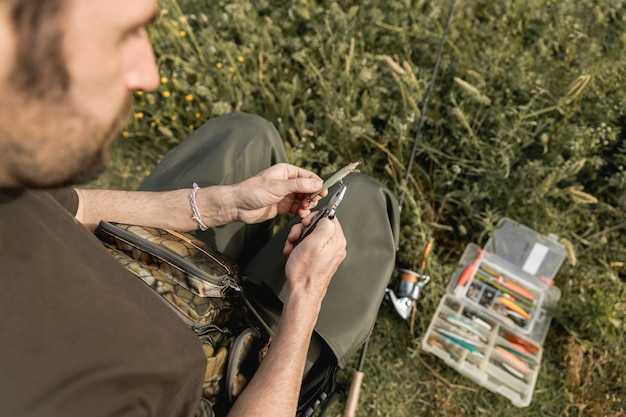
Depends on riders and gear; start with the group size and tackle, then select boat length. For a maximum of 4 riders with light gear, a 20–25 ft center console or decker delivers easy shore access, stable footing, and quick boarding from the dock. For 6–10 riders on day outings, a 28–40 ft cabin cruiser or two-decker offers comfortable seating, a sheltered cabin, and ample deck space to keep gear secure and clean between hops to new spots.
Choose deck layout based on your style: center console for fast reach to the waters and wind, a two-decker for social outings, or a sail-equipped option when wind allows. Rentals near shore provide quiet cruises and a sheltered ride, while renting a sailboat adds a classic feel and a hands-on experience for those who want extra maneuvering challenge. A powered decker keeps things simple for the captain and crew who prefer straightforward handling.
Onboard features to compare: clean cabins, secure railings, and sheltered seating zones; appliances like fridge, freshwater sink, and portable stove improve outings on longer trips. Look for a boat with reliable electronics, fish finder, VHF channels, and a captain option if you prefer someone else to handle navigation and anchoring. Check that there is ample refrigeration, weather protection, and shade to keep guests refreshed during long days on the water.
Seasonal rentals at local locations tailor options to seasonal winds and tides. Renting through a local operator streamlines the process, offering clear pricing, seasonal promotions, and on-call support. Determine reach to sheltered coves and marked channels, and select a location that minimizes transit time from shore. If you plan multi-day or back-to-back outings, a larger, two-decker boat offers better rest spaces and room to store gear between trips. When you rent, confirm the exact location and pickup time, and keep the captain informed about your preferred route and breaks.
Planning checklist: count riders, note tackle and gear, pick a boat with secure deck access and clean interiors, and confirm the onboard appliances and power supply meet your needs. For family outings, choose a sheltered space with quiet operation and a short reach to shore; for larger groups, a two-decker with clear marked seating areas helps keep everyone comfortable and hydrated across the day.