


 English (UK)
  Русский
  العربية
  日本語
日本語  한국어
한국어  Magyar
  Türkçe
  Español
  Čeština
  Svenska
  Português
  Ελληνικά
  Suomi
Suomi  Nederlands
  Română
  Italiano
  Français
  Polski
  Українська
  Deutsch
  简体中文
简体中文  Slovenčina

Plan ahead: visit your local boating office to register your vessel and pull the latest information there before you launch. Knowing the rules in advance helps everyone stay compliant and lowers the risk of accidents on the water.
education sets the baseline for safe boating. Learn the requirements for motorboats, sailboats, and paddlers, and verify gear like life jackets, sound-producing devices, and navigation lights. If you operate a motor or sailboat, you need to know which rules apply in your area and what equipment is used.
Regulations vary by case and location; check your state or country for speed limits, right-of-way, and needed permits. For a motorboat or vessel, ensure registration is valid, and that your information matches the certificate. For paddlers and sailboat operators, certain zones require additional gear or lights on the vessel, that must be carried when you are on the water.
Create a practical plan that covers weather, passengers, and routes around popular waterways. Include check-ins with a buddy who can call the local office if something goes wrong, and keep an accident report kit ready in case of an incident. That kit should include the vessel’s registration, insurance details, and a small notepad for events.
Keep information accessible on the boat and share it with everyone on board. For paddlers and sailors, remember to review local guidelines before you set out and plan for contingencies like weather changes and crowded waterways. By staying informed and using a simple checklist, you reduce risks around busy areas and protect every crew member.
Washington Recreational Boating Laws Overview
Before launches, ensure your boat is registered, you have the required life jackets for everyone aboard, and you carry your Boating Education Card if the department requires it. As a boater, familiarize yourself with the rules to protect yourself and others on Washington waters.
Statewide rules cover all waters, but region and county enforcement varies. The Department of Licensing handles registration, while state parks oversee launches and boating education programs. Sailboat, motorboat, and other boats share most safety rules, with some craft-specific provisions.
Education matters: complete an approved boating education program to obtain your Boating Education Card. It helps you learn the rules, signals, and safe practices. Looking for courses? Check the Department of Licensing or your county parks program to keep the card current.
Area specifics and launches: In Washington, always check local rules before you launch. Some places enforce no-wake zones or speed limits near marinas to protect wildlife and other boats. Look for official launches and places to put in from the state park system or county websites.
Wildlife and environment: When you are out on the waters, reduce speed over wildlife areas near shorelines and avoid nesting or habitat areas. Respect wildlife and posted restrictions; this protects wildlife and your boat, too.
Additional guidance for boaters: Identify your boat type–boats, sailboats, or motorboats–and plan your trip with up-to-date information from the department and county offices. Things to know include where to launch, what gear to bring, and the limits that apply to different waters and areas in your region.
Looking for more: always verify that your safety equipment, registration papers, and card are current before every trip. Remember to check your county’s tips for wildlife viewing, education programs, and any seasonal restrictions that affect launches, areas, or places you want to visit in your county.
Recreational Boating Laws and Regulations: Your Guide; Know Washington Boating Laws
Take a few minutes today to review Washington boating rules before you head out. Ensure every passenger on your vessel or kayak wears a U.S. Coast Guard–approved life jacket while underway, and carry the right documentation. Check the official Washington state boating website for the latest requirements and weather advisories; plan for year-round conditions on Puget Sound, the Columbia River, and inland lakes. Staying informed helps everyone on board stay safe and keeps your recreation predictable.
In Washington, motorboat operators born after 1955 must hold a Boater Education Card. This education card is your proof of training, not a typical license, and it helps reduce risk on the water. You can take an approved course online or in person at a local provider. Keep the card with you whenever you boat, and remember that marinas and authorities may request it as part of a routine safety check. For non-motorized vessels like kayaks, carry a personal flotation device and follow local guidance. This rule applies to visitors and residents alike and links to national safety standards issued by the Coast Guard.
Beyond training, maintain a ready safety kit: PFDs for each person, a sound-producing device, a throwable flotation device, lights if boating at dusk, and a basic first-aid health kit. Check your vessel’s registration and any required safety equipment according to the national and local rules, and plan to replace worn gear year after year. Health and safety planning also means staying hydrated and watching for fatigue on long trips.
Respect common rules that reduce risk: stay in designated channels in busy waterways, observe no-wake zones where posted, and keep a safe distance from recreational paddlers, anglers, and kayaks. If you are operating a vessel in weather-changing conditions, slow down and avoid crowded marinas. Washington enforces penalties for unsafe operation, reckless behavior, or failing to meet PFD or licensing requirements. Use your guide or local authorities for up-to-date rules at popular spots.
Where to learn more: your best источник of current, accurate rules is the official website of the Washington Department of Fish and Wildlife and the state parks boating section. Use the guide on that site to plan trips, check local notices, and download a printable checklist. For broader safety standards, consult the national Coast Guard safety materials. This information helps everyone–from first-time boaters to frequent visitors–enjoy boating safely year-round.
Who Must Wear a Life Jacket (PFD) and How to Fit It
Wear a properly fitted PFD at all times when on deck or underway.
Regulations vary by location and water body. In many states, children under 13 must wear a life jacket on any recreational boat, and every passenger should have a PFD readily accessible while the boat is underway on smaller craft. Safety campaigns and local campaigns on lakes like Chelan or Crescent Lake reinforce the plan to keep PFDs within reach and worn, especially during cooler mornings or choppy conditions. A common approach is to require space on board for each person’s PFD and to encourage their use from home to the dock and back.
- Children under 13: wear a U.S. Coast Guard–approved life jacket while the vessel is underway or on open water.
- Small boats (typically under 26 feet): have a PFD for every person on board and wear them while underway in many jurisdictions.
- Non-swimmers or weak swimmers: wearing a PFD is strongly encouraged at all times on the water.
- Open-deck or exposed water activities on lakes and rivers: sound safety practice is to wear a PFD, regardless of swimming ability.
Choosing a PFD that fits well and is easy to wear helps health and safety goals. Affordable options are common, and many programs offer free or reduced-cost PFDs through community campaigns. Having a few sizes on board and planning a quick gear check before launch makes safety routine and less stressful for everyone involved.
To get the most from your PFD, know the differences in types and how they influence fit and use. Type III wearable vests are popular for comfort and good buoyancy in calm to moderate lakes. Type II nearshore vests work well for quick rescue access, while Type I offshore gear provides extra buoyancy for rough water. Type IV throwables stay off the chest, and Type V inflatables require attention to their operating instructions. For everyday boating on lakes such as Chelan and other local waters, the common choice is a Type III if you plan to stay near shore and want a balance of comfort and buoyancy.
Fit matters as much as the jacket’s size. A sound fit keeps airways clear and allows quick movement, which reduces struggle in the water and improves confidence for taking rides with family and friends.
Next, follow these steps to fit any PFD correctly:
- Size by chest measurement. Measure around the fullest part of the chest. If you’re between sizes, choose the larger one and use the side adjusters to tighten without restricting movement.
- Check the label for approval and type. For most recreational boating on lakes, pick a USCG-approved Type III (vest) or Type II if nearshore. Type I is best for offshore or open water. Ensure the jacket is designed to stay on the torso when head turns and arms move.
- Put it on and secure all fasteners. Close zips, buckles, and adjust side straps and shoulder straps so the vest sits high on the chest without riding up.
- Test the fit. With the vest on, raise arms overhead and bend at the waist. The PFD should stay in place and not ride up toward your chin or ears. If it does, try a smaller size or a model with different strap geometry.
- Check for secure comfort in motion. Move, twist, and reach as you would when boating; the jacket should remain snug but not restrict breathing or arm movement.
- Children require extra care. Ensure a snug fit around the torso and confirm that any crotch strap (if present) keeps the vest from riding up during active play or a fall into the water.
- Maintenance and care. Rinse after salt or chlorinated water, air dry away from heat, and inspect for tears, frayed straps, and broken buckles before every trip. Replace worn or sun-damaged jackets promptly; typical life is several seasons, depending on use and care.
Tip: store a ready-to-wear PFD near the hatch or cockpit for quick access during a flip or rougher ride. This habit supports safer choices on every lake journey, from a quiet home launch to a busy day on the water.
Registering Your Boat in Washington: Steps, Fees, and Renewal
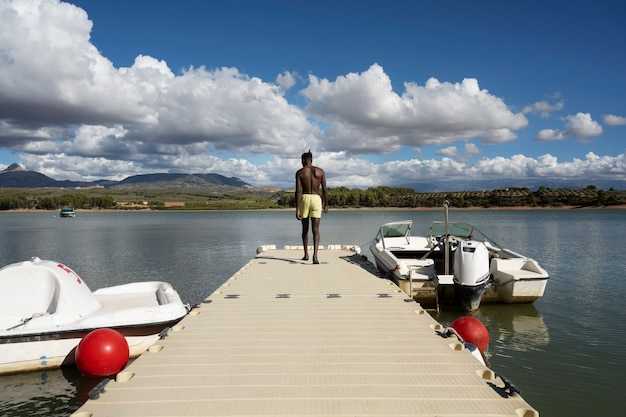
Begin with gathering proof of ownership, a valid ID, and your registration card, then file at the state office or online to register your boat.
Determine whether your vessel needs WA registration. Motorized craft and sailboats require registration; non-motorized vessels may be exempt or require a title.
Collect documents: bill of sale, previous registration card if available, hull identification number (HIN) or serial, and a photo ID. If youre renting, include the rental agreement.
Submit to the state office or use the online system. For residents near Chelan, check the local office and use the official online portal to print a confirmation to onboard your craft, especially for recreation outings along lakes where wildlife hazards can appear.
Fees: base charge varies by length and vessel type, plus any processing fee; late renewals incur a separate charge. Confirm the total before you submit payment to avoid surprises.
Renewal: registration runs for a set term; you can renew online or in person at the state office before expiry. Watch for a renewal notice by mail or email, and update your address if needed; after renewal you receive a new registration card and decals to display on the hull.
Onboard safety and usage: carry the certificate, decals, and licensing information; review related rules for fueling and hazards, especially when operating near wildlife or in park areas. Keep the limit on passengers and gear in mind to prevent overloading during recreation trips.
Special cases: for a mackinaw or other larger craft, confirm vessel class and any additional documentation; in elum or Chelan region, verify details with the appropriate office if you have questions about your registration status. If youre a visitor bringing a rented craft, verify the registration status with the rental company before you head out.
Record-keeping: store a digital copy of the certificate and keep the physical card onboard or in a safe place; bring proof when you launch from a park or during enforcement checks.
Understanding WA Alcohol Limits, If You’re Boating
Do not operate a watercraft after drinking. If you’re planning watersports or a sailboat outing, appoint a sober person onboard to drive and keep alcohol off the vessel.
Washington state sets a BAC limit of 0.08 percent for most boat operators; around the region, many states use the same standard. Police can conduct field tests on the water, and enforcement can lead to fines, suspension of boating privileges, and possible jail time. Penalties vary by offense and county, at least in scope of fines, license suspension, and other penalties. Check with your local office or court for specifics.
People under 21 face zero tolerance: any detectable alcohol can trigger a BUI charge when operating a watercraft. If you’re under 21, avoid alcohol on the vessel and plan a sober day on the water.
Before you head out, read the rental contract if you rent a watercraft on public lakes; some operators require you to stay well under 0.08 or to designate a sober captain. For year-round boating and local outings, choose an affordable option that includes clear safety guidelines. If you’re hosting an event around August near busy docks, coordinate with police and marina staff; provide water, shade, and non-alcoholic options. Find weather updates and have a plan for getting back to shore safely.
To keep yourself and your crew safe, always check the weather and wind, know the route around public channels, and have a designated driver on every trip. Each trip, ask yourself: is it worth drinking and driving a vessel? If you’re unsure about your level, also skip alcohol and drive with someone else at the helm. Your vessels deserve safety, yourself included, so head out right with a plan and enjoy the water responsibly.
Required Safety Gear by Vessel Type and Length
Equip the right safety gear before you launch and verify it matches your vessel type and length.
Beyond basics, gear needs vary by waters you’ll ride, from rivers to open water. On popular craft like sailboats, Mackinaw, fishing boats, or powerboats, learn regional rules and tailor equipment to the operation you’re taking on. If youre unsure, check with your regional departments before you depart, and use their guidance to help you stay healthy and truly protected on the water.
| Vessel Type | Length Group | Must-Have Gear | Notes |
|---|---|---|---|
| Sailboat | Under 16 ft | PFDs for all aboard; one whistle or horn; fire extinguisher if engine present; Visual Distress Signals as required; no throwable Type IV device required; bilge pump or bailer | Launches on calm days; consider location beyond rivers for practice |
| Sailboat | 16–26 ft | PFDs for all aboard; one Type IV throwable device; whistle or horn; Visual Distress Signals; fire extinguisher; navigation light if operating after dark; bilge pump or bailer | Ensure capacity matches crew; learn the seasonal water temperature and cold risks |
| Sailboat | 27–40 ft | PFDs for all aboard; Type IV throwable device; at least one fire extinguisher and additional if engine compartments are present; Visual Distress Signals; sound device; navigation lights; bilge pump; anchor and line | Practice safe operation in bigger seas; check gear before every launch |
| Sailboat | Over 40 ft | PFDs for all aboard; Type IV throwable device; multiple fire extinguishers; Visual Distress Signals; red/green navigation lights; sound producing device; functioning bilge pumps; anchors, fenders, and lines | Be prepared for longer trips; plan for cold water exposure and emergency scenarios |
| Mackinaw | Under 16 ft | PFDs for all aboard; whistle or horn; fire extinguisher if engine present; Visual Distress Signals; bilge bailer | Common in regional lakes; stay aware of seasonal water temps |
| Mackinaw | 16–26 ft | PFDs for all aboard; Type IV throwable device; whistle; Visual Distress Signals; fire extinguisher; navigation light if needed; bilge pump | Check hull integrity and gear throughout the season |
| Mackinaw | 27–40 ft | PFDs for all aboard; Type IV; multiple extinguishers; Visual Dist Signals; sound device; navigation lights; bilge pump; anchor and line | Regional rules may require additional signaling for cold water regions |
| Mackinaw | Over 40 ft | PFDs for all aboard; Type IV; fire suppression systems; Visual Dist Signals; navigation lights; robust bilge and pump setup; anchor, lines, and fenders | Prepare for extended operation in larger waters |
| Fishing Boat | Under 16 ft | PFDs for all aboard; whistle; fire extinguisher if engine present; Visual Distress Signals; bilge device | Good practice when taking family trips beyond shorelines |
| Fishing Boat | 16–26 ft | PFDs for all aboard; Type IV throwable; whistle; Visual Dist Signals; fire extinguisher; navigation light; bilge pump | Find and follow regional rules for signaling and season-specific gear |
| Fishing Boat | 27–40 ft | PFDs for all aboard; Type IV; multiple extinguishers; Visual Dist Signals; sound device; navigation lights; bilge pump; anchor and line | Health and safety plans help manage cold-water exposure |
| Fishing Boat | Over 40 ft | PFDs for all aboard; Type IV; enhanced fire suppression; Visual Dist Signals; navigation lights; bilge systems; anchors, lines, fenders | Prepare for longer trips and varied weather |
| Powerboat | Under 16 ft | PFDs for all aboard; whistle or horn; Visual Distress Signals; fire extinguisher if needed; bilge pump | Popular for watersports and quick trips; check cold-water readiness |
| Powerboat | 16–26 ft | PFDs for all aboard; Type IV throwable; whistle; Visual Distress Signals; fire extinguisher; navigation lights; bilge pump | Keep safety gear accessible during fast operation |
| Powerboat | 27–40 ft | PFDs for all aboard; Type IV; multiple extinguishers; Visual Dist Signals; sound device; navigation lights; bilge pump; anchor and line | Consider equipment for watersports launches and rough water |
| Powerboat | Over 40 ft | PFDs for all aboard; Type IV; comprehensive fire suppression; Visual Dist Signals; navigation and deck lighting; advanced bilge and pumping; anchors and lines | Plan for operation across regions and events |
By keeping this gear ready, you increase your odds of staying healthy and safe, find help quickly if needed, and truly enjoy every day on the water, from rivers to popular launch sites and events around the region.
Washington Navigation Rules: Right-of-Way and Lighting Basics
First, yield early in crossing situations: reduce speed and take clear action to stay well clear of vessels on your starboard side. In the Puget Sound region, watercraft share narrow channels with ferries, barges, sailboats, and kayaks, so proactive communication prevents accidents. When visibility is limited, sound a short signal to announce your presence and intent.
Right-of-way basics: the vessel on your starboard side has priority in crossing situations; the other vessel should reduce speed and alter course to avoid. The rules recommend taking early action to prevent a collision. In head-on approaches, both vessels steer to starboard to pass safely. When overtaking, the overtaking watercraft must stay well clear and pass on either side, keeping a safe distance and not drifting over into the path of their vessel.
Lighting at night and in low visibility: display the required navigation lights. A power-driven watercraft underway shows a white masthead light forward, red port side light, green starboard side light, and a white stern light. A sailboat under way uses the same sidelights and stern light, and it may need additional dayshapes or lanterns if not under power. Clean, properly aimed lights ensure you are visible to vessels approaching from the sides and behind, especially late in the day during August evenings.
Specific hazards in the seattle-king region: ferries crossing main channels, strong currents in rivers like the Snohomish and Green, docks, submerged hazards near a park, and busy marinas where watercraft are rented. Keep a lookout and use sound signals if another vessel appears to cross your path. When you see hazards ahead, slow and adjust course before you reach the hazard zone to reduce the risk of accident. For information on local rules, check with the coast guard, harbor masters, or the Washington state parks and seaports.
Planning tips for late summer: in August, waterways see more traffic from recreational boats and watercraft that are rented. If you rent a watercraft, confirm the plan with your crew, including who yields, the intended route, and signal points. Before you head out, review charts for rivers and protected waters, check weather, and ensure everyone understands the plan. The seattle-king region authorities encourage reporting accidents to improve information for all vessels.