


 Português
  English (UK)
  Русский
  العربية
  日本語
日本語  한국어
한국어  Magyar
  Türkçe
  Español
  Čeština
  Svenska
  Ελληνικά
  Suomi
Suomi  Nederlands
  Română
  Italiano
  Français
  Polski
  Українська
  Deutsch
  简体中文
简体中文  Slovenčina
 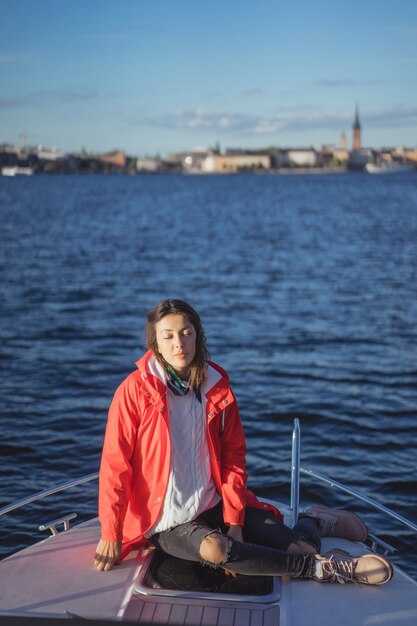 Washington DC Boating Guide | GetMyBoat">

Start your DC boating day with a rental from GetMyBoat and a clear plan. They offer kayak options and compact boats with simple check-ins at local marinas along the river. From the capital’s waterfront, you can launch quickly and set your route with confidence, enjoying flexible schedules and reliable gear.
Choose the upper river segments for commanding views of the city skyline and peaceful currents. The southeast shoreline offers sheltered moorings, short strolls, and photo opportunities that capture monuments and bridges from a fresh angle.
DC’s water culture blends seafaring tradition with modern urban life. On GetMyBoat you’ll find trusted guides and fleets that fit your pace, whether you want a quiet paddle on a calm morning or a longer outing that reveals hidden harbors and historical landmarks along the banks.
Plan to bring a photo-friendly day, and note the best times are mornings on weekends when marinas are lively but not crowded. Check for safety gear, life jackets, and clear instructions from the operator–you’ll be on the water with plenty of choices, from single kayaks to small rental vessels, all managed by reputable providers.
If you’re visiting during warmer months, short trips along the river reveal DC’s unique river culture and historical architecture. They can tailor a route to fit your group, whether you’re a first timer or returning boater, and they’ll help you plan a smooth checkout from the last marina back to shore. Ask them about gear and routes that match your crew.
Washington DC Boating Guide: GetMyBoat and Fourth of July Fireworks
Book a GetMyBoat rental at least two weeks ahead to secure a prime viewing from Georgetown docks for the Fourth of July fireworks. Choose a mid-size pontoon or a compact bowrider to keep the crew comfortable while you cruise the Potomac, mind the water traffic, and admire the skyline as colors blaze over the monuments. getmyboat offers a fine mix of options, and the rental process is straightforward, with clear pricing and flexible times.
For timing, expect fireworks to start around 9:07 PM and run about 15–20 minutes. Plan to arrive on the river 30–60 minutes before showtime to find a good spot and settle in. If you’ve been to the area before, you’ll notice how the light from the National Mall reflects off the water, making the experience feel even more immersive as you move from one point to another while exploring different viewing angles.
Top spots to admire the display include the Georgetown waterfront docks, Old Town Alexandria’s riverfront, Roosevelt Island, and East Potomac Park. Each offers a clear line of sight to the launch points and a unique backdrop for photos. They are near popular lighthouses along the Potomac, which provide charming silhouettes as you mind the currents and pass by past landmarks.
- Georgetown Waterfront: easy docking, broad views, and access to a range of rental boats.
- Old Town Alexandria: historic charm plus elevated river views for the late show’s glow.
- Roosevelt Island and East Potomac Park: quieter sections with steady water and long sightlines.
- West of the Lincoln Memorial: a classic angle with monuments lit up, ideal for admiring the reflections on the water.
Practical tips to make this activity smooth: book early with GetMyBoat, verify dock pickup times, and confirm your boat’s capacity so you won’t exceed the allowed crew. You’ll want to pick up right near a dock that offers convenient access and a stable launch, because long lines on shore can eat into your time on the water. If you’re taking photos, plan your approach to the point where you’ll be closest to the fireworks as the display peaks.
Alcohol policies vary by vessel, so check the listing details on getmyboat and follow local rules. Many johns rental fleets provide boats with onboard alcohol allowances, but always designate a captain and keep safety first. Be mindful of the wind and current near the docks, and avoid crowded shorelines where boats may be operating at higher speeds. Been on the river for a Fourth of July, you’ll notice the crowd shifts and the best spots become crowded quickly.
Summary: to have a fine, distraction-free night, pick a GetMyBoat rental with a clear view, arrive early at your chosen spot, and enjoy the show from a comfortable, stable vessel. If you’re exploring options, look for listings that highlight flexible times, safe itineraries, and easy return to the dock after the finale. For home-prepared plans, map your route along spots near the docks and be ready to shift your point of view as the fireworks unfold over the river.
Key reminders: bring life jackets for everyone onboard, respect alcohol rules, and keep a mind toward other boats and wildlife along the river. Whether you’re a first-time boater or a seasoned explorer, GetMyBoat can help you tailor a Fourth of July cruise that fits your crew, your budget, and your schedule.
Washington DC Boating Guide for GetMyBoat: Sound the Boat Horn for the Greatest Fourth of July Fireworks Show
Rent a Georgetown waterfront boat for July 4 and sound the horn at the peak of the fireworks. GetMyBoat helps you lock in a perfect captain and a favorite vessel, with booking options that span months and fit different budgets. Stay on the river for historic views and monuments that feel much closer than land-based crowds.
Your choice of boats will shape the night: a quiet cruiser for a relaxed evening or a larger party boat with deck space for groups. For the July show, a mid-size craft on the peninsula near downtown and town landmarks gives you clear sightlines and a prime vantage while keeping you near the action.
Alcohol policy varies by listing; check booking details so you know what is allowed onboard. Most GetMyBoat listings specify safety equipment and crew status; following rules keeps you out of jail. If you are visiting states away, like from jacksonville, verify docking options and parking near Georgetown before booking.
Boat rental prerequisites on GetMyBoat for DC river cruises
Always verify that your GetMyBoat DC river cruise includes a licensed captain, valid insurance, and required safety equipment before you book.
Filter listings by operator credentials: a recognized commercial license, a valid Coast Guard endorsement if applicable, and proof of liability coverage. The least risky and best options on rivers provide a professional crew and a thorough safety briefing at departure.
Know who is on board: a limited, private boat charter may be priced for the entire party, while some listings charge per person. If you plan a birthday, corporate event, or family reunion, confirm capacity and what the price includes, such as fuel, safety gear, and a captain.
Prepare documents: government ID for each adult, and any required permits or age restrictions for alcohol policies. Past customer reviews help gauge operator reliability, response time, and the quality of the on-board experience, every detail of safety included, and the music that comes with your ride.
Season and routes: DC itineraries span between towns along the Potomac and connections to the chesapeake region. The fantastic options cover historic landmarks, riverside scenery, and must-see stops; start your planning by checking which months fit your schedule and whether the price includes a guide and a basic tour of the coast.
Destinations and inclusions: Some listings include multiple destinations within a single day, such as a visit to springs and waterfront towns; inquire about what includes meals or beverages, and whether additional stops can be added beyond the standard route.
Tips for planning: Start by setting a wish list of destinations and the number of people; compare prices, check reviews, and consider a small party vs a larger outing. If you want a private experience, look for per-boat listings with a higher capacity and a shorter wait between bookings.
For the best experience, book with operators who offer clear safety briefings, updated equipment, and flexible cancellation policies; getting on the river soon allows you to admire the evolving scenery and catch fantastic views of the rivers, towns, and the Chesapeake.
Required safety gear and passenger limits for July 4th excursions
Put a USCG-approved PFD on every person on board and keep them within reach; verify the hull capacity plate matches your total number of passengers and do not exceed it.
Before entering the boat, run this quick safety check: ensure one throwable device is on deck, confirm a fire extinguisher is accessible, stock a first aid kit, and have a whistle or horn handy; keep navigation lights on and note that safety standards are evolving.
During dining or a wine moment on deck, keep glass out of reach and switch to spill-proof cups; ensure youre not violating rules and that the captain remains sober.
Passenger limits come from the hull plate on the vessel; the plate lists max persons or total weight; count everyone, including children; if you’re unsure, choose one boat fewer and keep within the limit.
For kayak and other small craft, limit to one or two per craft, wear PFDs at all times, and stay within sight of the guide or a larger vessel; such area near local locations and the mahogany-hull boats, including fletchers tied at the wharf. A kayak carries one person.
On July 4th events, monitor area restrictions and avoid firing zones; follow signs at the wharf and landmark locations along the river; locals and visiting boats from nations share the same water area.
Your choice of vessel on GetMyBoat must match your group size and the safety gear listed; review content and offers, confirm the capacity, and ask the host about entering procedures, check-in times, course of the trip, and any area restrictions for the July 4th event.
Legal horn signaling: when and how to sound your boat horn on the Potomac
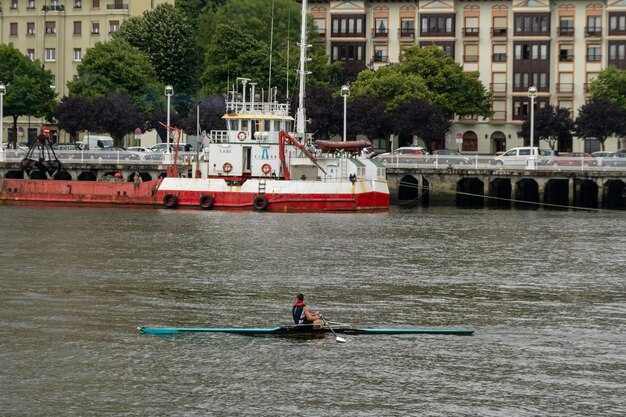
Start with a single prolonged blast to announce your approach in blind corners or near bends. This includes signaling your presence before another vessel responds. Follow with two short blasts to indicate your maneuver intent or to acknowledge a vessel’s signal, then ease back to a calm pattern once the encounter resolves. Always pair horn signals with a quick radio call on VHF Channel 16 when you are near locks, marinas, or busy traffic on the Potomac. Youll notice this pattern in visiting, exploring, or touring the river.
On the Potomac, signals follow Inland Rules. This stretch is steeped in history and sees a mix of sailboats, fishing boats, cruising yachts, and river ferries near creek entrances and canal approaches. Exploring the river, youll encounter lighthouses guarding the mouth, dining cruises along the waterfront, and museum outposts that invite visitors to learn about the waterway. If you traveled other states or visited Florida, youll notice similar courtesy adapted to this river; the key is clear, consistent signaling. When you are near a favorite mooring or busy wharf, signal early and keep your pattern simple so other craft respond that they see you. whether you are visiting for a tour or staying on a sailboat, the rule remains: communicate, then proceed with caution. Anglers along the bank may have a reel in hand; give them room and avoid horn blasts that could startle lines.
Practical reminders for staying compliant: keep horn use brief and purposeful; use a prolonged blast for presence or a course change, then use short blasts to indicate intent; in poor visibility, increase frequency while maintaining safe distances; confirm with lights and radio if there is any doubt. In the Potomac corridor that includes creek entrances and canals, youll reach safer outcomes and stay predictable, especially around eagle sightings and fishing activity that add to the river’s character. Whether you are touring or visiting states along the river, this practice helps ensure a safe reach for every sailboat, fishing boat, and cruising craft that navigate this waterway.
| Signal type | What it communicates | Potomac tips |
|---|---|---|
| Prolonged blast (4-6 seconds) | Announces presence or a course change; use in restricted visibility | Use at bends, near creeks or canal entrances; pair with a quick VHF call |
| Two short blasts | Indicates intent to pass or acknowledges another vessel | Signal early if you plan to overtake; give space and confirm clearances |
| Three short blasts | Confirms passing arrangement or responds to overtaking | Agree on which side to pass; adjust speed accordingly |
| Five short blasts | Distress or danger; attract attention | Only for real danger; switch to radio for assistance |
Best DC fireworks viewing routes and anchorage tips from the water
Dock a licensed charter by 6:45 p.m. and take a southbound drift along the Potomac toward the National Mall for a fabulous water view; a small group on a yacht or rental vessel with a guide makes the experience fascinating, and you’ll catch prime times of the July fireworks as their colors light up the sky above watergate.
Route options include Route A along the south bank from Georgetown toward a watergate vantage point, Route B a loop near the Southwest Waterfront toward Hains Point for a tighter view and calmer winds, and Route C crossing to the Virginia shore near Old Town Alexandria for a long reflection of the display on the water, with ship silhouettes adding drama. Each route offers a little adventure and a chance to photograph reflections while avoiding congested shore crowds.
Dockside logistics help you stay organized: choose protected docks or buoyed moorings advised by your operator, stay off shoals or busy channels, and keep a respectful distance from ferry lanes. For a group or family, rope a tether to the bow with a 50–60-foot anchor rode and deploy 2–3 fenders to soften wake in the channel. Your rental or charter should provide safety gear and a written plan; their crew will guide you to the best dock and deliver a safety briefing for the entire party. The package includes per-person pricing options if you are booking for individuals and allows you to tailor the experience to your crew.
Safety and rules protect everybody: respect government signage and no-wake zones; never anchor within security or restricted areas near government buildings, and avoid crossing under major bridges during the peak display. Violations can lead to fines or jail, so confirm with your captain about local rules for July 4th and other times and follow their guidance for a smooth evening.
Timing and perspectives frame the best moment: the show typically begins around 9:00 p.m. in July, with prime view from about 8:45 to 9:15 p.m. Depart your dock at least 60–90 minutes early to secure a position and minimize glare on the water while you soak in the atmosphere. A guided experience adds context about the river’s heritage and the city’s waterfront activity, making the evening richer for their guests.
Adventure on the water pays off in experiences you’ll share long after the sky clears: a fascinating blend of history, city lights, and personal memories. For a little extra thrill, ask your captain to adjust the route for better reflections and photo angles, and consider a late return to see the water sparkle in the afterglow. Their crew can tailor the ride for a memorable night on the river, with options that include ship silhouettes, fabulous views, and a safe, enjoyable finale to your DC July celebration.
Planning tools: weather, traffic, and crowd considerations for Fourth of July boating
First, lock an early plan and check updates every hour. For kayak adventures or other small craft, launch at first light from a nearby boathouse and pick a favorite harbor with calmer water. The goal is to stay away from large crowds along the main river channels while you explore and discover a creek mouth and nearby coves.
Weather outlook for Fourth of July typically features hot, humid afternoons and the risk of isolated thundershowers. Expect highs in the 80s to mid-90s with heat index near 100F. Hydrate, apply sunscreen, wear light clothing, and bring a weather app to monitor radar. Some florida visitors underestimate heat and stay aboard too long–plan a quick return to shore if winds shift or rain starts.
On-water and shore traffic surges as boats, kayaks, and ships fill popular launch points. Large marinas near town, Georgetown, and Old Town Alexandria fill by late morning; plan to arrive early and have a backup launch from a quieter creek or island. If you arrive late, you may face longer lines and scarce parking–walking from parking to the dock can add time. If you plan to explore museums along the river after your trip, time your return to avoid peak crowds.
Use planning tools: NOAA marine forecasts, Windy radar, and local traffic apps to time your launch and return. Track rush hours around ship channels and sturgeon habitats along the Potomac; stay closer to the shore during peak activity. Planning should include contingencies, including rain, wind shifts, and crowd surges. Include no-wake zones and permit limits; carry a VHF radio on channel 16 and a waterproof phone. For southbound trips to island and creek areas, keep a lookout for other boats and give them space. The mahogany-decked classics at the docks remind you to respect boat handling and your chosen approach.
Stock a compact safety kit and spare paddle for both beginners and experienced boaters. If family members arrived with different skill levels, pick a craft that allows steady progress. Share your action plan with a friend on shore and keep lines of communication open. If you wish, reserve a backup ride or plan with a partner to stay together as crowds surge. For south route, consider southern island stops and walking routes, then choose a safe plan that fits your group and time.