


 Português
  English (UK)
  Русский
  العربية
  日本語
日本語  한국어
한국어  Magyar
  Türkçe
  Español
  Čeština
  Svenska
  Ελληνικά
  Suomi
Suomi  Nederlands
  Română
  Italiano
  Français
  Polski
  Українська
  Deutsch
  简体中文
简体中文  Slovenčina
  Wakeboard Lessons for Beginners – Learn to Ride with Expert Instructors">

Reserve um programa de vários dias com instrutores certificados para construir uma base sólida de wakeboard. Este plano estruturado proporciona um progresso constante, feedback frequente e verificações de segurança em cada passeio. Para iniciantes, o objetivo é ter 2 a 3 dias de treino, com sessões diárias de 2 horas e um breve descanso entre as sessões para permitir que os músculos recuperem.
Prepare o equipamento e os acessórios certos. Use um colete salva-vidas aprovado pela USCG, uma prancha de wakeboard adequada ao seu peso e botas que se ajustem bem. Para a maioria dos praticantes entre os 60 e os 95 kg, uma prancha de 132-136 cm funciona bem; praticantes mais pesados podem optar por 136-142 cm. Uma prancha de espuma ou compósita ajuda com os arranques na água mais cedo, e um colete de impacto reduz o impacto dos salpicos e protege as costelas durante os dias com mais vento. Se o seu parque usar um barco Mastercraft, espere uma tração limpa e consistente e uma grande ondulação que apoia as primeiras tentativas.
Onde treinas importa. Em locais como mexico ou na Patagónia, os instrutores adaptam os exercícios às condições locais de vento e água. Durante a aprendizagem, ajustam o comprimento da corda e a potência do barco para garantir a sua segurança e progressão. Alguns centros usam vídeo meta notas para mostrar a postura e o trabalho de arestas, para saber exatamente o que corrigir. Se estiver em Phoenix, pode combinar uma pausa de fim de semana com cursos à beira do lago e exploração urbana.
Na água, concentre-se no equilíbrio e em transições de borda controladas. Comece de joelhos e depois levante-se à medida que a corda estica, mantendo o peito para cima e os olhos para a frente. Para principiantes, uma largura de stance confortável e uma transferência gradual de peso ajudam a manter-se em pé. O comprimento da corda varia normalmente entre 18 e 20 metros; ajuste em aproximadamente 1,5 metros à medida que ganha confiança. Um vento calmo abaixo dos 24 km/h proporciona puxadas mais suaves, enquanto um vento acima dos 32 km/h aumenta a ondulação – planeie descanso extra e sessões mais curtas em condições de rajadas. Num curso de vários dias, a progressão vem da repetição de exercícios com pequenos aumentos de velocidade e altura, construindo gradualmente a sua confiança e capacidade. Certifique-se de que localiza a entrada das instalações (вход) para poder aceder aos cacifos, casas de banho e recolha de equipamento.
Com instrutores especializados, passará do primeiro deslize a passagens estáveis e repetíveis. Ao medir o progresso, celebre pequenas conquistas: levante-se sem problemas à primeira tentativa, deslize na esteira durante 5 segundos, depois 10 e, finalmente, ligue duas passagens consecutivas. Este plano é adequado para principiantes em locais quentes como o México ou Phoenix, bem como em regiões mais frias como a Patagónia, onde a instrução constante acelera os resultados.
Lista de Equipamento para Iniciantes
Arranje um colete salva-vidas confortável, aprovado pela USCG, e uma trela para wakeboard antes de entrar na água. Isto mantém-no à tona e o equipamento ao alcance, porque as correias soltas desequilibram e atrasam o progresso.
Escolha uma prancha adequada ao seu peso e altura; o seu instrutor ensinou-o a fixar os encaixes para uma posição segura: pés aproximadamente à largura das ancas, joelhos fletidos, peito para cima e olhos virados para a esteira.
Proteja a sua cabeça e tronco: capacete para maior confiança, colete de impacto, protetor solar, uma toalha e uma garrafa de água. Se planeia uma viagem à Patagónia, leve um corta-vento leve para as margens ventosas e para os recantos das florestas.
Planeie as condições meteorológicas e da água: leve protetor solar, um chapéu e um pequeno saco estanque para as chaves. As manhãs oferecem frequentemente águas mais calmas, o que ajuda a aprender mais depressa.
Acesso e cuidados com o equipamento: mantenha o seu colete seco entre sessões, enxague a prancha após o uso e evite deixar o equipamento sob luz solar direta. Isto preserva as fixações e prolonga a vida útil.
Para viajantes e habitantes locais, os utilizadores de Bartlett, Havasu, Saguaro e da área Apache encontrarão rampas com acesso a transporte de pontão. Alguns passeios são liderados por skippers experientes e muitas operações oferecem opções de grupo.
Dicas de reserva: quer começar com o pé direito? Reserve uma aula de grupo para o primeiro dia, chegue de manhã e pergunte sobre verificações de equipamento. Irá receber orientações claras sobre onde se posicionar, onde colocar a prancha e como apertar as fixações em segurança.
O que esperar da sua primeira aula de wakeboard
Chegue 15 minutos mais cedo para conhecer o seu instrutor, faça o check-in na entrada e ajuste o equipamento corretamente. Partilhe o seu peso e quaisquer lesões para que as fixações e o comprimento da corda se alinhem com as suas necessidades. Se estiver num charter, confirme o horário e o wakeboat ou waverunner que o irá puxar. Em locais como Phoenix, Patagónia e México, as condições da água são muitas vezes adequadas para principiantes, com secções mais calmas e ondas mais claras. Use sempre um colete salva-vidas, leve protetor solar e uma toalha, e verifique o tempo para saber como vestir as camadas de roupa. A instalação também protege a sua confidencialidade.
O que acontece a seguir centra-se na sua posição e distribuição de peso. O instrutor orienta-o a colocar-se com os pés à largura dos ombros, joelhos ligeiramente fletidos, ancas alinhadas com a prancha e olhos no manípulo. Aprenderá a distribuição de peso – mantenha a maior parte do peso centrada com uma ligeira inclinação para a frente para se levantar. Pratica levantar-se da água com um puxão suave do barco de wakeboard ou da mota de água. Espere 3-5 tentativas para se levantar e vários passeios curtos para sentir o equilíbrio. O equipamento poderá ser ajustado após a primeira tentativa para se adaptar à sua altura e peso. Além disso, o instrutor dá feedback em tempo real para que possa corrigir a postura e o timing. O objetivo é uma primeira voltinha suave, e muitos alunos descrevem-na como fantástica.
Dicas para maximizar a sua primeira sessão: escolha uma área ampla e aberta, afastada de docas e tráfego. Mantenha-se perto o suficiente do barco para se manter conectado, depois relaxe o aperto e estenda gradualmente os braços à medida que ganha confiança. Mantenha o peso centrado, as ancas niveladas e olhe em frente para o cabo. Mantenha uma ligeira flexão dos joelhos e deixe os seus tornozelos fletir com a prancha. Depois de se levantar, pratique algumas curvas suaves e uma paragem controlada para ganhar impulso para a sua próxima aula. Se quiser mais, reserve outra sessão em breve – a prática regular neste desporto acelera o progresso e pode continuar a desenvolver competências com pranchas ou posições diferentes.
Exercícios Básicos de Equilíbrio, Bordos e Posição
Recomendação: Centre o seu peso sobre a prancha com uma ligeira flexão dos joelhos e o olhar em frente para reagir rapidamente à onda. Sheldon afirma que a distribuição do peso é importante para o equilíbrio, por isso mantenha o seu peso no meio do pé e evite inclinar-se para trás. Recomendamos manter as ancas alinhadas com a prancha para transições mais suaves. Verifique sempre as condições da água e a configuração da corda antes de andar. Esta abordagem é importante para praticantes de todas as idades.
Para a posição, coloque os pés à largura dos ombros, normalmente entre 45–55 cm nas pranchas de wakeboard comuns. Comece com cerca de 60% do seu peso no pé da frente quando começar a fazer força e mantenha o joelho de trás flexível para absorver as ondas. Esta configuração ajuda-o a andar de forma estável em águas calmas ou em lagoas mais agitadas perto de lagoas e noutros locais de desportos aquáticos. Garanta sempre o acesso a um instrutor ou treinador e mantenha-se perto da costa se estiver a praticar sem um barco na área; um capitão a bordo pode ajudar a gerir o espaço e a segurança.
Bordas: pratique o controlo do lado dos dedos e do lado do calcanhar em arcos pequenos e controlados. Comece com uma borda rasa, depois avance para 15–25 graus de ângulo de borda em cada lado. Mantenha os ombros alinhados e as ancas estáveis, usando o seu core para controlar a prancha. Isto traduz-se bem quer esteja a andar em estilo surf na água ou numa corrida de wakeboard perto de Havasu ou outros lagos onde as lanchas são frequentes.
Exercícios de equilíbrio: sustentação do equilíbrio neutro (20–40 segundos), sustentação da borda de cada lado (10–20 segundos) e transferências curtas da borda (6–8 repetições por lado). Descansar 20–30 segundos entre as séries. Nas primeiras sessões, priorizar manter-se direito, centrado e suave em vez de velocidade. Esta abordagem funciona com grupos de família ou amigos, na água perto da costa e mesmo sem a presença de um barco, se as condições forem seguras.
Progressão e Exercícios
A progressão é simples: domine o equilíbrio neutro, adicione um controlo de borda consistente e, em seguida, incorpore pequenas explosões de borda durante a sua viagem. Faça 2 a 3 séries de cada exercício, 20 a 40 segundos por série, e aumente gradualmente para 3 a 4 rondas à medida que ganha confiança. Use dicas claras como peso sobre o pé da frente e joelhos relaxados para se manter consistente ao longo das sessões. Se andar num lago perto da região de saguaros ou terras apache, adapte os exercícios a ondulação leve e mantenha-se atento aos outros na água. Os preços do treino variam consoante a localização, mas mesmo algumas sessões guiadas podem acelerar o progresso. Para famílias, um pacote para principiantes em Laguna ou Havasu mantém todos envolvidos e a progredir em conjunto.
Como é que os Instrutores Personalizam o Coaching no Lago Havasu
Comece todos os planos de treino com uma avaliação rápida de 5 minutos da margem para adaptar os exercícios e o equipamento para esta primeira sessão.
Elementos de treino personalizado na água
- Avaliação e alinhamento de objetivos: Cada aluno responde a um breve questionário sobre o que procura melhorar e como ganhar mais confiança na água, e depois o treinador traça uma progressão que evolui para exercícios de equilíbrio, verificações de postura e uso das bordas, com metas claras para cada sessão.
- Equipamento e acesso: Os instrutores selecionam wakeboat ou waverunner dependendo do nível; há imensos coletes salva-vidas e fácil acesso a rampas e a uma zona de treino segura perto de marinas.
- Estrutura da sessão por nível: Para quem experimenta pela primeira vez, foco na postura, transferência de peso e ritmo; para os restantes, adicionamos controlo de velocidade, tensão na corda e saltos básicos; para praticantes avançados, rampas e truques, com um observador dedicado, priorizando sempre a segurança.
- Adaptação ambiental: As sessões da manhã aproveitam o vento mais calmo; se o vento aumentar, os exercícios passam para a costa ou enseadas abrigadas e até incluem pausas para passeios turísticos; isto mantém o impulso desde o nascer do sol até à manhã, resultando numa sessão produtiva.
- Segurança e confidencialidade: Documentamos o progresso com consentimento e respeito pela confidencialidade. Os instrutores explicam os sinais de segurança claramente e realizam verificações de equipamento antes de cada passeio.
- Contexto e experiências locais: Os treinadores integram paisagens e passeios ocidentais a partir de rotas com destino a Phoenix, incluindo elementos de treino inspirado na Patagónia para se manterem altamente práticos nos lagos perto da cidade; esta abordagem focada no desporto mantém as sessões animadas e relaciona as competências com condições reais.
- Preços e pacotes: Opções flexíveis incluem sessões privadas de 60 minutos, 90 minutos ou duas horas, com níveis de preços baseados no equipamento (wakeboat vs waverunner) e no tamanho do grupo; os pacotes podem incluir um passeio turístico adicional ou um pequeno percurso turístico para ver os pontos turísticos locais.
- Acompanhamento do progresso e feedback: Os treinadores usam dicas rápidas na água, pequenos videoclipes e uma folha de progresso para imprimir, para o ajudar a ver melhorias desde o primeiro contacto até à visita seguinte. Esta abordagem procura criar confiança, não sobrecarregá-lo.
- Outra dica prática: defina um objetivo claro antes da sessão, como conseguir a sua primeira curva limpa ou um salto controlado na onda, e depois ajuste o plano no final para apontar ao próximo marco.
Regras de Segurança e Dicas Rápidas para uma Viagem Tranquila
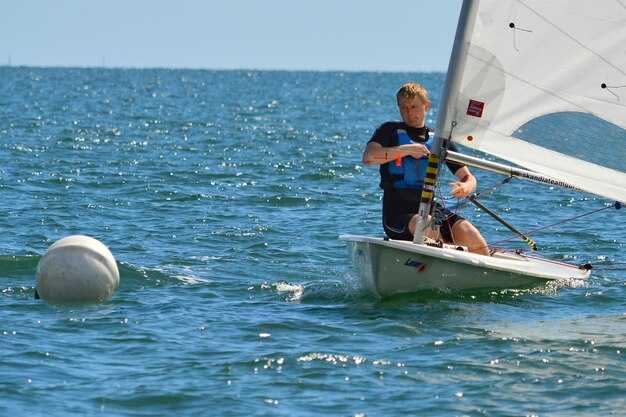
Vista um colete salva-vidas aprovado pela Guarda Costeira e aperte as fixações antes de entrar no barco. Esta verificação rápida define um tom seguro para as suas primeiras passagens.
Mantenha os joelhos ligeiramente fletidos, a anca centrada e o olhar em frente; segure levemente no guiador ao levantar-se.
Quando o barco acelera, levante-se num movimento suave e deixe a prancha de wakeboard deslizar para debaixo dos seus pés, mantendo a prancha plana e o seu peso centrado.
Pratique numa área calma e bem delimitada, destinada apenas a iniciantes, com um instrutor experiente a bordo para gerir os sinais e manter os outros afastados.
Esteja atento aos sinais para começar; se cair, flutue de costas, solte a corda e espere que o barco volte a fazer um círculo; o guia ajudá-lo-á a juntar-se novamente e a tripulação trará todos de volta em segurança.
Verifique o equipamento regularmente: inspecione as fixações, os atacadores e a prancha; se andar num barco Mastercraft, verifique se o lastro e os limites de velocidade estão definidos pelo capitão. Considere se um capacete é recomendado para a sua sessão.
Reserve uma sessão guiada com um operador de charters para aprender com instruções pacientes e acesso a equipamento adequado; em Havasu, combine aulas com passeios turísticos e desportos aquáticos fáceis que pode explorar. Antes de embarcar, complete o briefing de вход no cais.
Observe outras embarcações: mantenha-se afastado do tráfego de motas de água, permaneça dentro da área designada e procure sinais de barcos a aproximarem-se até ganhar confiança. Mantenha-se em águas calmas, longe de rotas movimentadas, nas primeiras sessões.
Fuel and access: check fuel level on the boat before leaving shore, and confirm easy access to the water for loading and unloading; practice in different areas as you gain control.
If you are looking to improve, request drills focusing on knees, stance, and getting comfortable with speed to build confidence and smooth transitions.