


 Português
  English (UK)
  Русский
  العربية
  日本語
日本語  한국어
한국어  Magyar
  Türkçe
  Español
  Čeština
  Svenska
  Ελληνικά
  Suomi
Suomi  Nederlands
  Română
  Italiano
  Français
  Polski
  Українська
  Deutsch
  简体中文
简体中文  Slovenčina
 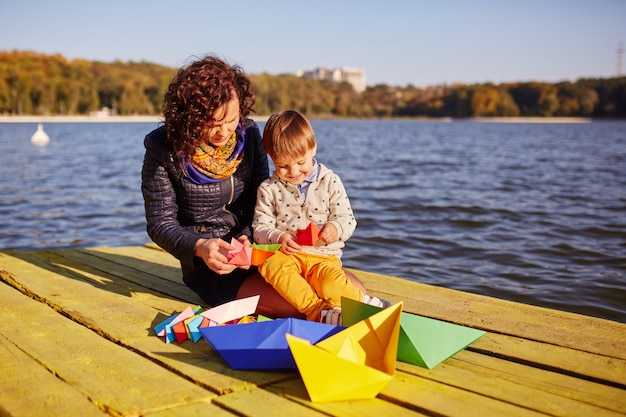 Top Tips for a Successful Family Yacht Charter with Children">

Choose a destination featuring sheltered praias and calm water; ensure the cabin has beds and a compact seating area; pack a jacket during evenings; confirm services that suit kids; check arrival and check-in times.
Being ready means every life jacket sized to a kid, worn during any deck activity; verify child safety rules and onboard services meet local regulations; review unexpected scenarios and a simple exit plan.
Build a daily rhythm around sun and water; include a nap window, quiet activities, and snack times; keep a few simple games and coloring sheets around beds or in the salon to ease transitions.
When selecting meals, choose kid-friendly options and keep a few water-safe snacks; confirm restaurants or service on board offers fresh fruit, sandwiches, and beverages; ensure someone handles cooking and cleaning tasks so companions can relax on water and near beaches.
Storage and beds, a compact wardrobe, and a lightweight jacket stash help be ready when seas turn playful or unexpected; choose services that float beyond routine, including medical kit, spare batteries, and a child-safe anchor device; always have a plan ready around a safe destination and a trusted crew member to supervise meals and play times.
Preserve environment on board by collecting rubbish after praias, using reusable bottles, and tidying common spaces; calm days result from a tidy cabin during a busy year.
Plan Engaging Activities for Kids

Recommendation: Set up a 90-minute rotating program on a crewed boat: three stations, 25 minutes each, with a 5-minute transition. This keeps energetic youngsters engaged, minimizes sunburn risk by moving between shaded cabins and deck, and gives parents reliable supervision points. Bring essentials: water, sunscreen, hats, drinks, towels, and a compact first-aid kit; bringing them here to a sheltered marina makes logistics smoother and ensures smooth handoffs between stations.
Station 1 – Deck Scavenger Quest: Create loose, kid-friendly clues tied to boat features (helm, cleats, lifebuoys, winch). Provide waterproof records and a pencil. Offer a small prize such as british-themed stickers to celebrate accuracy. A designated point person from the crewed team or a parent watches the group to maintain safety.
Station 2 – Craft & Color: Marine-themed collage with recycled caps, paper, and glue. This traditional activity channels energy into creativity and yields a keepsake. Make sure there are plenty of wipes and a washable surface, and assign one parent as supervisor to assist with scissors and glue.
Station 3 – Quick Science & Play: Bubble wands, color-changing water tests using food dye, and a simple relay race with foam balls. Keep all tasks near the rail and life jacket racks, and ensure supervision is present at every moment. Use loose equipment and avoid heavy props to prevent slips on deck during cruising moments.
Logistics and safety: Renting a british-flagged, crewed option provides trained guidance during activities; assign a final safety check point before any drinks break. Ensure sun protection, hydration, and shade options to prevent sunburn; keep a fixed choice of activities that can be swapped if weather shifts. Bond forms when parents join in, and sharing the moment deepens trust and keeps youngsters engaged during the whole trip.
Age‑Based Itinerary Blocks: Tailor routes and shore visits by child age
Start with three age blocks: little voyagers (0–5), curious explorers (6–11), bold teens (12–15). Route choices and shore visits are tuned to each group, keeping rest on deck and shade areas in view, while ensuring a safe, water‑based adventure that remains engaging across the whole trip.
-
Little voyagers (0–5)
-
Strategy: keep legs short, anchor in calm coves, and use sheltered seating on deck; schedule naps and quiet discovery in home‑like rest zones; plan nature moments in shade while enjoying light drinks and snacks. Include tiny treasures such as shells and safe sea life glimpses along the shore. Keep licenses on hand to cover all onshore activities; crew supervises at all times.
-
Logistics: pick shore visits within a 1–2 hour window to avoid overexertion; designate a shady deck area as a rest stop and a dedicated play corner anchored near the water for safety.
-
-
Curious explorers (6–11)
-
Route design: extend times on shore; nature walks, shallow-water snorkeling, and simple treasure hunts teach about environment and wildlife, keeping pace steady. Use a guided approach led by a trusted guide team; ensure licenses are updated; include at least one short diving intro under supervision, if appetite allows.
-
Learning moments: encourage questions, note thoughts, and summarize what was learned at the end of each stop; bring along a small kit for collecting natural specimens and a map of popular nearby sights.
-
-
Bold teens (12–15)
-
Adventure window: longer legs along the coast, stand‑up paddleboarding, kayaking, and crew‑supervised diving experiences; plan shore hikes that reveal local history and nature. Plenty of water, lightweight shade, and seating arranged for group discussions as a rest between exploits. Assign small tasks that create a sense of treasure along the route and encourage independent exploration while maintaining safety.
-
Practicalities: wear appropriate gear, carry compact first‑aid and sunscreen, and keep a flexible plan that allows extra excursions if licenses and conditions permit.
-
Safety Briefings and Gear Checklists: What to cover and pack for every trip
Start with a concise 3-minute orientation that identifies which guest handles the radio, who supervises preschoolers, and where to find the emergency exits and life jackets.
Craft a two-part gear log: safety gear and on-deck wear; storage in waterproof bins, surfaces kept clear.
Briefings cover regulations, privacy on deck, and childproofing measures, plus orientation to the boat layout, escape routes, muster points, and superyacht etiquette.
Preschoolers need waterproof rain gear, non-slip wear, and safe footwear; keep diapers within reach and ensure proper-size life vests are worn at all times.
Rentals should originate from certified suppliers; test the radio, verify childproof locks, and confirm that safety gear meets regulations before departure.
Drinks stored in a cooler away from heat reduce spills; better planning preserves the beauty of surfaces and deck, and entertainment can be kept simple through board games or waterproof cards.
Anchor checks: confirm anchor gear is proper-size, stowed, and ready; inspect chain, rode, and windlass controls.
Storage plan after docking: clear any spill risk, wipe surfaces dry, and store diapers, batteries, and radio accessories in privacy-friendly compartments.
Quick Onboard Activities: Short crafts, games, and storytelling ideas
Begin with a 15-minute rotation: a quick craft, a short game, then a storytelling round; this keeps an energetic pace while ensuring everyone stays safely engaged on deck. Charters benefit from a clear, rotation-based plan. This works across boats and small craft.
Craft ideas include folded napkin sails, foam compass badges, and sea-scene collages using color paper, safe glue, and blunt scissors. Packing a compact kit using these supplies adds a tangible, quick-win moment; include a small bag for finished pieces as keepsakes. источник: simple, quick-access ideas to spark hands-on activity. Adding color choices keeps kids engaged. Choose crafts and games suitable to age range.
Mini games: shell-scan memory using six shells, a rapid tally race around a safe deck area, and a captain’s call role-play where one child signals, others respond with a shout. Checking time after each round maintains flow; planning a swap keeps energy high while ensuring a rest period. They take turns selecting items, and all actions stay within arm’s reach of safety equipment. Add variety by offering snorkel- and scuba-themed props on deck. Set a point where kids switch tasks.
Storytelling ideas: quick prompts tied to the day’s voyage, such as a legend about a lighthouse and a friendly dolphin; a one-voice-to-many relay yields a shared tale. They can build a short plot, then summarize a moral in a sentence. Planning ahead helps, checking snacks, diapers if needed; sure, a calm sea improves listening. Energetic narrators keep attention; this approach has fantastic potential to entertain while teaching sea lore and local history. Although seas calm, keep plan simple. Advise everyone to stay within sight. Emphasize the importance of brief rest periods. Tailor choices to kids’ needs and energy. Include sail-themed prompts.
Structured Daily Schedules: Time blocks for rest, play, and exploration
Advise a minimum 75-minute rest block after breakfast to reset energy and keep guests entertained through afternoon adventures.
Three core blocks anchor the day: rest, play, exploration. Above the routine, adapt times to the familys age spread and the destination. The amenities aboard support a steady pace on both yachts and catamarans, keeping safety, comfort, and rhythm in view.
Assign roles: one adult guides exploration, another coordinates drinks and snacks from the on-board amenities; kids help packing, organize gear, and stay entertained within limits.
Weather-ready planning: keep a temporary plan ready; if calm seas, extend exploration blocks; if wind rises, shift to shorter play blocks and more rest. This flexibility is common aboard experienced crews.
Guidance on gear and routines: a proper-size life jacket is mandatory; pack a compact kit; traditional routines such as sunset beverages happen on deck; keep drinks secure during movement; hold the line to keep kids safe; the guide ensures safe transitions between pontoon shore excursions and quiet anchor stays.
Designed to feel homelike on this vessel, the rhythm invites familys to share roles, remain engaged, and enjoy cruising toward the destination.
| Time | Block | Notas |
|---|---|---|
| 08:00–09:15 | Rest and reset | Quiet time, stories, nap; ensure minimum rest; amenities such as fans or shade aid comfort. |
| 09:30–11:00 | Exploration on pontoon or catamarans | Guided marina stroll; above deck safety; roles assigned to adults and older kids. |
| 11:15–12:15 | Creative play | Arts, crafts; packing practice; prepare proper-size gear used in water activities. |
| 12:30–13:30 | Lunch and drinks | Light meals; salad, fruit; hydration kept up; amenities help. |
| 14:00–15:30 | Water-based exploration or shore visit | Short excursion; traditional experiences; supervise within sight. |
| 16:00–17:15 | Downtime | Reading; quiet games; temporary plan ready in case weather changes. |
| 18:00–19:30 | Dinner and wind-down | Group chat time; share stories; pack down; end at restful routine. |
Kids in the Crew: Easy chores, menu choices, and decision tasks
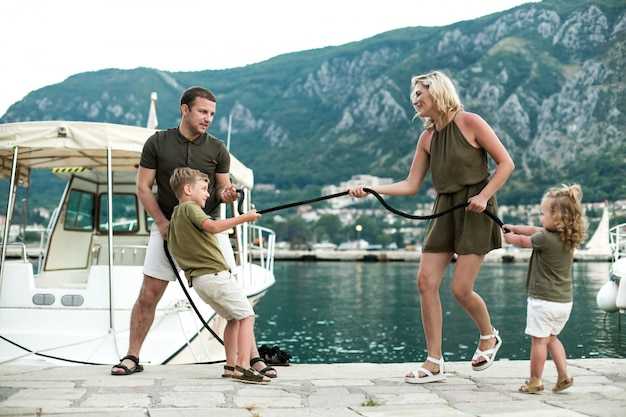
Set a 15–20 minute morning chores rotation posted on the guide board to look organized and to support steady motion between tasks; this service mindset keeps inside spaces tidy, reduces supervision needs, and matches traditional onboard routines, while listing amenities like life jackets, cleaning kits, and spare basic items on a visible board, including temporary labels for stations.
Assign roles using simple titles: Dish Captain, Deck Ranger, Bottle Monitor. Rotate leadership daily; their confidence grows, learning accelerates, and precious responsibility feels rewarding rather than punitive.
- Inside tasks: tidy cabins, straighten pillows, clear surfaces, sort small items, put away bottles and water jugs, check storage boxes, secure precious keepsakes, and ensure personal belongings stay in their place.
- Deck and floating areas: wipe rails, sweep, collect towels, secure cushions, inspect safety kit, and align fenders for easy look during mooring.
- Kitchen and mess control: rinse dishes and bottles, dry and store, wipe counters, set the table for meals, log course selections on the guide, and restock cleaning supplies in the facility closet.
- Breakfast options: quick oats with dried fruit, yogurt cups, fresh fruit, milk; assign a rotating kid to plate and serve under supervision.
- Lunch course ideas: fish tacos with corn salsa, veggie wraps, pasta with tomato sauce; include allergies and preferences; offer a popular option every rotation.
- Dessert and snacks: fruits, yogurt, crackers, cheese; beverages: water, juice, milk; label bottles to avoid mix-ups.
- Planning and provisioning: use the online website to pre-order groceries, renting a cooler or small grill can be handy; temporary shopping lists on the guide keep storage tidy.
- Decision tasks: present two or three options for the next activity; use a wipe-clean card to vote; the majority decides, with supervision to ensure safety.
- Ashore days: plan a half-day on beaches; rotate who chooses the site; document decisions on the guide.
- Evening options: movie night, quiz, or storytelling; schedule nights to keep routine calm and exciting learning moments about marine life.