


 Português
  English (UK)
  Русский
  العربية
  日本語
日本語  한국어
한국어  Magyar
  Türkçe
  Español
  Čeština
  Svenska
  Ελληνικά
  Suomi
Suomi  Nederlands
  Română
  Italiano
  Français
  Polski
  Українська
  Deutsch
  简体中文
简体中文  Slovenčina
 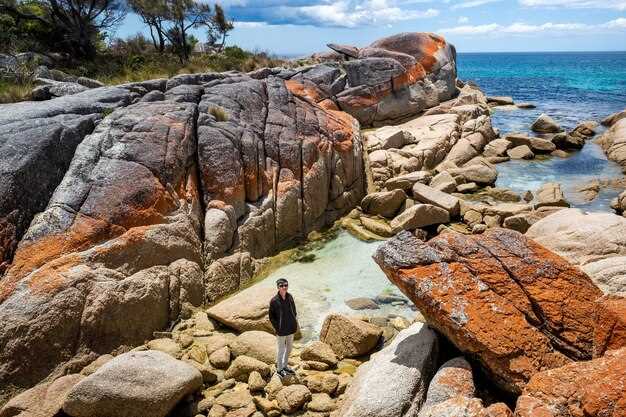 Top 25 Best Places to Visit in Australia – Travel Guide">

“The real voyage of discovery consists not in seeking new landscapes, but in having new eyes.” – Marcel Proust
Start your Australian adventure with a 72-hour primer in Sydney, where must-see icons anchor a vibrant coastal scene. Stroll Circular Quay, photograph the Opera House from a harbourside vantage, and ride a ferry to Manly for a sunrise view over the water. This city anchors a practical first leg, letting you pace the rest of your itinerary, while you plan what comes next.
Then head north along the coast to the Great Barrier Reef, where barrier reefs meet turquoise water and thriving marine life. In Cairns and Port Douglas you can book a snorkel session to see corals and fish up close; allocate hours on the water, and explore surfers beaches that stay lively through the afternoon. The coastline hides lighthouse trails and dramatic headlands that let you cover kilometers of coastline in a single day.
From the reef, turn west to Western Australia’s Fortescue region, where red terrain merges with rugged coastlines and eucalyptus forests. The drive spans many kilometers of road, with lookout stops and fresh seafood along the way. A small lighthouse sits at a remote cape, offering a memorable sunset as you compare the day’s notes with fellow travelers.
In Kakadu and Arnhem Land, Aboriginal communities share stories through rock art, songlines, and guided walks. Plan hours with a local guide to learn about fire regimes, water sources, and traditional navigation. This immersion proves must-see for everyone who wants a tactile sense of how terrain and culture shape a country long before modern routes.
For international travelers, bangkok serves as a common gateway to Australia. Direct connections to Sydney, Melbourne, or Perth are frequent from regional hubs, with total flight hours often in the 9–12 range depending on layovers. From there, you can begin a coastal loop that links cities, forests, reefs, and desert systems.
Lastly, this guide frames a practical, enjoyable approach: balance time on the coast with inland exploration and keep pace with seasons, while respecting local cultures.
Discover Australia: Travel Guide and Taste of Australia
Recommendation: start with a seaside stay along tasmania’s east coast and pair it with a chef-led tasting tour to sample seafood, berries, and cool-climate wines.
From sunrise views on the northern coast to cliff-top meadows, drives along coastal highways deliver stunning scenery and easy stops at small towns where you can taste local produce within proximity of the ocean.
In national parks, you can spot rare species and watch rivers rush past granite outcrops; desolate shorelines reveal dramatic rising tides and wind-carved beaches.
Carry a light daypack and follow a well-marked path through cooling forests; many trails offer easy to moderate hiking options and scenic overlooks that fit a half-day plan.
In towns along the route, visit famous markets and seaside lanes, where local chefs present a Taste of Australia with grilled fish, bush herbs, and cheeses; pick up maps at the office to tailor your routes and book tours with local guides.
For international travelers, the northern cities offer quick flights from major hubs; book in advance, and plan multiple day visits that connect pylon-lined highways to alpine passes, coastal tracks, and river towns.
Sydney: 3-day city and harbor highlights with practical transport tips
Kick off with a sunrise ferry to Manly from Circular Quay and return by the late afternoon; this move launches a 3-day plan about harbor life and practical transport tips for a warm, efficient rhythm, named the Sydney Harbor 3-day loop.
Day 1 centers on Circular Quay, the Opera House and The Rocks. Capture the sails up close, then walk into the Royal Botanic Garden and climb the hill for a harbor panorama. In The Rocks, browse shops and hear a local story about the city’s early days and the peoples who helped shape it; the route is listed on the official map to keep you on track. Use an Opal card or contactless payment for ferries and trains to move smoothly between stops.
Day 2 shifts to the eastern coast. Take a bus or ferry to Bondi, swim in the surf, and follow the coastal path to Coogee for majestic views. Bondi offers trendy cafés with a byron vibe, while the Coogee stretch invites a slower pace amid sea spray. In the afternoon, ride the light rail to Surry Hills for boutiques and a club scene that stays lively late. If you want a documentary-style guide, pick up an audio track at the observatory stop on the way back. This day frames Sydney’s lifestyle of outdoor activity and cafe culture.
Day 3 balances city and harbor highlights. Compared with brisbane, Sydney’s harbor feels more central and walkable. Lastly, take a morning ferry to Taronga Zoo for epic skyline views, then return to stroll Darling Harbour. For a remote detour, hop a ferry toward a quiet cove for a swim or a watersports session in sheltered bays. Finish with a late dinner at listed venues overlooking the water, and cap the trip with a hill-top view from a nearby observatory if the sky is clear. If you crave a quirky local detail, a Wharton brochure points out a few hidden viewpoints and reminders about sinkholes near some coastal rocks.
Great Barrier Reef: Reef-safe snorkeling options and tour selection
Choose a small-group reef-safe snorkeling tour that uses moorings instead of anchors and requires reef-safe sunscreen. This approach protects formations and supports wildlife while you enjoy the spot.
- Group size and pace: aim for 6–12 snorkelers and a relaxed rhythm that lets you linger at each reef bit; whittled routes focus on the best bits without crowding and keep the experience comfortable for your group.
- Environmental practices: ensure the operator uses designated moorings, avoids stepping on covering coral, and follows local guidelines that protect history and marine life; look for conservation commitments and a clear protection policy.
- Gear and reef safety: verify masks, fins, and snorkels fit well, are cleaned between uses, and that sunscreen is reef-safe (zinc-based options are common).
- Route and accessibility: confirm the address of the departure point and choose options within a few kilometers of your base; ask about accessibility for kids or mobility needs.
- Local and Indigenous involvement: prefer Indigenous-led or locally operated tours that share knowledge about the reef’s history and protection measures.
- Cost and inclusions: compare what’s included (snorkel gear, guide, safety briefing, park fees) and how the price scales with the number of participants.
- Route flavor: some itineraries include a sheltered cove, others skim past cliff-backed sections; later in the day calmer conditions can reveal pink corals and sheltered bays.
What to expect on the water
- Formation details: coral formations formed over millennia, with branching, plate, and other shapes visible as you float above the reef; you’ll see bits of life move through the water column and the reef bars that separate calm pockets from open water.
- Spot selection: tours often cover a few kilometers of reef edge, selecting spots with healthy growth and minimal disturbance; the route is whittled to include the most reliable visibility and wildlife viewing.
- Scenic features: you may glimpse a cove tucked along a headland, a lighthouse in the distance, and sandstone cliffs that frame the lagoon; these elements add context to the reef’s protection history.
- Wildlife and safety: guides point out schooling fish, reef sharks at a respectful distance, sea turtles, and colorful pink sponges; always follow instructions to maintain safety and reef protection.
- After-snorkel note: some operators offer a short on-board tasting of a local wine or refreshments before they steam back to the dock, giving you time to reflect on the day’s bits and formations.
Uluru-Kata Tjuta National Park: Sunrise vs sunset viewing and park etiquette
Choose sunrise viewing for the most dramatic color reveal and a calm start; arrive 45 minutes before first light at the Uluru base viewing loop to secure a clear, uninterrupted view. However, if you prefer long shadows and cooler evening air, sunset offers a contrasting palette and a livelier atmosphere with other visitors along the same routes.
Sunrise paints the eastern face with warm pinks and apricots, while the rock catches the first light; sunset then deepens the western silhouette and casts a different glow across the desert. For a broader experience, consider a later stroll to Kata Tjuta; the tracks there deliver different highlights and a sense that mainland landscapes meet western horizons. Guides share stories that connect cultures with heritage, making the moment more meaningful and beautiful.
A etiqueta do Parque concentra-se no respeito por Uluru como um sítio cultural vivo. Não suba na rocha; siga os conselhos dos zeladores e as devidas suspensões. Mantenha-se nas trilhas marcadas, mantenha as vozes baixas perto de espaços sagrados e observe as diretrizes de fotografia onde houver placas indicando restrições. Leve todo o lixo embora, carregue bastante água e proteção solar e use calçado resistente para as partes da trilha do dia. Esta abordagem preserva os cem graus de calor diurno e os momentos mais frescos e reflexivos ao amanhecer ou ao anoitecer, garantindo que a experiência permaneça focada no patrimônio e no respeito.
Dicas práticas ajudam você a maximizar a experiência. Planeje beber água e monitore o calor; as temperaturas podem ultrapassar cem graus Fahrenheit nos meses de pico. Use um chapéu de aba larga, aplique protetor solar e traga um casaco leve para a noite. No Ayers Rock Resort, bares e lounges oferecem confortos modernos, e degustações de vinhos locais podem ser uma maneira relaxante de relaxar após um dia nas trilhas. Um guia local, william, com base em kilsby, frequentemente lidera pequenas caminhadas ao nascer do sol e compartilha o contexto cultural que aprofunda o entendimento; isso torna a visita mais do que apenas um momento de foto.
Se você está considerando um itinerário mais amplo, alguns viajantes de Gales combinam Uluru com contrastes litorâneos – Whitehaven e outras praias bonitas – produzindo memórias através de climas. No oeste, recifes e pontos de surf próximos podem oferecer uma excursão posterior para aqueles que desejam misturar patrimônio interior com encontros oceânicos. Não importa a ordem, mantenha o foco no respeito pelas culturas e patrimônio, e use a experiência para iluminar as diferentes maneiras como esta terra encontra pessoas, trilhas e histórias através do continente.
Melbourne: roteiro de 2 dias de comida, café e vielas

Begin with a movimentado coffee crawl na Degraves Street, depois uma curta caminhada até Centre Place para doces. Peça um cortado na Proud Mary ou um flat white aveludado no Seven Seeds; limited seating significa que você pega um assento lá fora e assiste a cidade despertar.
Passeie pelas Hosier Lane e AC/DC Lane para admirar murais vibrantes; a diverse cores sobem da arte de nível de rua, com pylon silhuetas marcando os trilhos do eléctrico. O kings elementos da cultura do café estão por perto, prontos para alimentar uma exploração mais profunda.
Planeje uma manhã de meia-pausa visit to the national Galeria de Victoria para um impacto cultural conciso, depois caminhe em direção a public corredores repletos de arte do Federation Square e da trilha à beira do rio. Você notará uma mistura de obras indígenas e contemporâneas, e a experience define o tom para uma tarde focada na gastronomia.
Para o almoço, visite o Queen Victoria Market ou as ruelas próximas para short bites: pide turca, yakitori japonês e injera etíope se juntam a panini italianos –diverse options with quick service. Afterward, stroll along the Yarra and consider a quick climb to a hill vista para um panorama da cidade.
O transporte noturno para St Kilda oferece um seaside brisa, com sunset sobre a água e uma chance de andar no tram histórico de volta. Aquele final à beira-mar combina bem com um jantar tardio na Acland Street ou lojas de sobremesas próximas enquanto você reflete sobre o épico flavor journey.
O segundo dia começa com sunrise café em Fitzroy; montar uma curta subida de um local próximo hill para ver o horizonte mudar à medida que a luz atinge tijolos e vidro. Um rápido walk através de vielas leva você a rochdale e wharton ruas, onde torrefadores boutique, galerias independentes e pátios arborizados se aglomeram.
Pegue um mais tarde morder e pegar um public tram de volta em direção à cidade, depois siga para alguns bolsões verdes para espécies nativas species murais e um passeio relaxante. Se você estiver curioso sobre explorações mais longas, planeje um short detour para waterfalls nas montanhas Dandenong, ou imagine uma visita a tasmania and the strait separando o continente da Tasmânia para aventuras na ilha – o estreito que separa o continente da Tasmânia oferece um contraste nítido com a vida urbana, e muitos roteiros ligam uma visita a Melbourne com uma futura jornada na ilha.
This épico two-day plan compresses a real Melbourne experience into a tight loop, with a mix of sunrise e sunset momentos, rápido walks, e diverse sabores que refletem o espírito de uma cidade vibrante.
Tasmania: Rotas de road-trip essenciais, clima sazonal e segurança contra a vida selvagem

Plan a 9–10 day south‑east loop: Hobart → Bruny Island → Port Arthur → Freycinet → Bay of Fires → St Helens → Launceston → Cradle Mountain → Midlands back to Hobart. Stay 2–3 nights in each base to keep days outdoor and relaxed. Use multi-centre itineraries to minimise daily driving, and let the northbound leg reveal alpine scenery that’s green and untamed. The routes formed by green coastlines and rugged hinterland are built for outdoor trips, with the listed stops crafted to balance scenery, cuisine, and great photo opportunities.
Clima sazonal: O verão (dez–fev) traz máximas diurnas em torno de 21–26°C com noites mais frescas perto de 12–15°C, ideal para nadar na costa e fazer caminhadas. O outono (mar–maio) esfria para 13–20°C; o inverno (jun–ago) estabiliza em 4–12°C com geada nos planaltos; a primavera (set–nov) aquece para 12–20°C com chuvas que mantêm as paisagens exuberantes. Folhas caídas no outono criam trilhas mais silenciosas, enquanto caminhadas seguras no final da primavera oferecem vistas esculpidas por nuvens acima da linha de árvores. Embale camadas e uma jaqueta corta-vento; os melhores dias ao ar livre se agrupam no final da primavera e no início do outono.
Segurança com a vida selvagem: cangurus frequentam estradas rurais ao amanhecer e ao entardecer; diminua a velocidade para 60–80 km/h em trechos abertos e mantenha uma distância segura, nunca os alimente. Fique de olho em coalas e diabos-da-tasmânia nas bordas das florestas durante o crepúsculo, e evite áreas rochosas após a chuva, onde cobras podem estar ativas. Nas praias, nade em enseadas patrulhadas e siga os avisos postados; mantenha os cães na coleira em reservas. Traga uma garrafa de água e uma camada extra para chuvas surpresas, e use a pequena área de sombra perto das áreas de descanso para se refrescar entre as viagens.
Os moradores locais chamam Bruny Island de um item indispensável, e suas dicas práticas ajudam a moldar os roteiros que você realmente vai gostar. Este artigo destaca uma mistura de cidades costeiras e vales interiores onde você pode saborear a culinária e conhecer moradores locais simpáticos. Blogs de viagens para jovens mencionam comumente umpherston como uma parada peculiar para fotos, ilustrando como a atmosfera muda da costa acidentada para cafés modernos. O clima geral, incluindo uma hospitalidade estilo rainha em centros urbanos, permanece acolhedor e seguro para famílias e exploradores solitários. Sobre as rotas listadas aqui, você encontrará paisagens verdes, praias intocadas e ótimos mirantes que tornam todas as pausas valiosas.
Nota de planejamento de itinerário: para minimizar o cansaço, mantenha as viagens diárias em 2–4 horas, use pequenos desvios para mirantes e reserve estadias em duas ou três bases em vez de um longo trecho único. Para famílias e visitantes da Tasmânia pela primeira vez, uma abordagem multi-centro ajuda você a experimentar diferentes vibes – de vinícolas a florestas tropicais a costas acidentadas – sem pressa. Essa abordagem é adequada para amantes da natureza que querem experimentar a culinária local, a vida selvagem e a calorosa hospitalidade da Tasmânia em um ritmo relaxado.
| Nome da rota | Cidades / paradas principais | Distância total (km) | <th Typical driving time per day <th Best season <th Wildlife highlights|||
|---|---|---|---|---|---|
| Classic South‑East Loop | Hobart – Bruny Island – Port Arthur – Freycinet National Park – Bay of Fires / St Helens – Launceston – Cradle Mountain – Midlands – Hobart | ~930 | 3–4 | Primavera–Outono | Kangaroos, seabirds, wallabies, echidnas |
| Hobart – Freycinet (Coles Bay) – Bicheno / St Helens – Launceston – Devonport | ~650–750 | 2–4 | Verão–Outono | Focas, golfinhos, pinguins em praias | |
| Circuito Oeste & Noroeste | Hobart – Derwent Valley – Queenstown – Strahan – Burnie – Devonport – Launceston | ~1000–1100 | 3–6 | Verão–Primavera | Diabos-da-tasmânia, quolls, aves raras |