


 Português
  English (UK)
  Русский
  العربية
  日本語
日本語  한국어
한국어  Magyar
  Türkçe
  Español
  Čeština
  Svenska
  Ελληνικά
  Suomi
Suomi  Nederlands
  Română
  Italiano
  Français
  Polski
  Українська
  Deutsch
  简体中文
简体中文  Slovenčina
 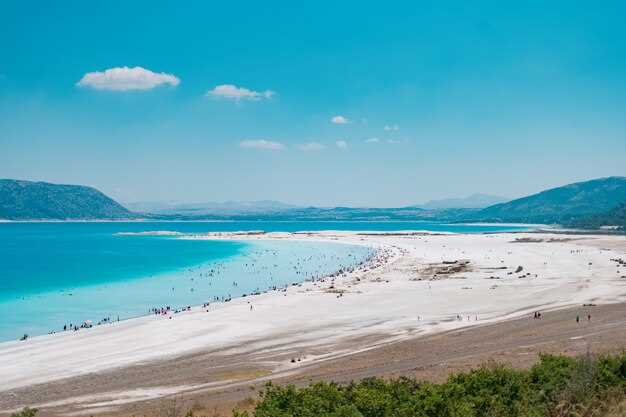 Top 10 White Sand Beaches in Europe – The Ultimate Guide to Europe’s Pristine Shores">

Begin your trip with Praia da Dona Ana in the Algarve, the most reliable starting point for powdery white sand, crystalline water, and quick, coastal access.
Here you will hear the name of beaches chosen for this list, each with dramatic coves, long bays, and sheltered lagoons. The list includes beaches across the Iberian Peninsula, the Balearics, and the Aegean, all chosen for their pristine white sand, crystalline water, and easy access. Expect wide stretches with a generous area for lounging, lively beach bars by the promenade, and pockets of tiny coves where you can escape the crowd. This covers everything you need to plan a perfect day.
For visitors arriving by yacht, several ports along the south coast are welcoming, with shore clubs offering sunbeds and fresh seafood. However, your day can combine a swim, a wind-protected nap, and a stroll along a lively promenade, chasing the glow of the sun as it dips toward the horizon. You witness a dynamic mood shift as beaches move from quiet mornings to festive evenings.
Alternatively, choose a hidden, tiny bay on a peninsula where the water remains calm and the sands unspoiled; these spots are perfect for a relaxed morning before the crowds arrive.
Most of all, this guide includes practical cautions: check sea condition charts, respect local rules about protected dunes, and consider how you plan to move between beaches; if you want a compact route, begin in the Algarve and weave through the south coast, then take a short ferry to a Balearic island, all within a sensible day plan. This is your guide to balance beauty, practicality, and the adventurous joy of Europe’s pristine shores.
Top 10 White Sand Beaches in Europe Overview and Pampelonne Spotlight
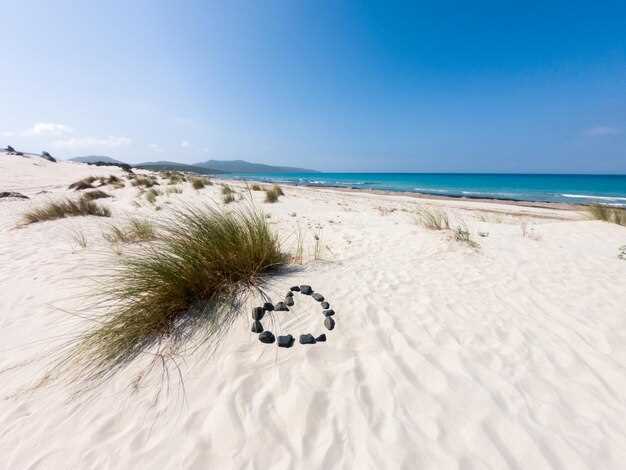
Visit Pampelonne in May or September for the best balance of warm water and lighter crowds, and start your itinerary with Pampelonne Spotlight as the anchor of this coast-to-coast guide.
Pampelonne Beach, Saint-Tropez, France – a 5 km ribbon of powdery white sand lined by pines and chic beach clubs, offering calm mornings and lively afternoons. The ambience shifts with the season, but the view remains iconic: turquoise water that roams the bay and a coastline that welcomes yachts just off the water’s edge. Located on the French Riviera, it’s a natural base for day trips into nearby Cannes or Nice, with easy access by train or car and a steady stream of events that shape the destination.
Barceloneta Beach, Barcelona, Spain – a sun-drenched urban coast where the sand stays clean through peak season and families find quick access from the city center. The stretch starts near the old harbor and runs toward the Olympic Marina, offering nearby parks and bike lanes for a full-day outing. If you’re visiting from barcelona, this is a city beach that blends local life with waterfront ambience, and its proximity to the Gothic Quarter makes it a convenient start for a day by the sea.
Bolonia Beach, Andalucia, Spain – wide golden sands backed by dunes and a Roman bath ruins backdrop, perfect for extended days with kids or a picnic by the sea. The waves are gentle enough for beginners, and the shore offers parking and beachside chiringuitos that provide quick bites after a walk along the edge of the sand. This is a true base for exploring nearby Doñana National Park, with a park-like feel that complements your southern Spain itinerary.
La Barrosa Beach, Cadiz region, Andalucia, Spain – a long, straight coastline that invites stretches of sand across the horizon, ideal for families and long walks at sunset. The water stays shallow enough for little ones and older visitors can enjoy a casual promenade with cafes and shops just behind the dunes. Its location makes it a natural destination for a southern Spain loop, with easy connections to Seville and charming inland towns along the way.
Elafonissi Beach, Crete, Greece – famous for its pale white sands and a shallow lagoon that fans out like a natural islet across the water. The sand is fine and the water remains kids-friendly for much of the season, making it a standout for families seeking a peaceful day trip from Chania or Rethymno. Heres the twist: the pinkish tint from crushed shell fragments adds a subtle glow, while the lagoon eyes the horizon, offering a distinct ambience that keeps guests returning year after year.
Simos Beach, Elafonisos, Peloponnese region, Greece – a white-sand coastline on a tiny island that feels almost private. The islet near the coast creates sheltered pools and a natural harbour where families can set up camp and still watch the ferry traffic. The season here is short but sweet, with great snorkeling and clear water that invites a slow day by the shore, and the tiny islet silhouette makes for memorable photos and a relaxed pace that roams the imagination.
Kaputaş Beach, Kaş region near Kalkan, Turkey – a dramatic cove with bright white sand tucked between towering cliffs and a turquoise throat of water. A steep staircase grants access, then you’re met with a long, narrow strip and a view that makes it worth the climb. This is a destination where beach and canyon meet, and the ambience shifts with the wind, offering a dramatic start to a Turkish coast road trip that can be paired with a longer Lycian route.
Ölüdeniz Beach, Fethiye, Turkey – the Blue Lagoon’s shimmering white shore draws visitors who chase picture-perfect water and a gentle swell. The beach is lined with small cafés and hotel terraces, and the lagoon’s calm water is ideal for paddling with children while the more adventurous choose a paragliding takeoff from the nearby hill. The season delivers lively evenings, and the view of the surrounding peaks crowns a quintessential yacht-friendly destination along Turkey’s Turquoise Coast.
Nissi Beach, Ayia Napa, Cyprus – a broad coast with white sand and shallow, inviting water that’s popular with families during peak season. It’s easy to park and stroll the promenade, and bars and water-sport shops keep the energy high during the day. Cyprus sits at a crossroads of countries and cultures, which adds to the sense of a sunny getaway that works well as a single destination or a larger island-hopping plan along the eastern Mediterranean.
Spiaggia dei Conigli (Rabbit Beach), Lampedusa, Italy – a pristine white-sand pocket at the edge of Europe, reached by a short ferry ride from the mainland. The water stays brilliantly blue, and the beach remains relatively uncrowded outside peak weeks, making this an ideal stop for travelers seeking a quieter Italy-to-Sea experience. The island setting gives a sense of stepping onto an almost private cove, where the lava-tinted cliffs in a nearby coastline add contrast and depth to the horizon.
Elafonisos islet and the Peloponnese coastline offer a powerful pairing of white sand and crystal water, a reminder that Europe’s southern shores blend geography with culture in a way that keeps roams and explorations fresh. This overview weaves a path from the glamour of Saint-Tropez to the rugged coastlines of Greece and Turkey, with a stop in the Iberian Peninsula that highlights Andalucia’s sunny temperament and Barcelona’s urban allure. Each beach presents a distinct scene, yet all share powder-soft sand, clear water, and a season-friendly climate that makes them prime destinations for sun seekers and coast lovers alike, a true testament to Europe’s pristine shores.
1- Navagio Beach, Zakynthos, Greece – how to reach and best viewpoints
Book a morning boat from Zakynthos Town to Navagio Beach to secure a quiet visit before crowds arrive.
Navagio Beach is reachable only by sea. The cove sits beneath towering white cliffs and turquoise water, with the shipwreck visible on the sands. Typical itineraries depart from Zakynthos Town, sometimes from Agios Nikolaos or Porto Vromi; most tours last 2–3 hours and include a stop at the Blue Caves. If the sea is calm, you can also combine the trip with a stop at nearby islets that add a dramatic, scenic edge to the day.
- Getting there
- From Zakynthos Town: join a morning day tour; expect 2–3 hours, price typically around 25–40 EUR per person; boats hop between islets on the way, adding a scenic detour.
- From Porto Vromi or Agios Nikolaos: book a smaller boat or private shuttle; travel time to the cove is roughly 20–40 minutes depending on sea conditions; this route can be calmer and more flexible, with hidden coves along the way.
- On land: use parking and a short shuttle or a 15–20 minute hike to the edge above Navagio; bring pocket cash for the shuttle and any parking fees.
- Best viewpoints
- Lower cliff overlook: a 15–20 minute walk on a rocky path brings you to a classic shot of the shipwreck framed by turquoise water and white cliffs; arrival at dawn or late afternoon reduces crowds; a shuttle from the parking area often runs to the overlook.
- Higher ridge viewpoint: a longer 25–30 minute hike yields a broad panorama of Navagio, islets offshore, and the cove’s curve; best light is golden hour; wear sturdy shoes and carry water.
- Tips for the best experience
- Plan for calm seas for a smoother ride; otherwise the boat may skip Navagio and head to the Blue Caves instead.
- Drink water, wear sunscreen, and bring a hat; keep your camera ready for incredibly turquoise scenes and dramatic cliffs.
- Miss the crowds by visiting at dawn or late afternoon; pocket cash helps for tips and small purchases; you can also combine this with a quick stop in Zakynthos town for a flag photo against the blue sky.
- Calabria’s coast offers a rough parallel for cliff scenery, but Navagio’s turquoise hues and the shipwreck create a unique European highlight.
- Not every European coastline includes a shipwreck cove like Navagio; Navagio stands out as one of Zakynthos’s seven beauties.
- Not to mention, if you’ve seen zlatni Rat in Croatia, Navagio delivers a different kind of beauty with its shipwreck and cliffs–probably the day you remember most.
- Be prepared to stay away from the busiest overlooks by choosing early or late times; then you’ll have room to breathe and better angles for photos.
- Bring a drink or plan to purchase water on the boat; a little refreshment goes a long way during sunny hours on the cliffside.
2- Ses Illetes Beach, Formentera, Spain – ferry tips and sun protection
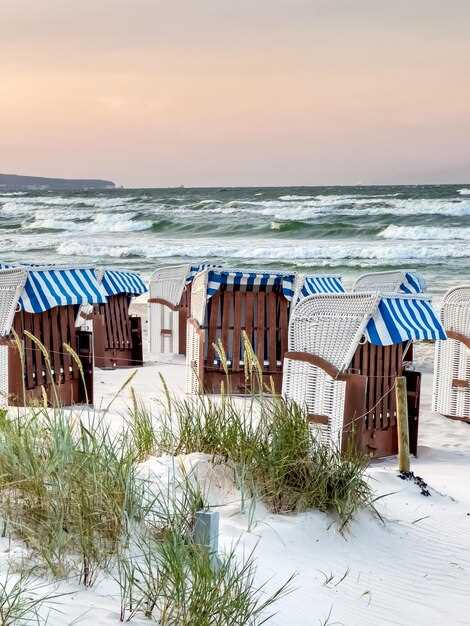
Book the first morning ferry from Ibiza to La Savina and head straight to Ses Illetes before 9:30 to enjoy calm water, easy parking, and a nice vibe. People from many countries visit, but the space remains generous and readable for a relaxed day.
- Ferry options: Balearia and Trasmapi operate Ibiza ⇄ Formentera; journey about 30–40 minutes. One-way fares typically €25–€35; return tickets can be cheaper per leg when bought together. Reserve online to guarantee seats in peak season.
- Timings: summer schedules run roughly 06:00–22:00, with departures every 30–60 minutes. For a day trip, buy a return ticket on the way back to avoid queues.
- From La Savina to the main beach: follow the coastal footpath and trail that overlook shimmering water. It takes 15–25 minutes on foot, 5–10 minutes by bike. A caló tucked behind dunes offers a sheltered spot if you want a quiet pause.
The main stretch is golden, with many pebbles and stones near the waterline. The sea color shifts from turquoise to cobalt, and the vibe feels magical. Mitjaneta lies behind the dunes, a quieter pocket favored by families; toward the far end, the capo lookout offers dramatic sunsets. Cleopatra-like rock formations catch the light, adding a timeless shimmer to photos.
Sun protection plan (heres a tip): bring SPF 50+ sunscreen and reapply every two hours, especially after swimming. Wear a wide-brim hat, UV sunglasses, and a light cover-up. Seek shade under the pine grove behind the dunes or book a sunbed near the service area if you prefer a fixed spot to rest. Sunbeds typically cost around €8–€15 per bed, varying by season and location; check online options with local operators. Stay hydrated with at least 1.5 L of water per person and pack a small bag with lip balm SPF and a quick-dry towel for便利 use.
Author tip: learn a couple of caló names for coves from locals to navigate the coast like a local. author tip: exploring mitjaneta and the caló behind the dunes enriches the whole experience and helps you understand the coastline better.
3- Cala Brandinchi, Sardinia, Italy – access paths and family-friendly zones
Arrive early to secure a parking spot and reach the sandy approach onto the boardwalk without rush.
From the car park, follow the shaded pine path for a short, flat stroll that brings you to Cala Brandinchi’s wide beach. For families, a tandem stroller works well in the woodlands and keeps the kids comfortable as you roll toward the shore; theyre a practical choice for groups who want steady rhythm without lifting heavy loads.
On the left, the calm lagoon creates a round, shallow zone where water barely covers ankles a few meters from shore, perfect for toddlers and new swimmers. In the morning, the water stays transparent; by midday it rises just enough to encourage a quick splash without waves. You might be surprised by how calm the water remains, and you can spot small fish darting near the shore–dreams of a perfect family swim come true here.
The access paths through the pines are clearly signed, with a wooden platform that protects dunes and offers a luxurious, shady approach. You’ll find the main facilities near the parking area: showers, restrooms, and snack stands; seasonal lifeguards ensure safety during peak weeks. Nightlife stays elsewhere; here you can focus on a peaceful day just steps from the sea.
Itinerary idea: pair Cala Brandinchi with Capo Coda Cavallo and La Cinta for a north Sardinian day that stays mellow and family-friendly. corinne might love the tranquil water and the easy, sandy transition, a dream for guests who seek a calm, transparent coastline rather than crowded shores. For wider plans, some travelers even weave Sardinian stops with Calabria’s Tropea or a Maltese detour in their longer itineraries.
Arrive early, spend a full morning here, and then switch to sunlit chaises or a relaxed lunch on the sand. The attraction lies in the contrast between turquoise shallows and white sand, offering a perfect scene for memories that rise in your photos. Theyre comfortable and ready for a day with kids: gentle water, clear visibility, and a setting that feels Sardinian yet luxurious without the price tag of more famous resorts. Compared with southern beaches, Cala Brandinchi tends to be less crowded than you might expect, making it a smarter choice if you want to spend your time pleasantly rather than battling crowds.
4- Spiaggia dei Conigli, Lampedusa, Italy – permit rules and best time to visit
Plan ahead: grab your permit at the Comune di Lampedusa e Linosa or the local natural reserve desk as early as possible to secure access during nesting season.
The beach sits inside a protected reserve, and entry is controlled to protect wildlife and habitat. At the entrance, show a valid ID and pay a small fee. Stay on marked paths, keep voices down, and carry out everything you bring. Dogs, drones, and camping are not allowed, and leaving litter behind is not an option if you want this place to stay emblematic.
Best time to visit: May–June or September–October give you better light, fewer crowds, and warmer water without the peak July–August rush. In summer, the shimmering turquoise water draws more visitors, so consider arriving early to feel the sand without the crowds. Water temperatures typically hover around 21–26°C depending on month, with July and August offering the warmest days.
Getting there and on-site tips: From Lampedusa Airport, take a taxi or bus to the Cala Uccello area, then a cinque-minute walk along a marked path with a few steps that leads onto the sand. The final stretch is not fully stroller-friendly, so bring sturdy footwear. There are no on-site facilities, so bring water, sunscreen, and a bag for trash while you’re leaving.
Wildlife and etiquette: The site is emblematic of the island’s natural heritage and hosts Caretta caretta turtles during nesting season. Respect nesting zones, avoid bright lights after dark, and keep noise to a minimum. There is no lifeguard, and plan to stay within family-friendly zones so everyone can enjoy the coast without disturbance.
Nearby options and planning: If your group includes Kate or istana enthusiasts, combine your day with short visits to Capo and the south coast villages, where houses dot the coastline and paths offer easy viewpoints. A quick comparison with nissi-style beaches helps you gauge crowd levels–this spot tends to feel more peaceful. Leaving in the late afternoon often gives you the best light onto the water, with spargi specks of sun along the shore that feel almost dreamlike for everyone.
| Permit rules | Entry controlled at the reserve gate; show ID; small fee; dogs, drones, camping prohibited; stay on marked paths; carry out all waste. |
| Best time to visit | May–June or September–October; peak crowds in July–August; water ~21–26°C; shimmering light on calm days. |
| Getting there and path | From the airport, taxi to Cala Uccello; cinque-minute walk with steps; onto the sand; not fully stroller-friendly. |
| Facilities and safety | No lifeguards; no on-site toilets; bring water and sunscreen; pack out everything. |
| Wildlife etiquette | Caretta caretta nesting; respect nests; avoid bright lights after dusk; minimize disturbance. |
| Nearby options | Capo Grecale and southern coast villages; istana viewpoints; nissi comparison; family-friendly routes for Kate and friends. |
5- Pampelonne Beach, France – practical access, etiquette, and season timing
Arrive before 9:30 a.m. to secure a public sunbathing spot along Pampelonne’s long shoreline and avoid weekend parking queues during peak season. Pampelonne is a destination that rewards early arrivals with calmer water and a wider strip before the day-trippers arrive, and your day as the protagonist of a sunny coast moment starts here.
From Saint-Tropez port, drive along the D98 toward Ramatuelle and follow signs to Pampelonne; public parking runs along the access roads, opening early and filling by mid-morning. If you havent reserved a club space, bring a mat for a free patch on the sand and walk 5–10 minutes to the water.
Etiquette matters: respect the lines around beach clubs, and avoid occupying reserved sunbeds unless you’ve paid. Children are welcome, but supervise them near water and keep noise down near families; take all trash with you and use bins; if you want shade, choose a club area or bring a portable shelter and move gently along the sand.
Season timing: late May to early September offers sunny days and warm water; peak crowds hit July and August; expect wind from the Mistral in spring and autumn, with azure water that stays clearest in calm mornings.
Practical packing: sunscreen, hat, water bottle, snacks, a towel, and a tiny shade tent are handy; plan for a 2–4 hour stay, then explore calanque-like coves nearby on a short hike; sunbathing is common on Pampelonne, but check local rules on modesty and club access.
Getting around and vibes: if you arrive by ferry into the port of Saint-Tropez, the drive to Pampelonne is short and straightforward; this location carries a legend among beach lovers for its chic yet natural charm, so youre likely to meet curious visitors and regulars alike; you can wander together along the shore or end with a sunset drink at a beach club.
Last note: access winds down after dusk, and plan your return before the last light; if you havent checked the closing times, confirm at your parking area or with your beach club.