


 Português
  English (UK)
  Русский
  العربية
  日本語
日本語  한국어
한국어  Magyar
  Türkçe
  Español
  Čeština
  Svenska
  Ελληνικά
  Suomi
Suomi  Nederlands
  Română
  Italiano
  Français
  Polski
  Українська
  Deutsch
  简体中文
简体中文  Slovenčina
 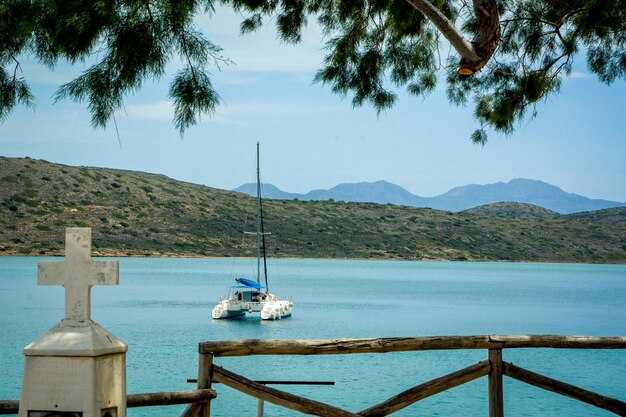 Top 10 Must-Visit Greek Islands by Yacht">

Start your yacht charter in Rhodes and then head north to kalamos and the Cyclades for a balance of ancient sights and modern harbors. This location offers sheltered bays, reliable winds, and short hops between ports, keeping daily legs efficient and the mood upbeat.
From that first anchor, you’ll accumulate wonderful experiences by choosing islands that provide a spectrum of vistas. Each stop presents charming villages, whitewashed alleys, and views of the Aegean coast that fills your days with color and character.
In this custom plan, kalamos offers quiet coves and pine-fringed shores, with easy anchorages that keep the crew relaxed after long sails. Dock near charming ports, savor fresh seafood, and watch the sunset color the horizon.
Rhodes anchors your itinerary with its medieval old town, fortress walls, and sights reachable from well-equipped marinas. From rhodes you can step to Crete, Milos, Santorini, and Corfu, each offering distinct coastlines and views that resonate with sailors.
When choosing the next leg, prioritize provisioning options, sheltered harbors, and reliable weather windows, because predictable winds save time. A balanced plan alternates longer sails with short hops, taking advantage of Crete’s vast marinas, Milos’s dramatic shores, and Corfu’s green coast. This northern location fills days with opportunities for snorkeling, cuisine, and memorable sunsets.
In short, a well-structured yacht itinerary across these islands offers wonderful contrasts, views that linger, and multiple chances to tailor experiences to your crew’s rhythm. By starting in Rhodes and including kalamos as a reliable anchor, you’ll enjoy a seamless arc of sights and tastes that keep every charter fresh and exciting.
Greek Islands by Yacht: 2025 Marina Costs and Top Destinations
Begin with Paros for the best 2025 marina value and sheltered mooring, then map a gentle loop to enjoy the dusk light and idyllic coves.
Prices vary with season, boat size, and harbor type. For a 12–15 m yacht, expect roughly 70–120 EUR per night in April–June and September–October at municipal or smaller ports; peak-season rates in Mykonos, Santorini, and Rhodes commonly range 250–500 EUR per night. Always confirm rates a few weeks ahead, as dock-side figures shift with demand. Incredibly convenient fuel docks and provisioning options exist in several larger ports, helping you plan without delays.
- Paros – mooring typically 70–120 EUR per night; sheltered harbors near Naousa and Parikia provide easy access to charming cafes and markets. Ideal for a calm first night with straightforward provisioning. If you doubt where to begin, Paros is a safe bet.
- Mykonos – peak-season 200–450 EUR per night; Ornos and Tourlos offer reliable shelter, with a buzzing evening atmosphere and spectacular sunsets. Reserve early, especially for July–August.
- Santorini – 250–500 EUR per night during high season; shelter is solid in Vlychada and near Athinios; plan a dusk visit to the caldera towns for iconic views. Consider using a protected cove if you wish to reduce costs.
- Naxos – 90–140 EUR in shoulder months; 150–230 EUR in main marina zones; generally stable rates, good shelter, and easy provisioning. A chance to combine nature breaks with delectable tavernas.
- Milos – 150–260 EUR depending on berth; spectacular coastline, yachts find good shelter in Pollonia or Adamas; check availability in busy times around July.
- Crete (Heraklion or Chania) – 70–170 EUR; municipal marinas offer solid services, cafes, and versatile anchorages; a superb base for island exploration including ancient sites and sheltered bays.
- Rhodes – 90–180 EUR; a mix of protected docks and larger marinas; winds ease in shoulder seasons and ample tavernas invite relaxed evenings.
- Syros, Sifnos, and Folegandros – 80–150 EUR; relatively quieter spots with sheltered moorings, idyllic anchorages, and welcoming villages for nesting experiences and sunset approaches.
- Delos day-trip potential – a short tender ride from Mykonos; temple ruins and archaeological sites provide a cultural anchor before returning to a marina for the night.
This mix of costs and destinations supports a flexible, incredibly rewarding yacht plan for 2025, balancing affordable mooring with spectacular coastal scenery and authentic Greek charm. Look for times when shoulder seasons keep prices friendlier, then linger in coves that feel sheltered yet incredibly picturesque, especially at dusk and in the evenings.
Island-by-Island Mooring Fees in 2025: What to Expect on Each Island
Book municipal berthing wherever possible and lock in a 2-3 month advance for flotillas in peak season; this keeps charges predictable.
Crete: crete’s main ports, including Heraklion and Chania, offer municipal docks with basic pricing around 40-70 EUR per night for mid-size yachts, rising to 90-120 EUR in July–August. Power adds about 5-15 EUR daily, and services at docks remain modest but reliable. Shoulder-season stays run 30-50 EUR per night, and you gain access to jump-off points for samaria and other destinations again, with cleaner water and easier provisioning. For charters, expect a 10-20% surcharge during peak windows, especially if you join a flotilla.
Santorini: caldera-side berthing balances scenery with cost. Municipal docks along the south coast typically run 100-140 EUR per night in peak season, while private marinas near the volcano-hot spots push 180-260 EUR. Expect higher rates if you aim for the premier side near Oia and Fira, and plan at least 2 nights to enjoy the spectacular views and easy side trips to the volcanic formations. Early bookings can save 15-25% compared to the height of summer.
Mykonos: the island commands premium pricing. Municipal berths near the main port average 110-170 EUR per night for mid-size yachts, with private marinas ranging from 210-350 EUR or more in July–August. Weekends and ferries influence availability, so lock in a slot well in advance. If you sail with a charter or flotilla, expect a small surcharge but also tighter access to convenient docks for late arrivals and side trips to near-by destinations.
Paros: Parikia and Naoussa offer more approachable rates. Municipal berthing hovers around 60-100 EUR per night, while private facilities run 120-180 EUR. Shoulder-season pricing can drop by 20-30%, making early June or late September attractive for couples or small flotillas. Paros still provides reliable access to nearby islands and a straightforward point from which to explore the Cyclades.
Naxos: relatively friendly for yachts, with Naxos Town (Chora) offering municipal docks around 40-70 EUR per night and private berths near 80-120 EUR. You’ll find solid value during May and June, with a modest bump in peak season. The island’s broad beaches and clear waters make it a strong base for charters aiming at the nearby smaller islets and nearby watery reefs for underwater adventures.
Ithaca: Vathi and Frikes maintain predictable rates, typically 50-75 EUR per night at municipal docks and 100-130 EUR at select private berths. Early booking pays off, especially for flotillas seeking steady access to the Ithaca side of the Ionian Sea and easy day trips to neighboring destina tions during calm weather. Expect a modest premium for weekend arrivals in July–August.
Corfu: Gouvia and other municipal quays in Corfu Town offer solid value, generally 60-90 EUR per night for mid-size yachts, with private marinas ranging 120-180 EUR. The Ionian side delivers spectacular cruising options, including nearby underwater features and side excursions to historic points on the coast. In peak weeks, private docks rise by roughly 20-30% above municipal rates, so plan accordingly.
Alonissos: Patitiri and nearby ports present strong value, with municipal berthing around 40-70 EUR per night and private facilities around 90-130 EUR. The National Marine Park adds appeal for wildlife lovers, and the calmer seas during shoulder season translate to lighter berthing competition and better access to the chain of little islands in the reserve, making it a practical anchor point for charters and flotillas alike.
Gyaros: this island offers limited formal marina space; expect basic mooring options or temporary berthing with small fees in the 30-60 EUR range when available. Because facilities are sparse, most yachts anchor or berth near the village area or couple into nearby ports on the opposite side of the channel. Plan for flexibility and book early if you intend to include gyaros in a longer itinerary.
Rhodes: Mandraki and other coastal harbors in Rhodes City present municipal rates around 60-100 EUR per night, with private docks at 120-180 EUR and higher in peak season. Given easy access to ancient sites, beaches, and a broad flight and ferry network, Rhodes remains a practical option for those building a longer yacht itinerary across the Dodecanese.
источник
How Greek Marina Bills Are Structured: Components, Taxes, and Payment Terms
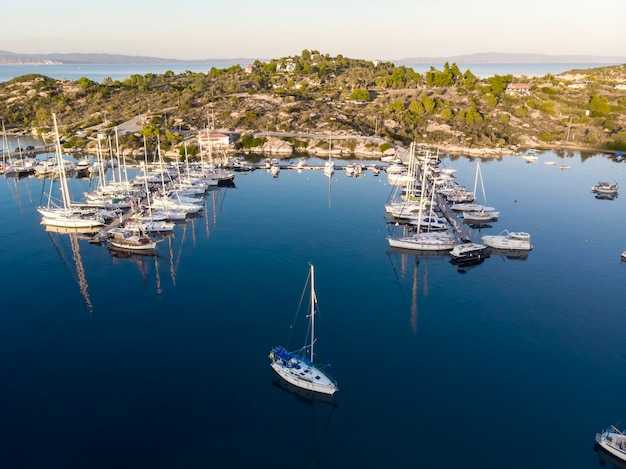
Always request a written, line-item marina bill before docking, and ask for the источник of each charge to avoid surprises. This upfront clarity helps you plan across aegean routes and tourist times, whether you pass ikaria or pace toward the acropolis district in Athens.
A typical marina bill breaks down into berthing fees based on yacht length and stay duration, plus charges for electricity (per kWh), water (per m3), and standard marina services. You’ll see separate lines for security, waste disposal, and general maintenance, with a clear list so you can compare across ports along traditional shores. Keep an eye on whether the rate changes by season, slip type, or power availability, since these affect the total noticeably.
Taxes come as a separate block: VAT on services is added at the standard rate, and some marinas include local municipal or tourist charges during peak visits. The источник of these rules is the Greek Tax Authority, and rates can differ by island and port. Always verify the VAT portion and any extra levies on the receipt before you sign.
Payment terms vary by marina. Some require an upfront deposit or a refundable security hold at check-in; others bill monthly for live-aboards or flotillas. Most marinas accept cards, bank transfers, or cash, with a processing surcharge in busy times. Late payments incur a fine, and due dates are typically tied to departure or the end of the invoiced period. Clarify these details at check-in to prevent pricing surprises.
To manage costs, compare at least three marina options on your chosen island, request a printed, itemized list in advance, and ask about any bundled packages that cover electricity and water. In ikaria or other aegean shores, you may find competitive rates outside the peak season. Packages that include provisioning or laundry can add value for luxury stays, while simple slips keep things straightforward for tourist groups and private charters alike.
Example figures illustrate typical ranges: berthing for a 12 m boat might be €60–€120 per night, electricity €0.40–€0.70 per kWh, and water €2–€5 per m3, with VAT added to service charges. Peak times push totals higher, but some marinas offer discounts for multi-night stays or group flotillas bound for ikaria’s coast. Always confirm exact numbers before signing the receipt.
Secret tip: ask for a multi-night block rate that includes essential utilities, then lock in a fixed daily price for budgeting across routes. A well-organized marina staff can adapt to your itinerary, turning a busy sunshine schedule into a smooth, truly enjoyable stay at sea, with shores, monasteries, and even an acropolis stop all within reach.
Keep the complete list handy and track changes over time so you can compare best options across islands and plan ahead for rainy days or vibrant fiesta times. A well-documented bill helps you manage costs without compromising on the luxury that makes Greek yachting so memorable.
Seasonal Rate Variations: Peak Summer vs Off-Season Across Top Islands
Begin by locking peak-summer rates on marquee islands, then fill your master calendar with shoulder weeks on skiathos, crete, paros, and milos; theres a mix of tranquil anchorages and vibrant villages, and you can keep heat manageable while staying in olive scented air.
To compare efficiently, a simple, human-friendly approach works: track peak vs off-season bareboat and luxury rates by location and marina options. The point is to balance heat and crowding while keeping options easy to arrange; you could test long itineraries and keep costs in check, plus test different patches of breeze in calmer bays. If you doubt the value of off-season sailing, rely on month-by-month data and lists of prices to guide decisions, then begin with a quick table to visualise price differentials across skiathos, santorini, and gyaros.
| Island | Peak Season Bareboat (€ / night) | Off-Season Bareboat (€ / night) | Peak Season Luxury (€ / night) | Off-Season Luxury (€ / night) | Notas |
|---|---|---|---|---|---|
| Santori | €450–€800 | €150–€250 | €1000–€1800 | €450–€700 | colourful cliffs, vibrant marina options, easy port hops |
| Mykonos | €480–€900 | €160–€260 | €1100–€2000 | €500–€750 | busy ports, master calendar needed, luxury charters available |
| Crete | €300–€550 | €110–€200 | €700–€1200 | €350–€550 | varied bays, pine and olive trails, patches of shade |
| Skiathos | €320–€600 | €110–€180 | €800–€1300 | €350–€550 | tranquil coves, colourful harbours, pine forests |
| Rhodes | €340–€600 | €110–€180 | €750–€1300 | €350–€520 | historic villages, ports, olive groves |
| Corfu | €320–€560 | €100–€180 | €700–€1200 | €300–€520 | lush location, family-friendly ports |
| Naxos | €300–€520 | €90–€150 | €650–€1100 | €280–€450 | olive groves, pastoral villages |
| Paros | €320–€540 | €100–€170 | €700–€1200 | €320–€500 | easy day trips, marina clusters |
| Milos | €320–€550 | €90–€160 | €700–€1100 | €320–€480 | calm anchorages, painted villages |
| Gyaros (gyaros) | €230–€400 | €80–€140 | €600–€900 | €250–€400 | less crowded ports, patchy ferry service |
источник
Best Ports for Yachting: Berth Availability, Services, and Access
Start in Koufonisia for a relaxed kickoff: its harbour has limited berths and small quays, so a skippered charter helps secure a place. Given the size of many yachts looking to explore the Cyclades, this first stop stays intimate and uncomplicated. Expect limited services, but enjoy traditional tavernas and the sunny atmosphere that draws relaxation enthusiasts to the island. For a treat, try a local crème brûlée after dinner, then plan your next move with a clear window for sailing days.
Depois, Mykonos e Santorini brilham pela sua popularidade, contudo atracar continua a ser difícil na época alta. Comece a planear com pelo menos 6–12 meses de antecedência; reserve um lugar protegido na marina se o seu tamanho for até 25–30 m, e considere os cais interiores para reduzir a ondulação. As taxas variam consoante o comprimento e a época; espere preços mais altos no ensolarado verão e aos fins de semana, quando as tripulações privadas enchem os cais. Verifique também as restrições sobre a ancoragem perto das rotas dos ferries e siga as instruções da polícia para um acesso seguro aos cais. Para tripulações com skipper, pode evitar o trabalho pesado e manter uma programação tranquila.
Paros e Naxos equilibram multidões com resiliência. O sistema de cais de Parikia e a cidade de Naxos fornecem serviços sólidos: combustível, água, recolha de resíduos, lavandaria e Wi-Fi decente. Os tamanhos dos cais abrangem iates pequenos a médios, com a capacidade a aumentar na época alta. Se planear uma etapa inicial em direção a Koufonisia, estes portos oferecem abastecimento fiável e um preço razoável por metro, além de fácil acesso a tabernas tradicionais e enseadas tranquilas ao longo do caminho.
Creta apresenta-se como um centro robusto para entusiastas da vela. As marinas de Heraklion e Chania ostentam cais generosos e serviços de apoio em terra substanciais, desde estaleiros de reparação a instalações de esgoto e lojas de abastecimento. Conte com lugares de amarração espaçosos que acomodam iates grandes, com taxas diárias que refletem a época do ano e o comprimento do lugar de amarração. Um ponto prático: verifique os canais de entrada e as janelas das marés para garantir um acesso tranquilo. A proximidade a sítios antigos e a paisagens costeiras soalheiras faz de Creta um ponto intermédio lógico, e encontrará janelas de acesso mais flexíveis e menos congestionamento do que nas Cíclades nas épocas intermédias.
Rodes e Corfu expandem as opções para frotas maiores. Mandraki em Rodes e Gouvia perto da cidade de Corfu suportam charters com skipper, com amplo espaço de cais e águas profundas. Aqui, encontrará longos cais retos, concebidos para facilitar as mudanças de rumo, navios de manutenção e serviços em terra, com as restrições típicas a abrandarem fora das semanas de maior afluência. A mistura de praias banhadas pelo sol, muralhas antigas e um cenário local vibrante mantém a popularidade em alta, enquanto a dimensão das marinas ajuda a evitar os estrangulamentos que assolam os portos mais pequenos.
Notas práticas para um itinerário tranquilo: comece com um plano que evite picos sazonais; verifique a disponibilidade de lugares antes da chegada e confirme os horários de acesso junto das autoridades portuárias. Se transportar uma tripulação, uma opção com skipper proporciona frequentemente melhor espaço e preços, especialmente nos portos mais tradicionais. Verifique sempre as políticas de cobrança e restrições de segurança atuais e mantenha um horário flexível para se adaptar às janelas meteorológicas e às verificações policiais que possam afetar as paragens noturnas. Por norma, os melhores dias são os de sol, com ventos de fracos a moderados que se alinham com longas e gratificantes navegações, permitindo-lhe saborear o encanto de cada ilha ao longo do percurso. Para evitar aglomerações, evite as horas de ponta de chegada e parta ao nascer do sol, sempre que possível.
Táticas de Poupança: Reduzir Custos de Amarração Sem Comprometer a Segurança
Comece com um plano prático para favorecer as amarras municipais e portos abrigados ao longo da sua rota. Na Grécia, os portos municipais normalmente praticam tarifas mais baixas do que as marinas privadas, com taxas noturnas que variam habitualmente entre os €25 e os €60 para uma embarcação de 12–15 m, aumentando na época alta. Verifique se a tarifa inclui o abastecimento de água e eletricidade, e negocie um bloco de uma semana se ficar mais tempo. Esta abordagem é especialmente eficaz para quem navega com famílias e uma tripulação maior, uma vez que mantém os custos previsíveis sem comprometer a segurança.
Escolha Meganisi e portos municipais próximos quando os ventos calmos o permitirem, e procure portos que enchem cedo. Estas paragens oferecem espaço amplo, viagens de bote mais curtas e um ambiente agradável e bem protegido para turistas e habitantes locais. O cais municipal em Meganisi oferece frequentemente água potável, sanitários e instalações de resíduos, o que diminui os gastos adicionais em serviços em docas privadas. Se um local de naufrágio próximo atrair mergulhadores, mantenha os barcos afastados das amarrações e siga as diretrizes locais.
Adote uma configuração de amarração personalizada: traga proteção extra contra atrito, use cabos mais longos e mantenha uma estação organizada para gerir enchimentos e cabos. Um alinhamento bem espaçado reduz o risco durante aguaceiros dramáticos, mantendo os arredores mais calmos para as famílias em terra. Use defensas para evitar danos e impedir que os barcos se esfreguem.
Mantenha um ciclo de reavaliação a cada dois dias: compare tarifas, peça descontos para estadias mais longas e solicite um preço fixo para eletricidade e água, sempre que possível. Na prática, reservar por uma ou duas semanas e pagar adiantado geralmente gera um desconto modesto, o que ajuda durante os períodos de entressafra, quando os ventos são variáveis.
Começando com uma costa exuberante e maravilhosa, pode reduzir custos sem sacrificar a segurança, escolhendo paragens únicas que oferecem amplas instalações e acostagem segura em portos municipais e pequenos portos ao longo da rota. Estas opções atendem a famílias e turistas, proporcionando uma experiência agradável com paisagens dramáticas e pores do sol impressionantes. Ao diversificar as estadias e evitar docas privadas lotadas, preserva espaço, mantém os custos de amarração previsíveis e mantém a segurança elevada durante todo o cruzeiro.