


 Português
  English (UK)
  Русский
  العربية
  日本語
日本語  한국어
한국어  Magyar
  Türkçe
  Español
  Čeština
  Svenska
  Ελληνικά
  Suomi
Suomi  Nederlands
  Română
  Italiano
  Français
  Polski
  Українська
  Deutsch
  简体中文
简体中文  Slovenčina
  Top 10 Dicas de Pesca em Mar Aberto para Turistas">

Start with a concrete move: verify the forecast and ocean conditions before boarding, then align with the crew to keep staying comfortable during the first trip.
On the motion of the boat, stay with your group, listen to the captain’s control cues, and keep weight positioned to absorb heavy swells between land and open water.
Spotted dolphin riding the bow wake signal a real omen; treat wildlife with respect, maintain distance, and never chase or lean over the rail.
Pack special gear: breathable layers, sun protection, non-slip footwear, and a compact personal kit; staying hydrated and shaded is a key for comfort during long trips.
Here is a simple benchmark: arrive near dawn, record exactly what youve learned from the crew about rigging and knots, and apply it on the next trips to keep lines steady and reduce fatigue here.
Learn the routine for waste handling, keep hands clean, and never discard line or bait into the water; that approach reduces hazards for the group and preserves the environment.
Between land and open waters, carry a compact flashlight, a light rain shell, and a whistle; in heavy conditions, have a plan to return to port if conditions worsen.
With these cues, youve shaped your own journey and will return with stories that are real and precise; youve learned how to manage motion, weather, and group dynamics on a memorable trip that stays comfortable, again.
Deep Sea Fishing Guide for Tourists: 10 Tips and 8 Fight Techniques
1. Pre-trip gear check: inspect lines and reels; use 60–80 lb test lines with 80–120 lb fluorocarbon leaders; rig 3–4 setups and carry pliers, lure scissors, and a sharp knife to improve readiness; verify line strength so every pull feels controlled.
2. Boat choice and stance: opt for a stable, non-slip deck craft; a peaceful ride keeps balance when strikes arrive and boosts confidence under pressure.
3. Nearest port watch: check the nearest port forecast and watch winds; pick a window with light breeze and modest swells, then stay adaptable on deck there.
4. Week planning: for a longer, week‑long trip, target multiple species to diversify action and build experience across the trip cadence.
5. Bait spread and checking: spread live bait across several lines; checking baits every 20–30 minutes helps adapt to turning feeding zones and keeps action steady.
6. Rig setup: choose a classic trolling spread with a surface lure and a heavy leader; adjusting rigging reduces line tangles and boosts caught fish, while attracting larger creatures.
7. Fighting stance: stand square, feet shoulder-width apart; when a line goes taut, apply true strength with steady shoulder and hip movement, especially as the fight grows longer.
8. Safety and handling: wear a PFD, clip into a harness during long pulls, and keep hands clear of hooks and a possible gaff to prevent accidents there.
9. Release and respect: undersized catches go back quickly; there is reason there are larger specimens that deserve space, so release without delay.
10. Notes for next week: log depth, bait type, first bite time, and every helpful observation; each entry guides the next trip.
Technique 1: Calibrated reel pull: lower the rod tip, lock steady pressure, and drive with legs to keep line control.
Technique 2: Angle management: keep line angle around 30–45 degrees during the initial run to balance load.
Technique 3: Harness use: clip into a belt harness and stand firm as the fight grows longer.
Technique 4: Stop-and-go pumping: short lifts, then a pause to take up slack and tire the target.
Technique 5: Strike timing: when signs of a strike appear, drop the rod tip and reel with even rhythm.
Technique 6: Leader tuning: swap to 100 lb fluorocarbon if a larger creature appears; stay durable against tougher lines and keep tension steady against brushes.
Technique 7: Crew signals: clear calls about line status, tension, and position near the nearest teammate to avoid tangles.
Technique 8: Endgame landing: guide toward the side of the boat, use a net near the waterline, and rotate your body with the pull.
Choose a Licensed Charter with Gear Included
Choose a licensed charter with gear included; starting your outing with ready tackle saves time and avoids last-minute shop runs. The setup should match their waters and the kind of species you expect.
The licensed operator brings a vetted crew and certified safety gear; this can mean faster confidence and fewer delays on the water. The briefing covers basic boat handling, safety checks, and gear care, so you can focus on the moment and the group dynamic.
When gear is included, you can discuss methods with the captain to fit their waters and the target types; pick from types such as light‑spin, trolling, or bottom rigs. In the morning, calmer waves let you watch line motion and see baitfish gather near the bottom, where the bite often arrives. you’ll sometimes see a strong strike followed by a clean hooked pull, proving the setup works. To attract bites, ensure the lures match bottom structure and current direction.
Here is how to vet a service: verify license status, confirm gear included, check vessel capacity, and ask about the crew’s experience with their waters. If something is missing, mention it here and request substitutions from the shop; plan this yourself. A voyager with groups can share lines and keep every cast productive, allowing you to cover more water without crowding.
Keep expectations practical: gear included should offer enough options to handle multiple conditions; confirm back-up reels and spare hooks, and ask about return policy if gear fails. This way you’ll be ready when your line sings strikes and you’re finally hooked, ready to enjoy the ride and the ride home.
Bring or Rent the Right Tackle for Deep-Sea Species
First recommendation: rent an offshore trolling kit consisting of a 6’6″–7′ rod rated 60–100 lb, a 4,000–6,000-size reel, braided main line 50–80 lb, and a fluorocarbon leader 60–100 lb. Use 8–16 oz weights for mid-depth action; carry 20–40 oz weights for deeper zones in strong currents. This setup yields more control, larger hook-ups, and reliable hold when conditions are unpredictable.
- Guide alignment: consult a guide or charter crew to tailor gear to the expected species, which saves time and increases early success.
- Novice approach: renting a complete package from a trusted shop reduces mismatches in line strength and rod action, boosting confidence on debut trips.
- Groups: when groups share gear, ensure ratings match to avoid tangles; confirm each member uses similar main line strength and reel size.
Check internet reviews of rental outlets; seek intel on current stock, spares, and what baits are included or recommended. When selecting baits, prefer natural options that naturally trigger eating responses; squid chunks, sardine pieces, and cut yellowtail tend to perform well, especially during eating windows.
- Fluorocarbon: a leader in the 60–100 lb range stays invisible in clear water, improving hookup rate.
- Weights and rigging: bring a range from 8 oz up to 40 oz; adjust based on depth, current, and target species.
- Backups: carry extra hooks, pliers, and a spare spool; having a back-up reduces downtime between drops.
During retrieval, focus on technique: hold the rod back to load the rod and maintain tension; staying relaxed helps you react quickly when a bite hits. If a fish pulls hard, gather yourself, adjust depth and baits as intel from the guide or crew suggests; adapting tactics leads to more successful fights, increasing chances of landing larger specimens.
Learn Local Regulations, Permits, and Catch Limits
Check local regulations and book the required permits online at the official regulator site. This keeps your landing compliant and avoids penalties when you return to the dock.
Know the types of authorization that cover saltwater voyages: daily angler license, vessel permit, and event-specific passes. Their rules differ by place, so if youre guiding a crew, each participant may need a license and the boat may require captain credentials. Gather documents, then lock them in before you leave the marina.
Catch limits and size thresholds are set by creature types and may shift with seasons. Theyre listed on the official sheet and sometimes behind a warning on the harbor notice. Always check the surface guidelines posted at the pier or on the regulator site; if a species is protected, that creature must be released immediately behind you. Noncompliance can jeopardize your allowed landings and harm their habitat.
Beginner anglers should focus on true limits before dropping into offshore ventures. A smart approach: know the types of saltwater targets, the surface behavior of their creatures, and the rules that protect them. Experienced sailors appreciate better compliance because it preserves the place behind every trip and keeps work with their teams smooth. Keeping to limits is smart and great practice that reduces risk and keeps the sport fair.
Smart record-keeping: log every landing with date, place, types of creatures, size, and count. If youre unsure about a rule, contact the regulator or consult the official page; staying current protects your crew and the resource. Avoid dropping gear into restricted zones and keep your line within allowed areas. When you focus on these steps, your saltwater expedition becomes better aligned with regulations, and the outcomes are quite reliable.
Tempo da Sua Viagem: Marés, Clima e Condições do Mar
Atinja a água 60 minutos antes da maré baixa para aproveitar uma janela de maré morta; as correntes movem-se com movimento constante, aumentando as chances de mordida. Aqui está um guia: permaneça na mesma área por 20–40 minutos, depois flutue com a corrente enquanto sua linha permanece ativa. Onde as correntes eram mais fortes, ajuste a velocidade para manter as iscas deslizando na zona de ataque.
Previsão do vento: dias-alvo com ventos leves a moderados abaixo de 24 km/h; rajadas acima de 32 km/h criam ondulações na superfície que prejudicam a arremessada e o controle da linha. Prefira horários do amanhecer ou do final da tarde quando o vento diminuir. Se a velocidade média do vento prevista aumentar, pule este período.
Condições atuais e ondulações: mire em uma ondulação de curto período com menos de 3 ft ou um ondulação movida pelo vento com menos de 2 ft; uma ondulação de longo período com mais de 4 ft torna a navegação difícil.
Configuração da engrenagem: carretilha de rosto aberto com linha de 60–80 lb; use engrenagens robustas e um par de giradores; posicione uma linha de espera forte; amarre nós confiáveis; mantenha linha sobressalente e anzóis extras atrás da caixa de pesca.
Espécies e iscas: os tipos incluem iscas de jigging, plásticos macios, plugs e poppers de superfície; pescadores iniciantes começam com iscas brilhantes para aumentar a visibilidade; pratique lançando em redemoinhos e costuras de corrente; observe como o comportamento do grupo de golfinhos direciona as escolhas e ajuste-se de acordo; aprenda com os outros observando seus lançamentos e táticas; dicas de moradores locais ajudam.
Segurança e técnica: cada passeio constrói habilidade; reúna-se em grupo para compartilhar tarefas; o aprendizado se acelera quando você observa pescadores experientes; quando uma luta de golfinho aparecer, mantenha a tensão, recolha o fio de forma constante, evite movimentos bruscos; aplicar pressão gradualmente garante uma fisgada limpa.
Plano de viagem: espere 2–5 milhas de deriva, dependendo da corrente; registre as milhas e táticas em um pequeno caderno; mantenha-se atrás do corrimão ao lançar; quando golfinhos se aproximarem, diminua o ritmo, observe a linha e os giradores e ajuste sobre a marcha; uma boa prática constrói confiança e habilidade.
Oito Técnicas de Combate de Peixes de Grande Profundidade para Turistas
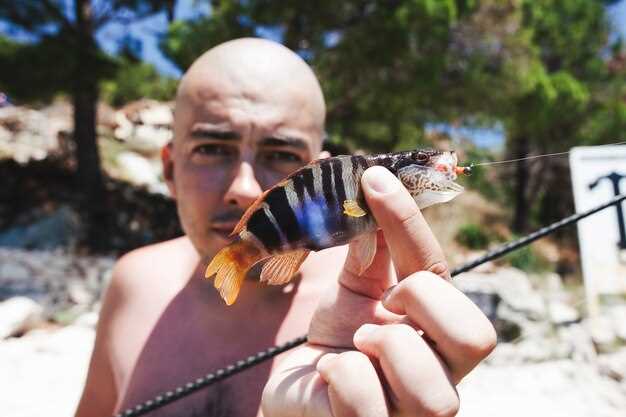
Técnica 1: Resposta de mordida rápida. Defina o arrasto para um nível constante e moderado e recolha a linha no momento em que a mordida acontece. Fique de pé com os pés à largura dos ombros, quadris encaixados na vara e mantenha a linha esticada. Conte com o conhecimento local de muitas viagens quando sentir a puxada, e evite reagir exageradamente a corridas curtas.
Técnica 2: Postura e alavancagem. Plante os pés, dobre os joelhos e incline o corpo em direção à vara para que a curvatura permaneça na área em branco. Esta postura reduz a fadiga em puxadas longas. Escolha roupas com aderência e luvas com forro resistente; vista-se adequadamente para trocas de convés e exposição ao sol.
Técnica 3: Controle de linha e ajuste de arrasto. Mantenha a tensão constante, recolha suavemente para retirar o folga e ajuste o arrasto para corresponder ao tamanho do peixe. Se o carretel começar a chiar, alivie um pouco, mantendo pressão suficiente para impedir que o peixe dê cabeçadas. Evite que a linha escorregue e fique atento às mudanças na dinâmica da mordida.
Técnica 4: Disciplina de ângulo da vara. Mantenha a ponta da vara para cima e a curvatura rasa durante a passada inicial; incline a vara para um arco de 20–40 graus e gire em movimentos curtos e deliberados à medida que o peixe se cansa. Pense sobre a alavancagem e para onde o peixe está indo, não apenas na puxada nos seus braços, e mantenha-se ciente do seu posicionamento para não cair.
Técnica 5: Uso de arnês e equipamento. Para lidar com espécimes maiores, conecte um cinto de luta e, se disponível, uma cadeira; isso reduz a carga dos braços e ombros. Traga o equipamento adequado, incluindo luvas resistentes e um arnês, e prenda-se ao corpo para impulsionar o peso pelas pernas. Essa configuração ajuda quando os capitães sinalizam uma mudança de curso.
Técnica 6: Manuseio da isca e reconhecimento de fisgadas. Ao usar uma isca, cravar o anzol com um estalido rápido do pulso e evitar bombear em excesso. Observe a linha em busca de fisgadas sutis e ajuste seu tempo com base na ação da isca, levando cada movimento em consideração, em vez de apressar. Uma boa abordagem o mantém na caçada e aumenta as chances de uma fisgada sólida quando o alvo morder.
Técnica 7: Consciência do grupo e comunicação com a tripulação. Mantenha-se sincronizado com os outros na vizinhança, especialmente o grupo próximo à proa. Ouça os capitães, siga o curso deles e coordene quando recuar ou ceder a linha. Sinais claros reduzem os emaranhados e melhoram a chance de que cada convidado retorne com um peixe na linha.
Técnica 8: Pouso, liberação e cuidados posteriores. Quando um peixe se aproxima da borda, mude para um levantamento controlado com as pernas, traga a captura a bordo e manuseie com cuidado. Se for para liberar, minimize o contato e deixe o peixe em água salgada apenas brevemente; se for para manter, prepare um plano seguro para abatê-lo e estivá-lo adequadamente. Após a viagem, inspecione suas roupas e equipamentos quanto ao desgaste e ajuste-os para a próxima viagem.