


 Português
  English (UK)
  Русский
  العربية
  日本語
日本語  한국어
한국어  Magyar
  Türkçe
  Español
  Čeština
  Svenska
  Ελληνικά
  Suomi
Suomi  Nederlands
  Română
  Italiano
  Français
  Polski
  Українська
  Deutsch
  简体中文
简体中文  Slovenčina
  St. Lucia Sailing Itinerary – The Ultimate 7-Day Caribbean Yacht Charter Guide">

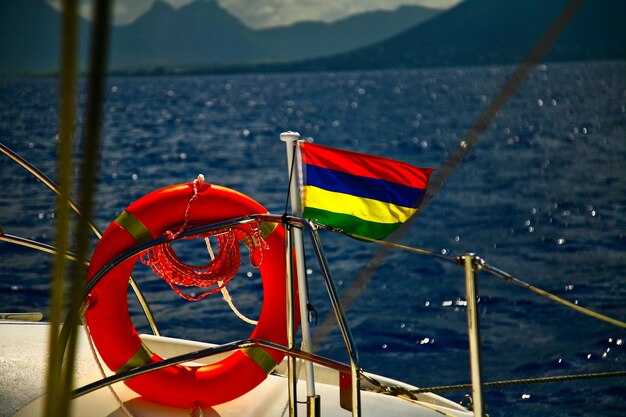
Acomode-se numa semana que combina vento, vinho e refeições à beira-mar: comece em Castries e trace um percurso até aos Pitons, depois faça um circuito até Rodney Bay. Este plano de 7 dias coloca os fretadores entre as melhores ancoragens, equilibrando mares agitados com baías íntimas e um cenário dramático de picos vulcânicos.
O Dia 1 começa na Marina de Castries por volta das 08:30, depois navega-se 18–22 milhas náuticas em direção a Soufrière, parando para fazer snorkeling numa enseada de recife abrigada. Mantenha um cesto de piquenique cheio pronto para um almoço no convés e reserve um formal mesa de jantar no convés enquanto o sol se põe por detrás dos Pitons. Também poderá praticar algumas manobras baseadas em cartas com ventos suaves antes do pôr do sol.
O 2.º dia desliza até Marigot Bay, um paraíso com foco em marinas onde os charterers se misturam entre barcos flutuantes e margens abrigadas. A âncora aguenta bem e pode fazer uma pequena caminhada até um miradouro para uma vista panorâmica sobre as colinas ondulantes. À noite, o chef prepara um menu gourmet com lagosta local e callaloo picante, servido com um pôr do sol no convés.
O dia 3 avança em direção a Pigeon Island, onde uma enseada isolada ladeada de palmeiras convida a um picnic à costa e uma curta remada até uma praia de areia branca. Um pombo solitário descreve círculos à proa enquanto se aproxima da Ilha dos Pombos. A tripulação faz um rápido chart lição para os convidados, enquanto o capitão mantém um controlo firme do leme. Um final de tarde massagem No convés, o dia torna-se mais suave, com o cenário dos Pitons a erguerem-se ao longe.
O dia 4 navega até à área de Soufrière para uma caminhada no topo da montanha acima das Sulphur Springs, regressando depois a uma baía protegida para um gourmet jantar com peixe fresco e banana-da-terra assada. A âncora assenta numa zona calma, permitindo-lhe estudar a dramática ilha. backdrop ao cair da noite.
O dia 5 traça uma viagem de regresso suave ao longo da costa, passando pelas praias de Gros Islet e pelos portos naturais que fazem de Santa Lúcia um verdadeiro parque de diversões para charters de iates. Siga um fota ponto de passagem para uma enseada remota, onde um picnic numa praia de areia fina é o ponto alto da tarde. Ao serão, relaxe com um massagem no convés enquanto as estrelas saem.
O Dia 6 regressa a Castries com uma visita matinal ao mercado e um último mergulho antes de um jantar de despedida fundeado no porto. O Dia 7 oferece um passeio relaxante de veleiro ao nascer do sol ao longo da costa, encerrando o itinerário com um brinde à mesa e um ambiente calmo enquanto as luzes da cidade brilham na água.
Itenerário Dia-a-Dia: La Pointe Marin até Soufrière e Pitons
Comece o Dia 1 a içar âncora em La Pointe Marin ao amanhecer, ajuste as velas e avance por águas calmas em direção à baía de Marigot. Espere 12–18 nós de ventos alísios, um ritmo animado no convés e o alívio de um rumo constante sobre a água. Passe por três pequenas ilhotas a oeste enquanto alarga a vista sobre a linha costeira, depois recolha-se na baía de Marigot para uma breve paragem para se esticar, reembalar o equipamento e desfrutar de um ligeiro petisco a bordo. Se avistar uma zona de mercado ou ruas com montras para espreitar em terra, compre alguns acessórios antes da investida da tarde em direção a Soufrière.
O dia 2 mantém o ritmo em direção à costa sudoeste: mantém o leme firme, atento às trovoadas de chuva que se desfazem em sol, e aponta para o porto abrigado de Soufrière. A elevação dos Pitons no horizonte indica que se está a aproximar do famoso património da ilha e da sua silhueta icónica. Funde perto de Jalousie ou de uma enseada tranquila e partilhe fruta fresca com a tripulação enquanto planeia uma visita a terra ao Jardim Botânico Diamond Falls, um alívio refrescante do calor da tarde.
Dia 1–2: La Pointe Marin – Baía de Marigot – Soufrière
O dia 3 centra-se em explorar Soufrière a partir da água. Descubra as falésias em miniatura e a água cristalina em redor do Petit Piton e do Gros Piton à medida que se aproxima da cidade. De tarde, navegue para uma zona mais calma para uma caminhada na costa e, em seguida, prove uma degustação de rum Neisson num espaço local para compreender a herança agrícola da ilha. Terá direito a uma adorável combinação de paisagens, aromas e ritmo enquanto o sol se inclina em direção à costa oeste.
O dia 4 traz uma abordagem focada aos Pitons. Lance âncora perto de Canaries ou Jalousie para encurtar o tempo de caminhada até à costa, combine uma ascensão guiada se estiver à altura e reserve algum tempo para descobrir a vida marinha ao longo dos recifes. Aproveite a noite para combinar um pequeno passeio pelo jardim ao longo da linha de água e partilhe um jantar fresco com a tripulação, utilizando marisco de uma pesca local para manter o ritmo constante.
Dia 3–7: Soufrière e os Pitons

O dia 5 centra-se nos próprios Pitons. Levantar-se-á cedo para iniciar uma escalada ou uma caminhada guiada, absorvendo a paisagem mundialmente conhecida enquanto os ventos mudam ao longo da costa. Após a subida, regresse ao iate para um relaxamento ao estilo resort e, em seguida, percorra os caminhos arenosos perto da água, onde a brisa refresca a pele e o aroma de ervas perfuma o ar. Se estiver com espírito social, partilhe um brinde simples com a tripulação usando Neisson ou um cocktail de rum leve que adquiriu durante uma visita à costa; faz parte do ritmo em evolução da ilha e da sua cultura acolhedora e calorosa.
O Dia 6 combina um dia mais calmo com um regresso pela linha costeira em direção a Soufrière. Irá passar por uma série de baías suaves, observar o nascer do sol sobre a água e recolher algumas conchas como recordação de um dia passado a mover-se com o mar. À tarde, organize uma curta sessão de snorkeling para observar peixes e corais ao longo da orla, e depois relaxe um pouco a ver montras num porto próximo, enquanto planeia o trecho final de volta a La Pointe Marin.
O Dia 7 fecha o ciclo com um regresso relaxado a La Pointe Marin. Irá passar por marcos familiares, sentir a brisa a acalmar enquanto o motor trabalha a um ritmo constante e terminar com um último banquete a bordo que celebra a sua semana de descoberta, a herança da ilha e as belas memórias que transportou de volta pelas águas. O ritmo da navegação, o aroma da chuva fresca no convés e a visão dos Pitons que se avistam ao longe trazem uma sensação de alívio e satisfação enquanto se prepara para desembarcar.
| Day | Âncora / Parar | Atrações e Atividades | Ventos / Condições | Notas |
|---|---|---|---|---|
| Day 1 | La Pointe Marin → Baía de Marigot | Vistas da costa, três ilhéus, marina da Marigot Bay, fruta fresca, breve passeio pela costa | 12–18 nós, brisa ENE, ondulação ligeira | Ritmo descontraído, velas reduzidas em caso de rajadas. |
| Day 2 | Baía de Marigot → Soufrière | Pitons emergindo no horizonte, zona de Jalousie, chegada a Soufrière, visita ao jardim Diamond Falls | Trocas moderadas, possível aguaceiro breve. | Planeie uma prova de rum (Neisson) depois da visita à costa. |
| Day 3 | Ancoradouro de Soufrière | Vistas do Petit Piton / Gros Piton a partir da água, passeio pelo Jardim Botânico Diamond Falls | Vento fraco a moderado, superfície calma. | Boas opções para ver montras em terra |
| Day 4 | Soufrière → Canárias / zona de Jalousie | Aproximação de Pitons, mergulho com snorkel no recife, passeio noturno pelo jardim | Condições ventosas, 10–20 nós | Prepare-se para caminhada guiada opcional |
| Day 5 | Área de Pitons | Opção de ascensão guiada com pitons, calmaria de final de tarde na praia, apanha de conchas | Wind 12–16 knots, cooler air near cliffs | Neisson tasting if ashore |
| Day 6 | Anse Chastanet / Soufrière harbor | Marine life viewing, Garden stroll, light shore excursion | Moderate winds, smooth water | Fresh accessories for the crew bag |
| Day 7 | Soufrière → La Pointe Marin | Return pass, coastal sights, final feast aboard | Gentle breeze, tapering toward home | Pack, reflect on the rhythm of the voyage |
Anchorages and Mooring Strategy for 7 Days
Anchor on the outer edge of Rodney Bay in 8–12 m of sand, close to Pigeon Island, and use a local mooring if available to minimize bottom disturbance after arrival. After settling, review the anchor hold at first light and adjust if needed; this keeps earth-friendly practice and safety in check while you plan the next hops for travel along the region, with easy access to facilities and a few drinks ashore.
Day 1 – Rodney Bay / Pigeon Island: choose a protected swing anchor or a mooring in the northwest corner of the bay. Depths of 7–12 m work best, with the shore in your right-hand side as you face the open sea. The area offers closer access to small markets, a pearl-white beach, and a laid-back vibe that suits a first-night rest after the passage. Review maps to confirm the wind angle and aim to stay a safe distance from commercial traffic, especially ships entering and leaving the harbor. The nearby grounds feature greenery and views toward the shore where younger crews can scout easy hikes and photo stops.
Day 2 – Marigot Bay: switch to the inner harbor or its dedicated moorings to reduce swing radius in stronger trades. Moorings are ideal here, allowing you to step ashore for fresh bread and light refreshments, then return to the boat for a pearl-colored sunset. Depths of 8–14 m with the swing area toward the channel protect you from residual swell. If you anchor, keep a long anchor rode and avoid the main channel. Additional tip: carry maps that mark the marina facilities, fuel stops, and a nearby rum factory for a short cultural stop. The bay’s authentic charm and the smaller village atmosphere make it easy to unwind after a busy morning at sea.
Day 3 – Soufrière Bay (Gros Piton coast): prefer moorings offered by local operators to keep the bottom undisturbed and to maximize wind protection from the slopes of the Pitons. If you drop anchor, choose 12–18 m in clear sand away from coral heads and keep a watch for the wash from passing ships. The views of the piton slopes are stunning at dawn and dusk, with white sands and lush greenery framing the silhouettes. In the evening, venture ashore for a quick review of local facilities and a stroll along the shore road to catch a pearl sunset over the water. A short visit to a nearby craft shop or factory-style workshop can give you a taste of authentic island craft without leaving the coast.
Day 4 – Anse Chastanet / Anse Mamin area: anchor in 15 m on the lee side of the bay or pick a mooring if available to avoid seabed disturbance near the reef edge. The sheltered waters offer calm rest and have dramatic views of the green slopes above. If you anchor, keep well clear of the channel and watch for traffic from nearby resorts and tour boats. After your shore excursion, enjoy a few local drinks and observe the laid-back pace of a smaller fishing or tourist village. The region rewards with authentic encounters and opportunities to chat with friendly people about their island life and history.
Day 5 – Laborie Bay / southern approach: Laborie delivers a quieter, authentic experience away from the main routes. Anchor in 8–14 m or secure a shallow mooring if available, and stay off the seagrass beds. This is a great spot to rest midweek, with close access to a small quay, a couple of cafés, and a local rum factory for a tasting. The greenery rises behind the shore, and the views across the bay feel more intimate and rustic. Use a careful approach, especially if spring tides bring slight changes in depth and current direction. If the winds shift, consider an early move to a nearby deeper cove to maintain an undisturbed night on deck.
Day 6 – Savannes Bay / southern coast option: this area offers a more offbeat anchor or mooring with fewer crowds, ideal for an additional day of exploration. Anchor in 9–16 m of sand or use a mooring to keep the ground calm and free from churn. The coast features white beaches and uninterrupted greenery, with a laid-back community and small facilities ashore. Plan a short hike along the shore to enjoy fresh air and views of the open sea. This stop lets you focus on rest and reflection before the final leg back to the north coast.
Day 7 – Return to Rodney Bay: end with a protected spot in the northwest corner of the bay or near Pigeon Island on 6–10 m, giving you a quick exit for formalities in the morning. Do a final anchor check, tie off securely, and set lines for a captain’s review of the week’s holds and travel logs. Use the chance to revisit your maps and note favorite spots, then prepare for shore leave with friends and crew who shared the journey. The trip wraps with a calm night, a few white sails in the distance, and a sense of achievement from a week of authentic island travel and good company.
Key notes for the week:
- Keep closest to the shore for protection during the night; monitor spring tides and wind shifts for the safest approach.
- Prefer moorings in busy bays to reduce impact on reefs and seagrass habitats; always review anchor holds after settling in.
- Always factor in earth-friendly practices: minimize anchor drag, collect waste, and avoid disturbing wildlife and local fisheries.
- Plan shore visits around maps and local facilities to maximize rest time and social interaction with people who embody the region’s laid-back, authentic charm.
- Watch for ships in busy routes and stay alert to fishing boats and local ferries that share the same waters.
- Carry a small supply of drinks and snacks for the crew during longer passages, and keep a pearl of a sunset as a reward after a productive day.
Marina Le Marin Practicalities: Check-In, Fees, and Facilities
Check-in by 14:00 at the marina office; bring boat registration, captain’s license, proof of insurance, and a current crew list. Pierre, the dockmaster, will meet you at the harbor entrance and guide you to a comfortable berth toward the waterfront facing the main quay. If you arrive after hours, call ahead to arrange a late check-in and access to power connections and fresh water.
Arrivals aboard a yacht should anticipate a short initial walk from the pier to the reception, then a quick safety briefing on mooring procedures, waste management, and access to toilets. The shore area offers convenient paths to the beachfront, as well as a handy collage of services within a few minutes’ stroll, including markets, a boulangerie, and a small auberge for a quick bite after your day of sightseeings.
For night arrivals, security staff patrol the terminal and marina gates, ensuring safe access to your slip; the night shift can assist with berthing and power hookups. If you plan to visit nearby islets, set a morning departure so you can return before dusk and enjoy a sunset stroll along the pier and along the shoreline.
The waterfront vicinity features varied venues: a few cafes and markets where you can pick up fresh fruits and local snacks, plus flowers displayed along the quay to brighten the mood after your sail. A short walk toward the shore reveals additional attractions and a nearby auberge offering simple, comfortable lodging if you’re continuing your journey the next day.
Check-In Process
Recommended to complete registration before 15:00 to avoid delays; present crew manifests, vessel documents, and insurance certificates. If you’re traveling with guests, note their names at the desk to remove bottlenecks during the check-in sequence and ensure access to password-protected WiFi in the guest lounge.
Fees and Facilities
Dockage rates typically range per meter of LOA per night; electricity is metered at a modest surcharge per kWh, and fresh water is billed per use. Expect a small security deposit on arrival, refundable after checkout inspection. Basic services include clean toilets and hot showers, with optional laundry facilities and pump-out services available by appointment. WiFi access is offered at modest daily or multi-day rates, and fuel can be arranged at the adjacent quay for quick top-ups before heading toward your next destination.
Facilities near the marina cover all essentials: a seaworthy shore area for prep and maintenance, a few steps from the beachfront for post-sail relaxation, and several venues where you can visit markets and sample local fruits. If you’re planning a short visit to islets in the bay, map a route that keeps you on the main harbor path and centers on sightseeing highlights, such as the promenade, nearby auberges, and the small park with bursts of flowers along the quay. Five minutes’ walk from the dock, a Pierre-led mini-tour can showcase the best spots for a night cap and stroll toward the harbor’s edge.
Provisioning for a Week: Stores, Budget, and Onboard Food Plan
Stock pantry staples before departure from Castries, then top up fresh produce at markets near saint-louis after you cast off; the reason keeps meals reliable and reduces churn on board as you cruise seaward across the seas.
For a seven-day charter for two, target a base grocery budget of 480–780 USD. Plan 90–120 USD for produce, 120–180 USD for proteins, 40–60 USD for dairy and staples, 60–120 USD for drinks and beverages, and 80–160 USD for non-perishables and snacks. If you add wine or local spirits, add 60–180 USD more. This generally keeps you well supplied while preserving traditional flavors and quick meal options, without breaking the bank.
Provisions to support a balanced week include: eggs 2 dozen, milk 2–3 liters, bread 2–3 loaves, chicken breasts 3–4 pounds, fresh fish or shrimp 2–3 pounds, rice 2–3 kg, pasta 1–2 kg, canned beans 4–6 cans, canned tomatoes 4 cans, olive oil 1 liter, butter 1 pound, yogurt 4 cups, oats or cereal for 7 breakfasts, fresh fruit 4–6 kg (mango, banana, papaya, pineapple), leafy greens and vegetables 3–4 kg, snacks like crackers or nuts, and a spice set for traditional Caribbean dishes. Reserve 6–8 cases of water and 12–24 cans of beer or 2–4 bottles of wine for relaxed sunbathing sessions.
Onboard meals plan: breakfasts lean on eggs, yogurt, oats, and fruit; lunches use wraps or salads with leftovers; dinners rotate between grilled fish with vegetables, chicken curry, pasta with sauce, and vegetarian stews to keep flavor interesting. Use a sturdy lining in the cooler and vacuum-sealed containers to extend freshness, then label items with dates for quick rotation–this makes the galley feel organized rather than chaotic during long passages.
Procurement strategy centers on Castries for bulk items and soufrière-area markets for native produce. Massy Stores and PriceSmart cover most staples, while local markets offer greens, plantains, Callaloo, and tropical fruits. Use maps to plan rests at popular attractions and refuelings along the seaward route; tag anchorages with admiralty charts so you can shop without drifting off course. This approach makes your saint-louis charter feel like a wonderland on calm balmy days, with tranquility along the coast and opportunities for sunbathing between stops.
During hurricane season, favor shelf-stable items, frozen proteins, and quick meals. Keep perishables in the cooler with ample lining, and plan to adjust menus if wind ticks up or a storm warning appears. Quick restocks at sheltered harbors let you keep the chiller inventory healthy without risking the seas or your morale.
Must-Do Shore Excursions and Scenic Highlights
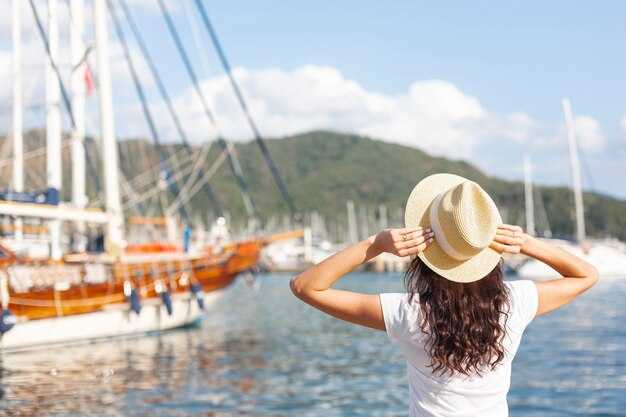
Begin with a half-day Soufrière shore excursion that typically runs 3–4 hours and pairs Tet Paul Nature Trail viewpoints with a Diamond Falls stop and a tropical picnic. Your catamaran will moor at a designated pier, and guide pierre leads a gentle ascent up the slopes to viewpoints reaching across the windward coast toward the twin Pitons. The basic picnic basket purchased on board features fresh fruit and local bread for golden-hour bites that feel comfortable and easy.
Next, head to Pigeon Island National Landmark for a 40–60 minute loop along designated trails, past fascinating fortress ruins, with a picturesque panorama over Rodney Bay. The winds offshore keep the sea lively and the air refreshing, and the built paths are constructed to be easy and accessible. Within this short stop you can capture dramatic angles over the turquoise water and avoid delays that squash time.
Finish with a Castries market stroll to experience everyday life within a few blocks of the harbor. Sample roasted coffee, local pastries, and spice blends, and purchase a few locally made keepsakes–shawls, baskets, and rum-soaked fruits–so your souvenirs are authentic. This compact stop is comfortable and satisfying, tying your morning into a friendly taste of St. Lucia’s culture.
Practical tips: book shore excursions in advance, wear comfortable shoes, bring sun protection and water, and choose a sequence that keeps you within the cruise’s time window. For a smoother day, aim to combine activities in a way that you reach the ship with time to spare before departure.