


 Português
  English (UK)
  Русский
  العربية
  日本語
日本語  한국어
한국어  Magyar
  Türkçe
  Español
  Čeština
  Svenska
  Ελληνικά
  Suomi
Suomi  Nederlands
  Română
  Italiano
  Français
  Polski
  Українська
  Deutsch
  简体中文
简体中文  Slovenčina
 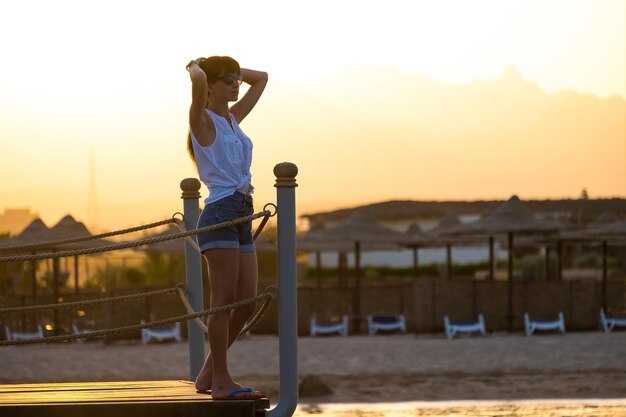 Sport in the Heat – Safe, Effective Exercise in Hot Weather">

Recommendation: Schedule workouts for the coolest parts of the day and cap continuous sessions at 20–30 minutes until you show consistent heat adaptation. Start early, monitor the heat index, and keep fluids ready to support your core during training.
Definition: Heat acclimation is the body’s adaptive process that improves sweating efficiency, lowers resting heart rate, and stabilizes core temperature during hot workouts. It requires progressive exposure: start with 1–2 sessions per day for 5–7 days, then add 1 session per week, and avoid back-to-back heavy days until tolerance grows.
Hydration strategy: drink 0.4–0.8 liters per hour of exercise in hot weather, with electrolytes if you sweat heavily. Use water breaks every 10–15 minutes and watch the color of urine; pale straw color indicates balance. This helps prevent harmful dehydration and reduces risk of heat-related issues and burns on exposed skin.
Choose workouts that respect heat: mix low- and moderate-intensity efforts, and prefer softer surfaces like sand or grass when possible to minimize impact. On street and concrete, keep tempo moderate to protect joints. Jump drills should be light or replaced with stepping moves when heat is high, because high heat can magnify fatigue and risk of injury. Wear breathable footwear and light socks to reduce heat buildup and wear on the feet.
Wear sun-protective clothing, a wide-brim hat, sunglasses, and sunscreen with SPF 30+. Reapply after swimming or heavy sweating. Choose breathable fabrics, avoid cotton, and adjust layers to keep skin cool. This protects against harmful UV exposure and reduces burns on exposed skin.
Recovery plan includes cooling down: gradually decrease pace and move to shade; use cold towels or a fan to bring temperature down, then stretch. Prioritize sleep by keeping your bedroom cool (18–20°C or 65–68°F) and maintaining a consistent bedtime. Good sleep is a complement to your training plan and makes recovery more efficient.
Some activities demand extra care: kitesurfing and street workouts near traffic expose you to sun, wind, and hot surfaces. They require continuous hydration and sun protection to avoid harmful heat load. The main goal is to keep your core temperature in check during the session and to use shade, water breaks, and lighter pacing when heat spikes.
Bottom line: the advantages of training in heat come from better heat tolerance and more resilient fat metabolism, but only if you respect safety thresholds. If heat index rises into high ranges, consider indoor options or split sessions into two cooler blocks rather than one long workout. This approach keeps you strong, avoids excessive fatigue, and supports long-term performance.
Sport in the Heat: Safe Exercise in Hot Weather
Limit continuous outdoor workouts to 30–45 minutes when the heat index rises above 28°C, and insert 3–5 minute cooling breaks in shade or indoors every 15 minutes.
Hydration matters: aim for 400–800 ml per hour during activity, with electrolyte drinks for sessions over 60 minutes. If you sweat heavily, add 300–700 mg of sodium per liter of fluid and monitor urine color as a simple sign of adequacy. This approach makes safe training possible for beginners.
Schedule workouts in cooler windows: early morning or late evening, and use shade, wind, misting fans, or water sprays to help body temperature drop between sets. For safety, avoid workouts when the heat index exceeds 32–34°C or when you feel dizzy, nauseated, or unsteady.
Keep the intensity in a safe range: use a target of 50–70% of max heart rate or an RPE of 4–6/10, adjusting on humid days. In team sessions, match the pace to the slowest member to prevent overexertion and to maximize improvements with a well-paced approach and a positive effect on fitness.
Incorporate engaging actions that fit the background and environment: kayaking or leisure cycling along shaded routes, or a kcalcycling interval plan that alternates 2–3 minutes at a steady pace with 1–2 minutes easy spin. Total session time stays under 60 minutes for most days and aligns with your experience level.
Strength and mobility can help prevent injury: a bodyweight circuit targeting glutes and core–3 rounds of 12 reps each, including squats, lunges, glute bridges, planks 30–45 seconds, and push-ups. Add 5 minutes of mobility work after cooling down.
Recovery supports improvements: a light massage or self-myofascial release, plus adequate protein and carbohydrates in the next meal help muscles adapt. For best results, aim for 7–9 hours of sleep and maintain a consistent background routine that gradually adapts to heat exposure.
Signs of heat distress require action: stop, move to shade, sip water or an electrolyte drink, and seek medical help if confusion, chest pain, or fainting occurs. Keep a buddy system in team settings to monitor teammates closely, and discuss timing about upcoming sessions to stay well prepared.
Before heat work, use a 5–10 minute warm-up in a cooler area to prepare the body and reduce injury risk. With careful timing and progression, you continue to improve and achieve main goals, while keeping the experience engaging and safe in hot weather.
6 Beach Workout Ideas To Try This Summer
Do a 20-minute beach circuit today: 3 rounds of sprinting 40m on soft sand, 20 walking lunges per leg, and 60 seconds of continuous swims or treading water. Pack a small snack for after and hydrate between rounds; sand raises body temperature and sweating, so pace accordingly. This routine builds legs, boosts aerobic capacity, and is ideal for both beginners and seasoned athletes because you can adjust rest to make it easier or harder, depending on your capacity. therefore, you can tailor it to your needs and still hit your goals.
Idea 2: Ladder sprints along the dry sand. Set two markers 10m apart and perform 8–12 sprints with 15–20 seconds rest, turning at each marker. This turn-based approach spikes heart rate quickly, trains acceleration, and provides a clear target to chase in every round.
Idea 3: Beach leg-builder circuit. Do 3 rounds of 12 walking lunges per leg along the waterline, 10 step-ups on a stable bench, and 8 side shuffles across a short strip of soft sand. Focus on controlled tempo to protect joints, and you’ll build strength, balance, and power to support everyday activities.
Idea 4: Group relay and goals. In a 4–6 person group, run a 200m loop with short handoffs in a relay. This lets you match pace with teammates, keeps motivation high, and aligns effort with your goals. It’s a fun way to train endurance, teamwork, and accountability in the heat.
Idea 5: Water-resistance circuit. In shallow water, perform 8 deep-water kicks per leg, 60 seconds of treading, and 60 seconds of flutter kicks. Currents and waves add natural resistance, boosting intensity without heavy joint impact. This approach elevates heart rate, improves circulation, and supports vessels by enhancing blood flow and cooling capacity.
Idea 6: Ideal cooldown and recovery. Finish with a 5–7 minute walk along the shoreline followed by mobility work: ankle circles, hip openers, and calf stretches. This cooldown suits hot days, aids faster recovery, and keeps your average pace sustainable for future sessions. The setup stays perfect for a small or large group and lets you tailor intensity to your goals while preserving form and safety.
Sand Sprint Intervals
Start with a 10-minute warm-up outside, then perform 6 x 30-second sand sprints at near-max effort with 60 seconds of walk-back recovery.
Surface and safety: choose damp, firm sand if possible to maintain pace and reduce ankle wobble. Hydrate before and after, especially in warm evenings, and adjust the effort to stay safe if heat rises. Keep your form solid and listen to your body; stop if you feel dizzy or overheated.
Workout format
- Duration: 25–40 minutes total, including warm-up and cool-down.
- Type: 6–8 repeats of 30–40 seconds, aiming for hard effort; rest 60–90 seconds. If needed, you can shorten the sprint to 20–30 seconds initially and increase gradually.
- Progression: gradually extend the sprint by 5 seconds or add one additional repetition every 2 weeks, while keeping rest steady.
- Form cues: quick turnover, feet under hips, light landings, shoulders relaxed, core braced.
- Hydration and heat: sip water during rests and consider electrolytes if you sweat heavily; prefer evening sessions to lower heat stress.
Safety and pacing tips
- Monitor your heart rate and perceived effort; target 85–95% of max during sprints, but reduce if you feel overheated.
- Finish with a 5–10 minute easy cooldown and light stretches for calves, hamstrings, and glutes.
- Incorporate a balanced week: 2–3 sand sprint sessions plus 1–2 cross-training days such as kayaking or other low-impact outdoor activity.
What to track
- Sessions and availability: 2–3 weekly; if weather or energy flags, scale back but continue consistency.
- Sprint duration, rest, and how you perform the cue work; note burn level and how your form holds under fatigue.
- Recovery indicators: sleep, hydration, and fatigue between sessions; aim to reduce residual tiredness before the next hard day.
Whats available for most athletes: a simple, safe plan that keeps you outside, emphasizes sound form, and lets you continue to progress. Just start with the basic template, then progressively push harder only when you feel ready. Evening sessions offer cooler conditions, and when you’re up for variety, kayaking provides a balanced, lower-impact option on lighter days to stay active and maintain your overall fitness.
Lateral Shuffles and Broad Jumps on Sand
Begin with a 5-minute warm-up walk on the sand to establish surface feel, then perform 3×6-8 lateral shuffles per side and 3×4-6 broad jumps. Rest 60-90 seconds between sets to keep pace controlled and sweating manageable in heat. This real plan builds glutes and lower-leg strength while preserving form on a forgiving surface.
Definition: Lateral shuffles are rapid side-to-side movements that require quick foot turnover and hip stabilization. In broad jumps, you explode forward from a short run and land softly. This movement sequence trains balance and bodyweight control, especially when performed on sand.
For lateral shuffles, stand with feet hip-width apart, knees slightly bent, and torso tall. Take 2-3 short steps to each side, keeping toes forward and foot contact light, then reverse direction. Maintain a steady rhythm, pause between shifts to avoid overstriding, and breathe evenly. Between reps, walk back to the starting line to reset.
For broad jumps, set a starting line about 6-12 inches behind a marker. Swing the arms, drive through the mid-foot, and land softly with knees flexed to absorb impact. On sand, expect 15-30% shorter distance than firm ground. Focus on a strong glutes push-off and a braced core to protect the back. Look forward, and land in a shallow squat before stepping back to the start.
Programming and progression: aim for 2-3 sessions per week in hot weather. Pair these drills with cycling or walking on alternate days to keep movement balanced. If you’re tired, reduce the volume or intensity and progress gradually. For beginners, start with 2×4-6 reps per drill and advance to 3×6-8 over 4-6 weeks. When exercised consistently, you notice faster improvement in foot speed and coordination across the world.
Safety and heat management: stay hydrated and train in the cooler morning hours when possible. Wear light fabrics and sun protection, and stop if dizziness or unusual fatigue appears. Sand heats quickly; use moisture-wicking shoes or go barefoot only on clean, dry sections to minimize injury risk. This approach reduces risk of overheating while preserving form and relief from heavy sweating.
Common mistakes include leaning forward, letting knees cave inward, or planting the feet too far apart. Keep the movement between the hips and the ankles controlled; use a balanced stance and avoid over-rotation. After finishing, perform a short walking cooldown and a few gentle stretches to help the bodyweight adapt and prevent soreness the next day.
Start with 3 rounds of 45 seconds per station: Beach push-ups, Squats, and Planks, with a 15-second transition between moves. The session lasts about 18 minutes and fits neatly after a swim in the ocean or a stroll along the beach on a warm day.
Beach push-ups on sand demand solid form. Your core stays tight to protect your back. Position hands shoulder-width apart, fingers forward, and keep your hips level. Inhale as you lower, exhale to press up; if the sand makes toes slip, switch to push-ups on your knees while you build strength.
Squats on the sand challenge stabilizers. Stand with feet shoulder-width, toes slightly out, chest up, and weight centered on your heels. Descend to about 90 degrees, then rise with control, maintaining a neutral spine. On uneven sand, pause briefly at the bottom to regain balance before rising.
Planks train trunk stability. Forearm plank with elbows under shoulders, body in a straight line from head to heels. If needed, drop to a knee variation or switch to a side plank for oblique work. Aim for 30–40 seconds per set, progressing by 5–10 seconds as you gain control.
Options to boost intensity: swap one station per round for burpees with a jump at the top, or perform push-ups from a raised surface to increase range of motion. Maintain steady breathing and a rhythm that fits the heat; plan increments if you feel this is achievable.
Hydration and heat safety: hydrate with water or an electrolyte drink before and during the session; sip 200–300 ml every 15 minutes and seek shade breaks when the sun peaks. A refreshing sea breeze and a light walk between rounds help keep your mind clear and prevent harmful fatigue.
Pacing with kcalcycling: this is a classic beach circuit for hot days. Alternate days with higher effort and lower effort to balance energy. For example Day A uses 60 seconds per station with 15 seconds rest; Day B uses 30–40 seconds per station with 20 seconds rest. Track content such as reps and hold times to see possible improvements across weeks.
Recovery and cooldown: finish with a 5-minute walk along the shore, followed by gentle calves and hip stretches. Use the ocean breeze to reset your mind and leave the beach feeling refreshed.
This plan suits people who enjoy the beach, windsurfing, or other ocean activities. It pairs well with a short swim and a light stretch after the session.
Improvements and tracking: keep a simple log of date, rounds completed, push-ups, squats, and plank hold times; aim to add 5–10 seconds to a plank or 1–2 extra push-ups each week, and note best ways to breathe through the heat. The content helps you refine form and pacing while staying mindful of the sea and sand.
Shoreline Tempo Walks and Short Breaks
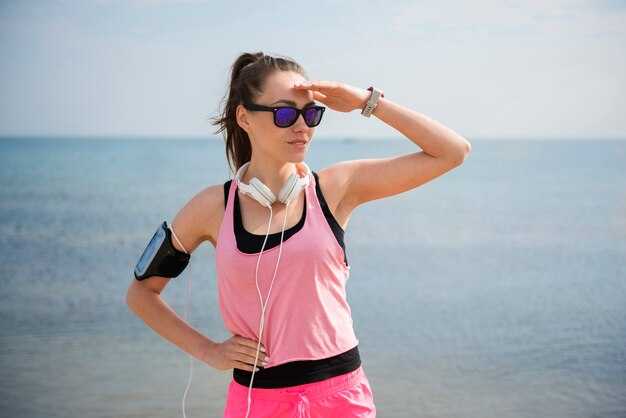
Begin with a 12- to 15-minute shoreline tempo walk along the water, then take a 3- to 5-minute restorative pause by the dunes. Repeat this cycle twice to build a balanced session that stays cool and manageable. In hot conditions, keep pace modest and seek shade when possible.
Key elements for outdoors sessions: hydrate with about 200–250 ml of water before you start, and sip every 15–20 minutes during the walk. If heat is intense, add electrolytes and adjust the cycle length accordingly.
During each block, focus on body alignment: shoulders relaxed, chin level, midfoot contact; avoid overstriding; let arms swing with the natural tempo.
Breaks offer a chance to recover: choose shaded spots, stretch calves and hamstrings, and practice slow breathing to lower the resting rate before resuming.
Bike option: consider electric-assisted bikes as a low-stress alternative to keep the pace, but set the assist at a light level to maintain the shoreline tempo and prevent fatigue.
Weather considerations: schedule sessions in the cooler part of the day, wear sunscreen and a wide-brim hat, and take a small towel to wipe sweat.
Recovery after the walk includes a small bite of fruit, yogurt, or nuts, helping replete energy without overloading the stomach.
Tracking progress helps you tailor future trips: record distance and total time, plus how you feel at the end, then adjust time blocks and pacing for next visits.