


 Português
  English (UK)
  Русский
  العربية
  日本語
日本語  한국어
한국어  Magyar
  Türkçe
  Español
  Čeština
  Svenska
  Ελληνικά
  Suomi
Suomi  Nederlands
  Română
  Italiano
  Français
  Polski
  Українська
  Deutsch
  简体中文
简体中文  Slovenčina
 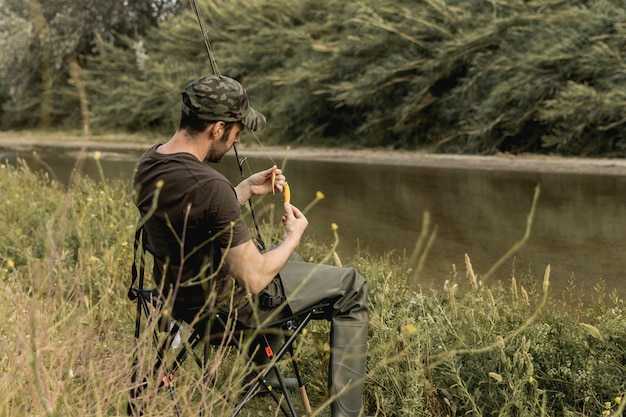 Spinning vs Casting – How to Pick the Right Fishing Reel">

Para montagens em terra com amostras mais pesadas, um carretilha de lançamento dá-lhe um arrasto incorporado e uma sensibilidade que ajuda a controlar a amostra através de lançamentos mais longos e precisos. A combinação de um carreto forte, manivela robusta e engrenagens suaves proporciona mais potência para parar uma amostra pesada, e vai dar por si a trabalhar perto de estruturas ou ao longo de ondulações causadas pelo vento com resultados consistentes. Se planeia lançar jigs pesados ou grandes swimbaits, esta configuração oferece resultados fiáveis, working performance para aquelas aproximações longas e bolsos fundos.
Se os seus alvos forem mais pequenos e valorizar um equipamento mais leve, good sensação e uma rápida curva de aprendizagem, uma qualidade carreto de spinning é o ideal. O design de carretel fixo oferece sensibilidade imediata e um ajuste mais fácil para toques subtis. Para sessões em terra com jigs leves, amostras de vinil ou amostras de superfície, o equipamento de spinning oferece lançamentos mais longos e suaves e menos fadiga no pulso, permitindo pescar o dia todo.
Considerar estes questions antes de escolher: where vai lançar mais frequentemente, quais os pesos que vai usar e o que skills queres construir primeiro. Aqueles que planeiam emparelhar múltiplos carretos de casting com uma única cana pode otimizar a escolha da linha para controlo, enquanto os pescadores que procuram finesse podem preferir equipamento de spinning mais leve. Se inclinares para trabalho com amostras mais pesadas, combina uma cana média-pesada com um carreto construído para aguentar linha de 12–20 lb e uma fricção precisa e previsível. Para trabalho mais leve, ultraleve, opta por equipamento mais leve com linha de 6–12 lb e um recolhimento rápido e responsivo. E pensa no combo De cana, carrete e linha – encontrar o equilíbrio certo é tão importante quanto o próprio carrete.
Para otimizar a sensibilidade, teste a fricção com uma amostra com peso e verifique se aumenta suavemente e permanece previsível. Uma alta sensibilidade ajuda-o a detetar os toques mais leves e o início de uma investida, transformando pequenos sinais em decisões de timing. Se espera alternar entre lançamentos longos e trabalho preciso, um carretilha de lançamento com uma fricção suave e ajustável será uma mais-valia em ondas agitadas e condições de vento a partir da costa.
Spinning vs Casting: Escolha Prática do Carretel por Aplicação
Recommendation: Para a maioria das montagens de água doce, escolha um carreto de spinning para amostras leves e plásticos moles; use um carreto de casting quando precisar de precisão e potência com amostras maiores. Esta escolha minimiza os emaranhados e dá um controlo firme contra o vento e a corrente. Observar como a linha se desenrola do carretel ajuda a confirmar a seleção que pretende.
Os carretos brilham no trabalho de precisão: linhas leves, amostras pequenas e plásticos maleáveis beneficiam da libertação fácil, recolha suave e lançamentos indulgentes. Use linha no intervalo de 6-12 lb para água doce; um corpo compacto mantém o equilíbrio e observar a linha a sair do carreto ajuda a reduzir as torções ao longo da linha. Esta configuração é adequada para lançamentos longos e controlados em bolsas e sob ramos suspensos.
Os carreteis de casting destacam-se quando precisa de distância e precisão com amostras mais pesadas, incluindo grandes plugs. Acomodam mais linha e podem transformar um jig pesado, colocado com precisão, em sucesso. Uma relação de transmissão alta ajuda a recolher rapidamente, e travões bem afinados minimizam a cabeleira ao lançar contra o vento ou a corrente. Com o controlo de casting, consegue colocar os plugs exatamente onde quer, o que é importante para fundos com estruturas ou margens com ervas. Essa capacidade de viragem é importante quando o vento muda ou precisa de ajustar a meio do lançamento para manter um plug no alvo.
Há muitas situações em que a aplicação determina a escolha. Ao pescar achigã com amostras leves ou plásticos macios, um conjunto de spinning é melhor; para amostras de superfície, águas mais profundas ou estruturas acidentadas, um conjunto de casting oferece o controlo para lançar para longe de obstáculos e para locais apertados.
Para diferenciar por tipo de amostra: as amostras rígidas exigem um controlo de linha estável e lançamentos mais longos, pelo que um carreto de casting destaca-se com amostras de 1/2 oz. Para plásticos maleáveis até 3/8 oz, um carreto de spinning oferece melhor sensibilidade e libertação, precisão melhorada em toques leves e um manuseamento mais tolerante em águas agitadas. Para jigs entre 1/4 a 1/2 oz, ambos podem funcionar, mas a capacidade de linha, a fricção e as condições de vento ditam a escolha.
Especificações chave a comparar incluem a gama de peso da linha, a suavidade do drag, a relação de transmissão e o conforto do manípulo. O que importa lembrar é o equilíbrio: ser leve no pulso ajuda a pescar durante mais tempo, enquanto uma configuração de lançamento robusta vence quando enfrenta cobertura densa e mordidas fortes. Verifique o alinhamento dos passadores incorporados e a qualidade geral de construção para manter a precisão e a fiabilidade ao longo de muitas viagens.
Guias e lançamentos de teste importam. Em lojas ou na água, observe como a linha se liberta de um carreto de spinning em comparação com a libertação controlada de um carreto de casting. Observar o desempenho ajuda-o a diferenciar quando mudar de estilo e qual o equipamento que parece natural no seu estilo de segurar e recuperar.
Abrace ambos os sistemas no seu arsenal para se manter preparado para todas as condições de água e alvos. Um fluxo de trabalho prático: comece com spinning para amostras leves, depois adicione casting para amostras pesadas ou cobertura densa, e adapte-se à medida que as estações mudam.
Avalie as espécies-alvo, o estilo de pesca e a configuração da cana para escolher entre spinning e casting
Primeiro, opte pelo spinning para a maioria dos alvos a partir da costa, em zonas com amplitudes de maré leve a moderada; o casting torna-se a opção certa quando persegue espécies grandes, com linhas grossas, ou quando precisa de lançamentos longos e precisos.
Avalie a espécie-alvo, o estilo de pesca e a configuração da cana para decidir entre spinning e casting. Cada fator restringe o leque de carretos e configurações adequadas, para que a sua escolha corresponda às condições reais em vez de meras suposições.
A espécie-alvo influencia o peso do equipamento e a escolha da linha. Peixes de pequeno a médio porte assentam melhor em linhas e amostras mais leves (3,5–10,5 g) com 3,5–5,5 kg, enquanto espécies grandes exigem equipamento mais pesado para vencer a corrente e a cobertura. Para muitos perfis baseados na margem, um conjunto de spinning oferece manuseamento fácil, uma sensação tolerante e a capacidade de ajustar rapidamente a quantidade de linha. Se pretende potência para mover iscos grandes, os lançamentos tornam-se mais eficientes, especialmente quando pesca perto de estruturas ou com marés de vazante e enchente. O que importa é o equilíbrio certo entre os blanks da cana, a capacidade da linha e a velocidade do carreto, para que possa recolher suavemente e manter a amostra na zona de ataque.
O estilo e o ambiente moldam a sua escolha. Se pesca a partir da margem em águas abertas com corrente moderada, o spinning mantém-se versátil e acessível; se o seu estilo exige lançamentos longos e precisos para estruturas distantes ou jigs pesados, o casting torna-se a opção certa. Com ajustes nos recolhimentos e ângulos, o spinning situa-se num nível confortável para a maioria das tarefas, enquanto o casting enfatiza a potência e o alcance para alvos grandes. Especificamente, os carretes de casting tornam-se apelativos quando precisa de perfurar o vento ou estruturas com amostras mais pesadas, e são construídos para oferecer um desempenho constante em torno de blanks pesados e altas capacidades de linha.
Para passar da teoria à prática, comece com um alvo claro e teste em torno da maré e da amplitude que espera. Use uma amostra média e linha de 10–15 lb num equipamento de spinning, depois experimente uma configuração de 1/2–2 oz num equipamento de baitcasting. Esta comparação permite-lhe ver como cada opção lida com a sua cadência, assenta e controlo em torno de vazios e rochas. Ajustar a posição do manípulo e a tensão da bobina ajuda-o a aperfeiçoar a sensibilidade enquanto compara o que cada carreto traz ao seu estilo e às condições adjacentes.
| Scenario | Equipamento de spinning | Configuração do casting |
|---|---|---|
| Peixe pequeno a médio a partir da costa com correntes de água leves | Cana de 1,98–2,13 m, média, carreto 2500–3000, linha 3,6–5,4 kg, amostras 3,5–10,5 g | Não é o ideal a menos que se pretenda usar amostras maiores ou lançamentos mais longos. |
| Espécie de porte médio a grande perto da estrutura | Cana de 2,13–2,29 m, média-pesada, carreto 3000–4000, linha 5,4–9 kg, amostras de 7–21 g | Cana de 2,13–2,29 m, média-pesada, carretos de casting com 6.4–7.4:1, linha de 6,8–18 kg, amostras de 14–57 g |
| Lançamento de margem de longo alcance em águas abertas | Equipamentos leves a médios para zonas planas abertas; recolhimentos fáceis e largadas de linha rápidas | Excelente para lançamentos longos, controlo preciso perto de estruturas, amostras pesadas e recuperações de força. |
Compreender os sistemas de drag: carretos de spinning com drag frontal vs. carretos de baitcasting com drag em estrela
Choose carretos de spinning com drag frontal para trabalho leve de pesca à margem; simplesmente oferecem sensibilidade and a simple, travão fácil de controlar que torna a experiência simples para a maioria dos pescadores.
With arrastar para a frente Nas carretas, o freio fica na parte frontal do carretel. Sente-se a pressão da mordida através da cana à medida que a linha sai suavemente, e a configuração permanece previsível sob puxões rápidos. O percurso da linha permanece limpo e o meio de uma luta permanece gerenciável, o que reduz o excesso e evita que os seus pulsos se cansem após uma longa luta.
Estrela de fricção carretilha de lançamento os designs colocam o travão numa roda dentada perto do manípulo. Oferecem maior torque e uma resistência fixa e constante quando luta contra amostras pesadas ou peixes maiores. Com um verdadeiro carretilha de lançamento, obténs uma forte pressão descendente e controlo preciso para corridas longas, o que te ajuda a alimentar e a vencer batalhas quando o peixe se dirige para o abrigo.
Qual a opção que melhor se adequa ao seu objetivo? Para quem pesca a partir da costa, à cavala e outras espécies de porte médio com equipamento leve, arrastar para a frente carretos proporcionam uma experiência fiável e agradável. Se espera amostras mais pesadas, linhas entrançadas ou corridas longas, um arrasto em estrela carretilha de lançamento é provavelmente a melhor escolha, construído para aguentar o stress e manter a linha sob controlo.
Aquela sensação que tens durante uma corrida é controlo, e deve guiar a tua escolha.
Noções básicas de Drag: comece com cerca de 25-30% da resistência da linha como base. Para linhas leves de 6-12 lb, defina 2-3 lb de drag; para trabalho de 12-20 lb, 4-6 lb é sólido. Ajuste em pequenos incrementos – 1/4 de volta de cada vez – até que o carreto morda suavemente sem escorregar. Isto basic abordagem mantém a sensibilidade intacta, ao mesmo tempo que oferece um controlo sólido durante o combate.
Notas de manutenção e mercado: arrastar para a frente os modelos tendem a ser mais leves e tolerantes em sessões baseadas em terra, enquanto carretos de casting oferecem um desempenho constante sob trabalho pesado e prolongado. Se tem vários carretos, a próxima opção a construir deve cobrir tanto os dias leves como os pesados, para que esteja sempre preparado. Others no mercado, constrói equipamento fiável que se adapta a uma variedade de ondas e marés, e podes escolher um modelo que se adequa ao teu orçamento e espécie-alvo.
Especificações chave a comparar: rácio de transmissão, capacidade de linha, sistemas de travagem e peso.
Para carretos de baitcasting, comece com uma relação de transmissão de gama média, entre 6.3:1 e 7.1:1, para um ponto de partida equilibrado. Este nível proporcionará uma boa combinação de velocidade e binário, ajudando-o a recolher amostras de peso médio, ao mesmo tempo que oferece potência suficiente para levantar peixes de estruturas. Se o seu plano se inclinar para amostras mais pesadas ou coberturas densas, um modelo de 5.4:1 manterá o binário; para finesse e wake-baits, 7.5:1–8.1:1 destaca-se. A sua escolha define a curva do seu controlo durante uma luta e influenciará a precisão no momento do ataque.
A capacidade de linha importa tanto quanto a relação de transmissão. Veja a capacidade de linha nominal de cada carreto: por exemplo, 12 lb de teste / 145 jardas e 14 lb de teste / 120 jardas são números comuns para configurações de achigã. Se espera lançamentos mais longos ou amostras mais pesadas, considere modelos que suportem linha de 15–20 lb e ainda ofereçam 100–130 jardas. A quantidade de linha que pode bobinar determina quanta linha tem contra rajadas e estruturas, por isso compare tanto a capacidade do carreto individual quanto a distância prática que precisa para o peixe-alvo. Se tiver dúvidas, planeie cenários iniciais e teste diferentes carretos para ver qual o que lhe dá mais conforto no pior cenário.
Os sistemas de travagem oferecem controlo e consistência. Procure carretos com travagem ajustável que combinem opções magnéticas e centrífugas. Uma configuração híbrida brilha quando começa a aprender, reduzindo as folgas enquanto trabalha para uma maior precisão. Nem uma travagem extrema nem a ausência de travagem ajudam num dia de vento ou com amostras pesadas; ajuste gradualmente à medida que ganha sensibilidade, até que a bobina rode de forma fiável apenas sob o seu comando e não durante um lançamento falhado. Isto mantém-no no controlo contra condições adversas e ajuda-o a progredir.
O peso afeta a fadiga e o equilíbrio. Carretos mais leves, à volta de 190–220 g (6,8–7,8 oz), mantêm os seus braços frescos e melhoram a precisão, enquanto modelos mais pesados (240–270 g, 8,5–9,5 oz) podem fornecer mais capacidade de linha e rigidez. Considere como segura a cana; um bom ponto de equilíbrio situa-se onde o carreto parece equilibrado, mesmo em sessões longas. Segure no equipamento na sua mão para sentir a distribuição do peso e reflita sobre como vai lançar a seguir. Um carreto mais leve brilhará quando pescar o dia todo e ajudá-lo-á a manter o controlo a meio da curva do lançamento.
Aperto do drag em carretos de baitcasting: rodar no sentido horário para apertar, testar com pressão do dedo
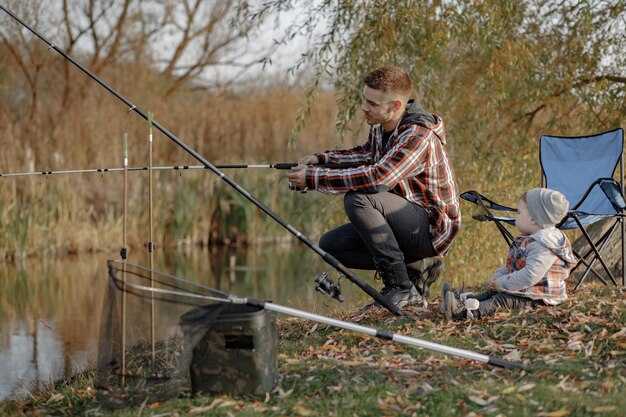
Comece com uma base que equilibre precisão e controlo: rode o manípulo da estrela no sentido horário até sentir uma resistência firme e uniforme, depois recue ligeiramente para que uma leve pressão com o dedo consiga mover a linha sem libertar o carreto. Este ponto de partida mantém o carreto naturalmente preparado para a maioria dos equipamentos e configurações.
- Valores iniciais por classe de linha
- Linha de 2,7–4,5 kg: procure 0,45–0,9 kg de força de arrasto.
- Linha de 5,5–9 kg: procure uma força de arrasto de 1,5–3 kg.
- Linha de 9–13+ kg: tente obter 3–4 kg de arrasto.
- Teste de pressão com o dedo
- Com a cana nivelada e a linha sob ligeira tensão, pressione a linha com o seu indicador no lábio do carreto. Se conseguir parar ou abrandar o carreto com uma pressão firme e constante, o drag está num intervalo seguro.
- Se a linha se mover com demasiada facilidade, aperte um pouco mais; se mal se mover ou bloquear, recue um pouco para um melhor controlo durante o lançamento e a primeira corrida.
- Configurações pesadas vs. leves
- Montagens com pesos para amostras maiores ou espécies mais pesadas (por exemplo, montagens para cavalas com pesos maiores) exigem normalmente uma configuração de drag mais elevada para evitar que a linha se parta e para manter o movimento previsível.
- Para montagens leves com amostras de finesse, mantenha a embraiagem mais baixa para preservar a distância de lançamento e a sensibilidade.
- Consistência entre guias e punhos
- Verifique o nível de fricção ao longo do veio e o movimento do manípulo; a sensação deve ser a mesma, quer inicie um lançamento, quer esteja a lutar contra um peixe.
- Registe a sua configuração inicial nas bobinas concebidas para várias canas; isto facilita a replicação em futuras saídas.
- Dicas específicas da espécie
- Para cavala ou alvos rápidos semelhantes, use uma configuração adequada para destros que permita ajustes rápidos após a primeira dentada.
- Quando souber que o peixe pode dar um esticão, aumente ligeiramente a travagem para que a linha não se enterre ou desenrole demasiado depressa durante uma corrida forte.
- Rotina de otimização
- Depois de iniciar, teste os movimentos com um puxão leve e, em seguida, um puxão forte para verificar se a resposta de arrasto é uniforme e previsível.
- Alternativamente, verifique com um movimento curto e controlado usando uma amostra de treino para confirmar que a configuração aguenta a pressão real do lançamento.
Voltas cuidadosas e medidas, e um preciso teste de pressão com os dedos dão-lhe um controlo eficaz, especialmente quando as mudanças de equipamento requerem ajustes rápidos e fiáveis. Manter a definição correta desde o início ajuda-o a saber exatamente onde começa a sua precisão e mantém as suas canas alinhadas com o desenrolar do combate, em vez de lutar contra o carreto.
Dicas de configuração e afinação: spooling, utilização do botão de tensão e controlo básico de lançamento para principiantes
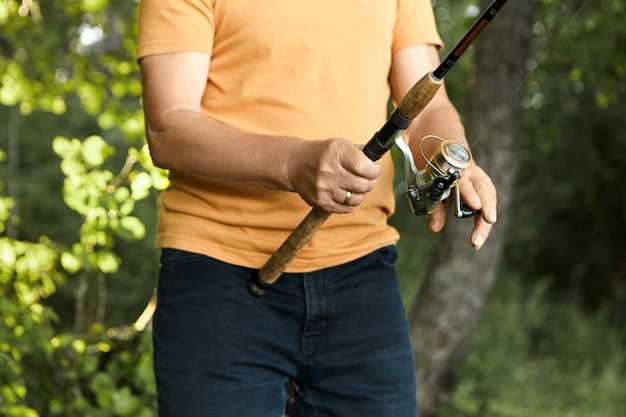
Bobine a linha uniformemente e ajuste uma ligeira pré-carga no botão de tensão para que a linha deslize mal quando a soltar, depois teste o lançamento com um movimento calmo e controlado.
Passos para encher o carreto: comece com enchimento, se necessário, amarre a linha principal ao eixo e encha o carreto até que a linha fique a cerca de 3 mm da borda. Mantenha a linha da bobina plana, rodando o carreto lentamente e guiando a linha com o polegar. Enrole a linha no carreto numa única direção para evitar torções e, se for destro, a configuração num carreto de lançamento normalmente usa a mão esquerda para alimentar enquanto a cana permanece estável.
Utilização do botão de tensão: após encher, defina uma pré-carga leve no botão – comece na primeira marca ou cerca de um quarto de volta a partir de firme. Faça alguns lançamentos de treino com uma amostra leve; se a linha sair demasiado depressa, adicione um pouco de tensão; se tiver contragolpes frequentes, alivie ligeiramente a tensão e volte a testar. Mantenha a pré-carga pequena e ajuste em passos para corresponder ao seu estilo e cana, depois avance para o ajuste seguinte quando se sentir confortável.
Controlo básico do lançamento: comece com um movimento pendular simples e uma ação firme do pulso. Coloque o polegar na linha para travar o carreto ao libertar; mantenha o movimento suave e previsível para que o engodo se mova de forma limpa através do arco. Concentre-se numa paragem uniforme da linha após a libertação e, em seguida, numa pressão constante em cada lançamento para manter a sensibilidade e o controlo. Se o seu polegar não “apanhar” a linha de forma limpa, reduza a velocidade do lançamento e pratique uma distância mais curta e controlável até conseguir repetir o movimento de forma consistente, depois aumente gradualmente.
Lure and situation tips: for heaviest lures like plugs or crankbaits, you’ll want slightly more brake or tension so the line doesn’t peel off too fast. For baitfish or light cranks, ease the dial a bit and lean toward a slower movement to keep plugs rotating right through the retrieve. Work with a consistent feed–don’t yank; instead, let the lure track in a natural movement and then pause briefly to assess the bite. When you’re choosing a style for beginners, keep it simple: start with a modest cast and a controlled retrieve, then adjust based on the feel you get in your hand and the water conditions you face in each situation.
Breakdown and checks: if the reel seems to spin tightly or you notice line friction, stop and inspect the spool alignment and guides. If a backlash occurs, stop the cast, open the spool, and re-spool as needed. Alternatively, tweak the tension knob by small increments and re-test. Check that the line rotates cleanly off the spool with the heaviest plug or crankbait you expect to cast, and confirm that the drag holds steadily without slipping during a gentle pull test. With practice, each adjustment becomes quicker and you’ll know the moment a setup feels right for the next cast.