


 Português
  English (UK)
  Русский
  العربية
  日本語
日本語  한국어
한국어  Magyar
  Türkçe
  Español
  Čeština
  Svenska
  Ελληνικά
  Suomi
Suomi  Nederlands
  Română
  Italiano
  Français
  Polski
  Українська
  Deutsch
  简体中文
简体中文  Slovenčina
  Sailing in Thailand – The Ultimate Guide to Island Hopping and the Andaman Sea">

Begin with a sheltered anchorage in Ao Phang Nga Bay for your first night, then break the day with a steady, island-by-island hop along the coast. This route connects long passages with calm bays, which keeps you safe. For every stop, look for buoys for mooring and read the signs posted by marine parks to stay compliant.
The core routes center on the Similan and Surin marine parks, where uninhabited islets rise from the sand and long reef walls shelter marine life. If you plan to stop here, arrange permits in advance or book through a licensed operator who handles the process. For breaks between hops, overnight anchorages offer quiet time beneath starry skies, while tours from Phuket and Khao Lak provide guided routes that reduce risk and manage waste. For a detour, head toward phai, a cluster of islets that links to sheltered bays and steady windward legs. Every year, this region attracts many yacht crews who prefer a calm pace and a respect for park rules.
When planning, keep a flexible schedule: seasons vary by month, and weather shifts can alter safe options. In the dry season, routes stay within sheltered bays and near protected reefs, while in the monsoon you may need to shorten hops. Always monitor buoys, signs, and local regulations; paying attention helps avoid fines. Adjust overnight stays before a squall forms to avoid disruptions. A practical kit includes water, a sun shade, and a portable charger; keep the crew informed and ready to react.
Anchoring etiquette matters: drop the hook well away from coral and approach slowly to avoid disturbing life. In marine parks, use designated mooring buoys if available and avoid bottom-sitting on fragile reefs. Many coastal towns along the Andaman offer shore-based tours and services for repairs, while some operators provide overnight stays aboard with meals onboard. If you anchor near uninhabited islets, keep noise down, respect wildlife, and pack out all you brought in to minimize impact, being mindful of wildlife.
For your packing list, bring reef-safe sunscreen, lightweight clothing, a windproof layer, a waterproof bag, and a compact medical kit. Ensure your charts are current, and have a reliable GPS and compass as a backup. Update every chart and plan your days with a simple outline, keeping the crew informed with clear checks and goals, and set aside a few sunlit breaks to enjoy calm sand beaches along the way.
Practical, action-oriented plan for Koh Samui and the Andaman Sea
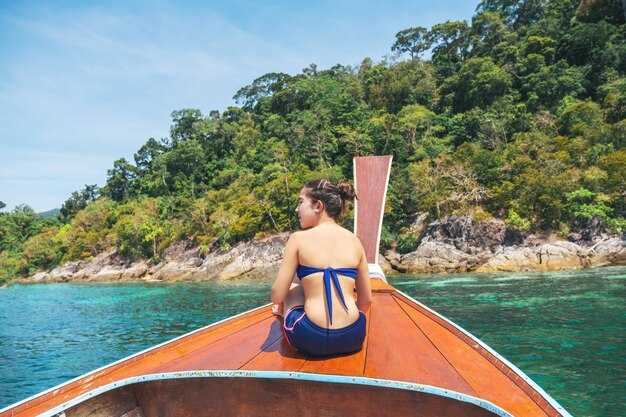
Base samui as your hub for the Gulf-to-Andaman arc. Drop anchor in Lipa Noi or Nathon to simplify provisioning, then set a simple system that keeps morning departures on track. From bangkok-supplied groceries to fresh market finds on samui, you will have many options. Use haad coves along the south coast for safe anchoring, and plan to sail west after a solid warm-up. This article offers a practical, action-ready framework that matches a range of speeds and weather.
Morning departures optimize wind and visibility, letting visiting samui’s villages such as Bophut and Choeng Mon before lunch. Drop anchor in sheltered haad coves for a quiet midday break, then resume sailing toward the next stop. Match pace with the crew to keep the schedule exciting without rushing. Onboard notes emphasize provisioning, water management, and keeping a clear mark on the chart for each port.
From samui, set your course west to the Andaman coast. The first leg targets Phang Nga Bay’s coves and sea stacks, where anchoring behind protected rocks works well in light winds. You will find numerous anchorages that match views toward limestone cliffs and caves. After Phang Nga, sail to Krabi Town and Ao Nang, then hop to Phi Phi and Phuket’s marinas for fuel, water, and fresh supplies. Ports along this stretch support occasional party nights on board, as well as quiet evenings onboard with views of sunset over karst formations.
Attention remains on safety. Maintain a daily log, update weather checks, and keep a checklist for anchoring gear and safety equipment. The plan remains flexible to weather windows and crew energy. For a true reader’s experience, file a quick article after each leg to track what works best and what to improve.
Region offers numerous opportunities to mix a traditional island vibe with modern comforts, from quiet haads to lively nights in samui’s neighbor ports. The plan provides exciting options, with a mix of anchoring, drop-offs, and shore visits that will make memories.
7-Day Koh Samui Sailing Itinerary: Day-by-Day Route, Distances, and Anchorages
Recommendation: Start Day 1 with a direct 22–24 nm hop from Koh Samui to Ang Thong National Marine Park, anchoring in a sheltered bay for a sunset you’ll remember.
Day 1 – Koh Samui to Ang Thong National Marine Park (22–24 nm). Set a steady course to the archipelago’s central bays, where hidden limestone formations rise from emerald water. Pick a protected cove on the lee of Mae Ko Island for an overnight, then wake to peaceful scenery and calm mornings. Keep a flexible plan to chase the best light and quieter spots, then head out for a closer look at sea caves or hidden lagoons when the seas cooperate. Official park rules require responsible behavior and gear stowage at anchor, so secure winches, fenders, and spare lines in the grounds of the cockpit. Look for world-class sunsets from the stern, and confirm a nearby marina option if weather shifts.
Day 2 – Ang Thong to Koh Phangan (12–18 nm). Slide along the western edge of the archipelago and set course for Koh Phangan’s quieter coves, such as Haad Salad or Thong Nai Pan Noi. Expect turquoise water, scenic cliffs, and fresh air at the helm. Use a shorter day to rest the crew and check gear after a night at Ang Thong. Nearby dive shops and snorkeling spots offer underwater life, while reefs stay in good form for safer snorkel sessions. Anchor at a sheltered beach and enjoy a chic, peaceful evening with a view of the pink horizon as sunsets bloom. If a berth opens at a small marina near Haad Rin, you’ll have an official option for shore amenities.
Day 3 – Koh Phangan to Koh Tao (25–28 nm). Set a steady pace to Chalok Bay on Koh Tao, a favorite for its calm lee and world-class snorkeling scenes just offshore. On the way, you’ll pass close to rocky islets where you can watch unique underwater formations from the surface. Stop for a mid‑day swim and fresh fruit, then anchor in Chalok Bay for a chic, quiet night. This shorter leg lets you stretch lines, refresh provisioning, and keep the crew content. Look longer at the map to pick a second option near Shark Bay or Ao Leuk if the wind shifts, then keep a flexible schedule to chase better light and calmer seas.
Day 4 – Koh Tao to Koh Samui (west coast) (18–24 nm). Return toward Koh Samui with a focus on Lipa Noi or Maenam as your overnight anchorages. Expect scenic coastline, sand‑top beaches, and a slower tempo after Koh Tao. Fresh air, smoother seas, and an easier dinghy ride to shore make this a good day for maintenance checks and gear inspection. Nearshore reefs provide near‑shore underwater color, while a quiet anchorage in Lipa Noi offers peace after three lively days. If conditions allow, enjoy an evening walk along a chic beachfront and a longer look at the lights on the water. A nearby marina option exists for official fuel and provisions if needed.
Day 5 – Koh Samui to Koh Taen (hidden spots and reefs) (6–12 nm). Slip into the calmer southern waters toward Koh Taen, a hidden gem with quieter coves and protected bays. Anchor off a sheltered coast near coral reefs and gentle snorkeling grounds. The day’s pace remains short, allowing you to savor fresh sea breeze and slower rhythms. Look for underwater life weaving around rock formations and sandy patches; you’ll find spots where the water stays clearer and the crowds fade. This is a great chance to review safety gear, top up drinking water, and enjoy a peaceful, near‑private evening in a quiet corner of the bay.
Day 6 – Koh Taen back to Koh Samui (Maenam or Bophut) (8–12 nm). Return to Koh Samui and pick a quieter anchorage in Maenam or Bophut for a breezy, peaceful night. This leg keeps the pace relaxed, so you can notice small details–the color shifts in the water, the scent of frangipani on the cockpit, and the look of the coastline at golden hour. Fresh provisions, a quick hull check, and a flexible plan mean you can switch to a marina for official services if needed, or linger at anchor and enjoy the islands’ slower tempo. Sunset views from the deck highlight the Pacific‑like palette and the Andaman‑styled charm that Thai waters offer in this region.
Day 7 – Koh Samui wind-down and return to base (10–14 nm). Cruise a circular route along Koh Samui’s western shore to a final anchorage near Nathon or Chaweng’s outskirts. This last day emphasizes comfort and gear checks, with a short hop that keeps the crew fresh for the final dock. Take a long look at the horizon as the lights come on, and plan a post‑cruise evening at a nearby marina or a quiet shorefront spot that matches the trip’s chic, peaceful vibe. If you want to extend, Leela‑style charters offer a flexible option for a longer stay or a tailored add-on to sample more spots, with official guides and fresh gear recommendations included. This route keeps a memorable balance of hidden bays, scenic coastlines, and world‑class sunsets, so countrys from around the pacific can share in the look and feel of a true Thai island hopped odyssey, andaman‑flavored still, within reach of Koh Samui’s grounds and easy land access.
Best Weather Window and Tidal Considerations for Andaman Sea Sailing
Attention: plan the core sailing window for November through April; this is the best period for stable days and crystal-clear seas across the Andaman coast. You’ll enjoy gentle to moderate winds, many sun-filled days, and smooth hops between Railay, Phi Phi, Phuket, and marina-dotted ports along the route. With proper planning, your crew can cover beautiful areas, stay in sheltered anchorages near villages, and offer chic experiences at every destination.
Within this window, tidal variation remains manageable: typical ranges 1–3 meters by moon phase, with spring tides around full and new moons and neap tides closer to 0.5–1 meter. Enter bays at slack water to minimize current and avoid shoal risks near Railay, Phang Nga, and Koh Phi Phi. When you drop anchor, use a scope of 5:1 in good holding mud so you don’t drift in gusts. Be mindful of needle-like coral heads near some reef drops that can surprise even an experienced crew.
During May–October, plan for monsoon season realities: more rain, stronger winds, bigger seas, and many days with rough conditions. Some areas become impossible to visit; Similan Islands typically close to boats, and you should adjust plans to sheltered bays such as Ao Nang, Phang Nga Bay, and coastal villages along the route. If you push beyond the core window, target short hops and stay near protected coastlines rather than venturing far from shore.
Practical tips for a smooth cruise: coordinate with fishermen in coastal villages to learn safe channels and sheltered drops; check local notices for protected areas and permits at major destinations–attention to regulations saves delays for your destination. Whether you sail a superyacht or a smaller craft, the means to safe navigation are the same. Reserve a calm night near Railay’s chic surroundings, consider anchoring near bambo huts on shore, and plan provisioning at Phuket or Krabi to keep the crew ready for multiple days of beautiful island hopping across many areas.
Boat Charter Options, Licenses, and Insurance for Thai Waters
Choose a licensed operator with full registration and comprehensive insurance for any Thai charter. This guarantees safety, compliance, and smooth handling of permits and emergencies across the region.
- Charter options
- Crewed charters with a skipper and crew for hopping between Krabi, Phi Phi, Hong Island, and other Andaman destinations, with on-board service and catering.
- Bareboat charters for experienced sailors who hold valid licenses and a proven track record, ideal for extended cruising and exploring more remote coves.
- Party or wedding charters that design a private itinerary along emerald waters and waterfront coves, with tailored food, decor, and entertainment.
- Family-friendly charters with relaxed pacing, sheltered anchorages near haad beaches, and short hops suitable for all ages.
- Vessels range from small motor yachts to modern catamarans and sailing yachts, suitable for destinations across Krabi region and the Andaman Sea.
- Licenses and registration
- Vessel registration must be current with the Thai Marine Department and shown on request.
- Captain and crew hold valid licenses appropriate to vessel size and type, with certificates clearly linked to the vessel.
- Operators must comply with countrys rules and Thai regulations for charter activities in the Andaman Sea, including Haad- and Hong Island routes.
- Ask for a formal safety plan and port-of-call permissions to avoid delays at coastal location hubs.
- Insurance and safety
- Hull and machinery insurance plus third-party liability coverage are standard for commercial charters.
- Protection and indemnity (P&I) is recommended for larger crews or event-focused charters (weddings, corporate parties).
- Medical evacuation and passenger accident protection should be included or available as add-ons.
- On-board safety gear includes life jackets for all guests, life rafts, fire extinguishers, a functioning VHF radio, EPIRB, and clear emergency procedures.
- Practical considerations
- As correntes e as marés variam consoante a localização; a costa de Krabi e os canais de Phi Phi podem pôr à prova a navegação – planeie itinerários flexíveis e uma rota alternativa.
- Verifique as atrações em redor de enseadas esmeralda, praias de Haad e outros destinos para estruturar um horário eficiente que minimize as longas transferências entre paragens.
- Os almoços e a cozinha a bordo podem ser organizados – coordene com o operador para provar cozinha tailandesa local ou opções internacionais ao gosto do seu grupo.
- Definir um itinerário realista para viagens durante todo o ano, preservando tempo para experiências na natureza e para saltar de ilha em ilha entre ancoradouros tranquilos.
- Solicite a localização do operador, o porto de origem e os dados de registo para verificar a legitimidade e agilizar o check-in nas bases de Krabi, Haad ou Hong Island; considere outra opção se um plano carecer de clareza.
- Custos e dicas de reserva
- Os componentes da cotação incluem a taxa base da embarcação, os custos da tripulação, o combustível, as taxas portuárias e o aprovisionamento; procure uma oferta transparente com tudo incluído.
- Compare pacotes que cobrem entradas em recifes, saltos entre ilhas e excursões guiadas a destinos como as cidades ribeirinhas de Krabi e os destinos de Haad.
- Reveja os termos de cancelamento, listas de equipamentos e opções de transferência para terra para evitar taxas ocultas durante épocas altas ou feriados.
- Negocie um pacote que inclua outro serviço conveniente, como transfers do aeroporto ou aprovisionamento, para simplificar o planeamento.
Para viajantes que procuram uma alternativa a rotas movimentadas, conceba um plano personalizado que equilibre natureza, cozinha e cultura através deles, da costa esmeralda e não só. Um operador bem escolhido torna casamentos, festas ou simplesmente passeios de ilha em ilha viáveis ano após ano nas águas de Andamão da Tailândia.
Ancoradouros, Amarrações e Escalas Costeiras à Volta de Koh Samui e Ilhas Próximas
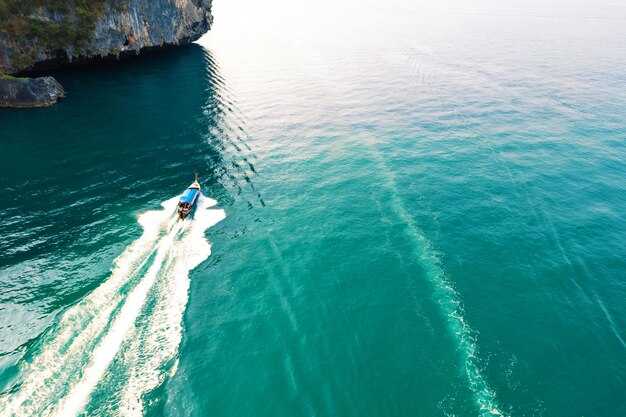
Planeie uma rota de duas noites entre ilhas que começa na Baía de Choeng Mon, na costa nordeste de Koh Samui, depois salta para Koh Taen para uma paragem secreta de snorkeling e termina com uma noite perto do Parque Marinho Nacional de Ang Thong. Recomendamos esta rota por causa dos terrenos abrigados, do fácil abastecimento e de muito snorkeling à volta de ilhéus desabitados; irá partilhar a água com inúmeras embarcações, mas ainda assim encontrará ancoradouros tranquilos para relaxar.
A baía de Choeng Mon localiza-se na costa nordeste e oferece uma proteção calma mesmo quando os ventos alísios se intensificam. As bóias de amarração oferecidas pelos operadores locais são abundantes, e um curto trajeto em bote leva-o aos restaurantes da praia e a algumas bancas de mercado fresco. Os pontos de abastecimento de combustível e provisões são fáceis a partir de Nathon ou Bangrak, e pode navegar em direção a Koh Phangan para outra paragem quando a disposição mudar.
Koh Taen apresenta outra opção secreta: uma ilhota desabitada com uma enseada abrigada, água límpida e recifes ideais para snorkeling. A costa dispõe de uma cabana simples que serve peixe fresco e khao, e a longa e estreita praia é perfeita para uma aterragem discreta de equipamento ou uma curta viagem até pontos de areia que parecem verdadeiramente privados.
O Parque Marinho Nacional de Ang Thong oferece uma mistura única de ilhéus, lagoas marinhas e falésias calcárias dramáticas para explorar. Existem várias amarrações e ancoradouros, e as regras do parque exigem uma licença antecipada. Use as amarrações sempre que possível para proteger o fundo e os recifes; é fantástico para vistas do nascer do sol nas lagoas e uma visita à praia em enseadas isoladas que parecem mundos à parte da costa principal.
Dicas de planeamento sazonal: a melhor altura é de novembro a abril; monitorize as previsões e mantenha um plano flexível caso uma frente se desloque. Leve equipamento robusto, cabos e defensas extra e uma âncora sobresselente; convém articular com operadores locais para combustível e mantimentos frescos. A costa em redor de Koh Samui oferece muitas opções, desde praias secretas a paragens desabitadas, com restaurantes e aluguer de equipamento nas proximidades para tornar a sua travessia suave e agradável.
Aprovisionamento, Equipamento de Segurança e Conforto a Bordo para Navegação Entre Ilhas
Prepare um kit médico compacto e à prova de água e um saco seco sobresselente para cada etapa da sua viagem de ilha em ilha. Inclua remédios para o enjoo marítimo, toalhetes antisséticos, pomada antibiótica, fita adesiva, tesouras e um guia básico de primeiros socorros. Leve um pequeno kit de ferramentas marítimas e uma lanterna recarregável, além de um conjunto sobresselente de pilhas para equipamentos críticos no convés.
Planeie o aprovisionamento combinando itens tradicionais de longa duração com embalagens prontas a comer, para poder reabastecer facilmente nos pontos de entrada perto de centros famosos como Ranong e nos mercados em redor de Surin e Racha. Guarde peixe enlatado, arroz, massa, azeite e especiarias num cacifo seco ao alcance da cozinha e mantenha verduras e fruta num frigorífico compacto, caso a sua embarcação o forneça. Aponte para um abastecimento de 3 a 4 dias por pessoa e ajuste para o calor; se tiver pouco tempo de preparação, opte por refeições pré-embaladas para acelerar as visitas à costa. Mantenha um registo de inventário simples para controlar o que usou e o que precisa para a próxima etapa, garantindo que tem o suficiente para chegar ao próximo parque ou paragem na praia.
Equipamento de segurança obrigatório: um colete salva-vidas por pessoa, uma boia lançável, um dispositivo de sinalização sonora, uma lanterna à prova de água, pilhas sobresselentes e um extintor de incêndio básico. Inclua um rádio VHF portátil e, para percursos remotos, um EPIRB ou PLB. Verifique o tamanho e o estado dos coletes salva-vidas, teste o apito e inspecione as amarras e defensas antes de cada etapa. Mantenha um kit de reparação simples e peças sobresselentes num cacifo acessível.
O conforto a bordo centra-se na sombra, circulação de ar e espaços organizados. Instale um bimini ou toldo, use ventoinhas portáteis e utilize tecidos respiráveis nas áreas de dormir. Mantenha os beliches secos com absorventes de humidade e leve um cobertor leve para as noites de brisa. Armazene os utensílios de cozinha e os alimentos não perecíveis em cestos claramente etiquetados para agilizar os reabastecimentos e reduzir a confusão após as idas à praia.
A estratégia de fundeio favorece baías calmas com boa aderência e entrada segura para as costas calcárias próximas. Teste brevemente a aderência com uma pequena descida, depois ajuste o comprimento da corrente/cabo e fixe as defesas. Leve uma âncora e cabo sobresselentes para diferentes tipos de fundo e pratique a recuperação em águas pouco profundas num local seguro antes de seguir para mar aberto. Esteja atento às correntes perto de Surin, Ranong e Racha, e utilize esta abordagem para desfrutar de paisagens deslumbrantes e paragens vibrantes e tranquilas em enseadas verdes e praias de parques com margens calcárias.
Depois de tratar do aprovisionamento, do equipamento de segurança e da rotina de conforto, elabore uma lista de verificação pré-partida simples, que abranja a embarcação, a tripulação e o equipamento. Anote o que precisa de ser reabastecido, que equipamento requer manutenção e que artigos de conforto deseja para a próxima etapa, para que os seus planos em mar alto permaneçam tranquilos e agradáveis ao longo do Mar de Andamão.