


 Português
  English (UK)
  Русский
  العربية
  日本語
日本語  한국어
한국어  Magyar
  Türkçe
  Español
  Čeština
  Svenska
  Ελληνικά
  Suomi
Suomi  Nederlands
  Română
  Italiano
  Français
  Polski
  Українська
  Deutsch
  简体中文
简体中文  Slovenčina
 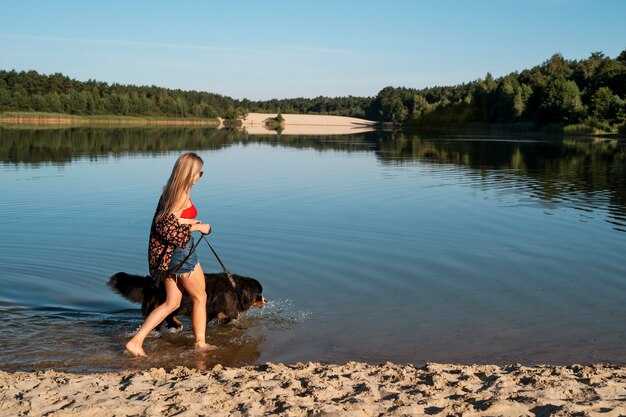 Safety Tips for Boating with Your Dog – A Practical Guide">

Begin with a properly fitted life vest on your dog before every launch, and keep a short, secure leash handy. This single action dramatically reduces risk if a wave hits or the boat lurches. For dogs of all sizes, the vest should fasten securely and have a handle for quick retrieval from the water; ensure breathing remains steady by avoiding bulky gear that blocks the chest.
Keep essentials on board: a collapsible water bowl, treats for positive reinforcement during practice, a canine first-aid kit, a leash, and information cards with your vet’s contact. Attach a small waterproof bag to the rail to prevent loss, and use color-coded gear to speed up retrieval.
Monitoring breathing and body language is crucial on every trip. If you notice heavy panting, drooling, or a pale tongue, shorten the ride and give water and shade. On warm days, aim for under 30 minutes on calm water until your dog stays relaxed; use a shaded rest stop mid-trip to reset.
Teaching your dog basic on-board commands on land creates a calm on-water routine. Practice being responsive to your cues with short sessions: sit, wait, and come when called, then reward with treats. A well-taught dog stays closer to your side and stays away from the bow when underway.
Rastreamento your dog’s position using a tether in the cockpit or on a safe deck zone to prevent down hazards and keep paws from slipping. Do not leave the dog unattended at any time, and keep the leash clipped to your belt or life vest so you can move quickly if needed. Plan a quick exit path in case of weather changes.
Launch on calm days and schedule short sessions at first: 20–30 minutes on quiet water, with pauses for water, shade, and paddling rest. Gradually extend the duration if your dog keeps a relaxed posture, a regular breathing rate, and shows willingness to stay with you. Keep fresh water on hand and avoid letting the dog drink seawater.
Information from boating safety guides show that most incidents involve dogs not secured or monitored during rough water or sudden maneuvers; use a simple pre-launch checklist that covers PPE, tethering, water, and breaks. A quick review at the dock keeps the experience predictable for everyone.
This guia helps you plan with confidence: print a brief checklist, save a vet contact, and share the plan with fellow boaters. By keeping your dog safe, you protect your crew and create more joyful voyages with being on the water together.
Incorporate Plenty of Breaks During Boat Trips
Schedule breaks every 60 to 90 minutes during boat trips and adjust to heat, shortening to 30-45 minutes on very warm days. Before departure, complete a pre-trip checklist: a shaded spot, a collapsible water bowl, a spare leash, and a plan for reboarding after each rest. This routine keeps your dog relaxado and makes it easier to read their signals.
Watch for cues of stress: rapid panting, glassy eyes, reluctance to move, or limping. If these appear, stop at the next break, move into shade, offer small sips of water, and gradually cool down. These actions help reduce overheating and distribute weight more evenly on joints. In rough seas, shorten breaks and stay near calmer sections of the boat. This is the point where breaks matter–especially in amazon heat or humidity, increase breaks and provide shaded rests.
During breaks, let your dog explore on the deck, sniff the air, and rest on a clean mat. Take a quick photo to monitor posture and comfort, and watch for any scratches on paws after docking. Use familiar cues–sit, staye come–to keep your dog relaxado and under control while the boat moves.
Keep the environment friendly: shade, fresh water, and ventilation reduce overheating risk. When traveling through different states with heat, plan extra breaks and monitor the dog closely. Know their weight and adjust activity to avoid fatigue. Use a proper life jacket for dogs and non-slip surfaces to support safety, while a quick, calm routine on each break helps your dog stay smart about the experience. When you see signs of discomfort, pause and reassess to prevent a stressful trip.
Select a USCG-approved dog life jacket with a snug, adjustable fit
Choose a USCG-approved dog life jacket that fits snugly around the chest behind the front legs and sits high on the neck. It should have two adjustable straps, a sturdy grab handle, and a reliable D-ring for a leash aboard. Confirm the weight and chest girth ranges on the label, and verify the approval is current (up-to-date).
Size ranges: XS chest 8–12 inches (20–30 cm); neck 8–10 inches (20–25 cm). S chest 12–16 inches (30–40 cm); M 16–20 inches (40–50 cm); L 20–24 inches (50–60 cm). For your small dog, pick chest girth at the lower end of the range and use the two adjustable straps to tailor the fit. If between sizes, choose the smaller and tighten with straps; ensure there is room to move but no slack that lets the jacket slide off.
Fit on dry land before water time: put on, fasten all straps, and lift by the grab handle to simulate a fall. The jacket should stay in place on board and not ride up, while the neck opening stays comfortable. Check that your dog can drink and breathe easily, and snap a quick photo of the fit to compare with the size chart and verify coverage.
On the water: mindful operation matters. Keep your dog within view, avoid crowds, and use the jacket during longer trips on a national lake or when docked. A jacket that stays put during splashes reduces accidents and keeps your dog calmer. Store a spare right-size jacket in your gear bag; inspect seams, buckles, and foam after every outing to ensure right protection and reintegrate as needed.
Maintenance and storage: rinse after exposure to salt, chemicals, or sunscreen; air-dry away from sun; collapse a collapsible jacket and store it in a dry bag aboard when docked. Inspect seams, buckles, and foam after each outing and replace worn parts as needed. Keep extra jackets on long trips and practice fitting on land so youre ready for water time with your small dog.
Attach a secure harness and use fixed tether points on deck
Secure a strong harness on each four-legged boat-dog and attach it to fixed tether points on deck. Choose a padded, adjustable harness that fits snugly without restricting movement; verify two-finger clearance at the chest and ensure quick-release buckles. Connect to a designated anchor using marine-grade carabiners; never rely on a loose line. Keep a bowl of water on deck and within reach as part of your gear, so hydration is ready and the dog stays calm. If the dog gets excited, use a calm, clear voice and steady motions to reassure them.
Install fixed tether points at designated locations along the coaming or near the cockpit. Use non-slip mats under hardware to prevent shifting as the boat heels. Each tether should be four to six feet long to allow the dog to sit, lie, or stand without hitting hatches or lines; use a single line to reduce entanglement and shorten quickly if needed. For planning, mark positions ahead of time and train your dog to stay in that zone. A seasoned captain says to keep the boat-dog mindful and close to you; keep a phone within reach for emergencies.
During trips, teaching the dog to stay near the tether and respond to cues helps keep everyone safe. Watch the eyes and body for signs of stress; if the dog gets tense or wagging stops, shorten the tether and reposition calmly. Keep sessions short, rewarding calm behavior, and gradually extend time as the dog gains confidence. Tips from experienced crews emphasize consistency and staying aware of footing and movement to prevent trips or slips.
| Step | Action | Gear/Notes |
|---|---|---|
| 1 | Fit a strong, padded harness on each dog and attach to a fixed deck point | Harness: padded; two-finger fit; fixed point: designated cleat/pad eye; connector: marine-grade carabiner; bowl nearby |
| 2 | Set tether length and position | Length: four to six feet; keep path clear of hatches; use non-slip deck mat |
| 3 | Train and reinforce cues for staying near the tether | Commands: sit, stay; eyes on handler; teaching sessions with praise |
| 4 | Monitor comfort and adjust as needed | Fique atento a abanar ou inquietação; encurte a guia se necessário; mantenha o telefone pronto para chamadas rápidas |
| 5 | Manutenção e verificações de segurança | Inspecione o arnês e o cabo semanalmente; substitua os equipamentos desgastados; verifique os pontos fixos após viagens turbulentas. |
Monte uma área a bordo com sombra, bem ventilada e com opções de resfriamento.
Cubra um canto sombreado a bordo com um toldo respirável para bloquear o sol e reduzir o ganho de calor; garanta que o espaço permaneça fresco, mantendo seu cão confortável desde o momento em que você zarpa.
Instale um ventilador compacto e alimentado por bateria para manter o ar em movimento e posicione-o de forma que uma brisa segura alcance o cão sem soprar diretamente nas patas; leve uma pequena bateria de backup e prenda os cabos para evitar o alcance ou emaranhamento.
Configure a estação de resfriamento: uma tigela rasa com água fresca, uma toalha úmida ou tapete de resfriamento, e compressas de gelo opcionais; isso reduz o risco de superaquecimento e proporciona alívio rápido.
Mantenha os equipamentos necessários próximos: jaquetas ou jaquetas de resfriamento leves para dias quentes, uma coleira e etiquetas de identificação em uma coleira justa; supervisione o filhote ou o cão adulto durante todas as transições.
Limite os riscos: use uma coleira curta ao se movimentar, impeça que o cão se incline em direção às bordas do corrimão e evite quedas no mar; verifique as patas em busca de arranhões após a exposição ao sol e ao calor do convés.
Este guia ajuda você a controlar o ritmo de forma inteligente e ajustar a tonalidade, o fluxo de ar e a hidratação com base na experiência, no tamanho e na tolerância da jaqueta do seu cão.
Agende pausas regulares para água, xixi e descanso do cachorro a cada 30–60 minutos
Defina um cronômetro e agende pausas para água, necessidades e descanso a cada 30–60 minutos, planeje com antecedência para calor e sombra, e mantenha a rotina normal para reduzir o estresse do seu companheiro de quatro patas.
Durante cada parada, ofereça água fresca em uma tigela portátil e deixe-os beber um pequeno gole constante: aproximadamente 60–120 ml para cães pequenos, 120–250 ml para cães médios ou 250–500 ml para cães grandes, dependendo do tamanho e da exposição ao calor. Em seguida, dê a eles uma pausa para fazer as necessidades em uma área segura e seca; se possível, escolha um local com sombra. Mantenha a coleira solta para que eles possam se mover naturalmente e alcançar uma posição confortável. Faça o mapeamento do percurso à frente e anote onde fica o próximo ponto de água para se manter no rumo certo. Estes são intervalos específicos por peso para guiá-lo.
Em climas quentes, fique atento a sinais de fadiga ou superaquecimento, como respiração ofegante, baba ou cambaleio. Se o que você vê indicar superaquecimento, teste a temperatura deles tocando a orelha interna ou a pata, mova-se para a sombra e use uma toalha úmida ou colete de resfriamento. Reduza a atividade e permita que descansem em uma superfície calma e confortável; considere um colete respirável ou um cobertor de resfriamento se a exposição ao sol for alta. Mantenha-os mais calmos, relaxados e protegidos do medo ou de explosões repentinas de energia.
Antes da partida, carregue uma jaqueta leve ou um cobertor refrescante, um arnês bem ajustado (não uma coleira apertada) e uma pequena etiqueta de identificação com o seu estado e número de contato. Tenha uma garrafa de água portátil para reabastecer e uma toalha seca para limpezas rápidas. Use reforço positivo para recompensar pausas constantes e transições suaves; se eles estiverem confortáveis com a rotina, é mais provável que permaneçam calmos.
Para peles felpudas ou peles grossas, programe pausas com água extra e sombra, e evite a luz solar direta durante o pico de calor. Se o cão parecer inquieto ou com medo, diminua o ritmo, fale em voz baixa e deixe-o descansar mais tempo na sombra. O plano certo mantém a exposição ao calor baixa e torna o passeio protegido e agradável para um companheiro feliz e relaxado.
Tigelas portáteis de água e toalhas de limpeza rápida para refrescamento rápido.
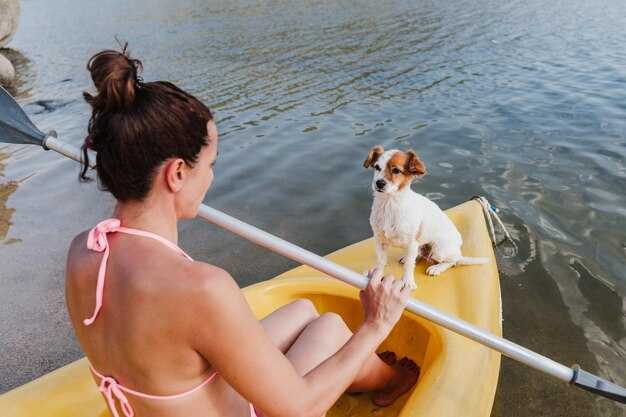
Mantenha duas tigelas portáteis compactas e sem derramamento de água e uma pilha de toalhas de limpeza em um bolso ou armário acessível. Esta configuração simples reduz o risco de desidratação durante o sol, a spray e após um nado, e ajuda todos a bordo a construir memórias, possibilitando um rápido refresco para o seu cão durante longos dias na água.
Ao selecionar recipientes, escolha opções de grau comercial com base antiderrapante e tampas seguras para evitar derramamentos em água agitada. Recipientes de silicone dobráveis economizam espaço; recipientes de aço inoxidável são duráveis e fáceis de higienizar. Procure por 350–450 ml por recipiente e carregue um sobressalente em uma bolsa seca para convidados inesperados. Coloque os recipientes em um tapete antiderrapante ou aderência do convés para mantê-los firmes e proteger as orelhas e a cabeça de solavancos repentinos.
Combine tigelas com toalhas de secagem rápida: toalhas de microfibra com cerca de 30×50 cm funcionam bem para portabilidade. Mantenha três toalhas em rotação: uma para secar, uma para limpar as orelhas após nadar e uma de reserva. Remova sal, protetor solar e suor para reduzir coceira e ansiedade, e agilize o retorno do seu cão ao convés.
Notas de uso: introduza a rotina de atualização durante as pausas de descanso ou após o atracamento para reduzir as reações causadas pelo calor e sede. Seque o pelo completamente, especialmente ao redor das orelhas, para evitar o acúmulo de humidade. Ofereça água a cada 20–30 minutos em climas quentes e programe a atualização para uma área sombreada para evitar a exposição perigosa em carris ou a banho de sol direto. Esta abordagem reduz o stress e torna as viagens mais agradáveis para todos.
Lista de verificação e considerações:
- Duas tigelas portáteis para água (de silicone dobrável ou de aço inoxidável) com bases antiderrapantes
- Três toalhas removíveis (microfibra) para secar, orelhas e peças sobressalentes
- Tapete antiderrapante ou aderência para convés sob tigelas
- Pequena garrafa de água fresca para reabastecimento
- Coleira para cachorro, colete salva-vidas e um kit básico de primeiros socorros
- Sacos de lixo biodegradáveis e lenços de limpeza para o deck
- Regulamentos e notas de licença: verifique as regras locais; mantenha cópias a bordo
- fonte de diretrizes de segurança das autoridades e mantenha-as à mão
- Registros de vacinação, se exigidos pela sua jurisdição
- Considere o layout do barco e escolha tigelas e toalhas que se encaixem no seu espaço.
- Hora de uma rápida verificação antes da partida para introduzir esta rotina e reduzir a ansiedade