


 Português
  English (UK)
  Русский
  العربية
  日本語
日本語  한국어
한국어  Magyar
  Türkçe
  Español
  Čeština
  Svenska
  Ελληνικά
  Suomi
Suomi  Nederlands
  Română
  Italiano
  Français
  Polski
  Українська
  Deutsch
  简体中文
简体中文  Slovenčina
 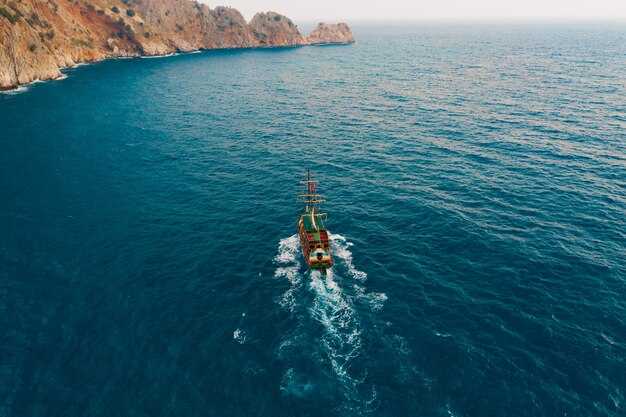 One Week Sailing the Aeolian Islands – Lipari, Vulcano &">

Comece a sua semana com um fundeadouro no porto abrigado de Lipari ao amanhecer, defina um rumo constante em direção a Vulcano e comece com uma manhã calma na água.
Em Lipari, a aldeia sobe do porto para ruelas estreitas, onde a arquitetura caiada emoldura vistas para o mar e boias indicam ancoradouros seguros ao longo do cais.
De Lipari navega-se para Vulcano ao final da manhã, aproveitando a brisa da caldeira; à tarde pode-se fundear ao largo de Cala Vulcanello, caminhar até à cratera e mergulhar em poças minerais antes de regressar ao barco.
heres Um conjunto compacto de dicas: verifique as previsões de vento diariamente, leve uma âncora extra, note sete bóias em torno da costa vulcânica e confirme as posições da rocha de Bottaro com o mestre do porto antes de partir.
As noites trazem calma enquanto o largo da aldeia reluz; norman arcos emolduram a igreja do porto, enquanto o café Bottaro serve spritz de citrinos e marinheiros trocam notas; bottaro surge nas conversas dos locais como um ponto de paragem noturno favorito, e deve planear atracagens noturnas tranquilas e partidas seguras.
A luz cinematográfica sobre a terra e o mar faz com que cada etapa navegada pareça decisiva; não são todos os dias igualmente calmos, mas ao circundar o arquipélago, coleciona sete capítulos da costa da Sicília.
Com um planeamento flexível, ajusta rotas aos ventos, marés e sombras; a cadeia Eólia da Sicília recompensa capitães atentos com enseadas tranquilas, água cristalina e marisco acabado de pescar em cada paragem, uma combinação que definitivamente compensa.
Plano de Navegação das Ilhas Eólias
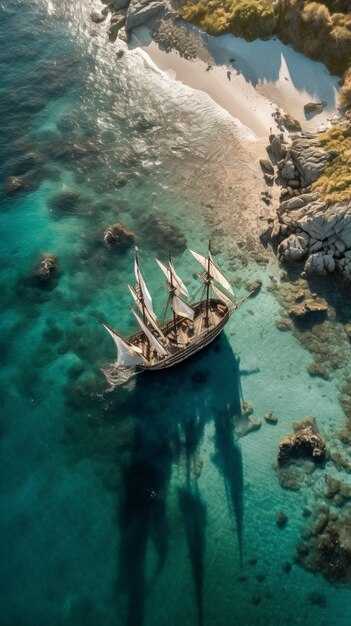
Reservar ancoradouros seguros em Lipari para a primeira noite e planear um circuito no sentido horário através de Vulcano, Panarea, Stromboli, Salina, Filicudi e Alicudi antes de regressar. Este plano baseia-se num itinerário de sete dias, com 4–6 horas de navegação por dia, mais tempo para explorar portos, nadar e fazer refeições. Ancoradouro fees variam consoante o porto e a época do ano, tipicamente 30–60 EUR por noite; leve dinheiro para o cais hours e verificações oficiais. Use cabos de amarração de popa para fixar o barco e embalar água suficiente para dias de cruzeiro. Está pronto para desfrutar de um maravilhoso trecho ao longo de sicily‘costa norte de.
Dia 1 – Lípari: Baseado em Lipari, amarre seguras em portos abrigados perto de Marina Corta ou Porto Pignataro e parta cabos de amarração de popa para uma noite estável. As provisões em terra são simples, e um restaurant está ao alcance. Uma curta caminhada até à zona de zimmari oferece uma pré-visualização tranquila da vida na ilha, seguida de um pôr do sol a partir do terraço.
Dia 2 – Vulcano: Navegar até Vulcano, famosa pelo vulcânico paisagem e praias de areia preta. Comece com uma manhã cratera caminhe para apanhar ar mais fresco e depois nade em águas termais antes de regressar à sua amarração. À tarde, visite um porto. restaurant para almoçar e verificar o hours do parque vulcânico para planear uma viagem de regresso ao pôr do sol até águas calmas.
Dia 3 – Panarea: Curta viagem para Panarea; as amarrações no porto de San Pietro são diretas e cabos de amarração de popa seguro. As vielas brancas de Panarea e as lojas intimistas proporcionam um wonderful em contraste com Vulcano. Se o vento empurrar, ancorar perto da zona de zimmari e desfrutar de uma noite em terra com uma refeição leve num restaurante.
Dia 4 – Stromboli: A ilha vulcânica domina o horizonte. As amarras no porto interior protegem-no das rajadas; junte-se a uma caminhada licenciada até à cratera ao final da tarde para apreciar o brilho contra o céu noturno. Após o regresso, jante num restaurante no porto. restaurant. Monitor fees e últimas horas de concurso para evitar atrasos.
Dia 5 – Filicudi ou Alicudi: Dependendo da brisa, siga para Filicudi pelas suas grutas marinhas e água cristalina ou para Alicudi por um ambiente mais calmo e tradicional. O porto de Filicudi oferece amarrações fiáveis e acesso a pé a alguns restaurantes; fees aplicam-se na mesma gama. A costa convida explorando de bote e um pôr do sol sobre a água.
Dias 6–7 – Viagem de regresso em direção a Lipari: Paragem no baixo Morto, se as condições permitirem um mergulho calmo e para concluir a semana com um último olhar sobre o sicily costa. Regresse a Lipari com as adegas cheias e memórias de uma semana maravilhosa a viajar pelas Ilhas Eólias.
Itinerário dia-a-dia: Lipari, Vulcano, Panarea
Ancore na Marina Corta de Lipari para uma base fiável, depois passeie até ao Castello e ao Museu Eólico para se orientar. Aprendemos que um circuito compacto pela vila – ruelas, cais, miradouro – parece preenchido sem pressas. À noite, o carteiro ainda entrega bilhetes no porto enquanto janta peixe fresco numa taverna à beira-cais.
De Lipari, navegue até Vulcano e amarre perto de Porto Levante para acesso rápido à cratera de La Fossa. Faça a devida caminhada até à borda da cratera para vistas panorâmicas e leves fumos de enxofre; planeie 60–90 minutos em cada sentido. Depois, relaxe nas termas de Vasche di Venere e refresque-se no mar para arrefecer. A visibilidade subaquática ao longo da costa de Vulcano é geralmente suficientemente nítida para um pequeno mergulho de snorkel perto de recifes formados por lava, com pequenos peixes à volta de zonas mais calmas.
A seguir, Panarea aguarda: largue a âncora ao largo de San Pietro e comece a explorar a pequena cidade portuária de Panarea. Para uma aventura compacta, alugue um pequeno barco para conhecer os ilhéus próximos de Basiluzzo, Dattilo e Spinazzola, depois navegue até Cala Junco para uma pequena caminhada marítima ao longo da costa acidentada. Panarea oferece três baías e um ritmo relaxado que os turistas também preferem, com ruas caiadas e algumas padarias que tornam a paragem autêntica.
O quarto dia leva-o até mais de Panarea: faça snorkel em Cala Junco e nos ilhéus Diomedee, depois suba até Punta del Corvo para uma vista panorâmica da costa a partir da falésia. Os eólios chamam Diomedee aos ilhéus próximos e também pode contratar um segundo barco para visitar Basiluzzo e Dattilo, se o vento o permitir, expondo três lados da costa de Panarea.
Retorne para Lipari no quinto dia, com base no porto norte. Escolha uma caminhada costeira em direção a Quattro Strade, avançando para o interior por um caminho que sobe suavemente e regressa com vislumbres do mar do outro lado. O percurso destaca a rocha vulcânica em tons de terra de Lipari, a vegetação rasteira e as pequenas baías onde pode parar para um mergulho rápido. Para um equilíbrio favorável aos turistas, também pode combinar a caminhada com um almoço num café do porto e um passeio pela cidade velha.
O sexto dia centra-se no mundo subaquático e no ritmo náutico tranquilo. Organizámos um mergulho com snorkel matinal ao longo das baías abrigadas de Lipari, seguido de navegação para uma amarração nas proximidades para almoçar a bordo. A rede de amarrações simplifica os registos e o mar calmo permite-lhe desfrutar de atenção total ao fundo do mar – peixes coloridos, ouriços-do-mar e fendas esculpidas em lava. Além disso, leve uma câmara leve para captar o sol na água e as silhuetas da ilha.
No dia sete, termine com uma visita ao museu de Lipari novamente e um último passeio costeiro antes de zarpar de volta. As cores da terra, do basalto à pedra-pomes branca, parecem vívidas mais uma vez enquanto inspeciona os afloramentos esculpidos pela lava ao longo do porto. Desfrutámos de sete dias de exploração, vento e sal, e o itinerário pode facilmente transformar-se num relaxamento memorável antes da última noite na água.
Opções de porto e procedimentos de amarração em Lipari e Panarea
Book a berth at Marina di Lipari for a full range of services, including water, electricity, and shore facilities; for lower costs and greater flexibility, use buoy moorings in the outer harbours when the wind favors the open waters.
- Lipari – Marina di Lipari: modern, staffed, and close to the town. It provides water, power, fuel dock, showers, and emergency assistance. The harbours here handle both guest slips and transient moorings; a few berths remain open during shoulder seasons, making it a popular choice for cruisers who need reliability and quick shore access.
- Lipari – Porto di Lipari (outer/old harbour area): guest pontoons and buoy fields serve those seeking a cheaper option or a quick stop. Use a bow line to a buoy and a stern line to a secure ring; always deploy fenders and keep your crew ready for rapid adjustments if surge rises.
- Panarea – Porto di Panarea and nearby buoy field: a compact harbour with limited services and clear access to shore facilities in the village. Mooring buoys are common here; plan a short stay if the quay is crowded, and be prepared for basic toilet and fresh water provisions on land.
Procedures and practices to follow on both islands ensure smooth mooring and quick departures, especially during the peak season when seven-day charters rotate through harbours and bays.
- Prepare in advance: confirm vessel length, draft, and clearance. Check the seven-day forecast and observe crystal waters around the coast for smooth entries; the shore and vegetation along the island are particularly scenic in the afternoon light.
- Contact the Harbour Master on VHF channel 16 to request entry, confirm available buoy space or a slip, and obtain any local instructions. Those who appear at the quay with proper paperwork are released to a mooring promptly.
- Choose your mooring type: buoy or quay. Buoys typically offer lower fees and easier departures; quay berths provide direct shore access, but require precise line handling and longer preparations.
- Approach carefully: follow channel markers, keep a safe speed, and stay clear of fishing operations. Position the bow toward the buoy or dock as directed by shore staff; avoid repeating sharp turns that could damage hulls or fenders.
- Secure correctly: attach a bow line to a cleat or bollard, add a stern line to a secure point, and deploy two spring lines if space allows. Use durable lines and ample fenders; if surge increases, adjust tension steadily rather than jerk the lines.
- Pay and obtain receipts: finalize mooring fees at the marina office or through the harbor authority; keep the receipt until departure and note the required cancellation window for a later stop.
- Waste and discharge rules: use designated waste disposal points and never discharge bilge water or residues into the waters that surround the islands; crystal water conceals how close the coast is to magma below and highlights the volcanic scenery around volcanoes and stromboli in the distance.
- Departure plan: signal your release to the Harbour Master when ready; untie lines carefully, pull in fenders, and proceed outward with a short, controlled turn to avoid other vessels or moorings. Never leave a mooring unattached without proper authorization.
For a side trip, stromboli is a popular add-on; plan the excursion for the afternoon when the volcanoes appear dramatic against the sky and the waters become even more stunning. Lipari remains the largest hub and provides the most options, while Panarea offers a tiny, charming harbour with a dramatic backdrop–both harbours deliver beautiful access to the island’s coast, its crystal waters, and the unique atmosphere of this volcanic group.
Weather windows and wind patterns for inter-island hops
Target a dawn departure from Lipari to panarea to reach the next destinations within a light breeze and calm seas. This time window supports 8–15 knots, keeps seas beautiful, and the panoramic light as the sun rises over the volcanoes guides your first hops.
In the aeolian archipelago, wind patterns follow a diurnal rhythm: mornings bring light easterlies or northerlies, giving way to sea breezes by afternoon. If a forecast shows 12–18 knots in the morning, you can cruise Lipari → panarea comfortably; plan shorter legs to sheltered bays tucked along the coast when winds shift. If you sailed these waters before, you know how the wind can shift with the day. Watch for sirocco gusts from the south on hot days, which can bubble up quickly and slow you down. For reliable connections between destinations, keep the time of day in mind and use the quiet morning window to start a leg to Vulcano or Stromboli.
Seasonal guidance: The best season for inter-island hops is late spring through early autumn when the seas stay responsive and the air is clear to explore and film. From the birth of Aeolian navigation, these routes shaped coastal life; today you can visit panarea, Lipari, Vulcano, Stromboli, Filicudi, and Alicudi with a flexible plan. For planning, most legs run 1.5–3 hours Lipari → panarea, 2–5 hours panarea → Stromboli or Vulcano, and 1–2 hours for short hops around Lipari. If you prefer exploring the entire arc, set aside 5–7 days and allocate time to stop in sheltered coves, sample foods, and enjoy the viewpoints. The entire route rewards cruising with a mix of wind and sunshine, revealing a beautiful, panoramic coastline seen best at sunrise, when the sea remains calm and the bubbling vents around Vulcano provide a visual treat for your film crew or your own memories.
Practical takeaways: We suggest starting with Lipari → panarea to lock in the simplest window. Take the most stable window and avoid racing into a shift; have 2–3 alternate legs ready, so you can reach all your destinations even if a front arrives. From Lipari you can loop through panarea, Vulcano, Stromboli, Filicudi, and Alicudi, and still return to Lipari if weather holds. Your plan should reserve time for exploring anchorages tucked along coves, tasting foods in harbor tavernas, and recording your trip for a season film collection. If you lose a day, use it to linger in a beautiful bay and watch the volcanic activity, and adjust your itinerary accordingly. The aeolian winds rise and fall with the seasons, so staying flexible is the best strategy for cruising the entire week along the coast.
Anchoring spots, depth notes, and approach tips around Vulcano
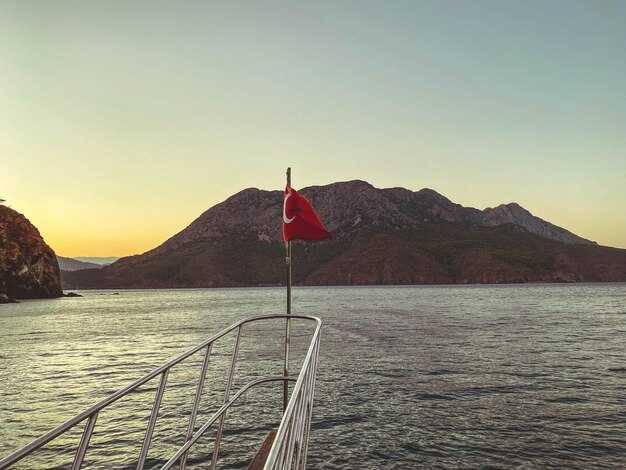
Anchor just outside the Vulcano Porto moorings in 7–9 m, sandy bottom with patches of ash. Use 30–40 m of chain and a stern line to shore if winds push from NW; this keeps you clear of the ferry lane and makes the early evening more relaxing.
Spot A – West of the volcanic village: depth 8–12 m, bottom sand with lava gravel. Holding is solid in winds from the NE to SE; if gusts reach 20–25 knots, add a second anchor 40–50 m away to keep the swing within a sheltered arc. Approach from 045°, stay clear of the rock stacks, and keep at least 60 m from the shore where the streets and bars begin. From here you enjoy incredible sunsets and can stroll the village afterward, creating memories that last hours and days.
Spot B – Southeast shelf near the caldera rim: depth 12–18 m, bottom mud and sand with sporadic lava patches. Current is usually gentle, but set up with a 60–70 m Rode to limit swing. Drop anchor in 10–15 m during slack water for the easiest settle, then drift a few meters if you need to reposition. The coast here offers fantastic views of the volcanic coast from the boat, a great place to plan a short hike the next morning.
Approach tips: enter from the open water on a NE to E course to stay clear of lava outcrops and reef. Once you reach the outer shelf, ease to 8–12 m and drop the primary shot, testing holding by a soft reverse after set. Keep VHF Channel 16 in use to monitor traffic, ferries, and local guidance. Leave ample space for other boats and don’t rush the maneuver; a careful approach saves hours and reduces risk when conditions swell.
Moorings and logistics: there are a handful of buoys outside the harbor used by day charters; if you see active moorings, tie off for a quick reset or swap to a spare anchor when the wind shifts. In the village you’ll find relaxing shoreside options, where you can wander the coast, catch a drink at a bar, and explore the narrow streets. After a windy afternoon, a nighttime walk along the coast creates memories the entire crew will recall for days, and the volcanic village feels welcoming from the moment you step ashore until night falls, when the harbor lights theatrically frame the bay and the waves add a soundtrack to your stay.
Gear, provisioning, and budgeting for a week afloat
Start with a concrete plan: seven days afloat demand a compact provisioning kit for two, covering six breakfasts, seven lunches, seven dinners, plus snacks. For least disruption, rely on 60% long-life staples and 40% fresh produce, with a 2–3 day reserve in a cooler. If you are a first-time cruising pair, keep meals simple and use on-board cooking to stay flexible after nights at anchor on winding coastlines. When you shop, ashore trips on foot let you refill bread, fruit, and veg at named markets without slowing cruising progress.
Onboard gear and provisioning essentials: two PFDs per person, a sturdy anchor with 50 m of nylon line, 4 fenders, a 10 L potable water can, a compact stove with spare gas canisters, a first-aid kit, a waterproof dry bag for shore trips, and a reliable torch for nights. Pack a small tool kit, spare impeller, duct tape, and a bilge pump. Bring a navigation chart, a whistle, and a waterproof pouch for your phone plus a power bank. Carry a reusable bottle and a water filter bottle to keep crystal water onboard; a bubbling mud visit on Vulcano can become part of your memories ashore. For cruising Lipari and Vulcano, choose gear that stows quickly when a squall calls you back to the boat and you want to stay comfortable during long days of explore.
Budgeting for seven days below reflects two people, with options for anchored stays or marina nights: provisioning for dry goods and fresh items, fuel, mooring or anchorage, and a small reserve for extras. Plan at least a 10–15% buffer for price shifts in peak season and for spontaneous refills after long hikes along the coastlines.
| Category | Âmbito recomendado | Estimated cost (EUR) | Notas |
|---|---|---|---|
| Food and beverages | Dry staples for seven days; fresh produce for 3–4 days; coffee/tea | 200–260 | Two people, self-catering; include 2–3 on-board meals that are quick to prepare |
| Water and ice | Drinking and cooking water | 15–25 | Tap filters or bottled water as backup |
| Fuel and stove fuel | Propane/butane canisters; stove轴 | 16–25 | 1–2 canisters cover a week for two; check stove compatibility |
| Safety and spares | PFDs, flares, first-aid supplies, basic tools | 40–80 | Keep a spare impeller and tape for quick fixes |
| Mooring and port charges | Anchoring free; marina nights if chosen | 60–180 | Depends on nights in slips; some bays allow free anchorage |
| Miscellaneous | Charts, maps, guidebooks, small comforts | 20–40 | Lightweight items that improve routine and safety |
With this plan, you reach a balance between on-board meals and ashore refills, keeping costs predictable. The allure of the seven days lies in days spent cruising calm sea, nights under stars, and the chance to explore ruins and cliff-backed coves along coastlines. You’ll return back with memories of crystal water, black rock silhouettes, and first-time discoveries that appear almost theatrically vibrant against the earth-toned shore.