


 Português
  English (UK)
  Русский
  العربية
  日本語
日本語  한국어
한국어  Magyar
  Türkçe
  Español
  Čeština
  Svenska
  Ελληνικά
  Suomi
Suomi  Nederlands
  Română
  Italiano
  Français
  Polski
  Українська
  Deutsch
  简体中文
简体中文  Slovenčina
 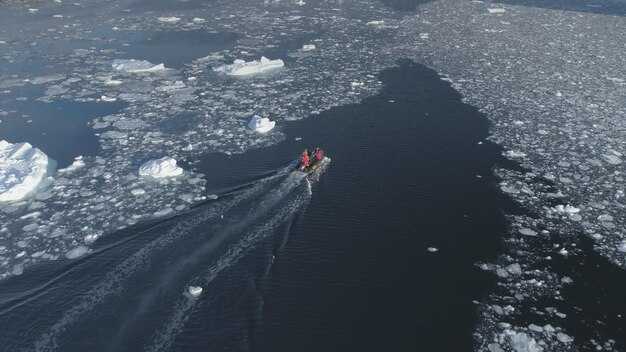 Northwest Passage – Alaska to Greenland – Across the Top of the World">

Plan an 18–22 day expedition aboard an ice-strengthened vessel and begin in Alaska, then head onward through the Bering Strait into the Chukchi Sea and along the Canadian waterways toward Greenland. This great window opens in late summer, typically July through September, when daylight lasts long and ice retreats. Schedule two overnight stops in sheltered bays to reset the crew and your logistics; a detour to iceland can add a colourful cultural break while staying within your location and onward timetable. The intended finish sits at Disko Bay or Nuuk, where you feel the conexão to coastal communities and reflect on the route beyond.
Choose an operator with Arctic experience and verify the ship carries an ice‑strengthened hull, robust navigation gear, and a dependable medical station. Ensure toilets are available 24/7 and that cabins have solid heating and weatherproofing for long nights. The crew will run regular safety drills, maintain a steady headcount, and keep you updated via satellite with the latest forecasts. Look for operators renowned for low environmental impact and clear communications, because the best days hinge on accurate ice and weather data rather than luck.
Along the course you’ll meet abundante wildlife and dramatic coastlines. In the Beaufort and Chukchi seas you may spot belugas, bowheads, and even polar bears at the ice edge; across the Canadian Arctic you’ll see muskoxen and Arctic foxes along sheltered shorelines surrounded by pack ice. Greenland offers a colorido blend of towns and terrain, with Ilulissat’s icefjord drawing visitors from around the world. The conexão between Inuit communities and the sea is renowned for its resilience and adaptability, and the people welcome observers who respect local rules and preserve the pristine nature of the region.
Map the core trails through the western Canadian Archipelago, then sail into Davis Strait toward Greenland. Navigate the waterways during long daylight hours in July and August, when fog is less frequent and ice floes are more predictable in the afternoon sun. Plan location checks at Cambridge Bay, Iqaluit, and Ilulissat to refuel, resupply, and exchange stories with local guides. If conditions demand, a detour to iceland for a brief visit can shorten the crossing and provide a chance to refresh the crew and equipment.
whats most important is a clear, practical plan that allows for flexibility when ice and weather shift. Once you commit to a window in mid-summer, you gain access to calmer seas and longer days, and you can push toward the beyond the Arctic circle with confidence. Choose routes that maximize time in conexão with communities, and align your schedule with peak wildlife viewing and cultural events. The experience becomes renowned for careful seamanship, respectful visits, and the way it reveals how the Arctic coastlines surrounded by water still hold mystery.
Only weather and ice will determine the exact pace. From an operational view, plan for an 18–22 day frame that includes buffer days for ice changes; the route offers an abundante array of wildlife and scenery in a great corridor that remains sparsely populated and highly protected. Early planning gives you the best chance of a smooth crossing and a memorable onward leg to Greenland’s west coast. The conexão between sea, ice, and human history becomes renowned and paves the way for a once-in-a-lifetime experience.
Day 7: High Arctic Practicalities
Book a midship, fixed-view cabin to reduce motion and ensure restful sleep during the mist-cloaked seas of the High Arctic. A stable berth keeps you alert for wildlife and shore views while taking on long days ahead.
Pack a practical kit: three-layer clothing, a waterproof shell, insulated gloves, and a warm hat. For taking part in roundtrip excursions, add a compact daypack, a small camera, and sunscreen. Frequent calls to ports along the coast offer chances to stretch legs, and if you overnight in a Greenland hotel after port calls, choose a lodge near the harbor for easy departures.
Keep devices charged with a spare battery; the ship’s safety and science teams rely on state-of-the-art navigation and weather monitoring to chart safest routes. Day plans blends science and storytelling for a richer experience. Evening activities mix safety briefings with short talks on local culture, and entertainment options range from documentary screenings to live music.
On shore, plan flexible exploration; belugas may surface near the shore in calm water, so keep a respectful distance and avoid sudden movements. If a musk ox appears on inland tundra, step back and let guides lead.
Discovering inner streets of small Greenland settlements reveals white buildings with clean lines and simple color palettes that blend with snow. This is where you feel the future of Arctic life, with fishermen, artisans, and schools sharing space.
Everything you pack should be labeled and organized; keep a single daypack ready for quick departures and store everything else in the cabin. This routine helps a smooth afternoon at sea and a comfortable hotel stay if you extend your trip.
What to Wear: Layering and Insulation for Extreme Cold
Meet the cold with a three-layer system: base, mid, and outer shell. Base layers wick moisture and stay dry; choose merino wool or technical synthetics, not cotton. For Arctic conditions, select lightweight to midweight options that perform at -25°C to -10°C, and add insulation in the mid layer when you halt for longer periods or face gusty winds.
Base layers should be snug but not constrictive and feature flat-lock seams to prevent chafing aboard ships or during transit between towns. Look for fabrics with natural odor control and quick drying; this keeps you comfortable as you move from heated facilities to exposed decks. Add a pair of liner gloves under insulated mittens to maintain dexterity without sacrificing warmth, and tuck shirt sleeves into a snug, colorfully patterned base to meet visibility needs in snowy landscapes.
Mid layers provide dependable warmth without bulk. A fleece jacket or light-down sweater works well; synthetic fill maintains warmth if moisture from breath or perspiration builds up, while down excels when you stay still in gusty winds. For season-long use, invest in a mid layer with a zipper and pit vents to regulate heat as you navigate the expansive, iconic coastlines of Americas and into Greenland’s edge; you’ll appreciate the flexibility during long hikes, day trips, or a gallery show at a museum stop in a coastal town.
Outer shells must block wind and shed moisture while remaining breathable. Choose a three-layer membrane with waterproofing around 20,000 mm and breathability above 15,000 g/m2/24h. Ensure full seam sealing and reinforced cuffs, a tall collar, and a hood sized to fit over a helmet or knit hat. A roomy, spacious cut improves circulation and allows easy layering–perfect when you step from a chill wind into heated transit lounges or onto a vessel’s deck while the sea turns epic.
Accessories complete the setup: a thermal hat or balaclava that covers ears, waterproof gloves with removable liners, and wool socks paired with insulated boots rated for -40°C. Gaiters protect your shins from blowing snow, while sunglasses or goggles reduce glare when you zoom in on colorful, sunlit ice. Pack a compact face mask for wind exposure and a small, fast-drying towel for gear care after a long day ashore or aboard a dredges deployment along the coast.
Plan ahead by purchasing gear from reputable brands and keeping receipts for possible price adjustments; many travelers meet good deals in season sales and at nine-acre training facilities near coastal hubs. When you prepare, you can manage shifts in weather, protect sensitive skin, and stay comfortable across harsh landscapes and remote trails. Local media and museums often highlight iconic routes and seasonal events; carry layers that let you adapt quickly during transit, in towns across the national networks, or while a show stops at a port between destinations in the Americas.
| Layer | Materials | Temperature Range | Purpose | Notas |
|---|---|---|---|---|
| Base | Merino wool or synthetic blends; moisture-wicking | -25°C to 0°C | Keep skin dry, reduce heat loss | Flat seams; avoid cotton; include liner sleeve options |
| Mid | Fleece or lightweight-down; synthetic fill | -20°C to -5°C | Trap heat without bulk | Zip front; breathable panels; easy to compress |
| Outer | 3-layer waterproof/breathable shell (Gore-Tex or similar) | -40°C wind chill capable | Block wind, shed moisture, vent heat | Sealed seams; adjustable cuffs and hood |
| Accessories | Wool or synthetic socks; insulated boots; gloves + liners; hat | -40°C | Preserve extremity warmth, prevent frostbite | Gaiters; goggles or sunglasses; face mask |
How to Read Ice and Forecasts for Safe Routing
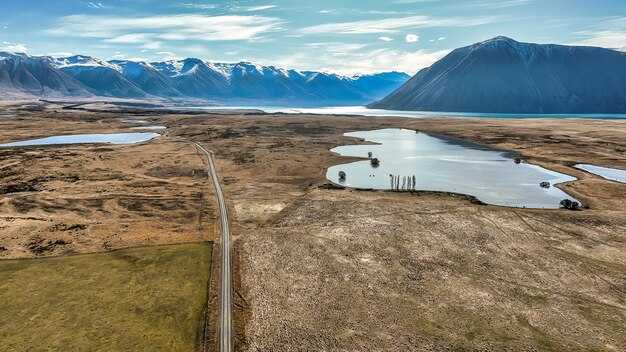
Verify ice charts and forecast windows before every leg, and prepare a plan that prioritizes safe tracks and flexible contingencies.
Understanding ice, weather, and vessel capabilities helps your team stay ahead. The following approach uses concrete data, clear thresholds, and actionable steps.
- Track ice indicators: thickness, concentration, ridges, and leads. Use official sources such as national ice services and coast guard briefings; the largest hazards often form along shifting leads. Visualize how these indicators evolve, because an area that looks safe can change within hours.
- Read the forecast window: check 12-, 24-, and 48-hour projections for ice cover and wind-driven movement. Forecasts includes wind speed, direction, sea state, and current shifts. Often, models disagree, so compare at least two independent products and note the consensus and the outliers.
- Design a safe track: plot a primary route and 1–2 backup tracks that avoid persistent multi-year ice and wide, dynamic leads. Mark anchorages or sheltered zones like Somerset passages for arriving passengers or crew, and ensure you head toward areas with better escape options if conditions worsen.
- Estimate timing with margins: build arrival windows that accommodate potential slowdowns from ice or weather. Once you set legs, include buffer time for heatups, engine checks, and crew rotations; avoid rigid schedules that leave no room for adjustments.
- Assess risk scientifically: assign a simple risk score to each segment based on ice state, visibility, and forecast confidence. Acknowledge that forecasts are probabilistic; plan actions that reduce exposure when confidence is low, and communicate clearly with the team and passengers.
- Leverage tools with precision: use a charting app and zoom function to scrutinize leads, ice patches, and track lines. The concept is to translate high-level forecasts into visible, actionable map details that your head navigator can explain to the team.
- Coordinate the plan: establish roles for the team, including a head navigator, weather monitor, and deck officers. Frequent updates improve situational awareness; arriving updates should flow as the wind shifts or new ice data emerges.
- Educate with data-driven feedback: review forecasting performances after each leg to identify gaps between forecast and reality. A brief study of past journeys helps you refine thresholds and improve future decisions.
- Practice readiness: run short drills that simulate a sudden lead opening or wind shift. Include checklists, ready-to-activate alternate routes, and communication protocols so the entire unit stays synchronized.
Understanding ice dynamics, staying aware of market forecasts, and preparing with a collaborative team mindset makes travels safer for everyone onboard. Youre able to appreciate how small, proof-based steps accumulate into reliable routes across the Northwest Passage, where even the aquarium-like sheen of refrozen brash can conceal dangerous gaps. By tracking data, studying sources, and maintaining flexible plans, youre ready to navigate those journeys with confidence, minimal risk, and steady performances from your crew.
What to Do in an Emergency: Communications and Drills
Begin with a 5-minute daily check of gear: test VHF radio on channel 16, confirm satellite phone, and verify EPIRB ou PLB; count hands and gather on the central decks ahead, checking the view from the bridge. This routine keeps the crew calm and morale amazing.
Define roles (Captain, Radio Operator, Lookout) and store a brief program no site log with emergency contacts, weather thresholds, and a concise route sketch. Train new hands often so everyone knows what to do rather than guessing.
Drill cadence: conduct a 15-minute weekly practice: call mayday on channel 16, simulate GPS failure, perform a search pattern, and signal with sound signals and a whistle. Practice moving toward a haven on the floating life raft, and rehearse boarding a floating craft.
Equipment on each deck includes a floating survival kit: spare batteries, waterproof maps, a crystal signaling mirror, flares, first aid kit; store near accommodation e buildings, label by color, and review the kit trimestral. Involve adventurers in drills.
Logistics and planning: maintain a log of drills, track response times, and note any panama port fees, accommodation constraints, and climate conditions. If the route crosses west costa waterways toward the northwest, adjust the checklist for longer holds and colder water. Include conversations with farmers at stops for fresh supplies, and keep a small souvenir log of lessons.
After-action review: update the program, share changes with the crew, and print a fresh checklist for the decks ahead. The aim is to keep adventurers ready for emergencies across a northwest routes while preserving a calm, friendly atmosphere.
How to Plan Supplies: Food, Fuel, and Water Management
Start with a rule: reserve 10 days of shelf-stable meals per person and four days of water beyond forecast usage. Set a daily energy target of 2,500–3,000 kcal per adult and package meals in 1–2 day portions to simplify rotation and reduce waste.
Food kit design emphasizes items that tolerate cold and damp: dried beans, rice, lentils, canned fish, canned vegetables, powdered milk or plant-based alternatives, nut butter, dried fruit, and energy bars. Create two menus used by the crew and mix in fresh produce when in settlements. Pack into labeled, humidity-sealed bins and run a strict FIFO system to rotate stock and minimize spoilage.
Fuel strategy aligns with cooking and heating needs. If using propane, plan 2–3 kg per stove per day and maintain a 20% cushion for weather or longer meals. Store spare bottles in a dedicated locker and arrange shore deliveries with local suppliers during stops in settlements or capitals along the Americas route. The cruisecruisetour program applies a flexible refueling plan and keeps your team, including a greg-led crew, prepared for weather changes.
Water plan builds redundancy: install dual filtration and UV treatment or chemical dosing, track daily use, and store four days of supply in rigid tanks with a seven-day reserve in external totes. For a 60-person crew, this typically means several thousand liters total, scaled by occupancy, climate, and sea state. Maintain a water-management log and perform weekly checks to catch leaks early.
Logistics and coordination bring locals and settlements around the coast into the loop. Secure bookings with suppliers in key areas, lean on a guided, full program to deepen ties with traditions, and search for options around mist-cloaked fjords, mountains, and capitals. A london-based network and a greg-led team offer the best picks, flexible delivery windows, and on-site support to keep the plan aligned with objectives and bookings for an amazing voyage.
Inventory management ensures nothing slips through the cracks. Keep a digital and paper list, track expiration, rotate stock, and maintain backups for essential items. If a shipment falls behind, use a straightforward search for substitutes and adjust the cruisecruisetour schedule to preserve comfort and safety on the voyage along the Americas coast.
How to Observe Wildlife Safely and Respect Polar Habitats
Always maintain a safe distance from wildlife and observe from the deck at the designated point; a deck filled with observers creates crowding–stay on marked routes and avoid stepping onto ice near coastal islands.
Em december, daylight is limited and weather shifts quickly. Use lights sparingly and opt for red-dimmed lighting during night observations to avoid startling animals, and never pursue or chase with flashes.
Watch the emerald águas along the coast for seabirds and whales; iceberg formations can appear suddenly, so stay on deck and keep a safe distance from any movers, especially near islands, where colorful plumage can signal nearby birds.
Rely on an experienced agent or onboard naturalist and use state-of-the‑art gear to document sightings; maintain a study log to ensure data remains consistent across voyages.
Check shore rules before port calls; some destinations levy fees for landings; coordinate with your guide to minimize impact while observing on deck and along the hull.
Diferente species adapt to extreme conditions in the northernmost oceans; expect variable weather and pack ice along the route; always respect wildlife corridors.
Check weather and ice charts daily; maintain a study log and use comparing with other voyages to track patterns.
For equipment, limit electrical devices near key observation spots and avoid vibrations that disturb mammals; coordinate with the agent to plan viewings along the most stable vantage points, such as the port side and deck areas.