


 Português
  English (UK)
  Русский
  العربية
  日本語
日本語  한국어
한국어  Magyar
  Türkçe
  Español
  Čeština
  Svenska
  Ελληνικά
  Suomi
Suomi  Nederlands
  Română
  Italiano
  Français
  Polski
  Українська
  Deutsch
  简体中文
简体中文  Slovenčina
 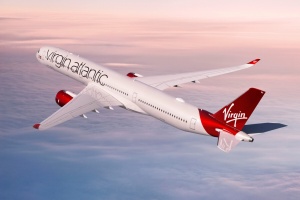 Virgin Atlantic reinforces Manchester hub with more Orlando flights">

Capacity boost on Manchester–Orlando routes and fleet upgrades
Virgin Atlantic will increase capacity on its Manchester–Orlando services by 12% in peak Summer 2026, adding extra rotations to ensure continued direct transatlantic connectivity from the North of England. The airline has also announced a 17% capacity increase for Winter 2026, driven by upgauging the Orlando services to the airline’s A350-1000 aircraft. Tickets for the additional services go on sale from 3 February 2026.
Operational response to regional network changes
The schedule changes follow Aer Lingus withdrawing long-haul operations from Manchester, prompting Virgin Atlantic to step in and expand its presence. The airline is also coordinating with Aer Lingus to assist affected customers by reprotecting passengers onto available Virgin Atlantic flights where feasible. Additionally, a number of experienced Aer Lingus pilots are being welcomed into Virgin Atlantic, helping to retain skilled aviation roles in the region and supporting continuity of operations.
Commercial and connectivity implications
Beyond the raw seat increases, these moves reinforce Manchester’s role as a transatlantic gateway for leisure and business travellers across northern England. By maintaining and growing nonstop links to Orlando, Virgin Atlantic preserves onward connectivity via partner networks including Delta Air Lines, IndiGo e SkyTeam, enabling smoother connections to a wider range of US destinations and beyond.
Practical impacts for passengers and regional stakeholders
| Change | Timing | Impact |
|---|---|---|
| Summer 2026 capacity increase | Peak Summer 2026 | +12% seats on Manchester–Orlando |
| Winter 2026 upgauge | Winter 2026 | Services operate with A350-1000 (+17% capacity) |
| New ticket sales | From 3 February 2026 | Additional flights bookable |
| Workforce integration | Ongoing | Aer Lingus pilots hired, roles retained in the North |
The immediate benefits for travellers include more convenient flight options to Florida—one of Europe’s most sought-after leisure markets—without customers having to route through London or other hubs. For Manchester Airport, the reaffirmed schedule signals a strengthening of the airport’s long-haul portfolio and helps protect regional economic links linked to aviation, tourism and cargo flows.
Stakeholder reactions
- Dave Geer, Chief Commercial Officer at Virgin Atlantic, framed the expansion as a long-term commitment to Manchester, highlighting the airline’s 30-year presence in the region.
- Stephen Turner, Chief Commercial Officer at Manchester Airport, emphasised the partnership role in connecting the North to global markets and welcomed the additional Florida capacity.
How the change fits into Virgin Atlantic’s regional network
Virgin Atlantic first began flying from Manchester in May 1996, launching with services to Orlando. Over three decades the airline has expanded to fly from Manchester to multiple US points, including Orlando, New York, Atlanta e Las Vegas, and operates a seasonal winter route direct to Barbados. The Manchester base has supported both leisure demand—particularly to key sun-and-beach destinations—and corporate connectivity for northern businesses needing reliable transatlantic links.
Historical context
The evolution of long-haul services from Manchester mirrors broader shifts in UK aviation policy, airport investment and passenger demand. Since the 1990s, regional airports have sought to diversify beyond domestic and European short-haul services to capture premium long-haul revenue and to offer local travellers nonstop options. Virgin Atlantic’s sustained investment has helped establish Manchester as a credible long-haul gateway distinct from London’s airport system.
Milestones
- 1996: Virgin Atlantic launches Manchester operations with Orlando services.
- 2000s–2010s: Incremental network expansion to the US and Caribbean; partnerships deepen with major carriers.
- 2026: Capacity increases announced in response to competitor withdrawal, including fleet upgauge to A350-1000.
Forecast: implications for tourism and regional mobility
Maintaining and increasing nonstop transatlantic seats from Manchester is likely to bolster outbound tourism from the North of England and to sustain inbound flows to the UK from North American leisure markets. Airlines reallocating capacity in response to competitor changes typically aim to capture displaced demand quickly; if executed well, Virgin Atlantic’s expansion could reduce the friction of travel planning, lower indirect routing via London, and increase visitor numbers to the region.
Over the next 12–24 months, expect three main effects: a modest uplift in passenger volumes for Manchester long-haul services; improved schedule resilience as additional aircraft and crew are integrated; and strengthened network connectivity through codeshare and interline partnerships. For destinations such as Florida, the additional connectivity from the North could help diversify source markets beyond London and the Southeast.
Wider tourism impacts
More direct flights to Florida and the US create ancillary demand for related sectors—hotels, ground transport, attractions and excursions. Although Manchester is inland, the increased link to Orlando supports leisure travel programs to coastal destinations and regions with established marine and beach tourism infrastructure across the US, which in turn can feed seasonal peaks in inbound UK travel demand.
Conclusions and outlook
The decision by Virgin Atlantic to expand Manchester–Orlando capacity and to upgauge equipment signals a deliberate strategy to reinforce Manchester as its northern home base. It secures vital long-haul connectivity following Aer Lingus’ route changes, preserves regional aviation jobs through pilot integrations, and gives passengers more direct options to major US leisure and business destinations. The move also underlines how agile capacity reallocation can preserve service levels for a catchment area and sustain the economic benefits tied to air links.
GetBoat is always keeping an eye on the latest tourism news, and this development is notable for travellers and industry observers alike as it affects a wide range of travel planning considerations—yacht and beach holidays in sun-soaked Destinations, charter options, boating and sailing activities, lake and gulf getaways, superyacht movements, marinas and clearwater coastal routes. Whether planning a family trip to Florida’s beaches or coordinating business travel that connects onward to coastal ports, the stronger Manchester–Orlando link will influence choices around sea and ocean itineraries, presence of captains and crews, fishing excursions, and broader yachting activity across popular US and transatlantic Destinations. For those tracking flight networks, passenger flows and how air connectivity supports coastal tourism and boating industries, this is a development worth watching; for marketplace tools and more travel updates visit GetBoat.com.